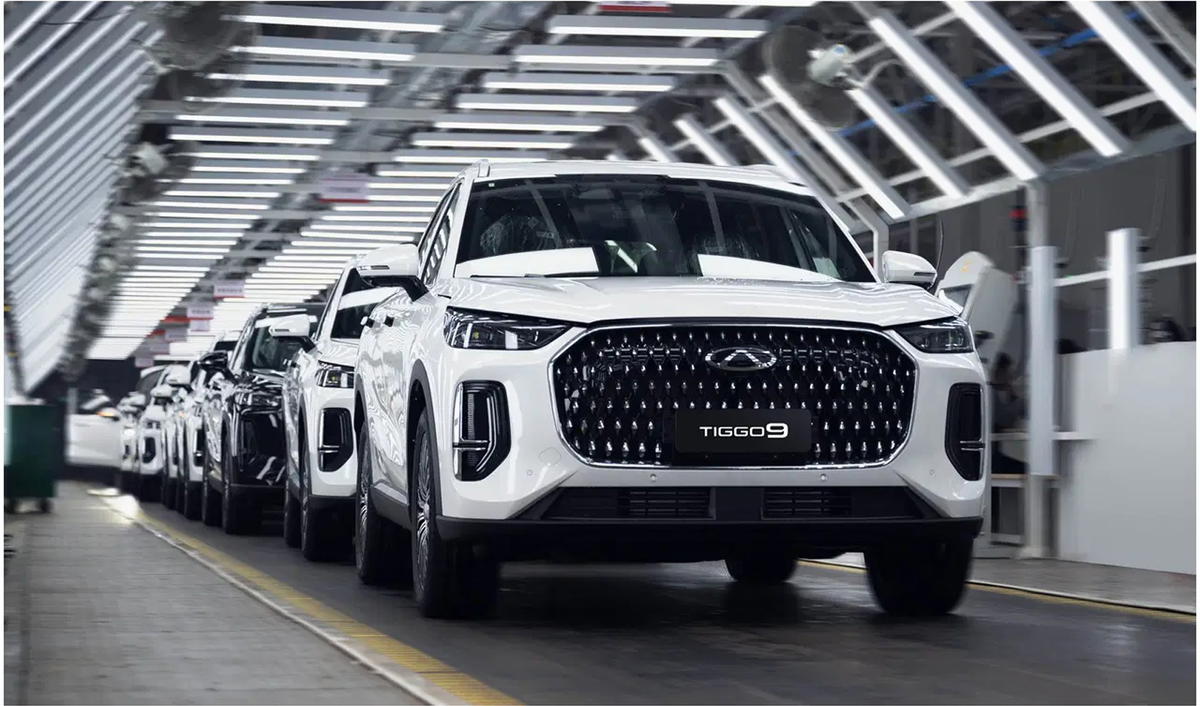
The UK has placed the option of additional customs duties on Chinese-origin electric vehicles on its agenda. According to a report by The Times, the London government is evaluating concerns that cars supported by Beijing's state subsidies are being sold in the UK market at low prices.
The report states that Business and Trade Secretary Jonathan Reynolds is working on a comprehensive tax package that could be applied to imports of Chinese-origin vehicles. At the center of the debate is the claim that Chinese manufacturers are selling at prices that could distort market competition due to public support.
A spokesperson for the British government stated that there is currently no specific customs duty applied to Chinese-origin electric vehicles. The spokesperson said, "We continue to work closely with the automotive sector to ensure our approach reflects the national interests of the industry and the United Kingdom."
DEBATE ON ALIGNMENT WITH THE EU
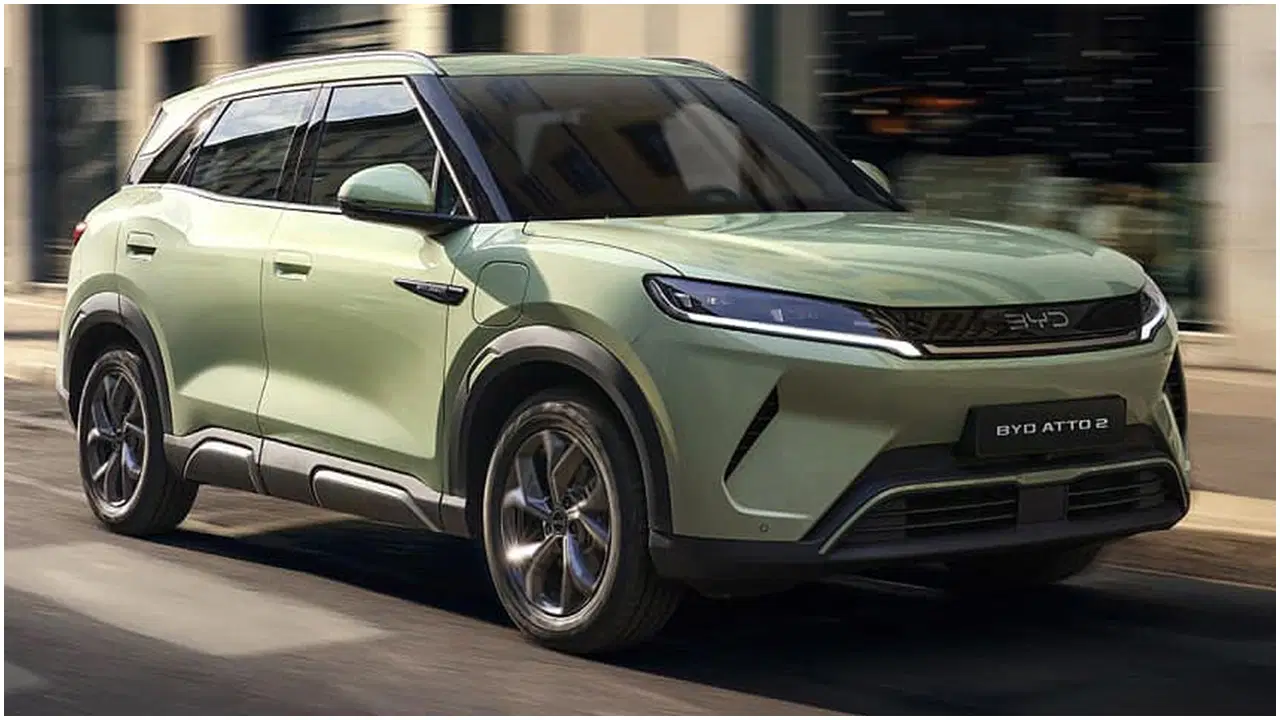
It is suggested that British ministers are prepared to match the 45 percent tariff rate that the European Union applies to Chinese-origin electric cars. This possibility concerns not only import policy but also the access of British automotive manufacturers to the European market.
The EU's "Made in Europe" approach aims to prioritize products manufactured within the union and reduce dependence on Chinese-origin parts. However, this policy is seen as a risk for British manufacturers that supply parts to European supply chains and sell vehicles to EU countries.
A report by the Financial Times in September also conveyed that Brussels had sent a message that the UK should align more closely with EU trade policy and increase tariffs on Chinese-origin vehicles to avoid running into these barriers.
Conversely, the view prevailing within the British government is that the decision should be taken based directly on the United Kingdom's national interests rather than automatically following the EU line. The final decision is expected to take shape following consultations with the automotive sector.
News Source: 12punto