



The Turkish Revolution, alongside its other qualities and characteristics, holds an important, unique, and special place in world history because it was carried out under the will and administration of the parliament. The First Parliament, the Constituent Assembly, the Veteran Parliament—undoubtedly the most participatory and democratic parliament in Turkish political history—was very jealous of its authority even under the extraordinary conditions of the War of Independence, while granting powers to Gazi Mustafa Kemal Pasha for a limited time. It imposed time limits. Each time, it demanded that Mustafa Kemal Pasha come to the Parliament to account for his actions and convince the assembly.
Numerous studies have been conducted on the debates, discussions, and opposition deputies in the First Parliament. Books and articles have been written. The parliamentary minutes of the period have also been published. The stances of Erzurum Deputy Hüseyin Avni Bey (Ulaş) and Mersin Deputy Selahattin Bey (Köseoğlu) regarding the superior qualities of the Parliament and the fact that its powers were indivisible, non-transferable, and indispensable, as well as their opposition to Mustafa Kemal Pasha, are important in terms of our political life and the democratic nature of the Veteran Parliament.
In the period often referred to as "war democracy"—a term coined by our constitutional law professor, the late Prof. Dr. Bülent Tanör—Gazi Mustafa Kemal Pasha, known by some as the "Yellow Pasha" and by others as the "Congress Pasha," led one of the most justified, legitimate, and greatest revolutions history has ever seen. In this respect, the Republican Revolution is mentioned with importance in the history of world revolutions, alongside the English Revolution of 1688, the American Revolution of 1776, the French Revolution of 1789, the Persian Constitutional Revolution of 1905–1911, the Chinese Revolution of 1911, and the Soviet Revolution of 1917. It is especially known as the most significant revolution in the Third World, in the geography of the Oppressed Nations.
In this context, the famous British historian Arnold Toynbee, who visited Turkey several times and conducted interviews and research, described the response the radical revolution found among the people and its rapid development, despite the lack of favorable political, social, historical, cultural, economic, and class conditions, as follows: "No revolution on earth has created as much astonishment in the world as the Kemalist Turkish Revolution." The pioneer, leader, theorist, and executor of this revolution is Mustafa Kemal Atatürk.
Regarding Mustafa Kemal, who appeared on the stage of history during the Gallipoli Campaigns, another Briton, C. F. Aspinall-Oglander—a staff officer in the army (who would later become a brigadier general) and was tasked with writing the history of the Gallipoli Campaigns—wrote: "It is very rare in history for a single divisional commander to have such profound effects not only on the course of a single battle but on the outcome of the entire war, and even on the destiny of a nation."
WHAT IS THE ANATOLIAN REVOLUTION?
In the words of Gazi Mustafa Kemal Pasha, the Anatolian Revolution is the war and revolution of "people who follow a doctrine that deems war appropriate by the entire nation against the imperialism that wants to destroy us and the capitalism that wants to swallow us."
The Republic was established as the result of an armed national war—the War of Independence—waged against imperialism and its extensions and collaborators in the country. In short, the Republic is the product and result of the War of Independence. It is the work and the pinnacle of the War of Independence. It is also the Republic that gave birth to multi-party life and democracy. Therefore, democracy cannot be developed in Turkey by diminishing the Republic, numbering the Republic, rejecting or ignoring the War of Independence, or disregarding Atatürk, Atatürkism, and Kemalism.
Kemalism is not Westernization. It is modernization. It is the claim to catch up with and surpass contemporary civilization. Moreover, it is modernization despite the West. It is industrializing and developing despite the West. It is the effort to liquidate feudalism despite the West. It is to overcome the identity politics supported, encouraged, and provoked by the West, and to become a citizen and a nation.
Therefore, numbering, belittling, or ignoring the Republic does not make anyone more democratic, more revolutionary, more patriotic, or more nationalist.
So what does it do?
It makes one a collaborator of the USA. It makes one a satellite of the European Union. It makes one a NATO nationalist.
Most Read
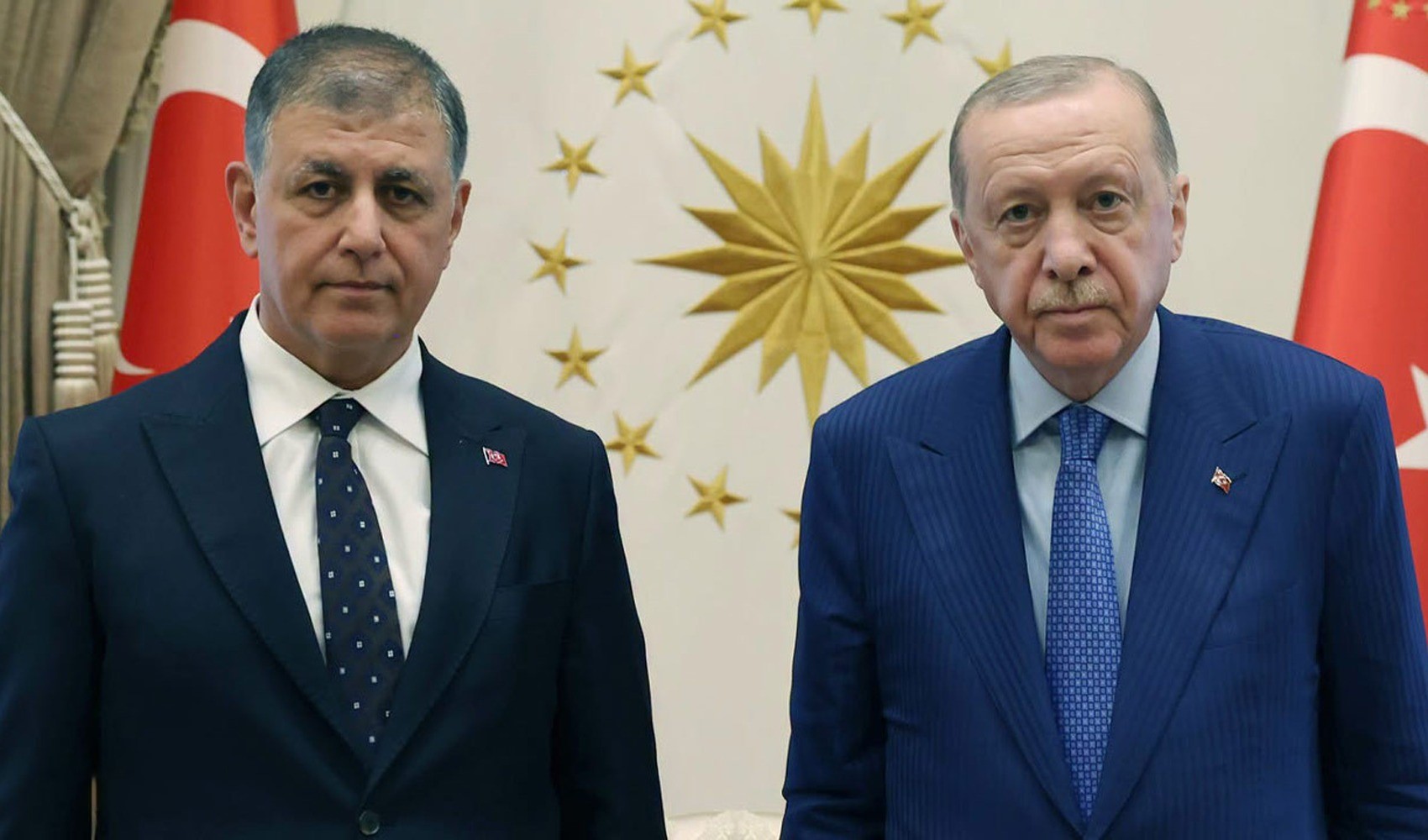
Cemil Tugay, rumored to be joining the AKP, breaks his silence!

Arrest request for Yasin Kol
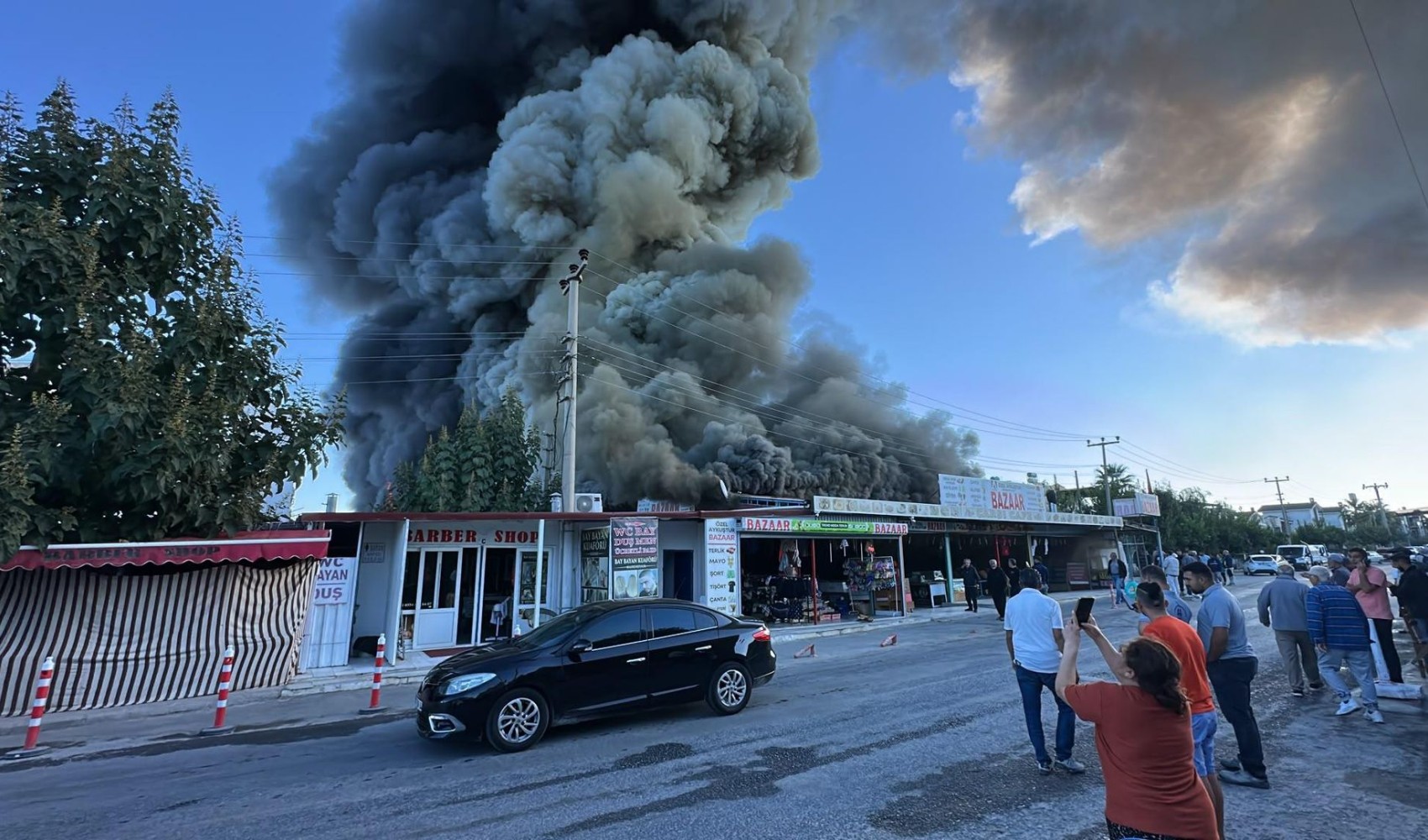
Fire at market in Kuşadası spreads to businesses
Public transport in Istanbul is free tomorrow

Will the fund scandal shake the government?

Lightbulbs and moths

Identity politics, being a citizen, and becoming a nation
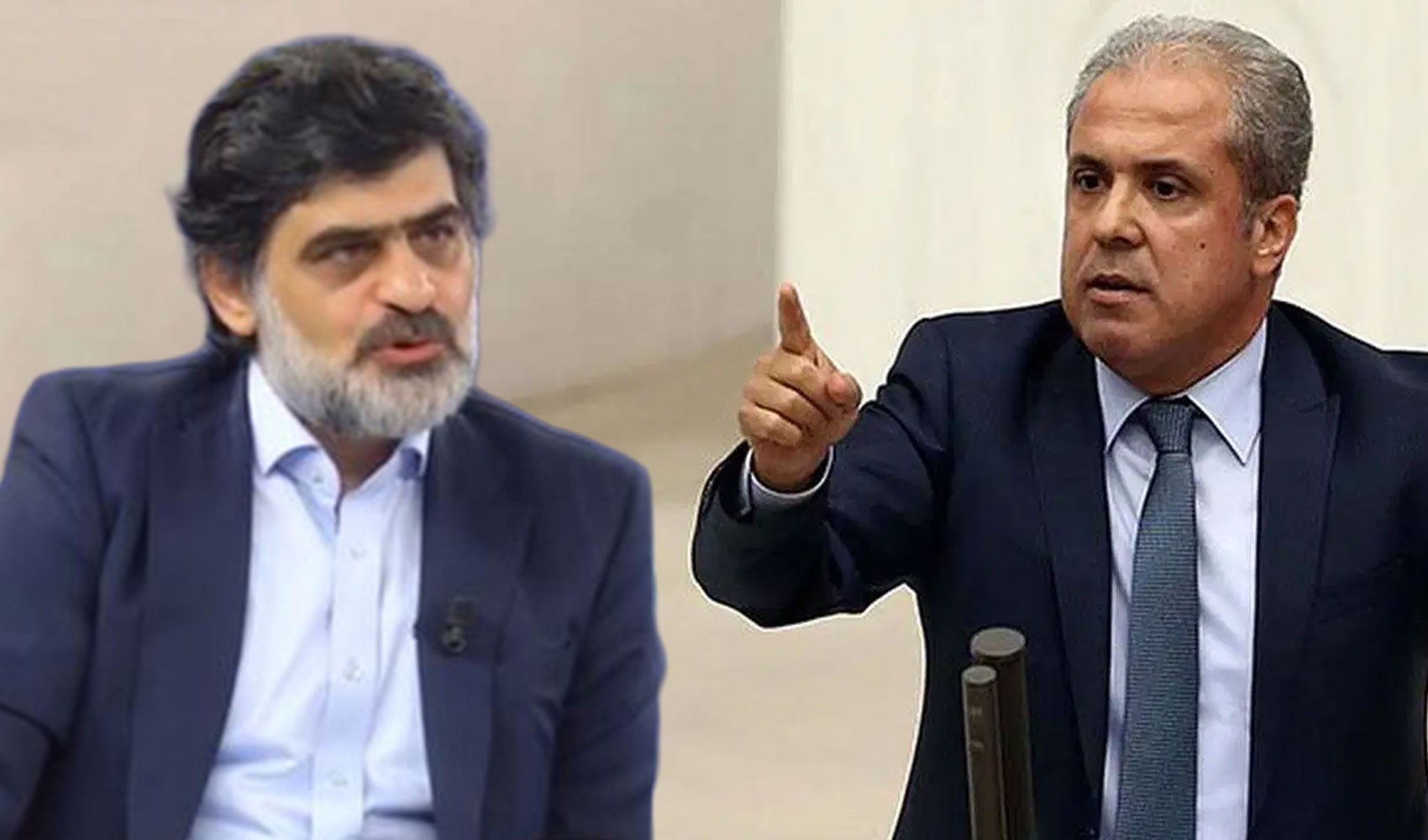
Şamil Tayyar's stinging response to Yeni Akit columnist in 'fund' debate

A poor streak for the National Team after 38 years

Are we going to miss the artificial intelligence train too?