



Unlike many of my other foreign friends whose physical features clearly indicate they are not Turkish, I do not experience this issue. Because my physical features resemble those of Turks, it is harder for people in Turkey to realize that I am a foreigner. However, when I start speaking, I can notice the spark in the interlocutor's eyes and how their gaze suddenly becomes curious. This is where the questions that often cause me great distress begin. For this reason, I felt the need to write this explanatory article to provide comprehensive answers to the questions Turks have about what kind of country the Republic of Moldova is, who Moldovans are, and what language they speak.
When I am asked where I am from or which country I come from, I say with a polite and calm smile that I am Moldovan and that I come from the Republic of Moldova. I can see that most Turks immediately try to imagine Moldova on the world map, and some confuse it with the Maldives. However, other Turks seem to be asking themselves suspiciously: "Where could this country be? I can't quite remember." Immediately after, the following question is asked automatically:
"So, are you Russian?"
"No. I am not Russian," I reply, and I notice my interlocutor raising an eyebrow in surprise.
"But you speak Russian, right?"
"Yes, I do, but it is not my native language," I answer, and I notice both of their eyebrows rising. I can clearly see how confused, surprised, and astonished the person I am talking to is.
"Then what is your native language?"
"My native language is Romanian," and with this answer, I notice how my interlocutor's head becomes completely confused.
"Hmmm, but you speak Turkish very well. You must be of Gagauz origin" (Gagauz are ethnic Turks of Orthodox Christian origin living in Moldova).
"No, I am not Gagauz. I learned Turkish in Turkey!" I say.
I admit it is a confusing situation. So, let's move on to the explanation.
Throughout history, Turks have had relations with Moldova at various times. For the first time, at the end of the 14th century and the beginning of the 15th century, the Ottoman Empire established its dominance over the voivodeships of Wallachia and Moldavia, known as the Romanian principalities. Moldova, known as Bogdan in Ottoman toponymy, was a subject of the Ottoman Empire for nearly 300 years. Following the Russo-Ottoman wars, the Ottoman Empire ceded the region between the Prut and Dniester rivers, which the Russians called Bessarabia, to Tsarist Russia in 1812.
The second time Turks encountered Moldova was during the collapse of the USSR, when the impoverished Moldovan population had to leave their country and families to find a source of income. The 90s were years of suitcase trade, as well as years when many girls and women fell into the traps of human traffickers, were forced into prostitution, begged, or were victims of organ trafficking. At that time, many Turks might have thought that the USSR was a single country. For this reason, all USSR citizens were considered Russian because everyone could speak Russian thanks to an intense Russification process that had taken place previously. The fact that Moldovans can still speak Russian in addition to their own native language (like other nations in the former Soviet region) misleads most Turks.
Turks heard about Moldova for the third time in 2014, during the "Theft of the Century," the biggest robbery in the history of the Republic of Moldova, when one billion dollars were stolen from three banks.
The year Turks and the whole world heard about Moldova for the fourth time is 2022, when the war between Russia and Ukraine began. Then everyone learned where Moldova is these days and what the Transnistria frozen conflict means.
The Republic of Moldova, as a country, has never been governed by politicians who cared about the welfare of the people. Most politicians only thought of their own pockets. The state's internal policy is always shaped by foreign policy and geopolitical factors. Moldova appears to be a country managed from the outside through pro-eastern or pro-western parties. While "East" and "West" fought over this piece of land, it was the citizens of Moldova who suffered the most. Although Moldovans chose to go to countries like Russia, Turkey, and Greece in the 90s, the liberalized visa regime allowed Moldovans to go to European countries to work or study. Thus, the Republic of Moldova has lost 40 percent of its population in the last 30 years. Only 2.6 million of the 4 million 335 thousand people living in Moldova in the early 90s remained in the country.
According to the Constitution, the state language of the Republic of Moldova is Romanian, and the state recognizes and protects the right to preserve, develop, and use the Russian language and other languages spoken on the country's territory. For political reasons, the Romanian language was called “Moldovan” for many years in a row. The phrase “Moldovan language” is a political invention. From a linguistic point of view, the so-called “Moldovan” language has no difference from the Romanian spoken in Romania. Those who do not believe this or deny it can cross to the west (to Romania) and see it with their own eyes or hear it with their own ears. Left or right-wing parties have always used the issue of the language spoken on Moldovan territory for their political interests.
Since I came to Turkey, I have noticed that although Moldova is not very far from Turkey, Turks know very little that is true about Moldova. As you know, the historical flow of the Black Sea region is very complex.
If I have been able to provide some information about Moldova with this article, I am happy.
Most Read
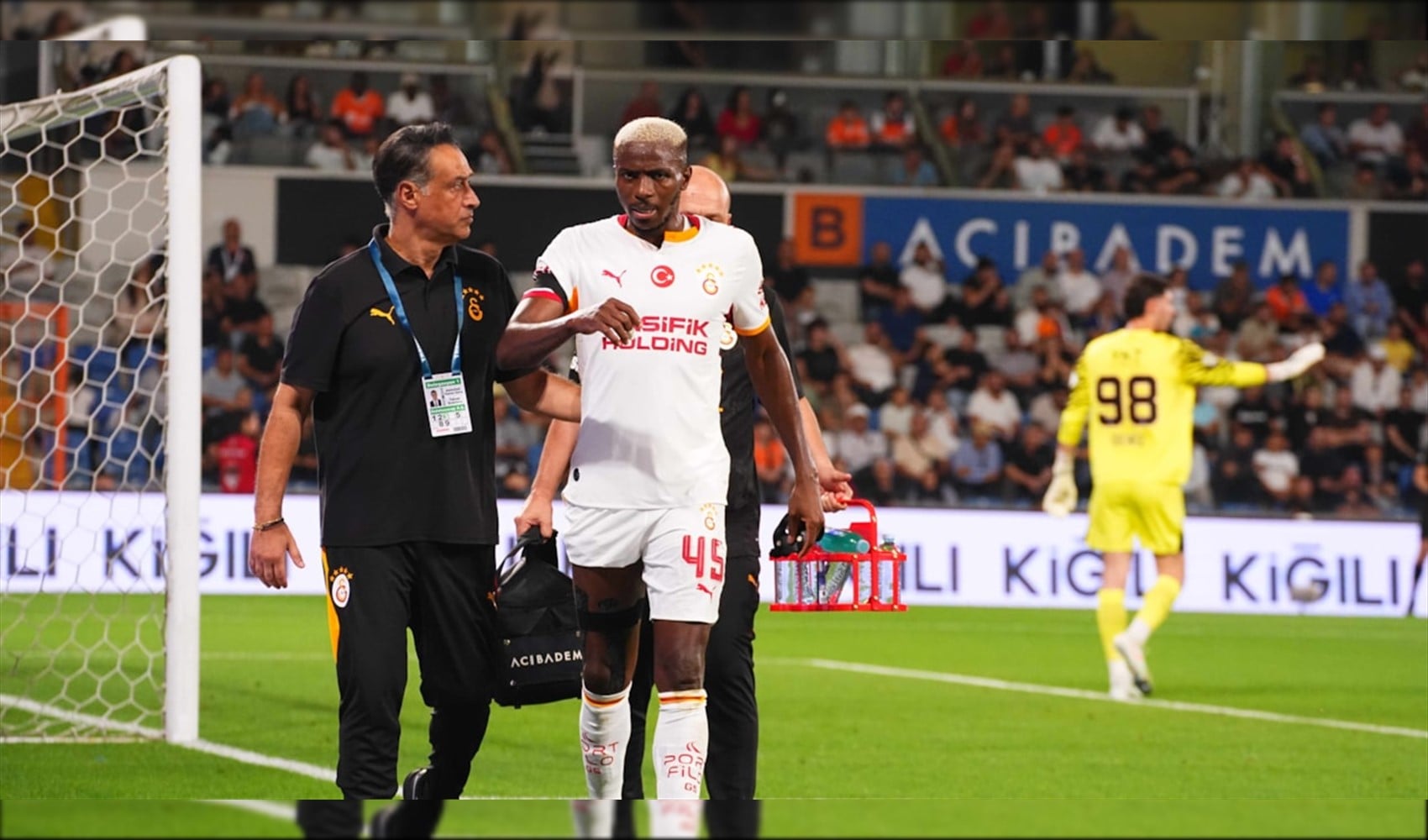
Galatasaray announces injury updates for Osimhen, Lemina, and Singo

Attention online sellers: Tax monitoring expanded
VAR for the Fenerbahçe-Beşiktaş derby has been announced!
Bridges and highways are being privatized: 15 July and FSM are also on the list

Peugeot September 2026 price list is out
New details emerge in 'panel' operation targeting lawyers
Gökçek era detail in ABB investigation
First statement from Osimhen after injury in Başakşehir match
Özlem Şanver: 'He said he would change, I believed him; should I be beaten just because I didn't leave?'
Rules are changing in Schengen