
A new phase is beginning in Schengen border controls that concerns millions of travelers heading to Europe. The temporary facilitations granted during the summer months for the EES system, which began to be implemented gradually in October 2025 and was fully activated on April 10, 2026, are expected to end as of September 6.
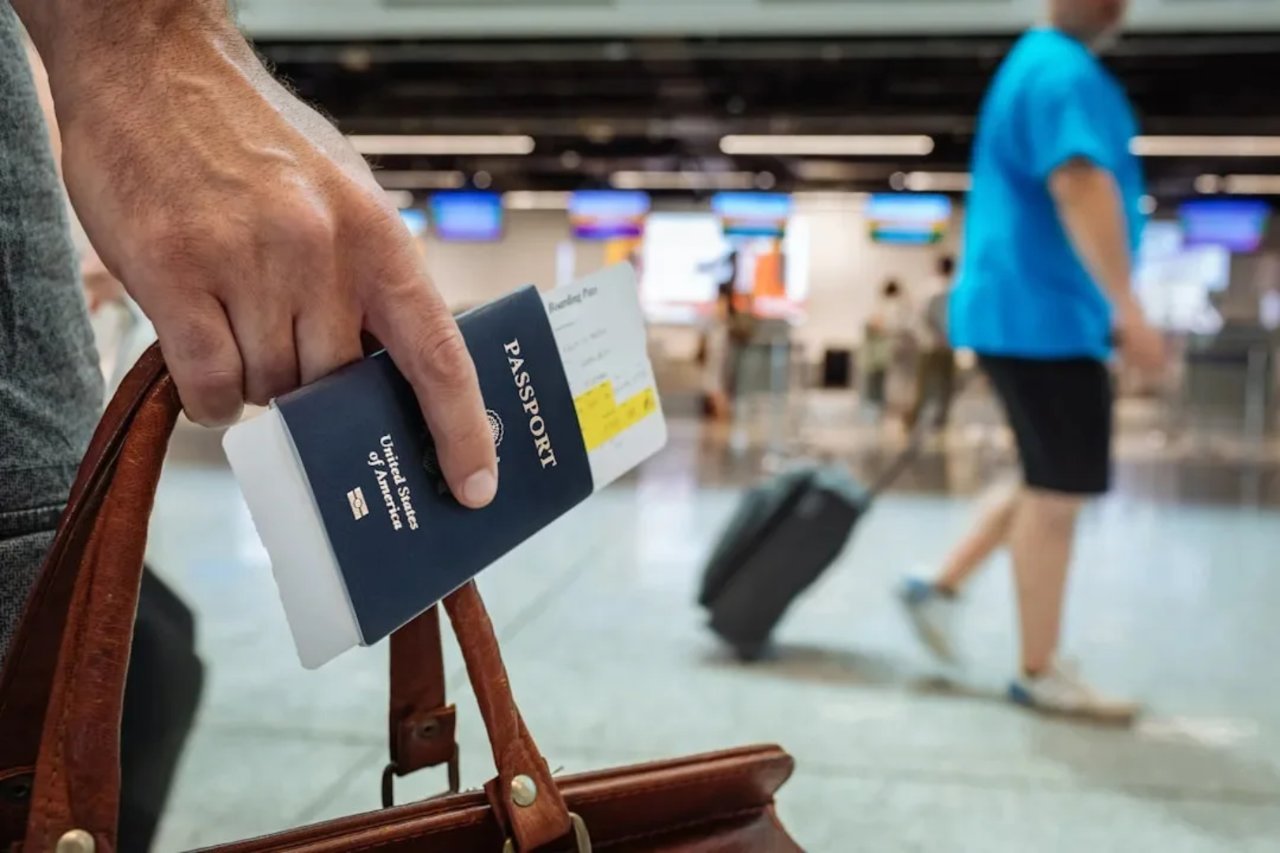
During the summer period, member countries were given the opportunity to temporarily stop collecting biometric data at some border points if congestion reached unacceptable levels. With the removal of this flexibility, the room for maneuver for border officials will narrow in checks that use data such as fingerprints and facial images for short-term visitors from outside the EU.
FLEXIBILITY ENDS ON SEPTEMBER 6

While the European Commission announced that the system generally worked well throughout the summer, it noted that discussions with some member countries regarding the implementation are ongoing. The travel industry, however, warns that the removal of flexibility could increase waiting times again, especially at busy airports.
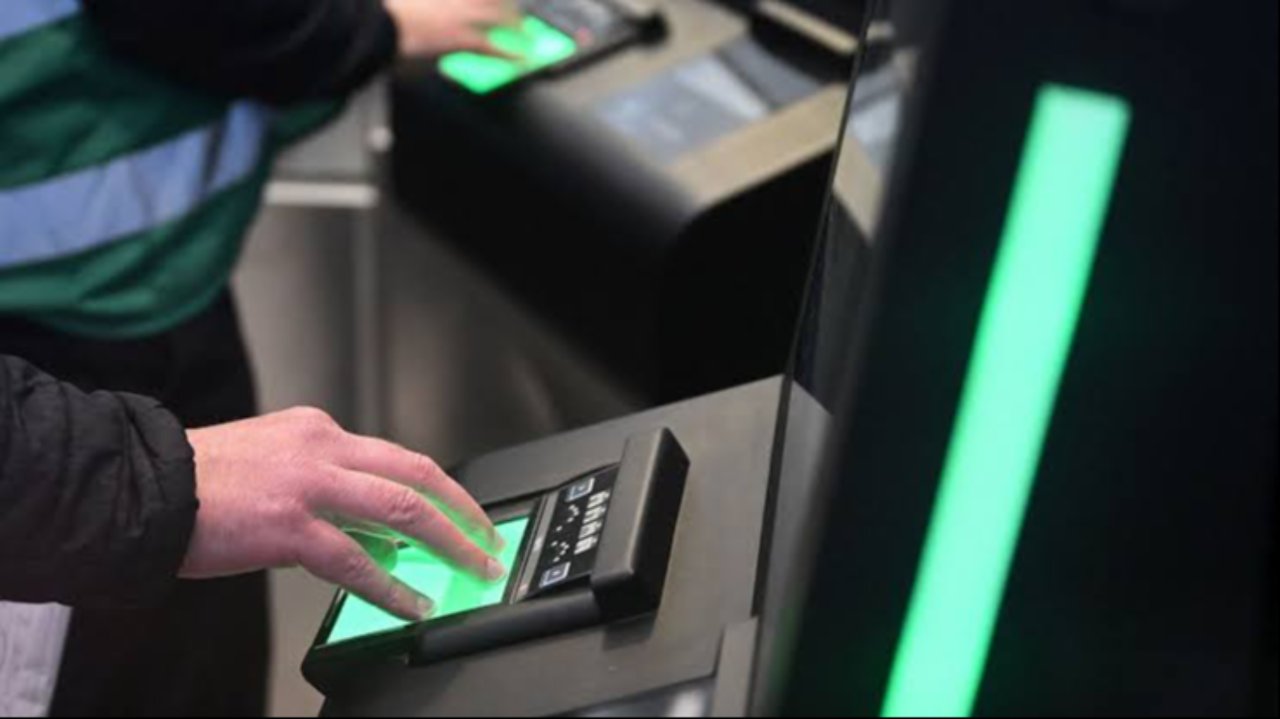
With the EES, the passport information, entry-exit dates, and biometric data of short-term non-EU visitors entering and exiting the external borders of the Schengen Area are recorded electronically. The system aims to electronically monitor the 90-day/180-day rule in Schengen and automatically detect passengers who exceed the permitted length of stay.
With the digital registration system, the practice of manually stamping passports has been replaced by electronic tracking. This change means that passengers will undergo more comprehensive data checks at border crossings.
WARNING FOR WAITING TIMES
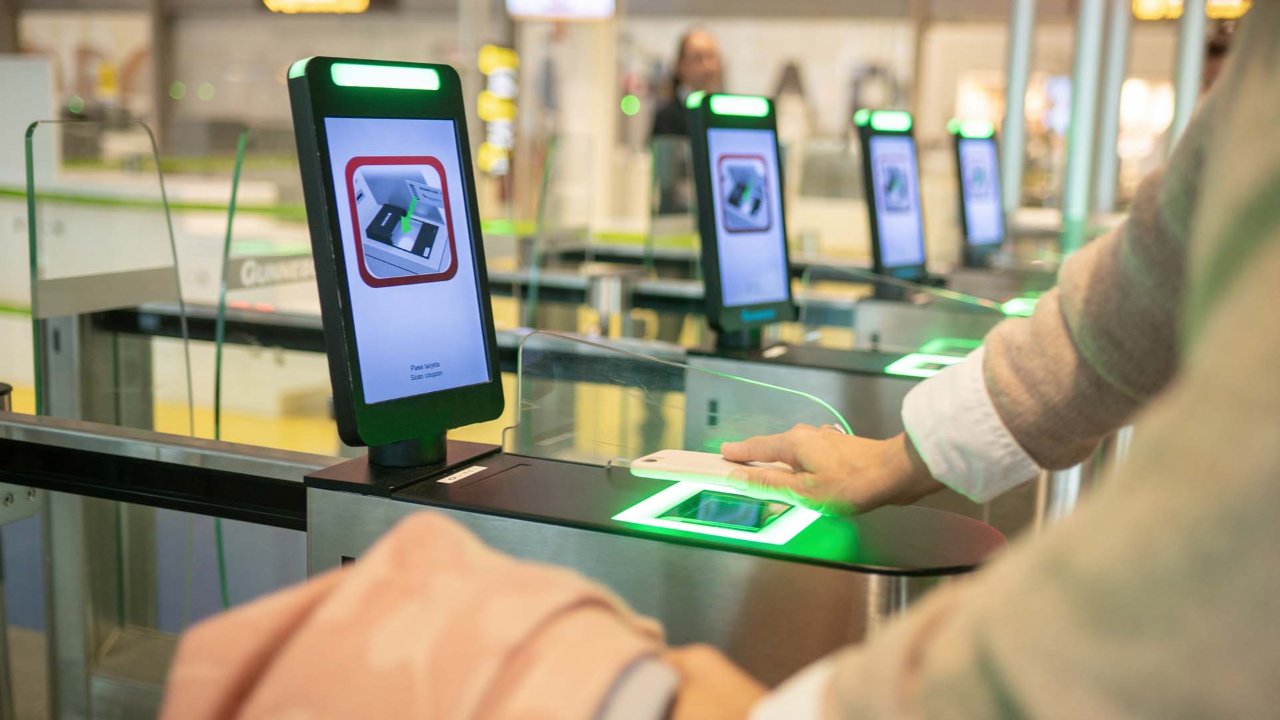
According to data shared by the International Air Transport Association (IATA), standard passport control, which previously took about 20-25 seconds, can extend up to approximately 90 seconds under the EES. For this reason, it is estimated that longer queues may form at border gates, especially during peak hours.

According to research by the Financial Times and travel analysis group Qsensor, the average waiting time at Frankfurt Airport reached 120 minutes in July. In the same period last year, this time was at the 60-minute level. It was reported that the 31-minute waiting time in Munich increased to 60 minutes, and the maximum waiting time in Amsterdam rose from 80 minutes to 120 minutes.
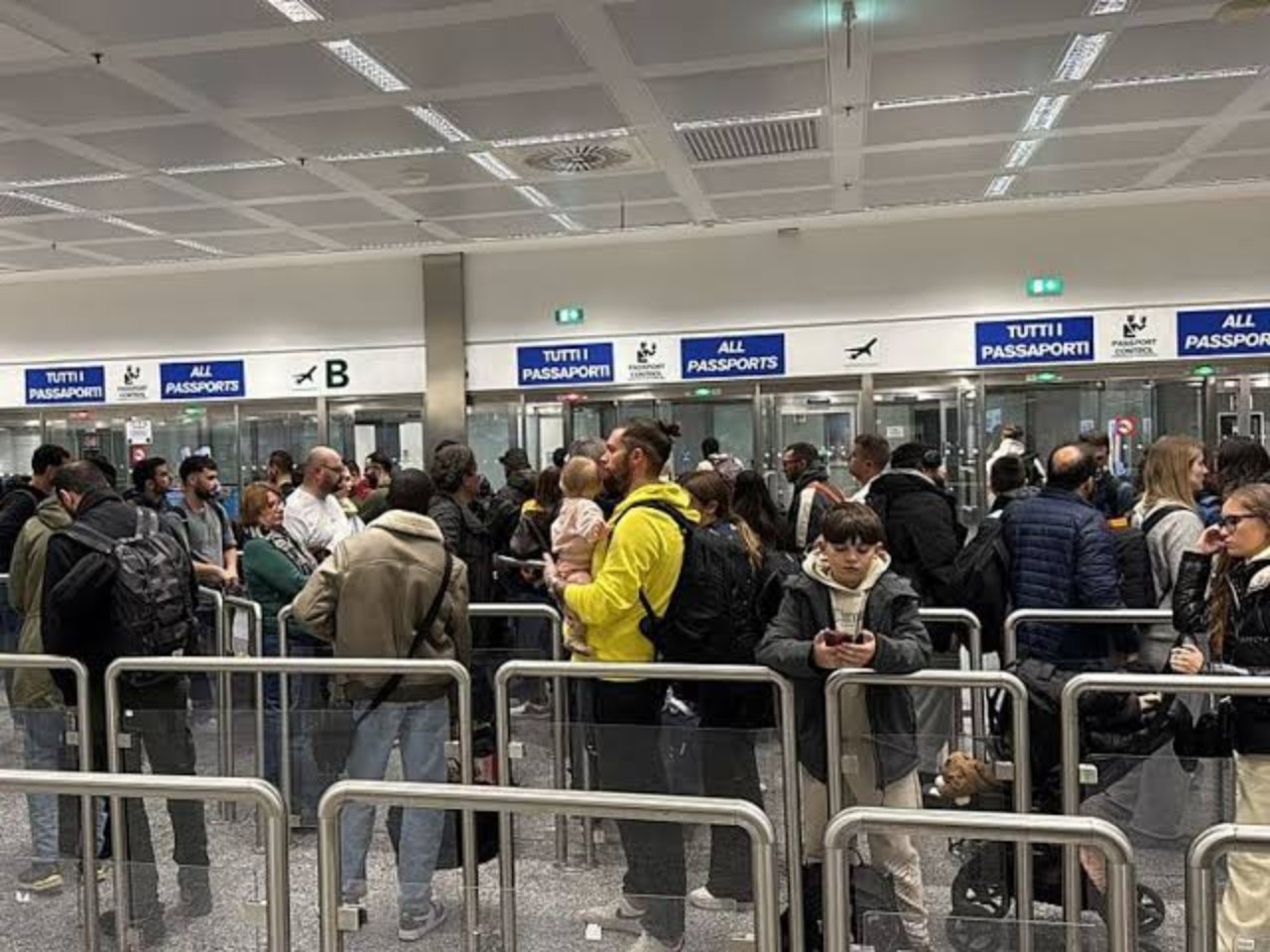
Travel industry representatives advise passengers who will pass through European border control after September 6 to leave wider time intervals in their flight plans. Especially short connection times can become risky due to potential delays at the border.
A connection that looks perfectly reasonable on paper can quickly become problematic if you lose an hour or more at the border.
IATA and travel industry organizations are calling on the European Union to continue the flexibility that allows for the partial suspension of biometric checks in case of congestion even after September 6.
News Source: 12punto