


The hero of the East, the guide for oppressed nations


It is well known to everyone that in the imperial centers of the 19th century, the terms “Eastern Question and Sick Man” referred to the Ottoman Empire. The Ottoman Empire was an intensive care patient, impossible to recover, whose plug was about to be pulled by imperialism. The Eastern Question consisted of discussions and debates centered on how the political geography of the Ottoman Empire would be divided among imperialists and who would receive the lion's share.
Mustafa Kemal was a child of Rumelia who witnessed the loss of a piece of territory in every war, the loading of what remained of a 500-year existence onto oxcarts by those who survived ethnic cleansing, and the hundreds of thousands who perished on the roads of migration. While receiving his education at the Military Middle School in Thessaloniki and the Military High School in Manastir, the Balkans, boiling with imperial provocations, and the defeats suffered would deeply affect his inner world. His years at the War Academy in Istanbul would lead the brilliant cadet of a crumbling empire to seek the reasons for the defeat and collapse, and the remedies for salvation.
The events that the Staff Captain, who graduated from the War Academy in 1902 and the Military Academy in 1905, witnessed in his first post in Damascus, both in his unit and in the surrounding area, would leave a mark on his memory as impressive reflections of an empire slipping away and social collapse. The loss of Tripolitania (Libya) in 1911, the Balkan Defeat of 1912-1913, and the defeat in the 1st World War (1914-1918), into which we were dragged before the shock of the loss of Rumelia could be overcome, would not only bring the end of the Ottoman Empire but would also leave the Turks facing the prospect of becoming homeless with the loss of their lands in Thrace and Anatolia.
In this environment, where the public was told that everything was lost, that resistance was impossible and meaningless, and that there was no choice left but to seek refuge in the mercy of the imperialists, the “Blonde Wolf”, whom the British called the “Man of Destiny”, was saying very different things. He spoke of resisting imperialism and of the people listening to Ankara instead of the capitulationist Armistice governments. The fact that a new parliament opened and began working in Ankara, in the middle of the Anatolian steppe, just 1 month and 1 week after the last Ottoman Parliament was raided and dissolved (March 16, 1920), and that it challenged not only the occupiers but also the Damat Ferit government, showed that the Blonde Wolf was not speaking in vain!
Although the War of Independence (1919-1922) was fought against the occupiers in Anatolia and their supporters, in one respect, it was a proxy war fought against imperialism on behalf of oppressed nations. For this reason, the oppressed nations of Asia and Africa would salute Mustafa Kemal as the “Hero of the East”; they would say, “He emerged from within the Turkish nation, but he is also our hero and our guide!”
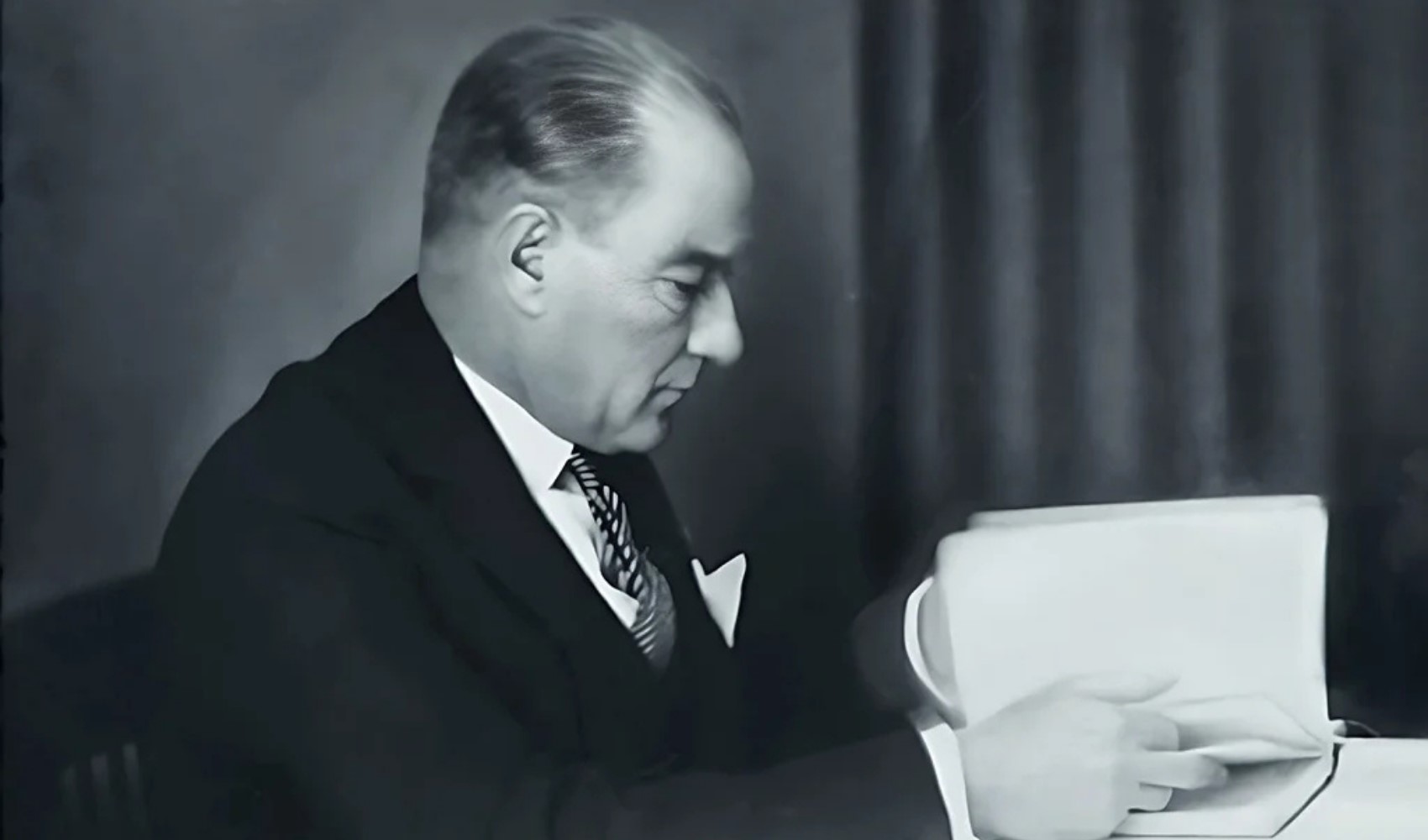
With respect and mercy on the 88th anniversary of the passing of the symbol of the uprising of oppressed nations against imperialism, the leader of liberation and foundation, the architect and implementer of the October 23, 1923 architecture, the unitary structure of the nation-state, Turkish modernization, Turkish nation-building, and Turkish contemporary civilization, the Hero of the East, Mustafa Kemal Atatürk.
Would you like to get notifications about new developments and save news?
- NotificationsNew developments and breaking news
- SaveNews is stored in the app
Most Read
Haluk Bilginer's controversial 'Turkey cinema' correction

Bitcoin remains below the $75,000 threshold
New statement from President Erdoğan on the 'fund investigation'
Emir Sarıgül, released under house arrest, defies his father

A statement from Özge Borak about Ata Demirer years later
Journalist close to the government reveals the figure being discussed for the lowest pension!
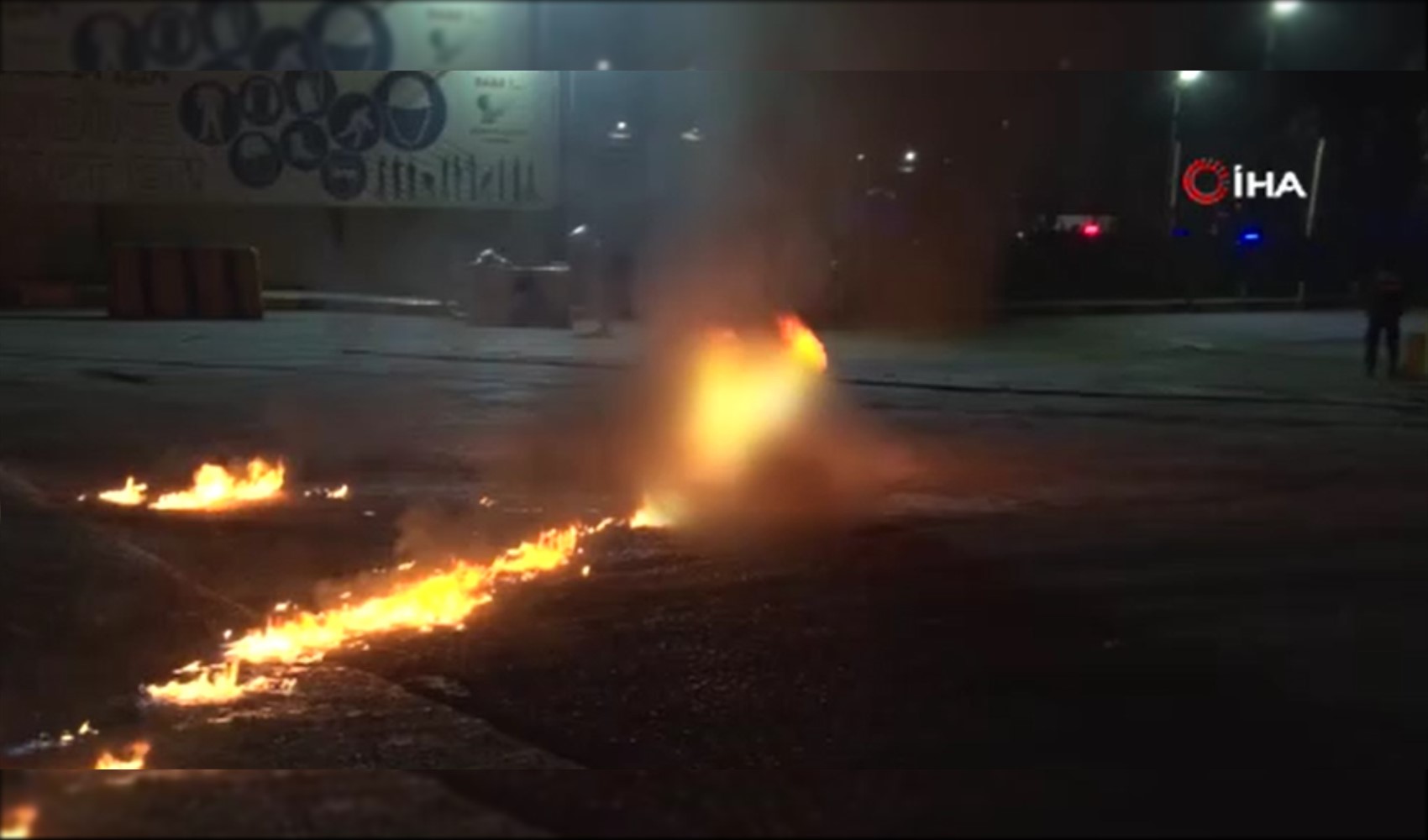
A person set themselves on fire at the factory where an explosion occurred in İzmir

On Trump's defeat
The hero of the East, the guide for oppressed nations

Chrysanthemums