



In a statement he made after founding the Republic, Atatürk underlined a truth when he said, "I kept the Republic like a national secret in my conscience." The great leader often felt a great sense of loneliness on the path he walked while bringing his greatest work to life. It is a known fact that a significant portion of his closest colleagues, fellow travelers, and the heroes cited among the founding fathers of our state had difficulty understanding Atatürk and keeping up with the foresight of the great savior that went beyond their horizons. Indeed, this situation would become even more apparent after the War of Independence and in the revolutionary steps taken in the aftermath of the Republic.
We know that when Gazi Mustafa Kemal Atatürk launched the War of Independence by landing in Samsun on May 19, 1919, his goal was to establish a "fully independent, secular, and modern Republic based on national sovereignty." This goal was a very ambitious one, and in the end, it produced very important results not only for our country and nation, but specifically for our region, generally for the world, and on an ideological plane, for all oppressed nations. Atatürk's genius and foresight, his perseverance and determination, his difference in method, scope, and purpose, and his strategy of combining the War of Independence with the Enlightenment Revolution laid the foundations of a modern state.
The breakthroughs of the Republican Revolution, which began with the War of Independence on May 19, 1919, became institutionalized with the opening of the Grand National Assembly of Turkey (TBMM) on April 23, 1920, and were named and institutionalized with the proclamation of the Republic on October 29, 1923, reached their peak during Atatürk's lifetime. During this process, as the nation-state was being established and strengthened, the Turkish people became a nation while becoming a state, and became a state while becoming a nation.
When the route followed by Mustafa Kemal Pasha after landing in Samsun is examined, it is seen that this route also overlaps with Mustafa Kemal's political orientation. This overlap also includes strategic, ideological, and military dimensions. Because Mustafa Kemal Pasha knew that in order to fight against imperialism in the western parts of Anatolia, it was necessary to be strong in the East.
He turns his front to the West, leans his back against the East, and takes Anatolia behind him. This is a very major move, and the alliance to be established with the Soviet Union shortly after the start of the War of Independence would complete this choice in the diplomatic field as well.
As a very successful commander, Atatürk was aware that a mistake made in the buildup could not be compensated for. He knew that an attack made without sufficient preparation, without gathering forces, and without possessing the necessary means and capabilities was doomed to failure. For this reason, he gathered the resistance movements that started all over the country and the organized patriotic structures under a single roof at the Sivas Congress: the Society for the Defense of Rights of Anatolia and Rumelia. In this way, he added great strength to the national and sacred struggle, gained momentum, expanded its social base, and ensured its legitimacy.
On the diplomatic plane, Atatürk took advantage of the contradictions that British imperialism experienced with Italy and France, and deepened the conflict between them. Thanks to this, the maneuverability and effectiveness of the Ankara Government increased even further. On the military plane, superiority was gained against Greece, which was under the guidance of British imperialism. In short, the enemy was isolated in the diplomatic and military fields. While the way was paved for military victories on the road to the Republic, these victories were also used as levers in the diplomatic field.
Most Read
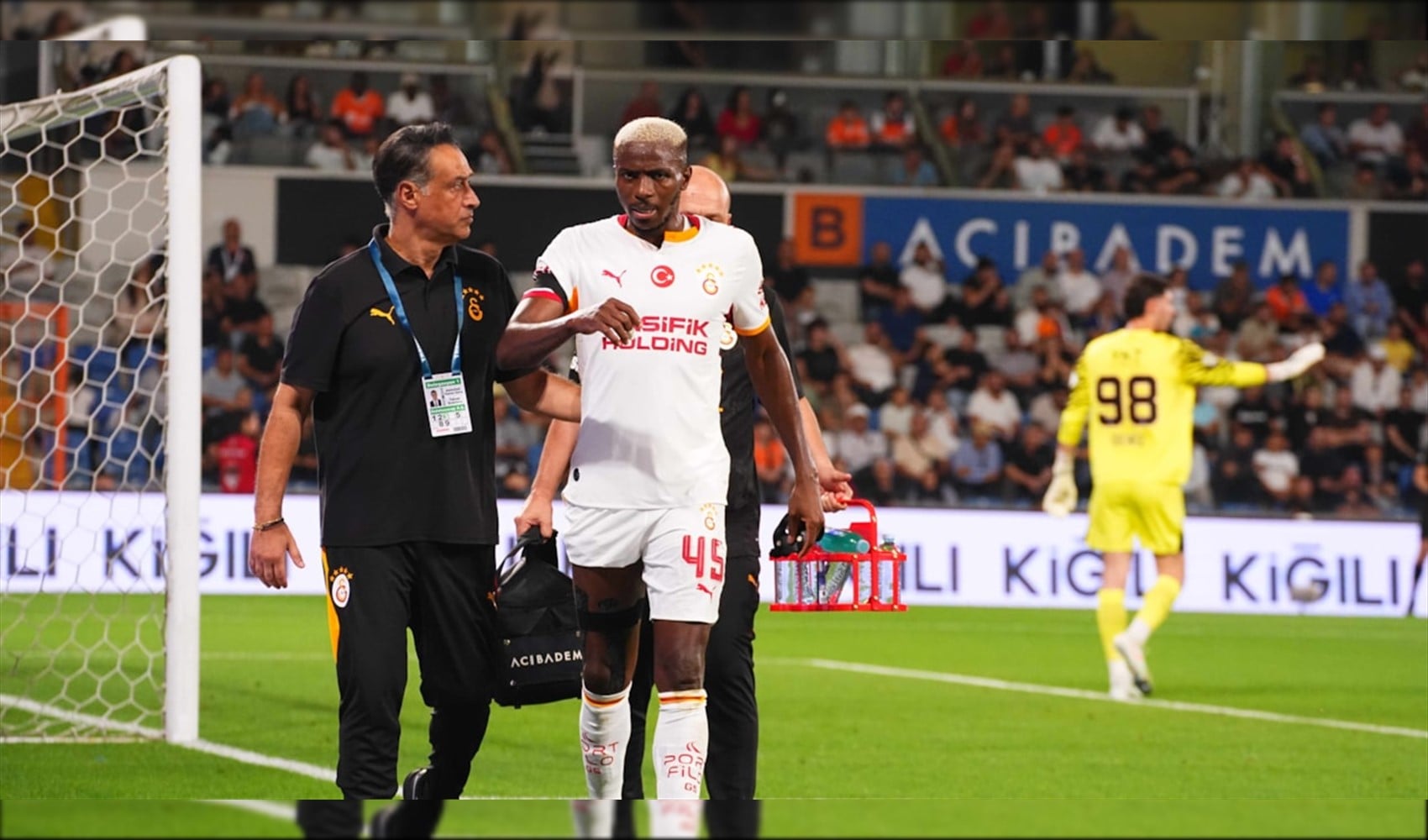
Galatasaray announces injury updates for Osimhen, Lemina, and Singo

Attention online sellers: Tax monitoring expanded
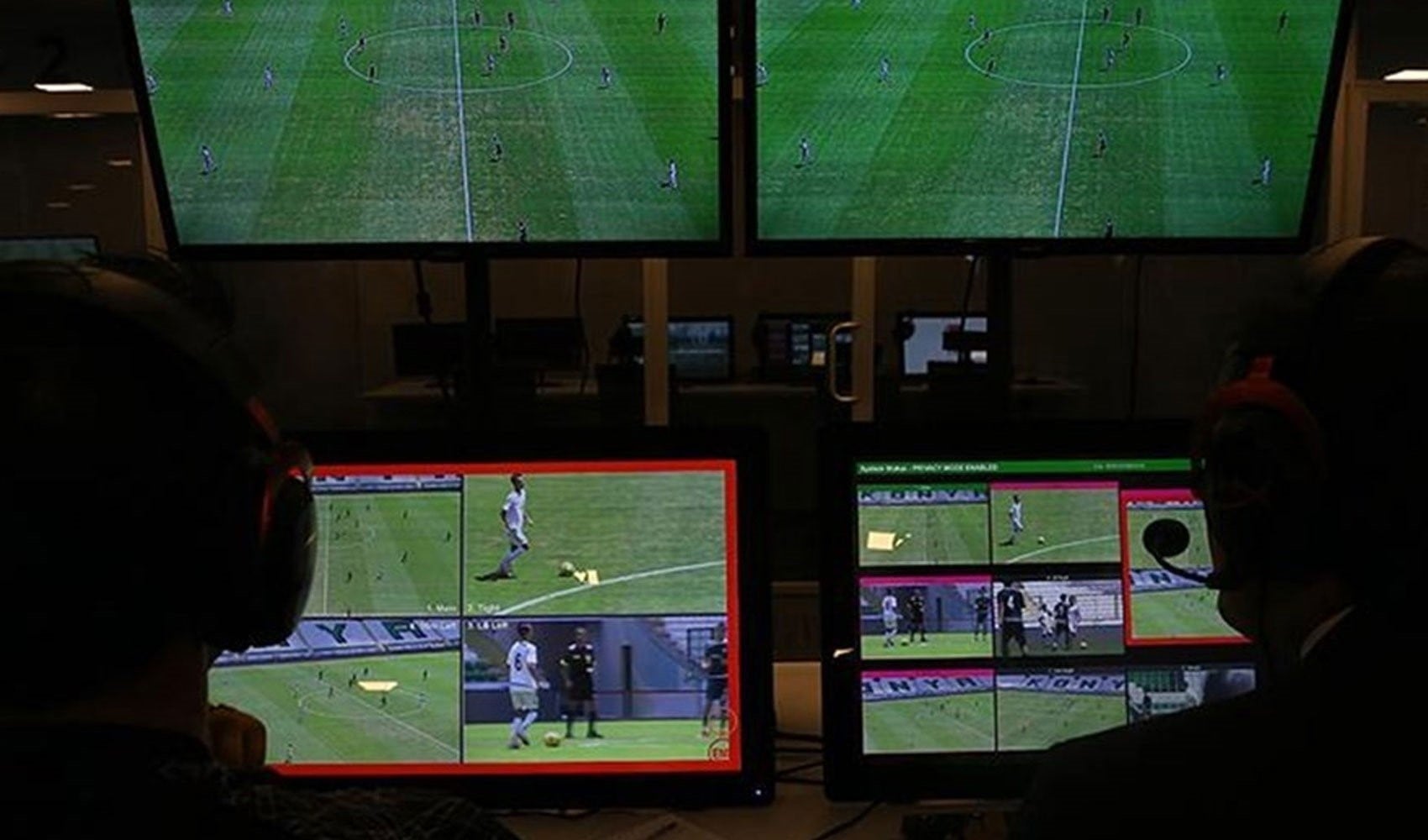
VAR for the Fenerbahçe-Beşiktaş derby has been announced!
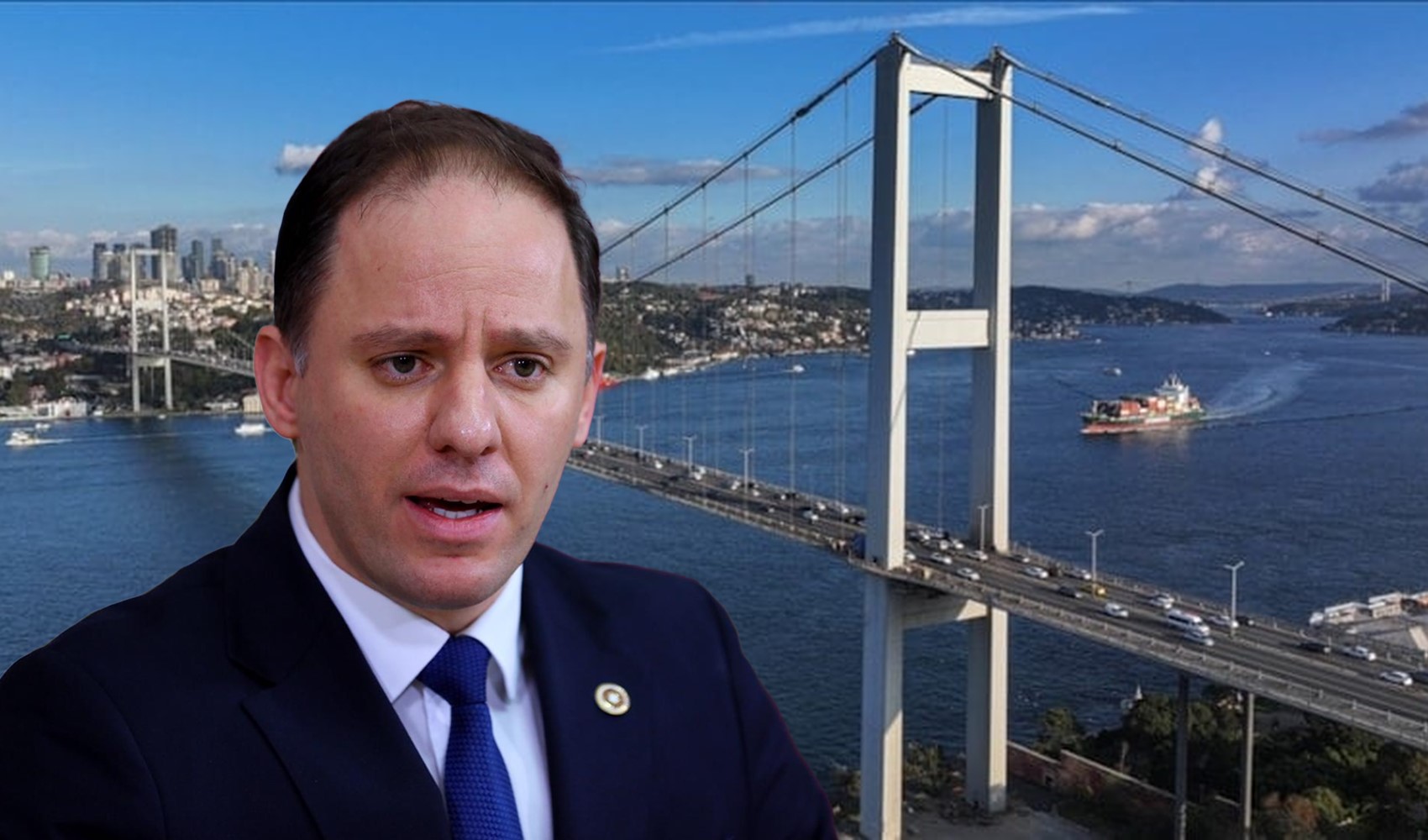
Bridges and highways are being privatized: 15 July and FSM are also on the list

Peugeot September 2026 price list is out
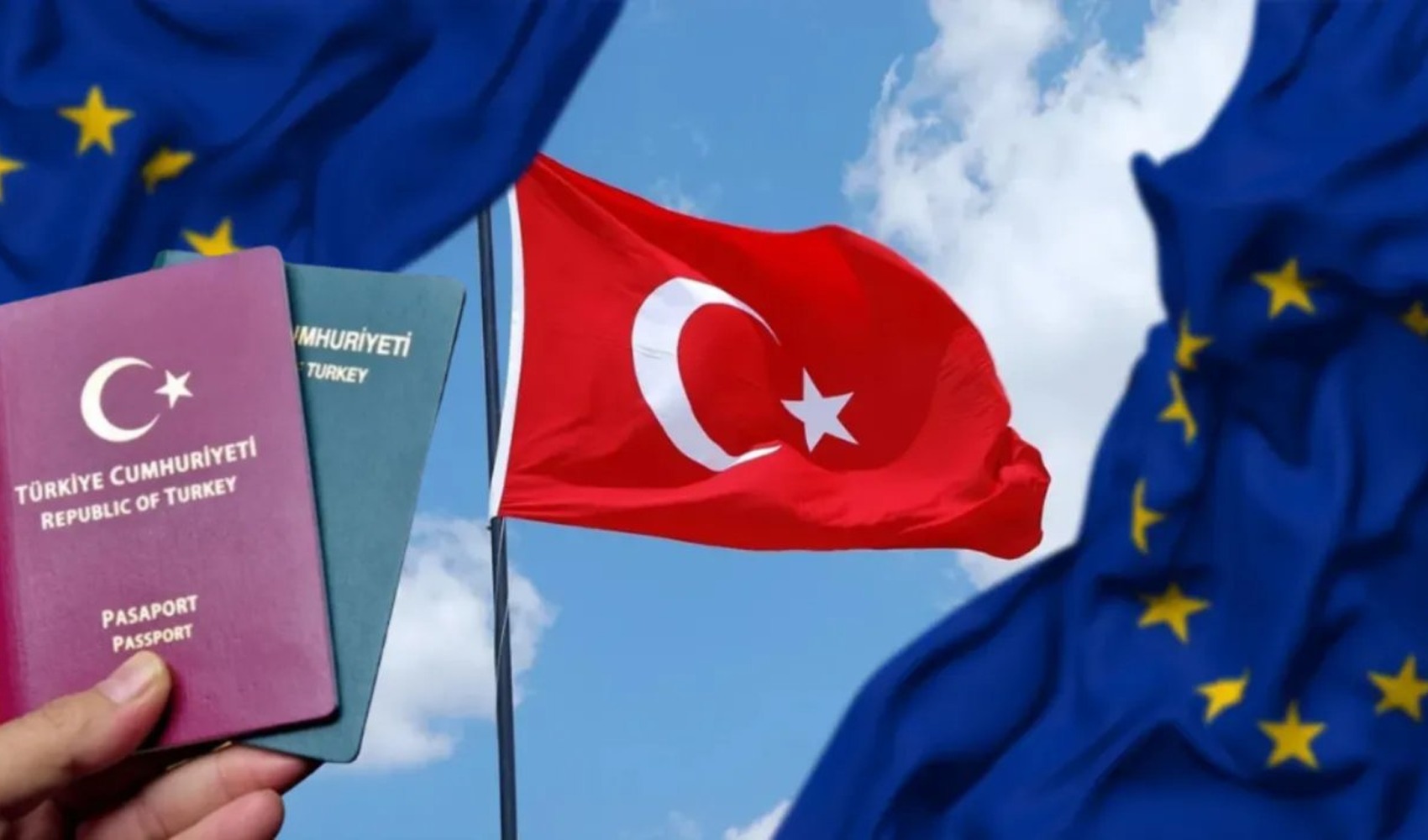
Rules are changing in Schengen

New details emerge in 'panel' operation targeting lawyers
Gökçek era detail in ABB investigation
First statement from Osimhen after injury in Başakşehir match

Özlem Şanver: 'He said he would change, I believed him; should I be beaten just because I didn't leave?'