

38.5% of new music released in July 2026 used artificial intelligence
A study by SubmitHub, which examined more than 1 million tracks, has reignited the debate over the share of artificial intelligence in music production.



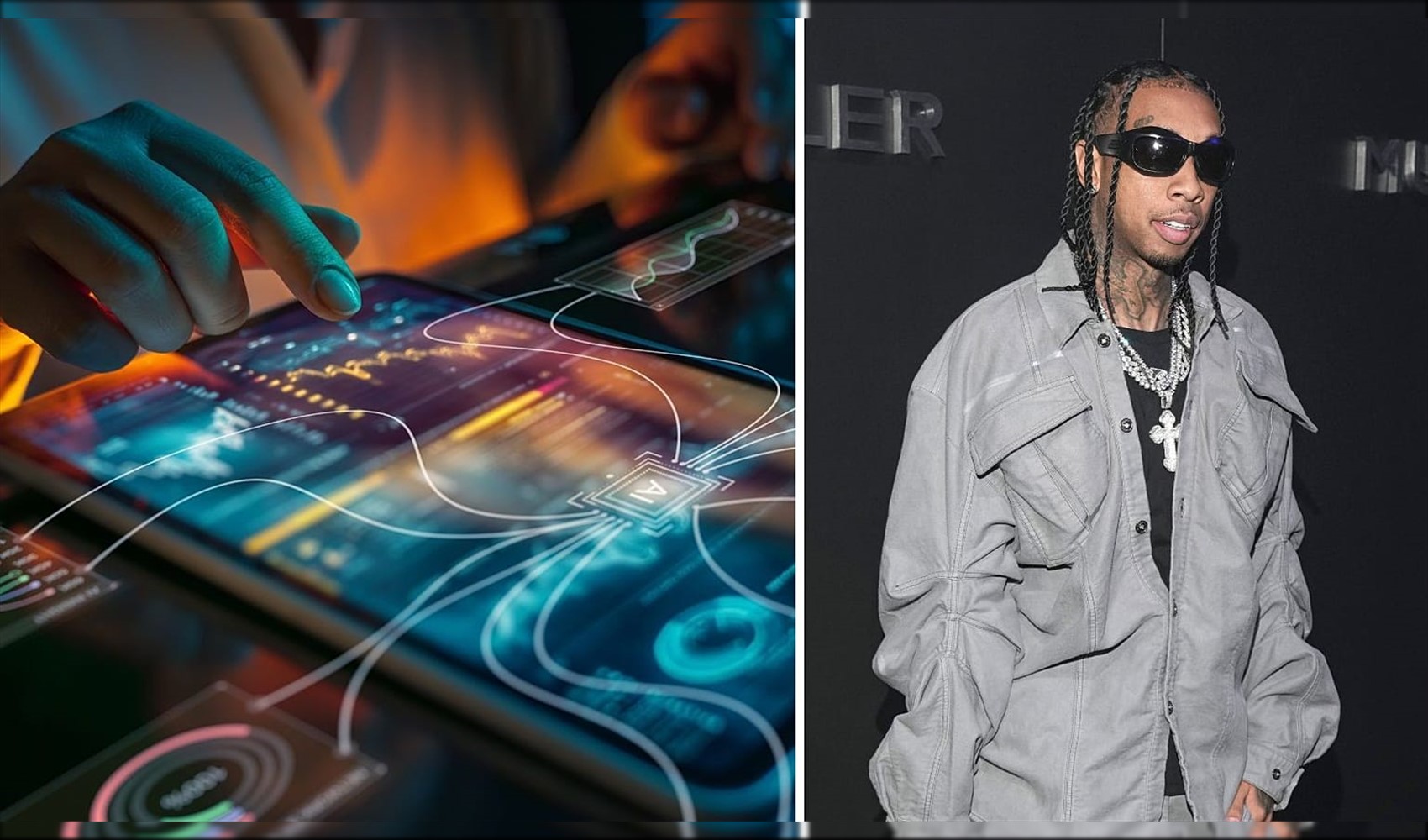
As the use of artificial intelligence in music continues to be debated along the axes of copyright, transparency, and artistic labor, a new study has revealed a striking picture. According to an analysis by the online music submission platform SubmitHub, 38.5% of new music released worldwide in July 2026 utilized artificial intelligence in the production process.
The platform examined more than 1 million tracks with its own AI detection tool, SH Labs. The study determined that 23.2% of the tracks were entirely AI-generated, while 15.3% used AI-sourced audio elements that had been modified or processed by humans.
SubmitHub founder Jason Grishkoff stated that transparency should be at the center of the debate regarding the use of AI in music. Grishkoff said, "I think the way forward for AI music is transparency. People should be able to decide for themselves whether they want to engage with music produced by AI."
Emphasizing that the necessary information must be provided for listeners to make a choice, Grishkoff added, "Our job is to give them enough information to make that choice."
THE SEARCH FOR TRANSPARENCY ON PLATFORMS
SH Labs was launched this year to draw attention to the issue of disclosure regarding the use of AI in music. It is noted that the tool is used by the German performance rights organization GEMA, which has made headlines with its lawsuit against the AI music production platform Suno, as well as by Bandcamp and Traxsource.
The research points to a trend consistent with previously released data on AI content on digital music platforms. In June, Deezer reported that AI songs accounted for more than half of the new tracks uploaded to the platform every day. Another study from 2025 concluded that 97% of people "could not distinguish the difference between real music and AI music."
In the face of this situation, some platforms have begun to take new measures. Bandcamp banned AI-generated music at the beginning of 2026 and announced that it reserves the right to remove content suspected of being produced by AI. Spotify, meanwhile, announced that it will use an "AI Persona" badge on some artist profiles. The implementation is expected to go live in September.
Disagreements continue on the artist front as well. Numerous figures, including Kate Bush and Queen guitarist Brian May, argue that the use of creative works to train generative AI systems without permission poses a serious threat to artists' livelihoods.
In contrast, some musicians openly admit to using AI as part of their production process. Luke Steele of Empire Of The Sun said he uses AI to make music. While Boy George stated that he received help from AI on the track "We Will Dance Again," it was reported that the track in question was removed due to Bandcamp's AI rules.
American rapper Tyga also explained that he used AI as a "tool" on his criticized album "$tarface." Tyga argued that he utilized AI for the retro synth sounds on the album and that this usage was no different from the early days of Auto-Tune.
Music producer Timbaland launching his "A-Pop" defined Stage Zero initiative and signing the AI-created TaTa as his first artist has also been one of the examples that has expanded the dimensions of the debate in the culture industry. The latest research shows that AI-supported music has ceased to be an exceptional experiment and has become a distinct part of the digital music ecosystem.
News Source: 12punto
Most Read

A message of apology from Serkan Bayram to Erdoğan

Striking post from Talisca after leaving Fenerbahçe!

Armed guards with long-barreled weapons protect Osimhen on trip to his hometown

Vahap Seçer's statement process has begun

YENİ Party MP announces the date Cemil Tugay will join the AKP!

Temperatures are dropping, rain and strong winds are coming

Another body recovered from the sunken ship

Oh, what love is this!...

Those in power win, the nation grows poorer

Casino Capitalism 4.0