

New excavations at Göbeklitepe reopen debate on the 'ritual-only center' view
Excavations at Göbeklitepe in Şanlıurfa have brought to light new structures that point to daily life at the 11,000-year-old site.



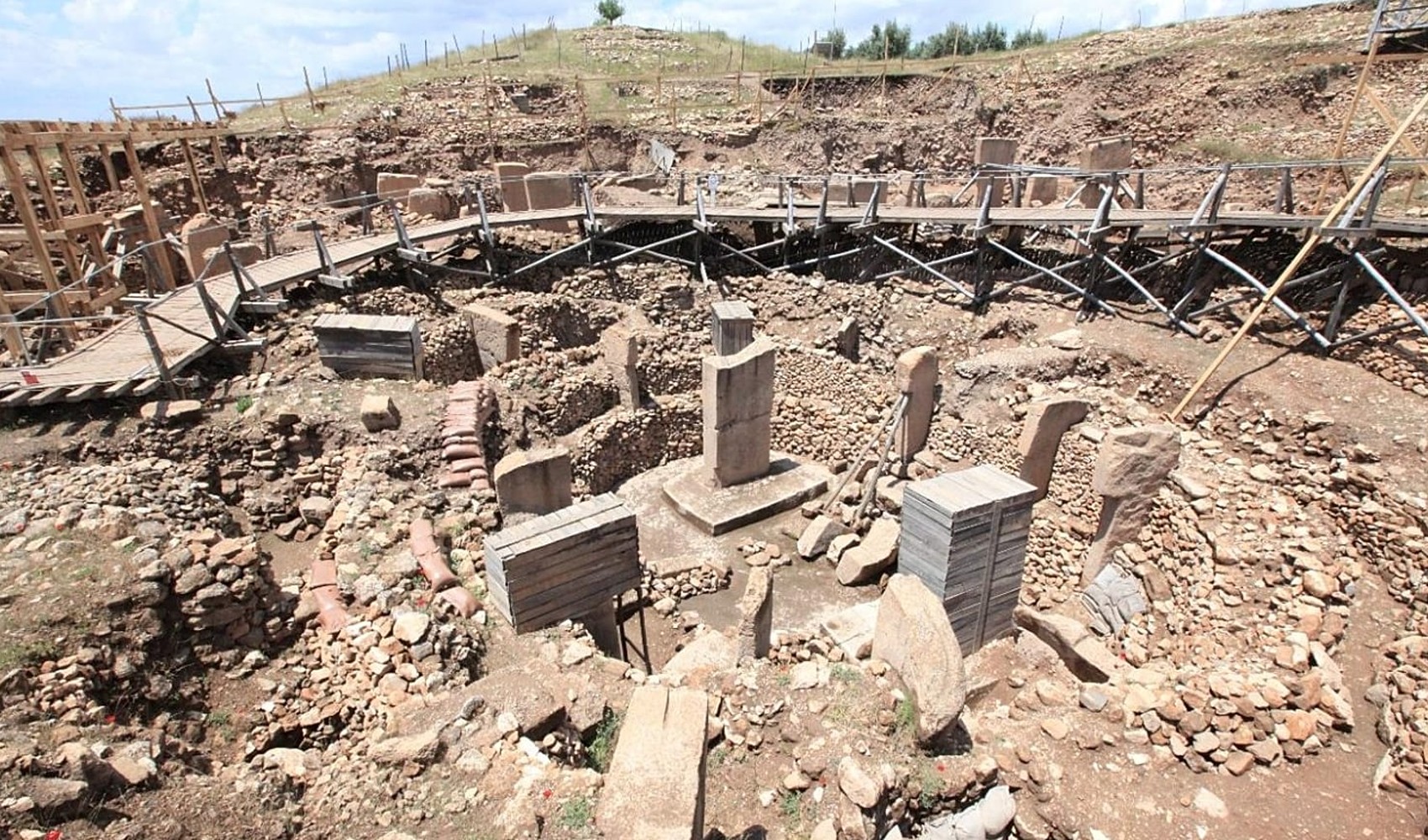
New excavations at Göbeklitepe, considered one of the world's oldest known monumental structures, have brought the approach that the site was an isolated center used solely for ceremonial purposes back into question. Findings from the excavations in Şanlıurfa highlight evidence suggesting that daily life may have also continued at the site during certain periods.
With a history dating back approximately 11,000 years, Göbeklitepe is considered one of the most remarkable archaeological sites of the Neolithic period, featuring carved monoliths reaching 5.5 meters in height and large stone structures. The complex is estimated to have been built in different phases between approximately 9600 and 8200 BC.
TRACES OF SETTLEMENT FUEL THE DEBATE
A portion of the recent work is being carried out in an area of approximately 80 by 70 meters near the monumental structures that have become the symbol of Göbeklitepe. Surface surveys and geomagnetic research conducted in this region indicate the past presence of large, rectangular-planned structures.
The uncovered structures, which are considered to be residential in nature, strengthen the interpretation that Göbeklitepe was not merely a ritual site visited at specific times, but that people may have lived there during at least some phases of its history.
One of the long-standing and influential views regarding Göbeklitepe was that the site was a center where hunter-gatherer communities gathered for ceremonies rather than a permanent settlement. German archaeologist Klaus Schmidt, who began comprehensive excavations in the 1990s, was among the primary figures advocating this interpretation.
According to this approach, the social organization required for the construction of large monumental structures like those at Göbeklitepe may have accelerated the development of agriculture and more complex forms of settlement. New findings, however, add the possibility of settled or semi-settled daily life to this picture, alongside its ritual function.
Factors that complicate the interpretation of the site persist. Despite decades of ongoing excavations, the limited evidence of domesticated plants and animals, and the absence of pottery, keep the debates alive regarding who used Göbeklitepe and how.
Conservation efforts are continuing alongside the excavations. Minister of Culture and Tourism Mehmet Nuri Ersoy announced that surface fragments belonging to a monolith in Structure C have been placed back in their original positions, and that the walls of Structure D and the base connections of the two central monoliths have been reinforced. Steel cable stabilization applications are also being carried out to protect the monoliths against tremors.
The new data does not negate the ceremonial importance of Göbeklitepe. However, it strengthens assessments that the site may not have been just a sacred center visited 11,000 years ago, but also a more complex settlement area that hosted different functions simultaneously.
News Source: 12punto
Most Read

Arrest request for Yasin Kol
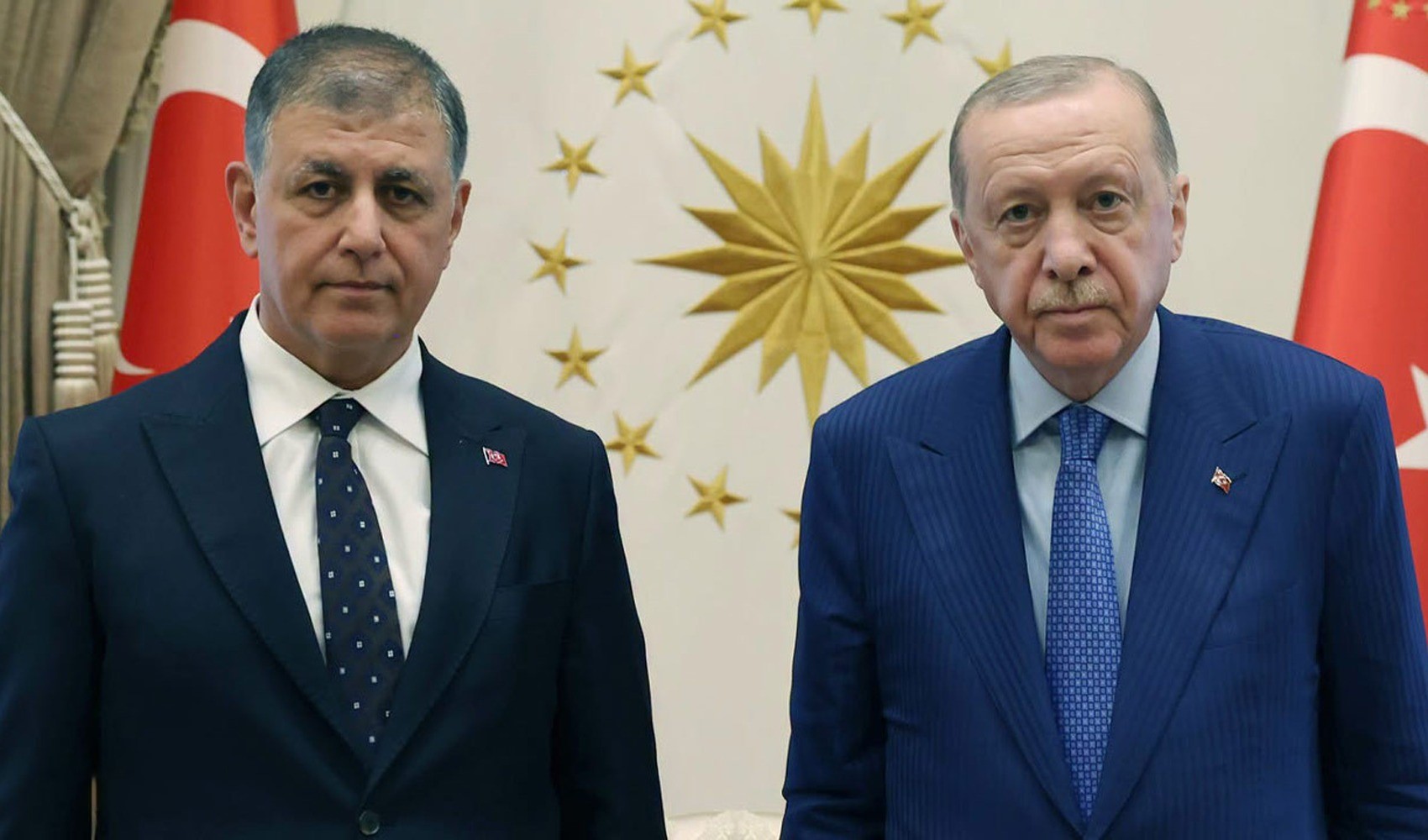
Cemil Tugay, rumored to be joining the AKP, breaks his silence!

135 million TL money traffic in referee Yasin Kol's accounts
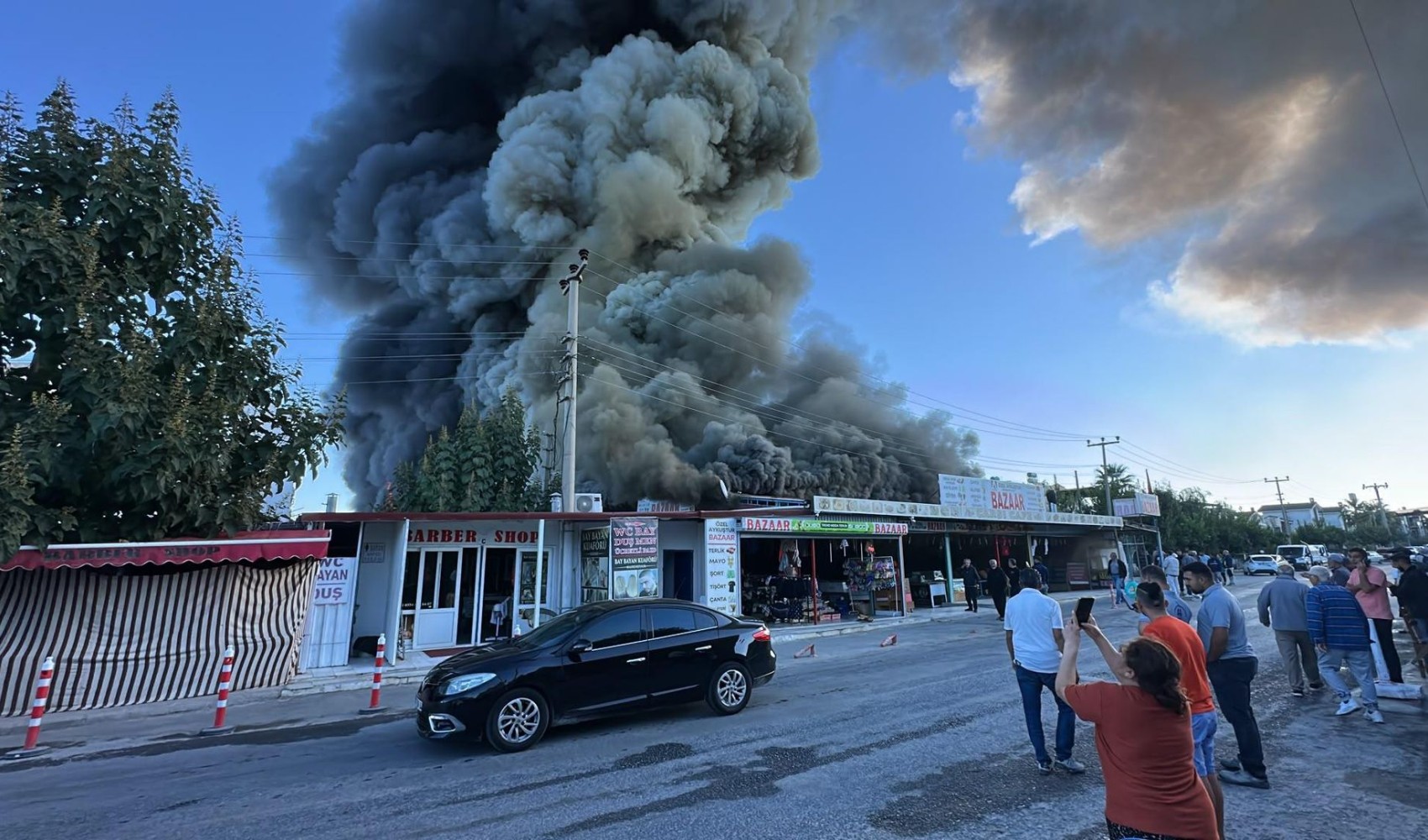
Fire at market in Kuşadası spreads to businesses
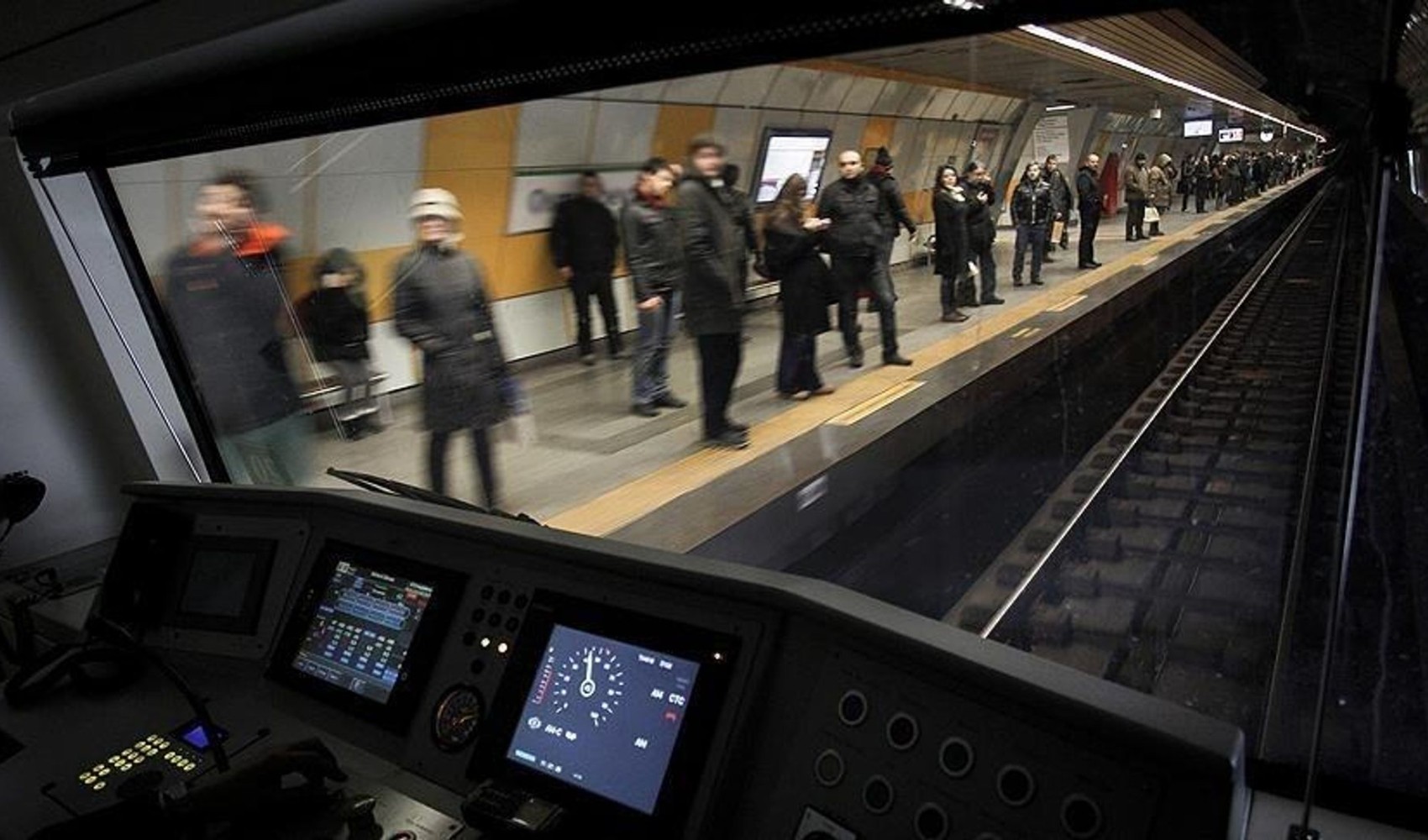
Public transport in Istanbul is free tomorrow
Winners of the 2026 Nobel Prize in Medicine announced
Ata Demirer’s ‘Pervaneler’ hits the set

Release order for Türker Ertürk
Explosive 'VIP list' claim in fund crisis: 26 people under scrutiny
Şamil Tayyar's stinging response to Yeni Akit columnist in 'fund' debate