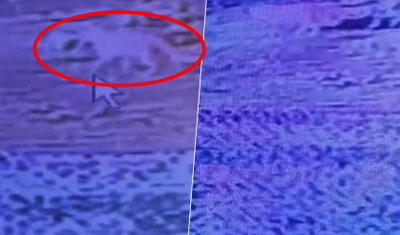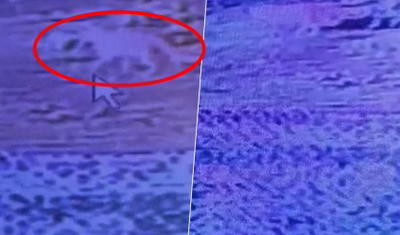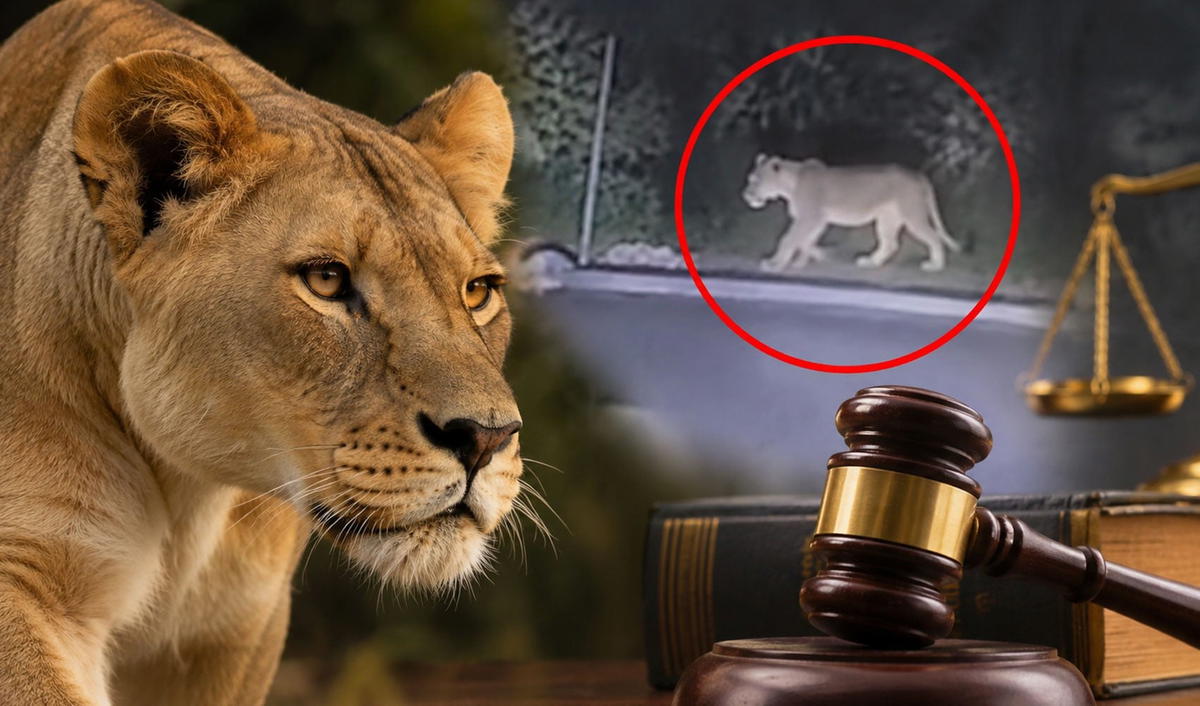
The appearance of a female lion on security cameras in the Uskumruköy neighborhood of Istanbul's Sarıyer district has brought the question of whether it is legal to keep a lion in Turkey to the agenda. While the area where the animal was spotted on November 22, 2026, has been identified, efforts by teams to capture it alive have been initiated. The Istanbul Chief Public Prosecutor's Office has also launched an ex officio investigation into the incident.
While investigations are underway to determine who the lion belongs to and where it came from, regulations regarding the keeping of large predatory animals on private property have become a subject of curiosity. Is it legal to keep a lion in Turkey, and can a permit be obtained to keep a lion at home or in a garden? Are fines or prison sentences imposed on those who keep lions without a permit?
IS IT ILLEGAL TO KEEP A LION IN TURKEY?
There is no general freedom in Turkey to adopt lions as pets like cats or dogs and keep them at home or in a garden. The keeping of wild animals such as lions is evaluated within the scope of the Land Hunting Law No. 4915 and related regulations.
Article 45 of the Regulation on the Keeping, Breeding, and Trade of Game and Wild Animals and Products Obtained from Them makes the keeping of wild animals for hobby purposes subject to certain conditions. Accordingly, aggressive, harmful, and poisonous species are excluded from the animals that can be kept for hobby purposes.
Therefore, there is no general permit for keeping a lion in a private residence as if it were an ordinary pet or hobby animal. To legally keep the animal, the permit and legislative requirements appropriate to its species and the nature of the facility where it will be housed must be met.
CAN A PERMIT BE OBTAINED TO KEEP A LION AT HOME?
Natural and legal persons who wish to keep wild animals for hobby purposes in Turkey must apply to the provincial branch directorates of Nature Conservation and National Parks.
According to Articles 45 and 46 of the regulation, a petition and a list showing the species of the animals are required during the application. If the application is found appropriate, an invoice or similar document showing that the animal was obtained through legal means and a health report approved by an official veterinarian must also be submitted.
However, this application system does not cover all wild animals. Aggressive, harmful, and poisonous species are excluded from the scope of hobby keeping. For this reason, the fact that a person who wants to keep a lion merely applies or collects the necessary documents does not mean that they can keep the animal in their home or garden.
WHAT IS THE PENALTY FOR KEEPING A LION? IS THERE A FINE IN 2026?
There is no single, fixed fine applicable to everyone who keeps a lion without a permit in Turkey. The sanction to be applied varies depending on how the animal was obtained, whether there are possession documents, and which legislative provisions have been violated.
According to Article 85 of the Regulation on Game and Wild Animals, it is prohibited to keep domestic or foreign species of game and wild animals without documentation. If it is determined that the animal was obtained, kept, or traded in violation of the legislation, the animal may be confiscated. Expenses arising from the confiscation, such as transportation, care, storage, and maintenance, may also be collected from those responsible.
In the administrative fine table prepared for 2026, fines ranging from 15 thousand 29 TL to 75 thousand 528 TL are stipulated for violations within the scope of certain provisions of Article 18 and Article 19 of the Land Hunting Law No. 4915.
These amounts cover violations related to the sale, purchase, transport, import, and export of wild animals whose trade is prohibited or subject to regulation, particularly under international conventions. Therefore, this amount cannot be considered a general fine for keeping a lion directly. The sanction to be applied in a concrete case is determined according to the nature of the violation.
CAN THE OWNER BE SENTENCED TO PRISON IF THE LION ESCAPES?
The uncontrolled release of an animal that could pose a danger, such as a lion, can also bring the owner's criminal liability to the agenda.
Article 177 of the Turkish Penal Code regulates the release of an animal in a way that could create danger. Accordingly, a person who releases an animal under their supervision in a way that could pose a danger to the life or health of others, or who shows negligence in bringing the animal under control, can be subject to imprisonment for up to six months or a judicial fine.
However, the escape of the animal does not automatically mean that the owner will be sentenced to prison. Whether there is negligence in the incident and whether the legal elements of the crime have been formed are evaluated by judicial authorities.
WILL THE OWNER BE PUNISHED IF THE LION ATTACKS A PERSON?
If a wild animal that should be kept under control attacks people, the legal liability of the person responsible for the care and supervision of the animal may come to the agenda.
In the event that a person is injured or loses their life as a result of an attack, provisions for negligent injury or negligent homicide may be evaluated depending on the circumstances of the incident.
In addition, under Article 67 of the Turkish Code of Obligations, the person who undertakes the care and management of the animal may be required to compensate for the damage caused by the animal. A person who proves that they have shown the necessary care can be exempted from liability within the framework of the conditions specified in the law.
WHAT PERMITS ARE REQUIRED TO KEEP A LION IN ZOOS?
It is possible to keep wild animals such as lions in zoos and wildlife parks in Turkey. However, for these facilities to operate, they must meet the conditions specified in the relevant legislation and obtain the necessary licenses from the Ministry of Agriculture and Forestry.
According to the Regulation on the Establishment and Operating Procedures and Principles of Zoos and Wildlife Parks, animals cannot be kept in facilities before licensing is completed. Furthermore, it is mandatory to have documents showing that every wild animal in the facility was obtained through legal means.
The regulation also imposes special security requirements for areas where predatory mammals are housed. Accordingly, there must be a wall at least 3 meters high around the areas where these animals are kept, and a 2-meter-high wire fence on top of the wall.
IS IT ILLEGAL TO BRING A LION FROM ABROAD?
Bringing lions from abroad to Turkey is also subject to certain permits within the scope of international conventions and national legislation.
The CITES Convention, to which Turkey is a party, regulates the international trade of wild animal and plant species. The lion (Panthera leo) population in India is listed in Appendix-I of the convention, and other populations are listed in Appendix-II.
This classification requires the application of different control and permit conditions in the international trade of lions. Documenting the legal source of the animal and obtaining the necessary CITES documents is important. In addition, relevant national permits must also be provided for import into Turkey and subsequent possession.
WHOSE IS THE LION SEEN IN SARIYER, AND WHERE DID IT ESCAPE FROM?
The owner of the female lion that was reflected on security cameras on the evening of November 22 in the Uskumruköy neighborhood of Istanbul's Sarıyer district has not yet been identified.
Within the scope of the investigation initiated by the Istanbul Chief Public Prosecutor's Office, it is being investigated by whom and by what means the animal was brought to the region.
The Istanbul Governor's Office announced that the area where the lion is located has been identified and that teams are continuing their efforts to capture it alive. The goal is to capture the animal safely in operations involving Nature Conservation and National Parks, gendarmerie, police, and municipal teams.
No information confirmed by official authorities has been shared regarding the lion's owner or where it came from.
News Source: 12punto