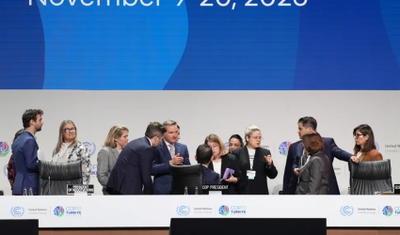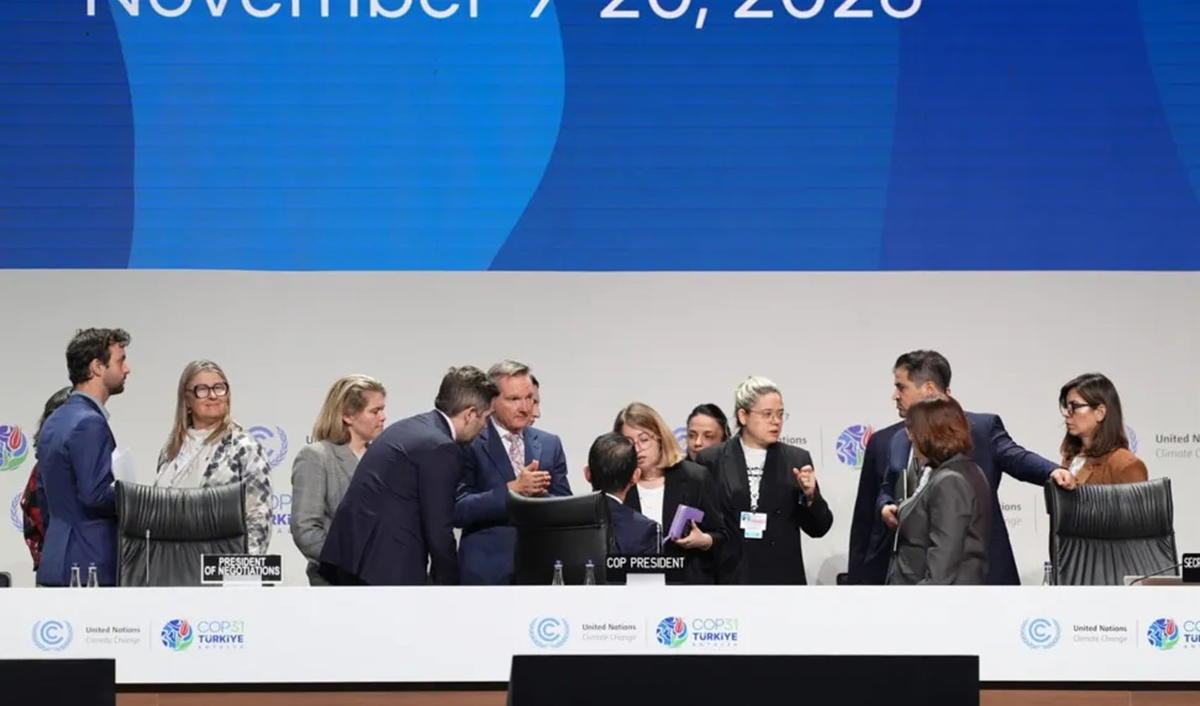
The 31st Conference of the Parties (COP31) to the United Nations Framework Convention on Climate Change, hosted by Turkey in Antalya, has concluded without reaching a consensus on a final decision text.
The draft text presented by Turkey and Australia, who held the COP31 presidency, was deemed insufficient by the European Union and several other countries in the fight against global warming. Consequently, no agreement could be reached on the draft, which is referred to as the "Cover Decision."
The summit, which lasted more than two weeks and was extended by two days, went down in history as the longest COP meeting to date. Speaking at the closing session, Minister of Environment, Urbanization and Climate Change Murat Kurum stated that he would not present a new text, saying, "There is nothing to be done; we have done everything in our power. There will be no new text from here on out."
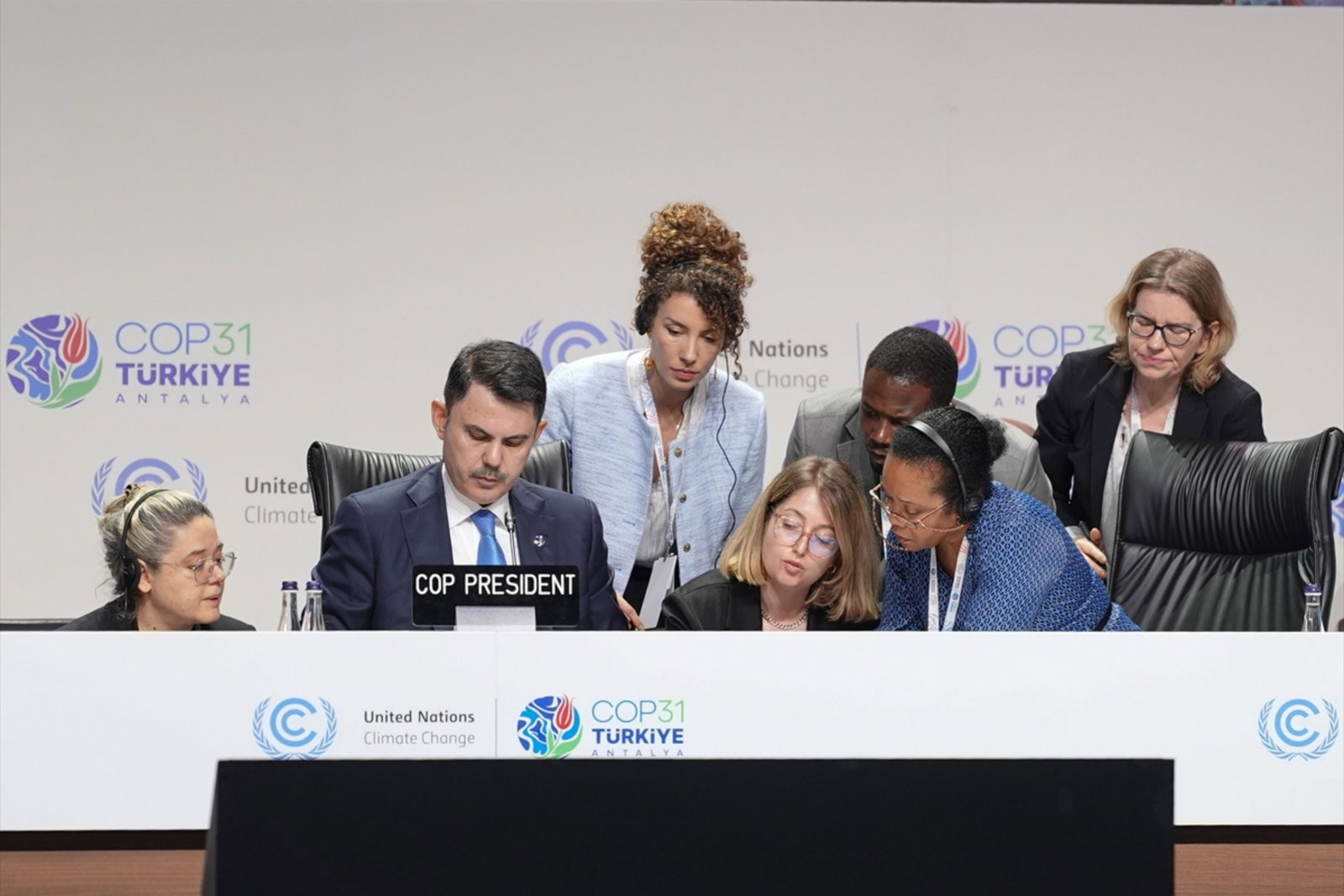
Kurum later left the stage while representatives from various countries were still speaking. In a statement to journalists, he argued that the presidency had prepared a decision text in which "every country could find something of its own," and claimed that the draft was a text that had "the consensus of the vast majority."
Kurum stated that some countries were getting hung up on "a word or a phrase," and expressed that bringing issues he described as unrelated to climate into the process hindered progress.
FOSSIL FUEL AND FINANCE DEADLOCK
Australia's COP31 Lead Negotiator Chris Bowen described the outcome as "extremely disappointing." Bowen said that disagreements over fossil fuels and climate finance were the main factors that stalled the process.
The last time a UN climate summit failed to reach an agreement accepted by all parties was at the 2009 Copenhagen summit. The lack of a political declaration in Antalya does not nullify the obligations and technical-legal frameworks accepted at previous UN climate conferences.
According to Reuters, Irish Minister for the Environment Darragh O’Brien stated that one of the reasons the European Union could not support the draft was the absence of any mention of fossil fuels in the text. O’Brien said, "It is inconceivable that we have a climate law that makes no reference to fossil fuels and does not mention the transition away from fossil fuels."
According to observers at the summit, Saudi Arabia and other major oil-producing countries lobbied heavily to keep language regarding a transition away from fossil fuels out of the text. Panama also did not support the draft, arguing that it did not meet the scale and urgency of the climate crisis.
Belgian Climate Minister Jean-Luc Crucke described the failure of the agreement as a "difficult but appropriate" outcome. Crucke said that multilateralism is not dead, but that the courage to say "no" when necessary must be demonstrated.
WHAT WAS IN THE DRAFT?
The rejected draft acknowledged the projected overshoot in temperature rise and called for the faster development of carbon removal technologies to reverse it. This topic was among the demands highlighted by oil-producing countries.
Scientists note that carbon removal technologies could be important in limiting the most severe effects of the climate crisis when used in conjunction with sharp cuts in emissions. However, critics warned that these phrases could be used as a justification to continue oil production.
Developing countries also argued that the draft did not provide sufficient new climate finance for adaptation to a warming world. Although the text included a call to triple funding, it did not specify the base year or the amount upon which this would be calculated.
The draft also included a target proposed by Turkey to increase the share of electricity in global final energy consumption from approximately 23 percent to 35 percent by 2035. While proponents of this target argued it could reduce emissions, critics expressed the view that it did not offer a clear roadmap for phasing out fossil fuels.
News Source: 12punto