

What do the banks' interest rate cuts mean? Duran Bülbül explains
Following the US Federal Reserve's interest rate decision, all eyes turned to the interest rate decisions to be announced by the Central Bank. While the Central Bank's decision was awaited, banks announced interest rate cuts. Our columnist Duran Bülbül explained to 12punto what the banks' 'interest rate cut' decision means.



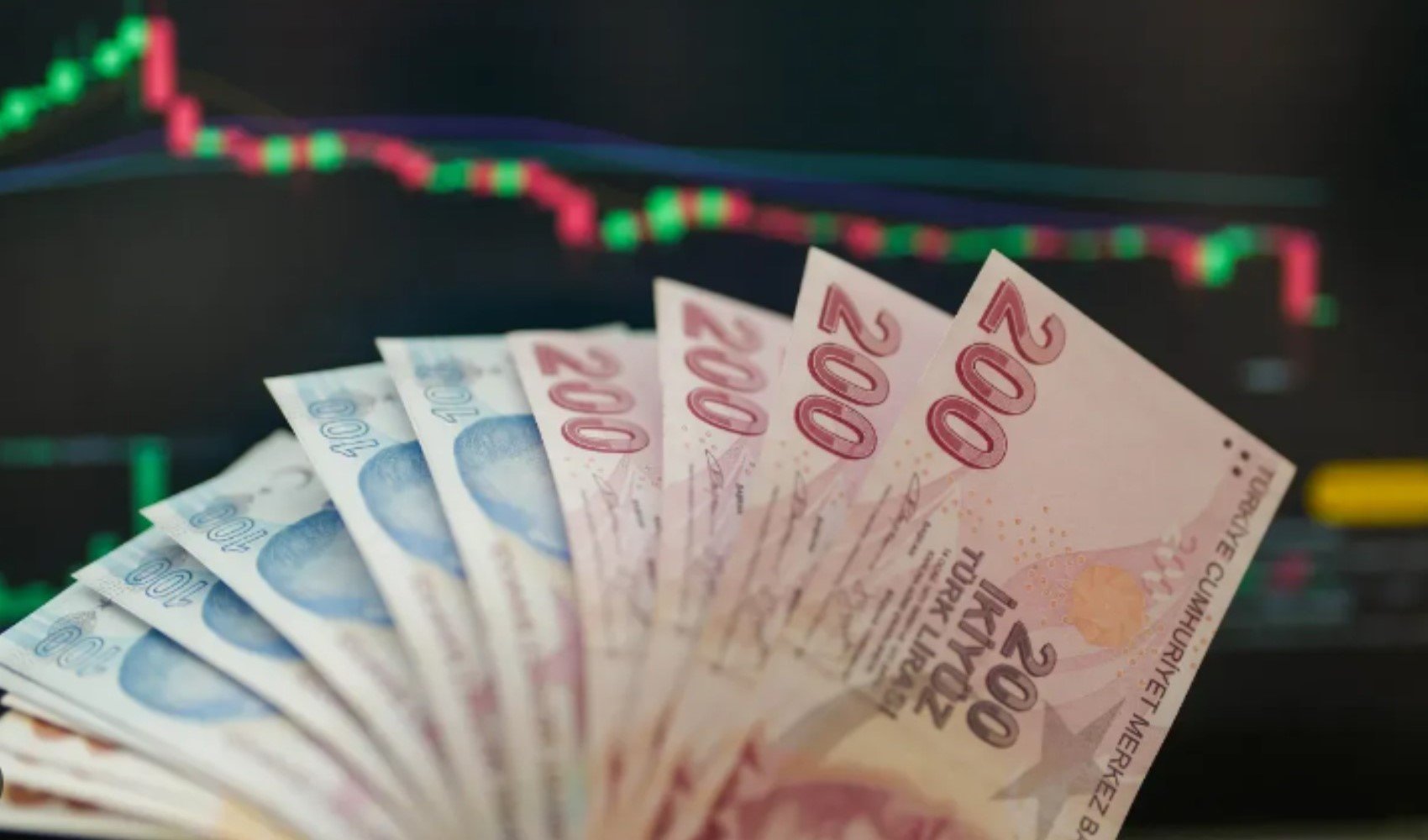
Hikmet Eren Çelenk - 12punto.com.tr
The US Federal Reserve (FED) announced its interest rate decision the other day, cutting the policy rate for the first time in 4 years by 50 basis points to a range of 4.75-5.00 percent. Following the FED's decision, all eyes turned to the Central Bank's statements regarding its interest rate policies. Amid these developments, a decision to cut interest rates came from the banks.
According to a report by Ekonomim.com, following the announcement of the June inflation data on July 8, deposit interest rates for maturities up to 6 months fell to 40 percent. Our columnist Duran Bülbül explained to 12punto what this decision by the banks means.
BANKS ARE WORKING FOR THE CENTRAL BANK
Our columnist Duran Bülbül stated that the banks' interest rate cut decision concerns high-income groups and said the following:
“The fundamental issue with banks lowering interest rates is this: the transaction banks are performing is selling the deposits they collect from the market at 50 percent to the Central Bank at 68 percent. They have reduced the costs on themselves. The reason for this is that because the exchange rate has remained stable for a long time, the stock market has been pushed toward serious instability, small investors have suffered significant losses, and due to the lack of confidence in the stock market and the suppression of the exchange rate, small investors' deposits have begun to return to banks. One of the biggest reasons is the significant conversion from Currency-Protected Deposits to TL. Banks have turned this situation into an opportunity, and this is a very wrong policy. While they were selling the money they collected with an 18 percent profit, they have increased it to a 21 percent profit. Banks have once again increased their profits on consumers and depositors by about 3 percent. The total profit they have increased is obtained by taking money from those who have it and from deposits and selling it to the Central Bank for a 21 percent profit. There is no such practice anywhere else in the world. They are selling the money they collect to the treasury. If you notice, banks are already not providing consumer loans to the market. The political power is borrowing from banks at 68 percent. Because of this, there is no way left for banks to take on the risk of consumer loans or vehicle loans again because they are guaranteed returns.”
'THE POLITICAL POWER CANNOT ESTABLISH DOMINANCE OVER BANKS'
Stating that the majority of banks in our country belong to foreign capital owners, Duran Bülbül said, “In the financial oligarchic system, the political power has no influence over the banks; this is a weakness. It has no sovereignty over the banks. Although deposit guarantees are 100 percent all over the world, we still do not have a guarantee; this situation causes the loss of sovereignty we mentioned. Approximately 70 percent of the banking sector is in the hands of foreigners. The financial oligarchy has declared its own independence in our country. Banks say, ‘I will raise interest rates as I wish, I will lower them as I wish.’ I would like to remind you of the banking crisis we experienced in 2006. We see in this example that banks can create a crisis in the country's economy whenever they want,” he expressed.
'DECISIONS SUPPORT CONTRACTORS'
Stating that the banks' interest rate decisions concern high-income groups more than low-income groups, Duran Bülbül concluded his words as follows:
“We reach the same conclusion regarding the lowering of interest rates on housing loans. It doesn't mean anything either. They are already providing only 20-25 percent of a housing loan. Today, the lowest-priced house is around 4 million liras. The loan they will provide for this is 1 million liras. For a poor citizen to be able to buy a house, they need to have 3 million liras in their pocket. These housing loans serve large investors. They do not support the poor and low-income earners, but the contractors. This cut has profits for contractors, intermediaries, and loan sharks, not for the consumer.”
News Source: Hikmet Eren Çelenk
Most Read
The Journey of Odysseus-1
The Law of the Strong

Return dates for Osimhen and Lemina confirmed

Eren Vurdem shields Serhat Kılıç's girlfriend

A jackpot for the West, a consolation prize for the East
Nâzım Hikmet lives in İzmir

Casino images of Sadullah Güneş on the agenda ahead of MHP Antalya congress
Kocaeli Mufti Sönmezoğlu has been dismissed

Fenerbahçe loses, controversial post from Talisca!

Serhat Mustafa Kılıç found dead in his home