As the perception of geopolitical risk moves to the forefront in global markets, movements in oil prices are being monitored as a significant pressure factor for precious metals. Economist Robin J. Brooks stated that expectations of a potential renewed hot conflict with Iran are being priced in, particularly through Brent crude oil.
According to Brooks, despite signs of normalization in oil supply, the fact that prices remain high indicates that a strong war risk premium still exists in the market. The economist assessed the fair value level for Brent crude at approximately 90 dollars per barrel, stating that the risk premium stemming from the possibility of conflict is currently over 25 dollars at existing prices.

WHAT HAPPENS TO GOLD AND SILVER IF OIL RISES?
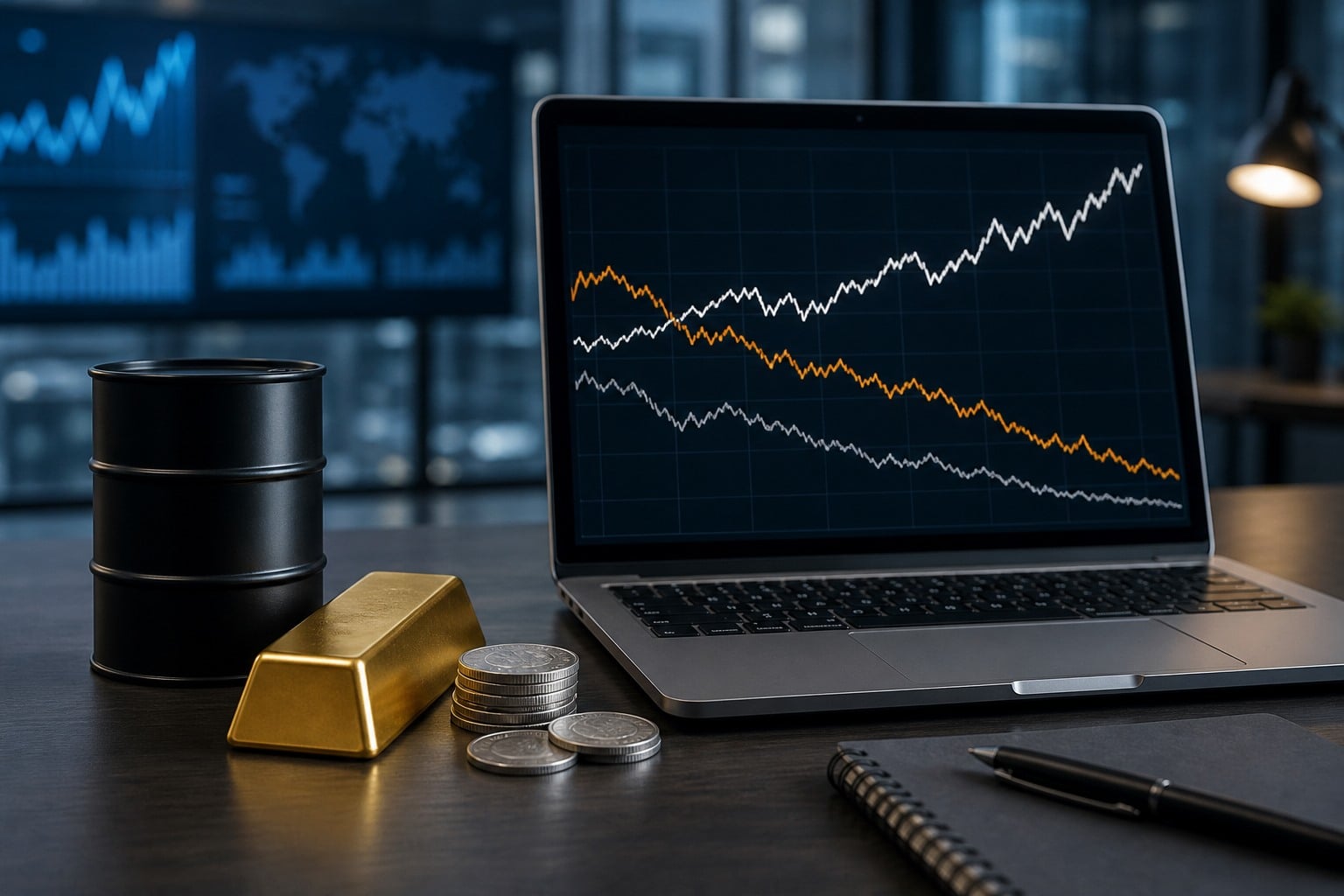
A notable point in Brooks' assessment was the strengthening of an inverse relationship between oil and gold and silver in recent times. Accordingly, precious metals remain under pressure during periods when oil prices rise. While gold fell 3.7 percent on Friday, dropping significantly below 4 thousand dollars for the first time this year, the loss in silver was recorded at 5.9 percent.
The economist's 30-day rolling correlation analysis, which compares the daily price changes of Brent crude with gold and silver, also supported this trend. The analysis indicated that, based on pricing in the second half of October, a 10 percent increase in Brent crude front-month contracts could point to a 4 percent drop in gold prices and an 8 percent drop in silver prices.
Brooks also warned that these calculations should not be read as a definitive price forecast. According to the economist, these rates might overstate potential losses in precious metals. The first reason for this is that there is already a high risk premium in oil prices; the second is that gold and silver reacted more sharply to oil movements in the last two weeks of October than in normal periods.
WILL SHARP DECLINES REPEAT?
Brooks recalled that sharp pullbacks were experienced in gold and silver after the Iran war began in February. However, the economist stated that since the possibility of renewed airstrikes is now largely expected by the markets, he views a repeat of price movements as sudden and sharp as those at the beginning of the year as a low probability.
According to the assessment, a decrease in geopolitical uncertainty could create room for a recovery in gold and silver. Conversely, a persistent and new wave of increases in oil prices could cause the pressure on precious metals to remain on the agenda for some time.

Such analyses in the markets should not be considered solely decisive for investment decisions. The assessments contained in this news report do not constitute investment advice.
News Source: 12punto