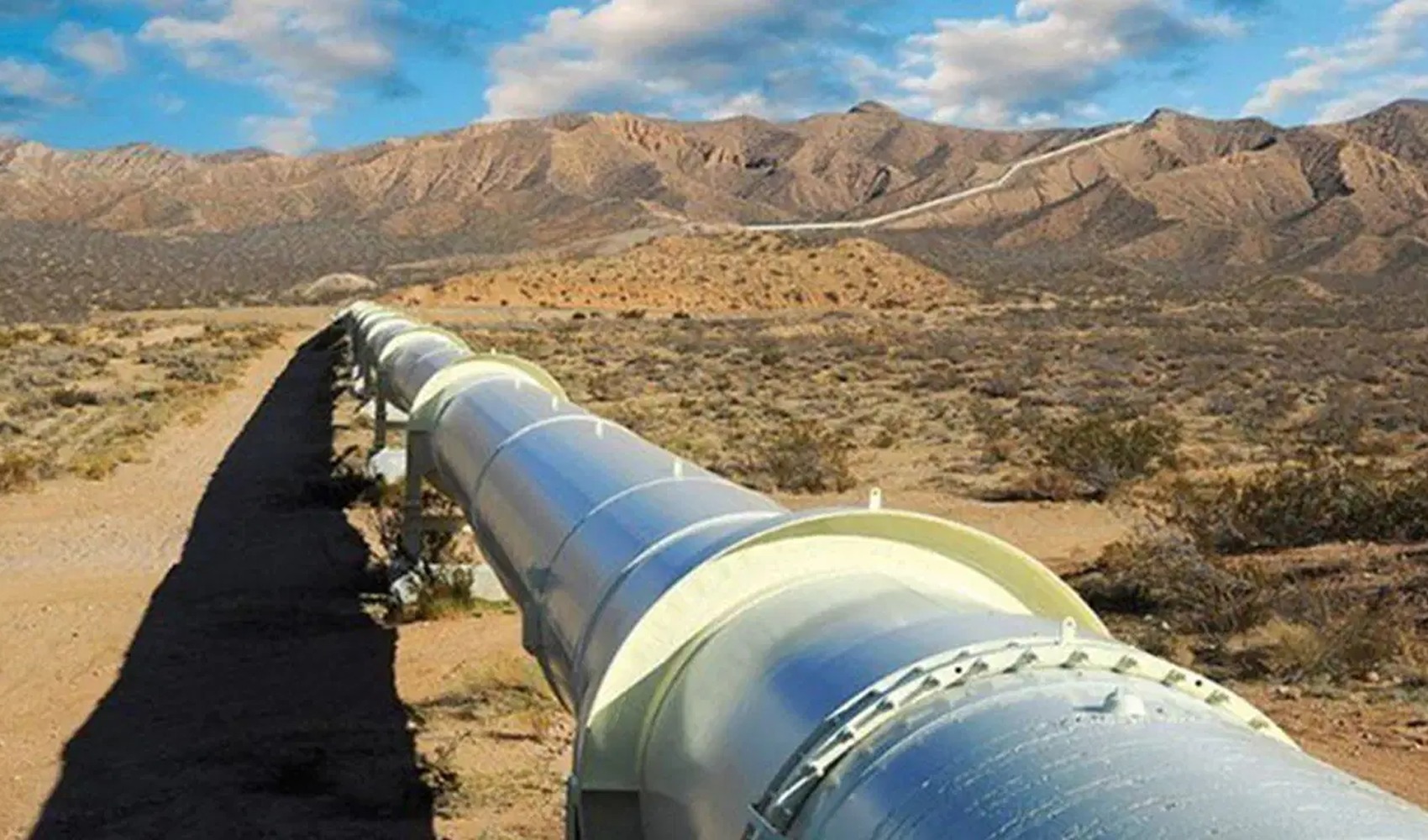
Iraq has reactivated the Kirkuk-Ceyhan oil pipeline, which had been closed for approximately 12 years. Iraqi Oil Minister Basim Muhammed Khudair announced that the pumping of crude oil through the line for export to Turkey has resumed.
In the initial phase, it is planned to transport 120,000 barrels of oil per day to Turkey. The goal is to gradually increase shipments in the coming period to 500,000 barrels per day. This aims to transport crude oil extracted from oil fields in northern Iraq to the Mediterranean via Turkey.
TURKEY ROUTE COMES TO THE FOREFRONT AGAIN
The Baghdad administration's reactivation of the line coincides with a period when alternative export routes have gained importance due to the crisis surrounding the Strait of Hormuz. While Iraq conducts the majority of its oil exports through southern terminals, the fact that tankers leaving the Persian Gulf are forced to use the Strait of Hormuz has brought the issue of shipment security to the agenda.
For Iraq, the second-largest producer in the Organization of the Petroleum Exporting Countries (OPEC), the Kirkuk-Ceyhan line is seen as one of the critical options that could reduce dependence on southern terminals. With the line back in operation, oil can be transported to Turkey's Ceyhan Port on the Mediterranean coast.
The approximately 960-kilometer-long Kirkuk-Ceyhan pipeline was closed in 2014 due to increasing security problems in northern Iraq and attacks on oil infrastructure. The terrorist organization ISIS taking control of large areas in the region was among the primary developments that led to the flow in the line being halted.
The extent to which the resumed shipments will contribute to Iraq's total oil exports will depend on production capacity, the state of the infrastructure, and the use of existing export routes. However, if the target of 500,000 barrels per day is reached, the line is planned to be operated at more than four times its initial capacity.
News Source: 12punto