

Digital security warning for parents before children's first photo share
Experts have highlighted the risks of permanent digital footprints, location data, and privacy concerns before children share photos on social media.




For families, a child's desire to share a photo or video on social media for the first time turns into a security issue that goes beyond the simple question of "what to share." Laykon Bilişim, the Turkey distributor for Bitdefender, emphasized that parents should talk to their children about digital footprints, privacy settings, and online risks before they post.
According to the company's assessment, a photo uploaded to the internet may not remain limited to the intended audience. Images can be saved via screenshots, reshared without permission, indexed by search engines, and sometimes carry metadata regarding the time and place they were taken.
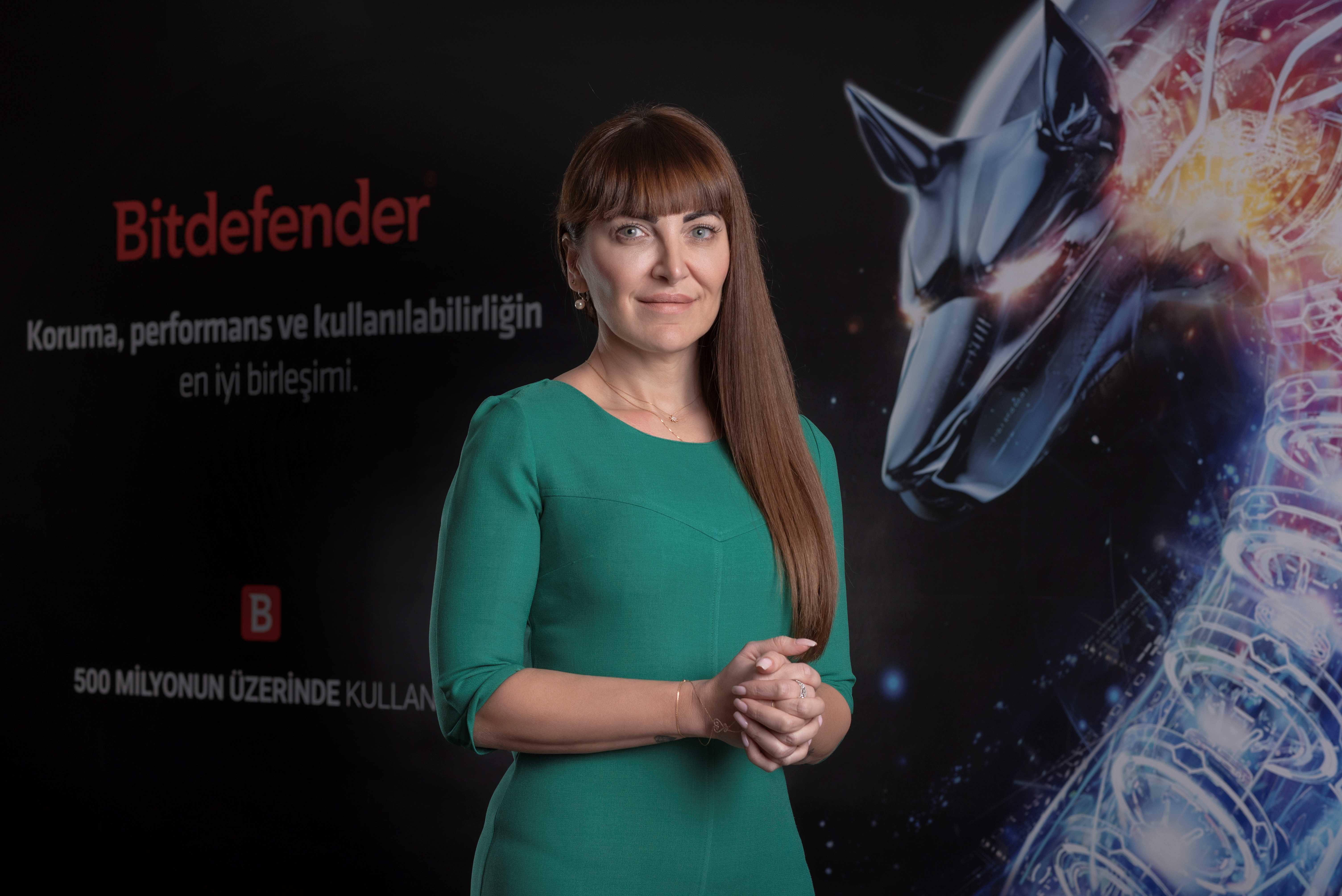
Laykon Bilişim Operations Director Alev Akkoyunlu stated that parents often focus on what the child is sharing, while the real issue is where the image might reach after it is posted.
“The moment a photo is uploaded, it can be copied, moved to different platforms, and appear years later. Moreover, many photos carry hidden location information that shows where and when they were taken.”
THINGS TO CONSIDER BEFORE SHARING
Akkoyunlu stated that children should acquire basic digital security habits before sharing photos and issued warnings to parents on the following topics:
- - Explain that sharing can be permanent: Even a post open only to friends can spread through screenshots, downloads, or resharing. It is often impossible to completely delete an image once it enters the internet.
- - Pay attention to location data in photos: Photos taken with smartphones may contain metadata called EXIF. This data can reveal homes, schools, or frequently visited locations. Turning off location tagging in camera settings is one of the fundamental precautions.
- - Adjust privacy settings together: Who can follow the child's account, who can see the photos, and who can comment should be determined together. Setting the account to private mode and limiting followers to people they know reduces the risk.
- - Warn against requests from strangers: It should be explained that follow, message, or photo requests from unknown individuals should not be accepted. Images containing personal information such as school uniforms, addresses, or recognizable locations should be avoided.
- - Support with protection tools: Parental control solutions can provide additional protection against online threats such as managing internet time, filtering inappropriate content, phishing links, and identity theft.

Experts point out that in digital security education, an explanatory approach based on joint decision-making is more effective than a prohibitive language. It is recommended that before pressing the "Share" button, the child should evaluate who can see the photo, how the image might spread, and what information it might reveal.
Pointing out that children's digital lives are not limited to a single application, Laykon Bilişim stated that addressing parental control, privacy settings, and security software together will provide stronger protection.
Laykon Bilişim Teknolojileri, which offers products and solutions in the field of IT security, is involved in the distribution and support processes in Turkey for various cybersecurity, business continuity, and cloud solutions, in addition to Bitdefender.
News Source: 12punto
Most Read
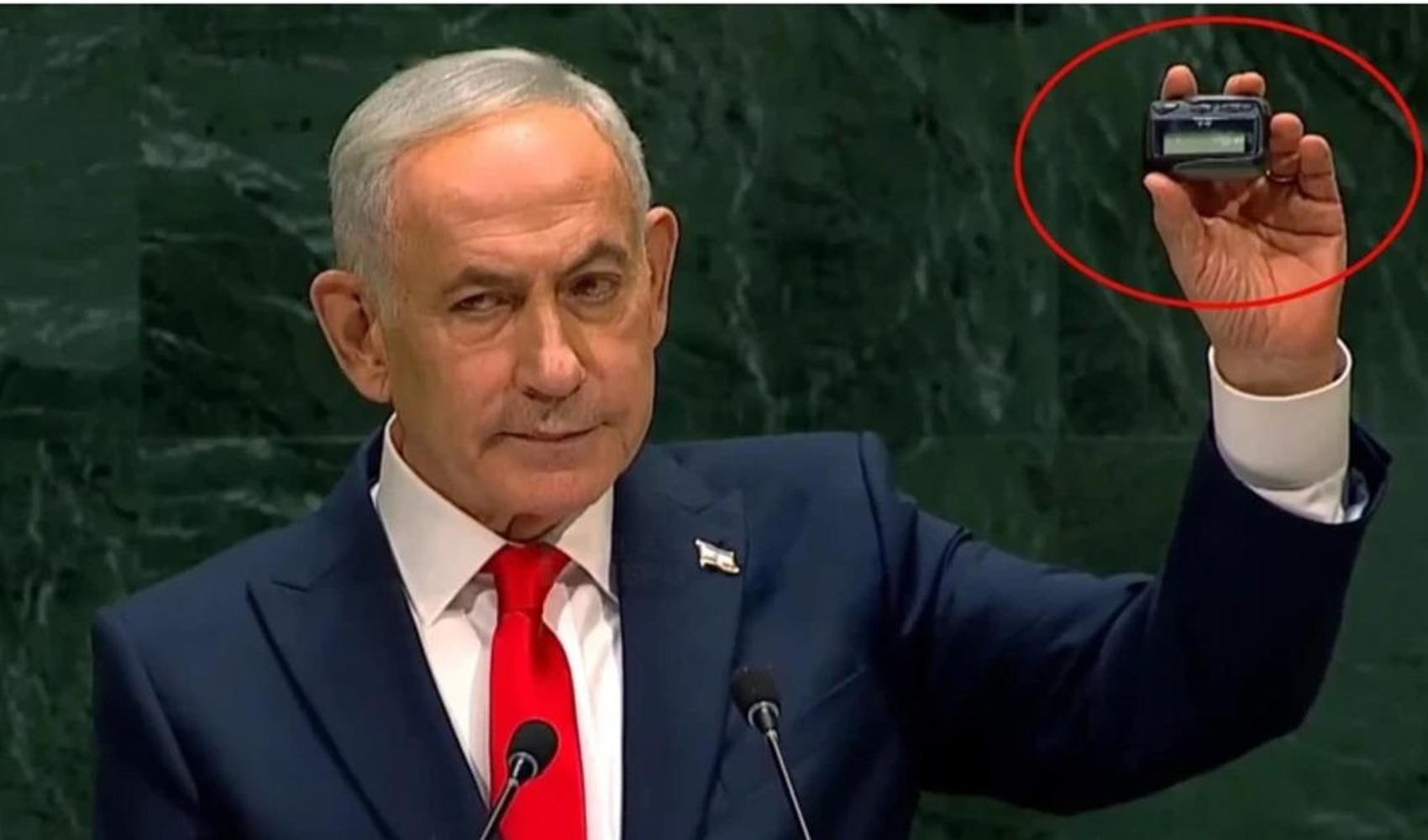
Netanyahu shows pager at the UN

11 more arrests in the fund investigation

Is Greece emboldened because our nation doesn't know what 'Casus Belli' is?!
Did the fund crisis come in plain sight? Who won while the house was winning?

Searching for the left in Berlin and Europe: It's just not there!
Little America
Reactions from the 'Butlan' management continue following Mansur Yavaş's resignation from the CHP

Saudi Arabia calls for 'urgent' defense meeting with Turkey and Pakistan

Digital blockade: Will account bans be able to hide the truth?
A former MASAK Vice President is among them!