

Digital 'Olive Atlas' launched for Anatolia's climate-resilient olive heritage
The Olive Atlas, prepared within the scope of the ANATOLIVAR project, brings together local olive varieties and nature-friendly producers on a digital map.



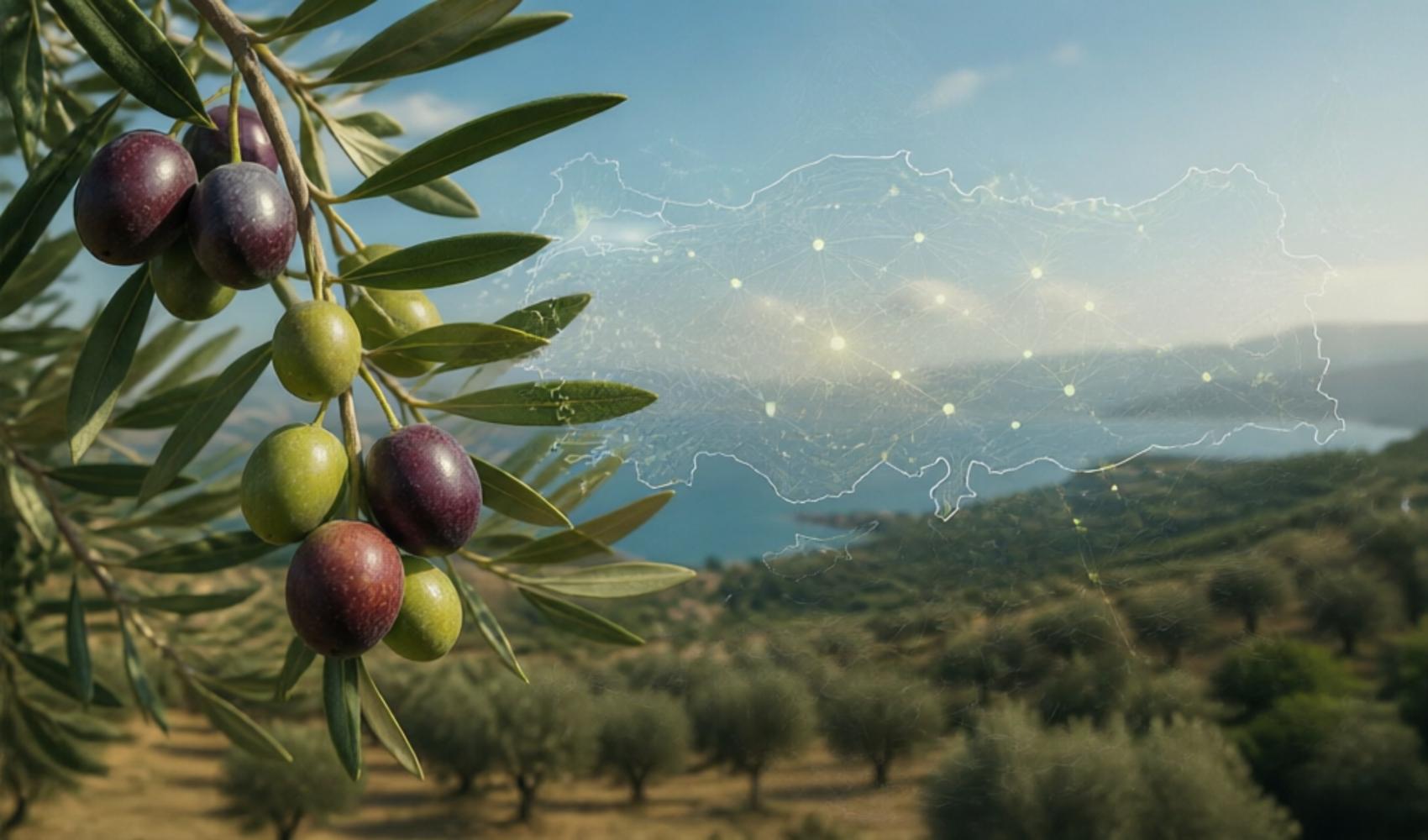
The Olive Atlas, prepared within the scope of the ANATOLIVAR - Strengthening Olive Producer Communities in Anatolia Project, which is carried out by the Project House Cooperative with the financial support of the European Union and in partnership with the National Olive and Olive Oil Council (UZZK) and Slow Food, has been opened for use.
The Atlas was created following field studies conducted in Turkey's six main olive-growing regions. Local and rare olive varieties and nature-friendly producers in the Marmara, North Aegean, Central Aegean, South Aegean, Mediterranean, and Southeastern Anatolia regions have been brought together in a geographically enabled two-layer digital database.
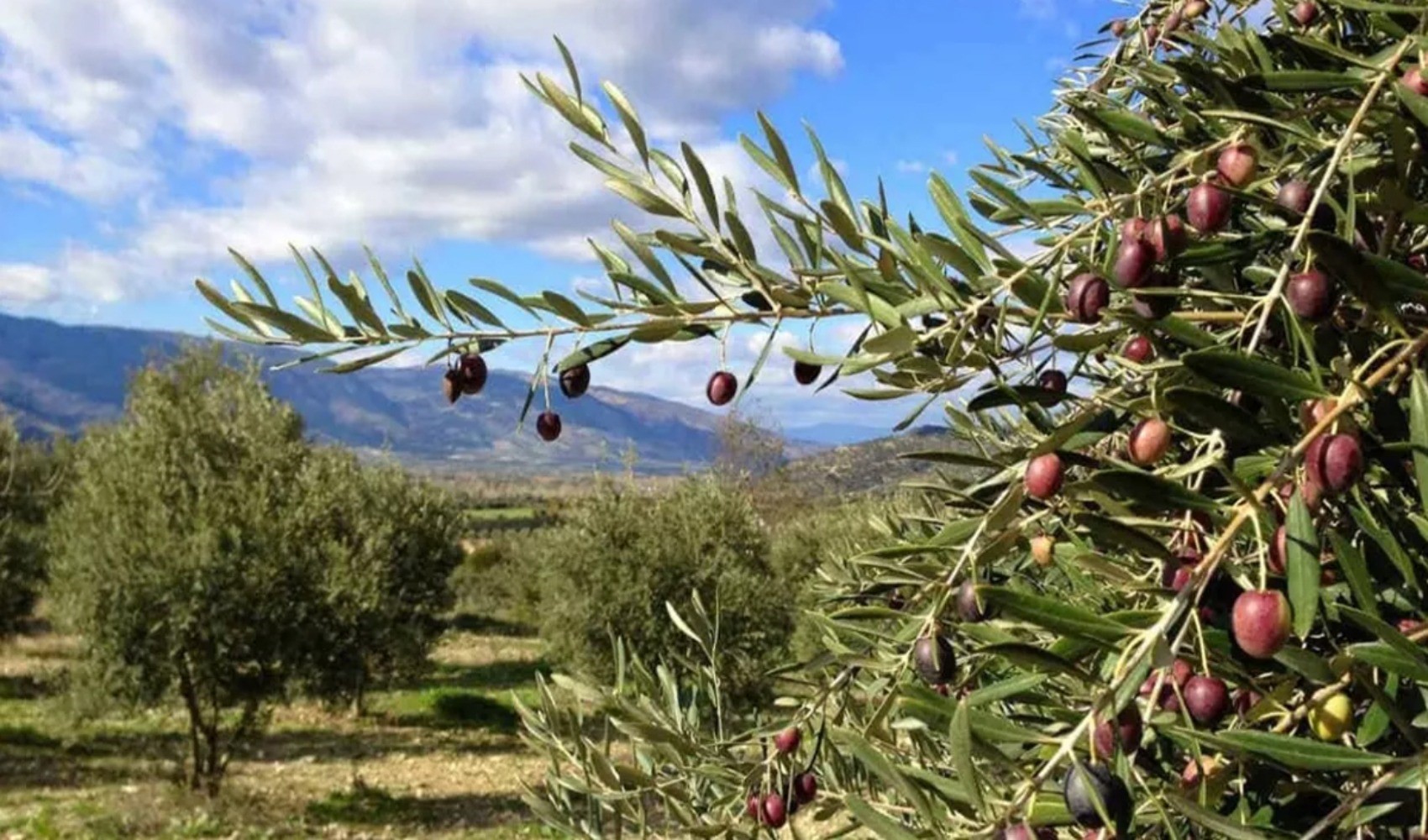
It was stated that olive cultivation forms the basis of the subsistence economy for approximately 400 thousand families in Turkey, and it was emphasized that the country is home to over 100 local olive varieties. The project is based on the approach that protecting local varieties in their own natural habitats provides significant resilience against climate change and drought.
TWO-LAYER DIGITAL DATABASE
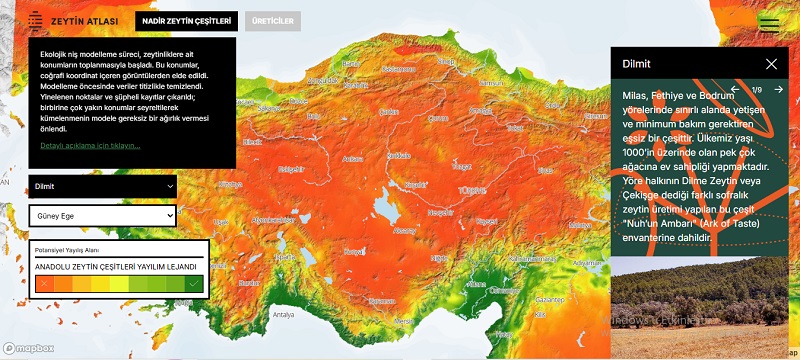
The first module of the Olive Atlas shows the distribution areas of local and rare olive varieties. In this section, using the "Ecological Niche Modeling" method, the location data of olive trees determined during field studies are evaluated together with high-resolution climate data.
With this method, it is possible to map the geographical and climatic conditions under which rare varieties such as Dilmit or Sarıulak can grow. Within the scope of the project, it is aimed in future stages to compare current environmental conditions with future climate scenarios and to identify potential "climate refuges" where local olives can survive in the long term.
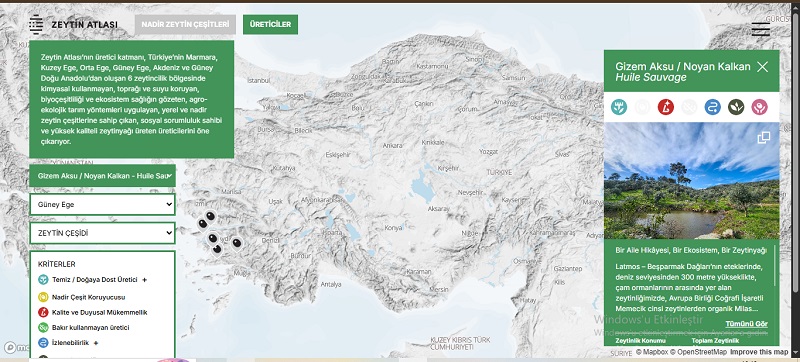
The second layer of the Atlas aims to make nature-friendly and traditional producers visible. Producers and businesses to be included in this layer are evaluated according to criteria developed by a panel consisting of representatives from the Project House Cooperative, UZZK, Slow Food, and academics and experts from different disciplines.
APPLICATION PROCESS OPEN FOR PRODUCERS
In the first stage, producers are expected to protect local olive varieties, not use herbicides, avoid super-intensive industrial production systems, look after soil, water, and natural habitats, and adopt agroecological production practices.
A badge system is also used in the Olive Atlas to show the strengths of the producers. It is aimed to provide reliable traceability for the consumer under the headings of "Clean/Nature-Friendly," "Climate-Resilient," "Local Variety Protector," "Agroecological," "Organic," "Rare Variety Protector," "Quality and Sensory Excellence," "Traceability," and "Socially Responsible."
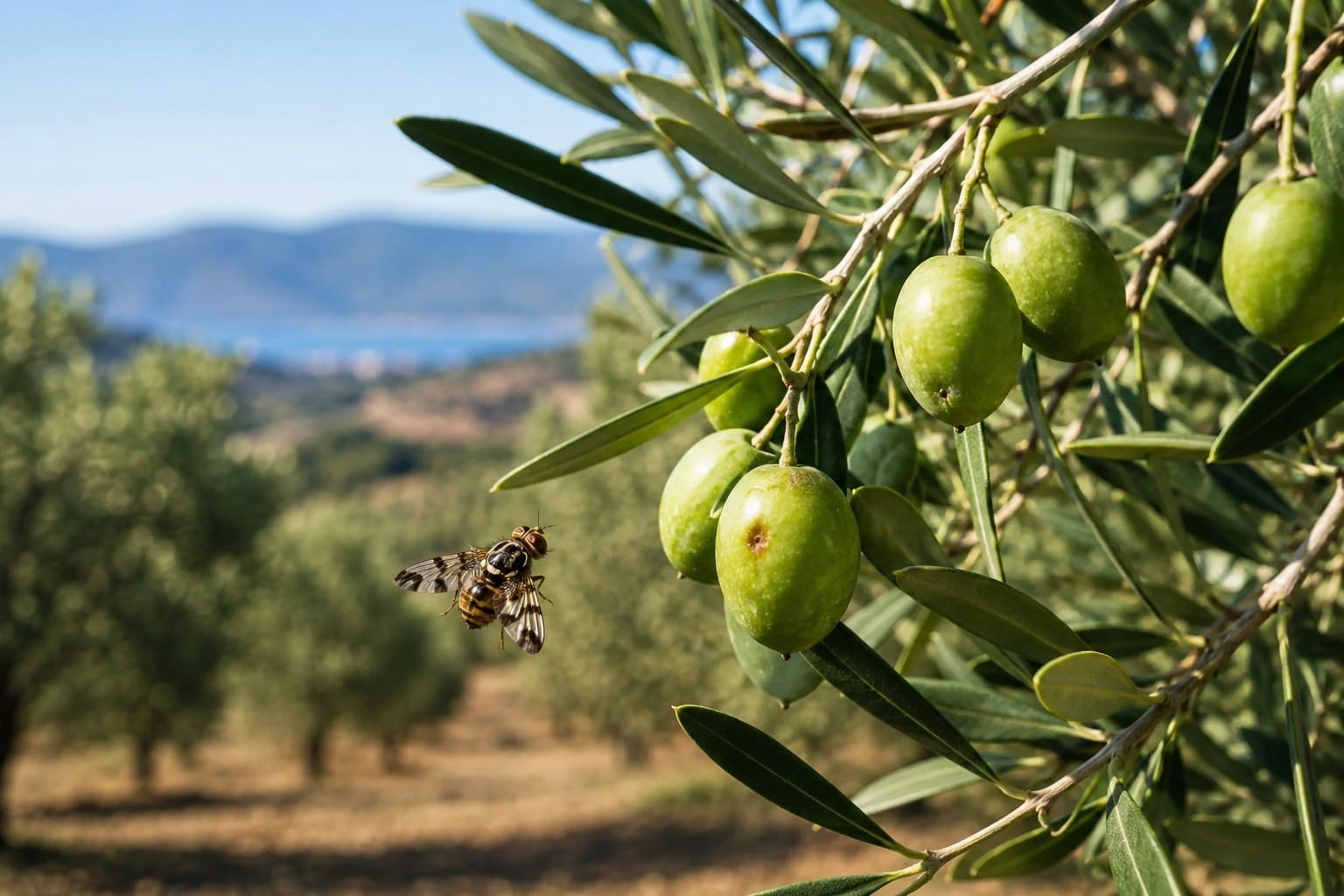
Officials state that the Olive Atlas is not a static website and will be continuously updated and improved. Producers who produce with local and rare olive varieties and adopt traditional and nature-friendly methods can apply to the Atlas via anatolivar.org.
News Source: 12punto
Most Read

Price hike for Netflix Turkey plans

Market values updated in the Süper Lig
'Fatma Betül Sayan Kaya changed 60 chiefs of staff'
29 more workers dismissed at Üsküdar Municipality
'The league starts in a week, and there is no MHK'

Fear has gripped the mountains!

The amount Melis Sütşurup earned from the fund is staggering

Supreme Court ruling on retirement affects millions!

A magnificent farewell to Bosnia and Herzegovina legend Edin Dzeko

The American dream: Work and Travel