

Alarming research in the aviation sector: Flight crew cancer risk surpasses that of nuclear workers
A study conducted by Harvard University has shown that the cancer risk faced by pilots and cabin crew due to cosmic radiation is higher than that of nuclear workers.



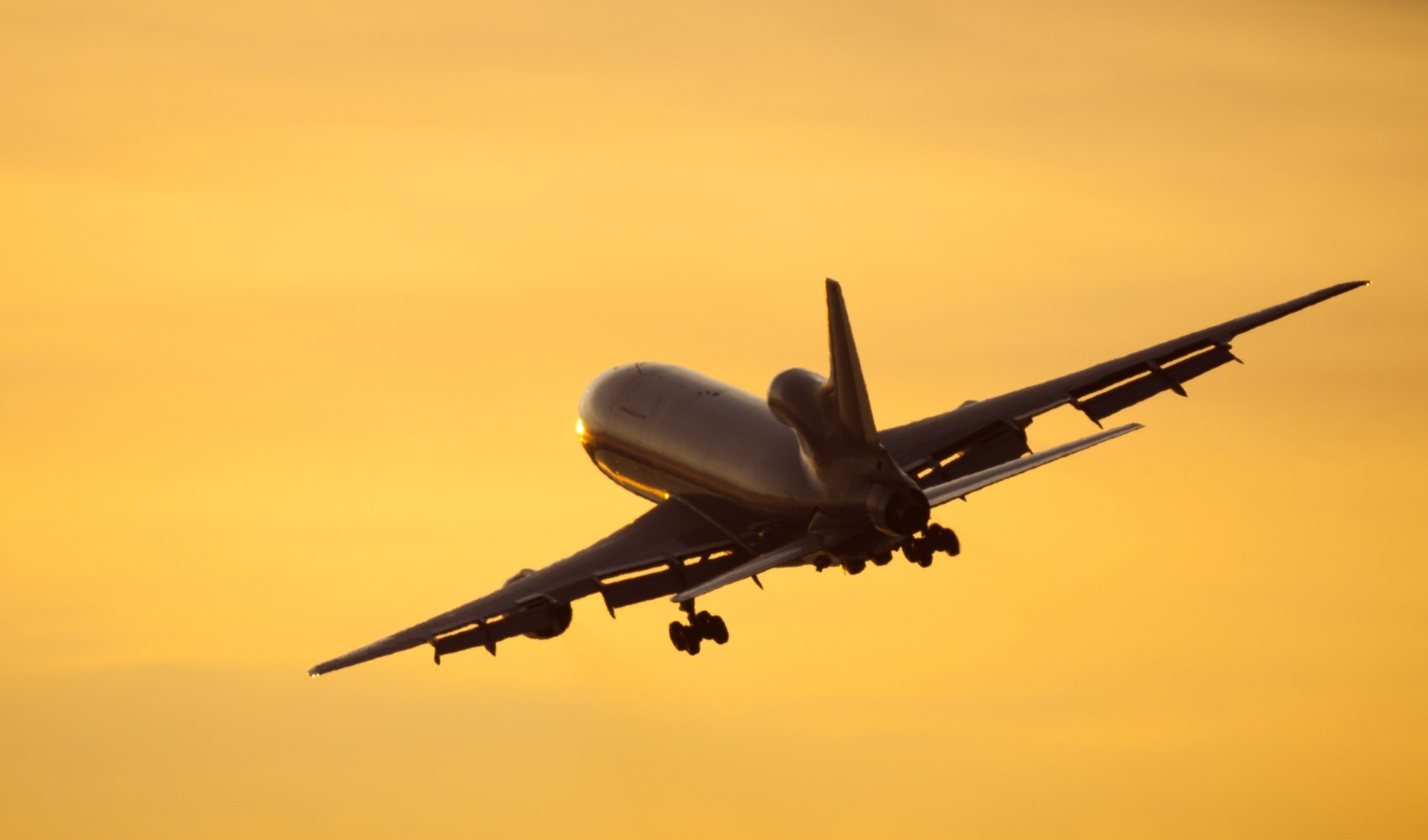
Contrary to popular belief, the pilots and cabin crew who make air travel possible face a significant life-threatening danger in the skies. A new study conducted by scientists from Harvard Medical School and various institutions has revealed that aviation sector employees carry a high risk of cancer due to their exposure to space-borne cosmic radiation. According to the findings published in the journal JAMA Internal Medicine, this risk is at even higher levels than that of nuclear technicians who work directly with radiation as part of their profession.

12.7 MILLION DEATH RECORDS EXAMINED
With the inclusion of occupational information on death certificates in the US starting in 2020, researchers gained access to a vast data pool. A total of 12.7 million death records from 503 different occupational groups between 2020 and 2024 were analyzed in detail. After accounting for variables such as age, education, and marital status, cabin crew ranked first in radiation-related cancer mortality rates at 6.9 percent, while pilots placed second at 6.7 percent. The fact that nuclear technicians ranked twelfth on the same list highlights the scale of cosmic radiation at high altitudes.
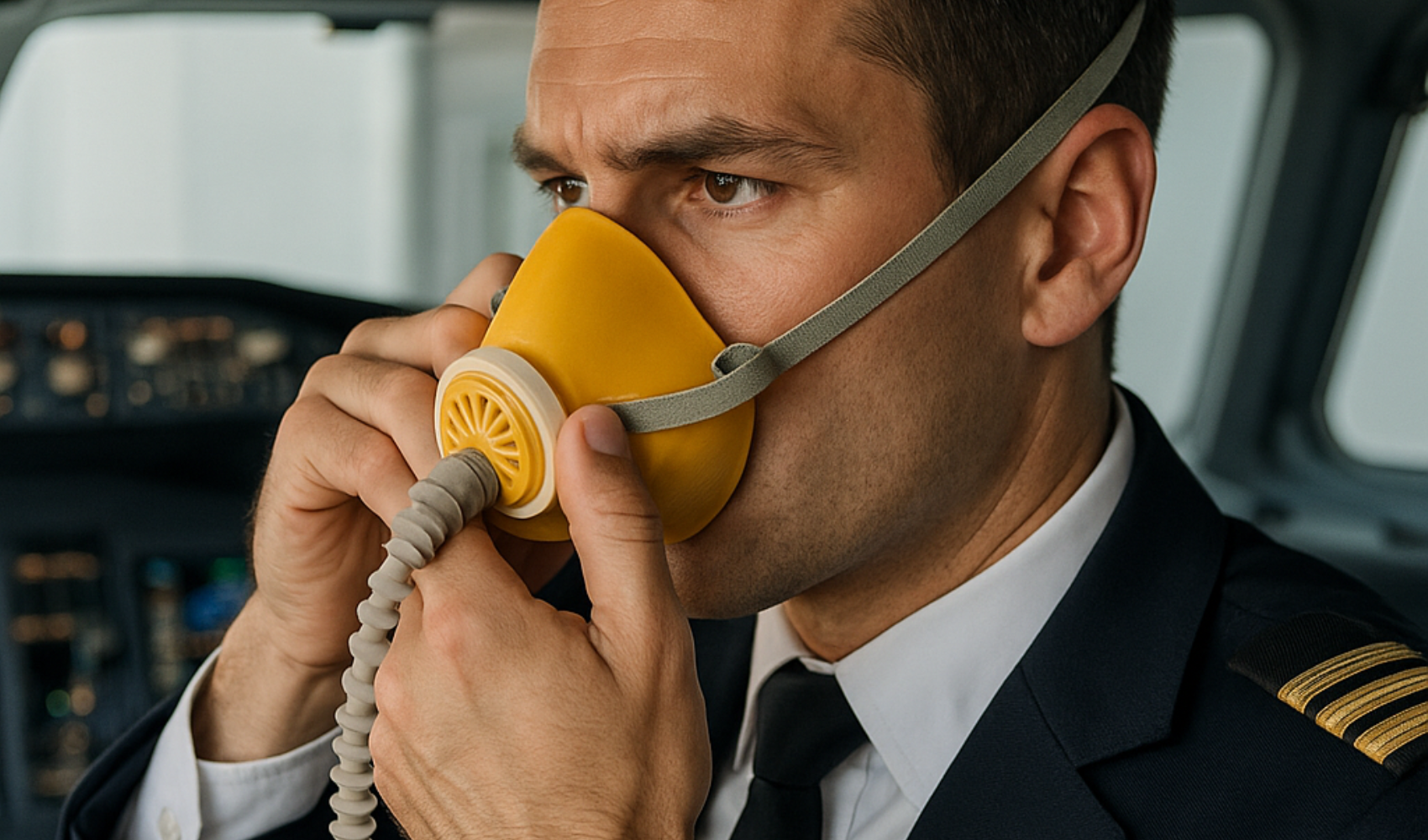
Researchers also examined ground services and aircraft maintenance personnel to determine if these results were caused by chemical factors such as jet fuel or hydraulic fluids. However, no increase in risk was observed in these groups. Experts emphasize that there is no cause for concern for passengers traveling by air; even a frequent flyer who takes ten intercontinental flights a year does not approach the radiation levels to which the crew is exposed.
THE SOLUTION LIES IN FLIGHT PLANNING
Adding armor to the fuselage to protect aircraft from radiation does not offer a viable solution, as high-energy cosmic rays produce more secondary particles when they strike the fuselage. For this reason, scientists argue that structural changes should be made to flight planning to protect airline employees. Limiting annual flight hours, ensuring the same crew is not constantly assigned to polar routes that contain high radiation, and changing flight paths during solar flares are among the prominent recommendations.
While the European Union has been implementing radiation limits and mandatory monitoring for airline employees for years, there is no comprehensive legislation on this issue in the US yet. Researchers underscore that tracking the total radiation dose to which flight crew are exposed throughout their entire careers on an individual basis is the most important and first step to be taken.
News Source: 12punto
Most Read

Price hike for Netflix Turkey plans

Market values updated in the Süper Lig

'Fatma Betül Sayan Kaya changed 60 chiefs of staff'
29 more workers dismissed at Üsküdar Municipality
'The league starts in a week, and there is no MHK'

Fear has gripped the mountains!

The amount Melis Sütşurup earned from the fund is staggering
Supreme Court ruling on retirement affects millions!

A magnificent farewell to Bosnia and Herzegovina legend Edin Dzeko

The American dream: Work and Travel