

Beware of blood clot risk in August heat: Vital precautions from an expert
According to experts, extreme heat, dehydration, and inactivity can increase the risk of blood clots. Drinking plenty of water, staying active, and monitoring for early symptoms are critical.



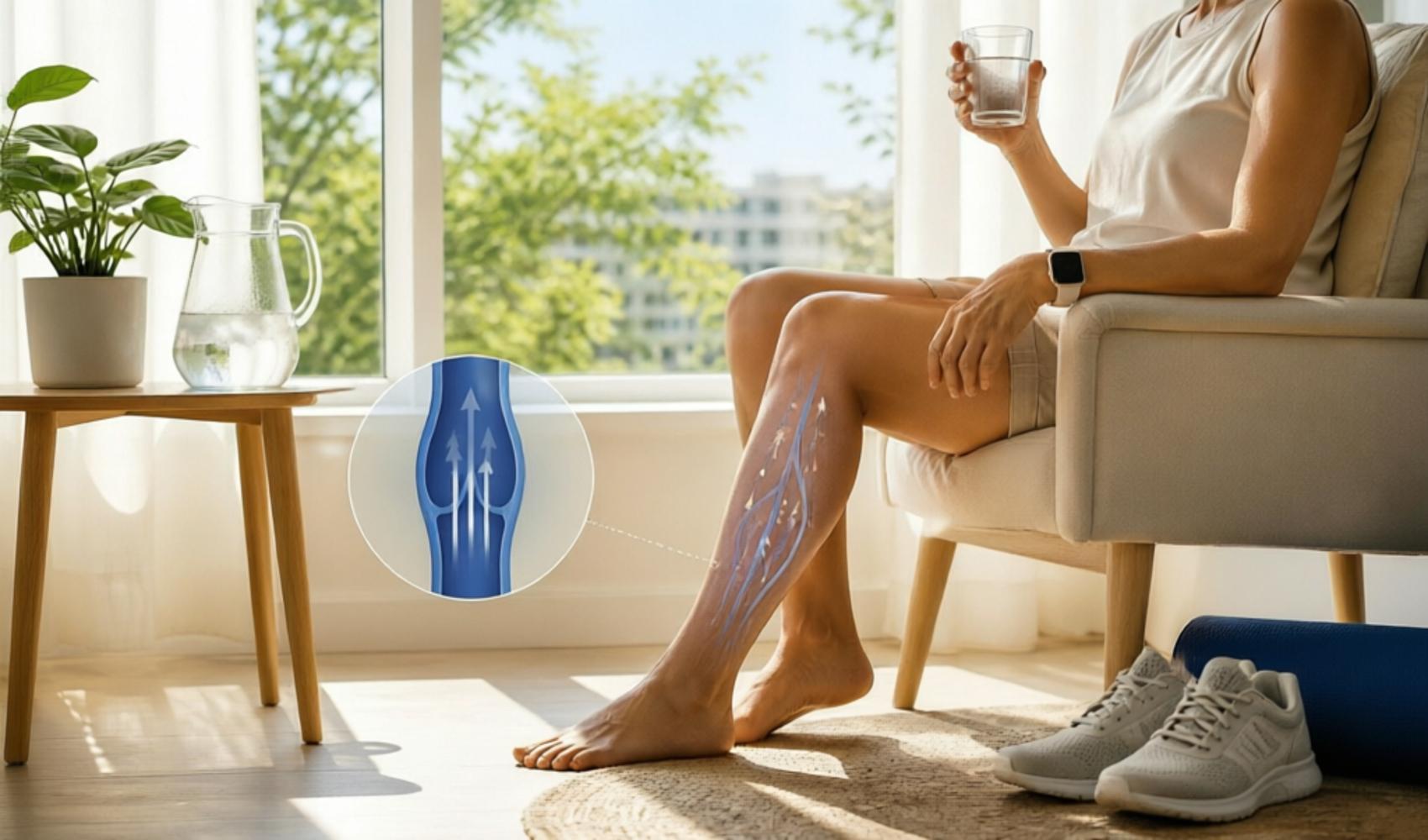
Hot weather, which intensifies in August, can affect not only daily comfort but also vascular health. Op. Dr. Hidayet Demir from the Department of Cardiovascular Surgery at Memorial Göztepe Hospital stated that fluid loss due to excessive sweating, prolonged inactivity, and slowed circulation can increase the likelihood of blood clot formation, especially in high-risk groups.
A blood clot is defined as the abnormal coagulation of blood within a vessel, partially or completely blocking it. This condition, most commonly seen in the deep veins of the legs, is called "deep vein thrombosis." One of the most serious risks is the clot breaking loose, traveling to the lungs, and causing a pulmonary embolism. Depending on the affected vessel, clots can also lead to severe consequences such as stroke or heart attack.
In hot weather, the body loses more fluid through sweating, which can cause the blood to thicken if sufficient water is not consumed. The dilation of blood vessels due to heat and the pooling of blood, especially in the leg veins, can also slow down circulation. Remaining in the same position for long periods reduces the natural pumping effect of the calf muscles that carry blood to the heart, thereby increasing the risk.
RECOMMENDATIONS TO REDUCE BLOOD CLOT RISK
According to Op. Dr. Demir, simple precautions that can be applied in daily life are of great importance to reduce the risk of blood clots. Especially in the summer months, drinking water without waiting to feel thirsty, walking regularly, and avoiding prolonged inactivity are among the fundamental steps for protection.
- - Drink water regularly throughout the day; do not neglect to replenish fluids lost in hot weather.
- - Those who work at a desk should make an effort to stand up and move briefly every hour.
- - Walk every day and avoid staying in the same position for long periods.
- - During plane, bus, or car journeys exceeding four hours, get up and walk or perform ankle exercises every 1-2 hours.
- - Consume plenty of water during long journeys and choose comfortable clothing that does not restrict circulation.
- - Maintain a healthy weight, stay away from cigarettes, and do not skip your chronic disease check-ups.
- - If you have had a blood clot before or are in a high-risk group, have regular physician check-ups.
- - Use protective measures such as blood-thinning treatment or compression stockings only upon a doctor's recommendation.
Those who have previously had a blood clot, individuals over 60, cancer patients, those who have undergone major surgery, those bedridden for long periods, pregnant women, and women in the postpartum period should be more careful. Obesity, smoking, diabetes, heart failure, and genetic clotting disorders are also cited among the factors that increase the risk.
Unilateral leg swelling, pain, increased warmth, and redness can be important symptoms of deep vein thrombosis. Sudden onset of shortness of breath, chest pain, palpitations, and coughing up blood are among the emergency symptoms that can occur if a clot reaches the lungs. If these complaints arise, it is necessary to apply to the nearest health institution without delay.
Experts emphasize that when a blood clot is detected early and treated appropriately, it can be largely brought under control. Adequate fluid intake, regular movement, and taking risk symptoms seriously during the summer months play a critical role in preventing life-threatening consequences such as pulmonary embolism, stroke, and heart attack.
News Source: 12punto
Most Read

Netanyahu shows pager at the UN

11 more arrests in the fund investigation
Is Greece emboldened because our nation doesn't know what 'Casus Belli' is?!

Did the fund crisis come in plain sight? Who won while the house was winning?

Searching for the left in Berlin and Europe: It's just not there!
Little America
Reactions from the 'Butlan' management continue following Mansur Yavaş's resignation from the CHP

Saudi Arabia calls for 'urgent' defense meeting with Turkey and Pakistan

Digital blockade: Will account bans be able to hide the truth?

A former MASAK Vice President is among them!