

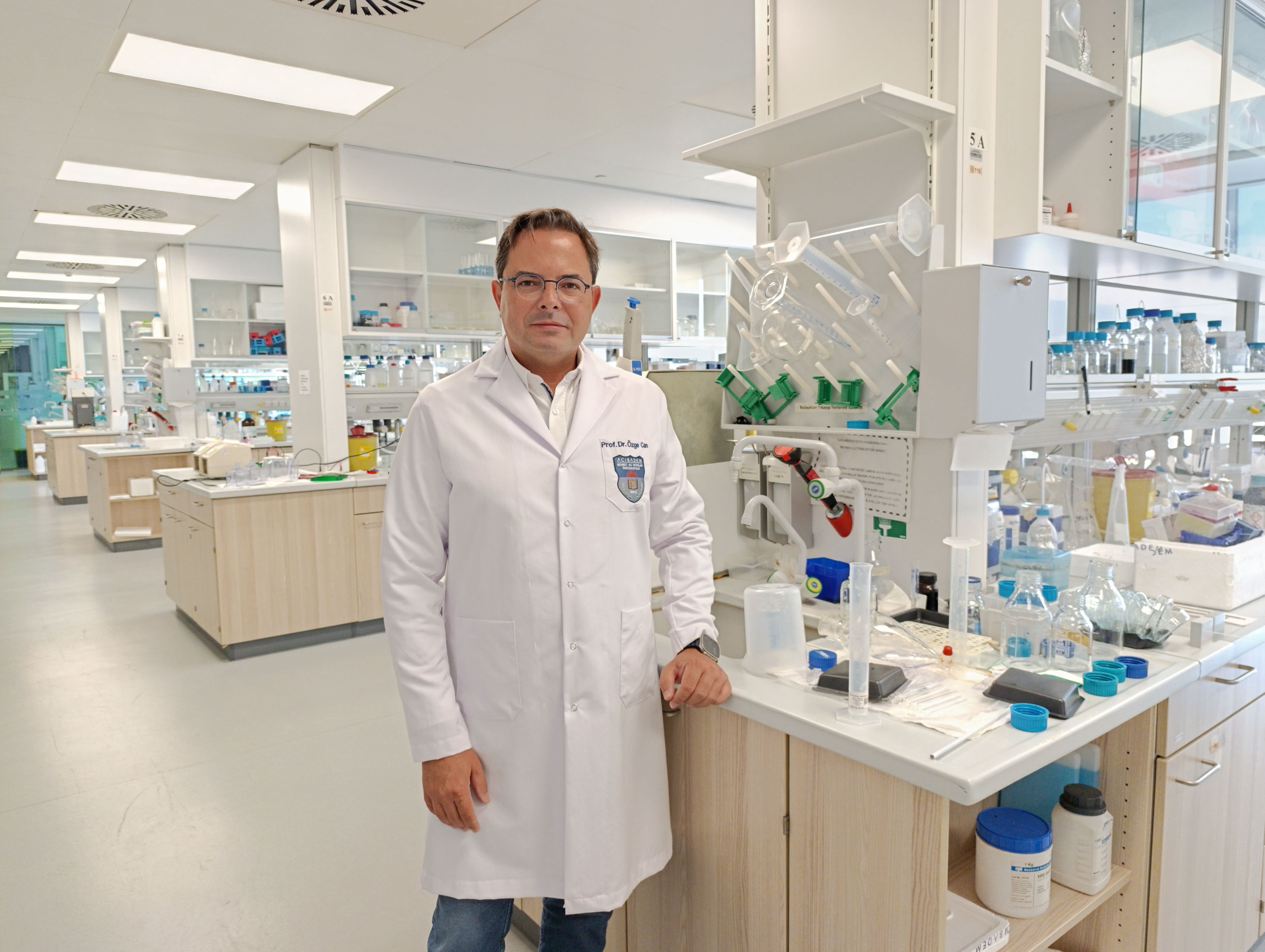
Prof. Dr. Özge Can: Artificial intelligence has become a strategic component in health technologies
Prof. Dr. Özge Can from Acıbadem University stated that artificial intelligence, biosensors, liquid biopsies, and targeted therapies are personalizing healthcare services.



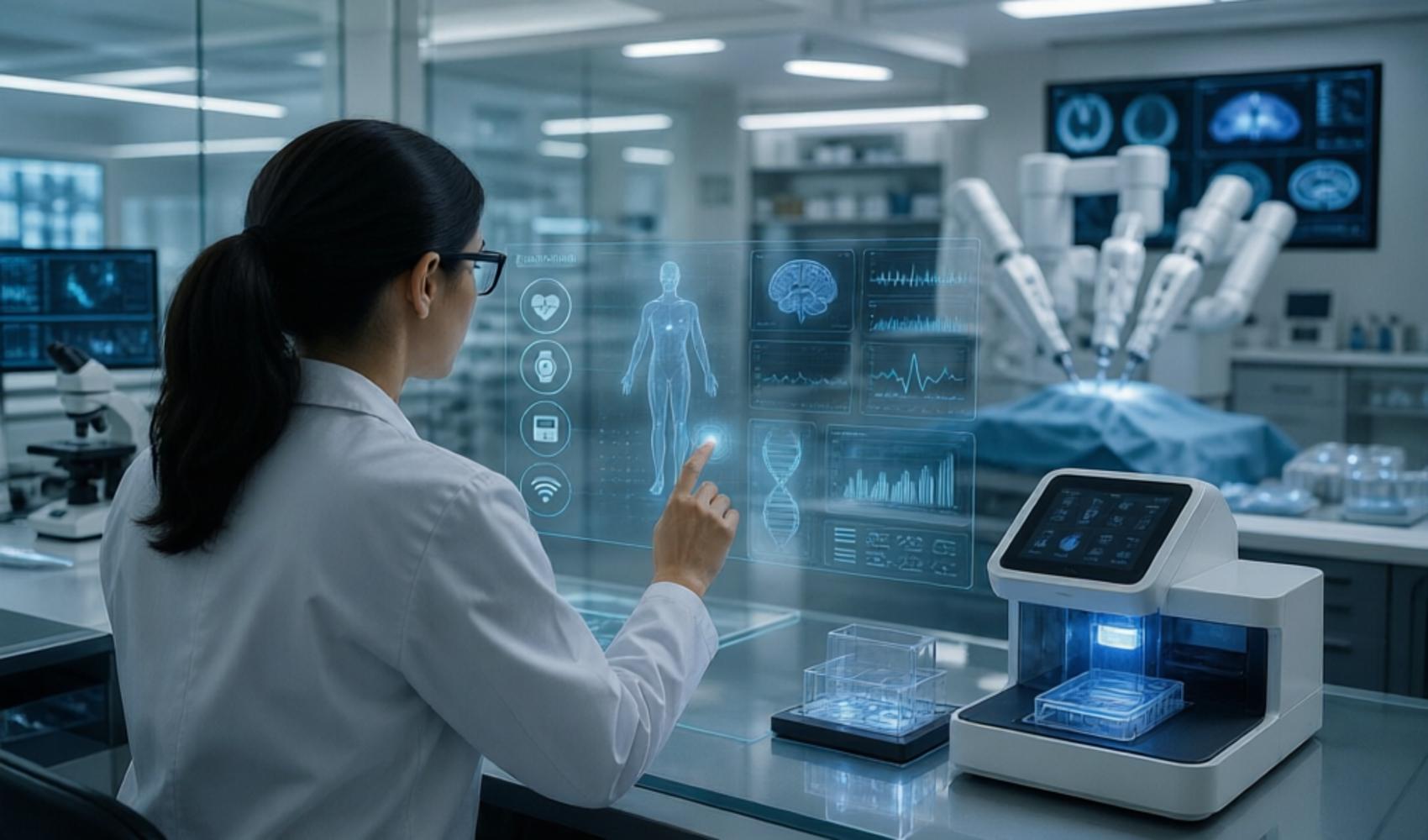
Digital transformation in the healthcare sector is reshaping many areas, from diagnosis to treatment and patient monitoring. Artificial intelligence-supported decision systems, wearable health technologies, biosensors, robotic surgery, liquid biopsies, and biotechnological drugs are paving the way for faster, more reliable, and personalized healthcare services.
Prof. Dr. Özge Can, Head of the Department of Biomedical Engineering at Acıbadem University, stated that the transformation in medical technologies is not limited to the development of devices alone, emphasizing that artificial intelligence has now become one of the strategic components of the healthcare system.
Artificial intelligence-supported medical systems make healthcare services more accessible, faster, and more reliable. However, the true value of the technology lies in its positioning as an assistant that enhances patient safety and treatment efficacy.
EARLY WARNING IN DIAGNOSIS, PERSONALIZED APPROACH IN TREATMENT
Artificial intelligence-based applications are among the leading fields in medical technologies. The goals include detecting diseases earlier through big data analysis, interpreting imaging systems with higher accuracy, and strengthening clinical decision support mechanisms. Algorithms used in many fields of medicine, especially oncology, provide support to physicians in diagnostic processes.
Molecular diagnostic methods and microfluidic chip technologies are also noteworthy in terms of early diagnosis and personalized medicine. Liquid biopsy applications, which can detect tumor DNA from a single drop of blood, and nano-biosensors allow for the detection of diseases before they show clinical symptoms. These technologies increase patient comfort during the diagnostic process while also shortening the time to start treatment.
According to Can, some current diagnostic technologies also allow individuals to collect their samples in certain situations without the need for healthcare personnel. It is evaluated that this could make public screening programs more effective, less disruptive to patient comfort, and more cost-effective.
The field of biopharmaceuticals, which is developing at the intersection of biomedical engineering and biotechnology, is also changing treatment protocols. Monoclonal antibodies, bispecific antibodies that can bind to two different targets, antibody-drug conjugates, and systems that carry drugs to target cells are cited as tools that can increase treatment success. Peptide-based drugs and mRNA-based therapies offer targeted options in a wide range of areas, from metabolic diseases to rare genetic disorders and oncology.
Prof. Dr. Özge Can predicted that peptide-based drugs might replace antibodies in the near future and could facilitate access to these treatments. Can stated that personalized health applications are beginning to replace the classic 'one-size-fits-all' treatment approach.
Wearable health technologies are also one of the important topics of this transformation. Smartwatches, sensors placed on the skin, and continuous glucose monitoring systems can continuously track data such as heart rate, blood sugar, blood pressure, sleep patterns, respiratory rate, and physical activity. This data is transferred to healthcare professionals via remote patient monitoring platforms, contributing to the early identification of potential risks.
In cancer patients, the analysis of radiological images and pathology samples with artificial intelligence algorithms can help detect tumors at an earlier stage. In cardiology, smart rhythm monitoring systems support the early detection of rhythm disorders such as atrial fibrillation, while in neurology, wearable sensors can be used to monitor rehabilitation processes for Parkinson's, epilepsy, and post-stroke recovery.
EMPHASIS ON UNIVERSITY-INDUSTRY COLLABORATION
While robotic surgery systems provide advantages to surgeons in precise operations, rehabilitation robots, smart prosthetics, personalized implants produced with 3D printers, and biomaterials are also creating new opportunities in treatment processes. Can stated that biomedical engineering lies at the intersection of electronics, software, artificial intelligence, basic sciences, materials science, and data analytics, expressing that an interdisciplinary approach determines the speed of innovation.
Collaborations between universities, healthcare institutions, and technology companies in Turkey also play a critical role in the development of next-generation medical technologies. It was reported that joint R&D and clinical research are being conducted at the Acıbadem University Department of Biomedical Engineering on artificial intelligence-supported health technologies, wearable sensor systems, digital health solutions, and objective assessment systems.
Global competition in health technologies is possible not only by conducting good research but by transforming this research into products that create value for society. Universities, the entrepreneurship ecosystem, and industry collaborations form the fundamental building blocks of this transformation.
Developments in medical technologies are expected to create stronger impacts at every stage of the system in the coming years, from preventive healthcare services to diagnosis, and from treatment to rehabilitation. This transformation will change not only the way healthcare professionals work but also the experience of individuals in accessing healthcare services.
News Source: 12punto
Most Read

Netanyahu shows pager at the UN

11 more arrests in the fund investigation

Is Greece emboldened because our nation doesn't know what 'Casus Belli' is?!
Did the fund crisis come in plain sight? Who won while the house was winning?

Searching for the left in Berlin and Europe: It's just not there!
Little America

Reactions from the 'Butlan' management continue following Mansur Yavaş's resignation from the CHP

Saudi Arabia calls for 'urgent' defense meeting with Turkey and Pakistan

Digital blockade: Will account bans be able to hide the truth?
A former MASAK Vice President is among them!