

Why can't we sleep on the first night in a strange place? Scientists examine the brain's state of alarm
It is stated that the insomnia experienced on the first night of a trip is related to the brain remaining on alert against dangers in an unfamiliar environment.



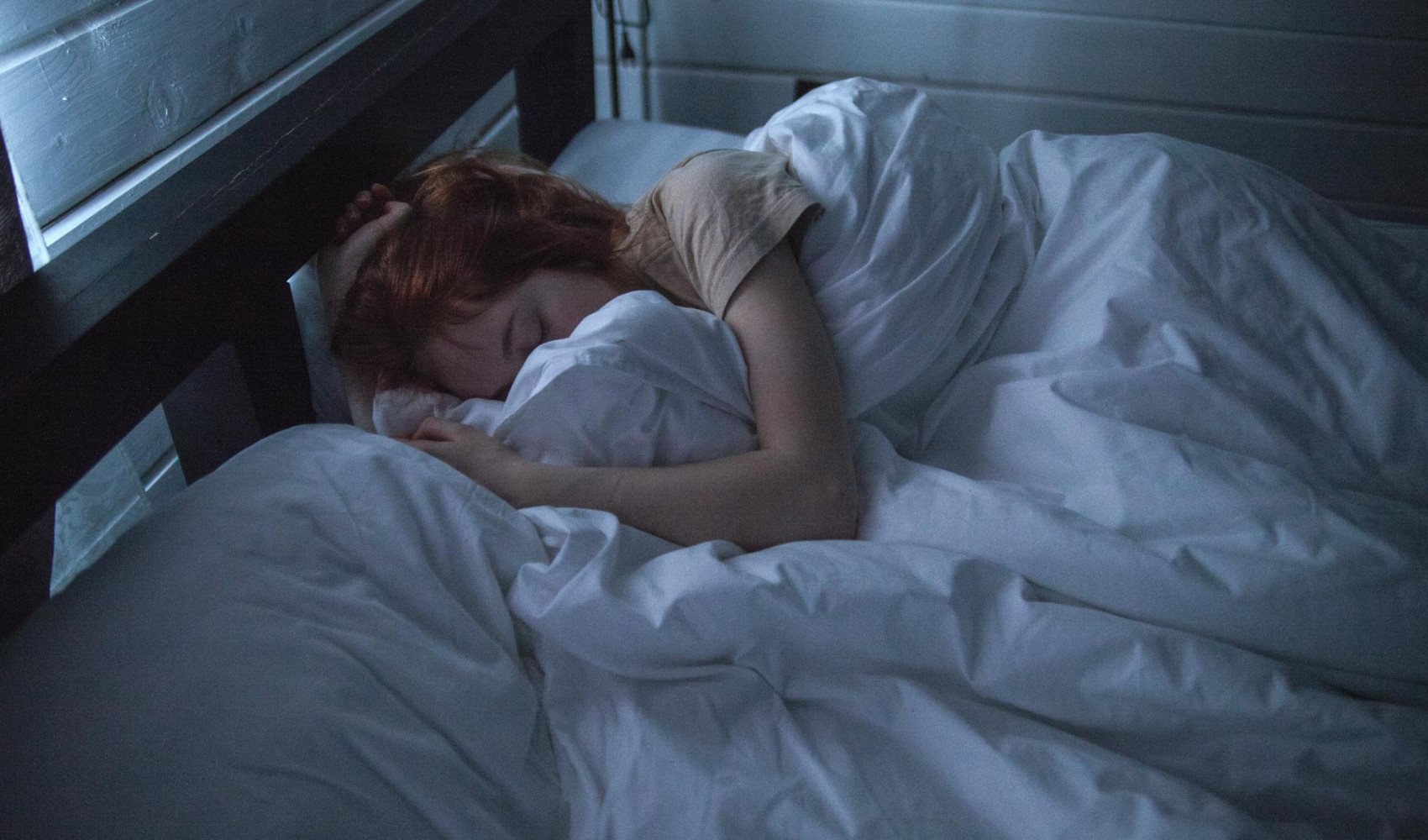
Being unable to fall asleep on the first nights spent on vacation, business trips, or as a guest is a familiar situation for many people. According to research, this problem is not explained solely by an uncomfortable bed or disrupted habits; the brain remaining more vigilant against dangers in an unfamiliar environment also plays a decisive role.
The phenomenon known in medical literature as the "First-Night Effect" is associated with the brain's difficulty in fully switching to rest mode while sleeping in a new location. As reported by the AP, neurological data evaluated by experts from the University of Freiburg and the University of Pittsburgh show that unfamiliar environments create a kind of state of alarm in the brain.

WHY DOES THE BRAIN REMAIN ON ALERT?
Clinical findings and EEG recordings indicate that when sleeping in a new place, the frontal lobe, which is one of the regions linked to deep sleep, can remain more active than usual. For this reason, a person may wake up more frequently, have difficulty falling asleep, and struggle to enter the deep stage of sleep considered restorative.
Research indicates that people can sleep an average of 20 to 30 minutes less in a new environment. Psychiatrist Prof. Dr. Ahmad Mayeli compares this mechanism to the defensive behavior in marine mammals. Just as dolphins sleep by keeping one half of their brain awake against predators, it is stated that the human brain can also prevent full-capacity relaxation against potential risks in an unfamiliar environment.

Experts also emphasize that the first-night effect is not seen with the same intensity in everyone. According to evaluations in the sources, while young adults may be less affected by this situation, the process of adapting to a new environment can be felt more significantly in children, adolescents, and the elderly.
Psychological factors can also accompany the biological state of being on alert. The thought, "I won't be able to sleep tonight either," can make falling asleep even more difficult. Tossing and turning in bed for a long time, constantly checking the clock, or thinking about the next day's schedule can increase stress levels and strengthen signals of wakefulness.
WHAT CAN BE DONE TO REDUCE THE FIRST-NIGHT EFFECT?
Experts' recommendations focus on ensuring the brain perceives the new environment as safer and more familiar. Taking personal items such as a pillow used at home, a small blanket, or a familiar scent on the trip can be helpful in this regard.
Instead of trying to sleep as soon as you enter the room, reading a book in bed for a short time or practicing a calming routine can also make it easier to get used to the environment. Additionally, it is recommended to keep the room dark and cool, reduce screen use before bed, and avoid activities that will create stress close to bedtime.

If there is an important meeting, exam, or busy schedule the next day, experts recommend traveling a day earlier if possible. This way, the body and brain can find more time to adapt to the new location.
News Source: 12punto
Most Read

Netanyahu shows pager at the UN

11 more arrests in the fund investigation

Is Greece emboldened because our nation doesn't know what 'Casus Belli' is?!

Did the fund crisis come in plain sight? Who won while the house was winning?

Searching for the left in Berlin and Europe: It's just not there!

Little America

Reactions from the 'Butlan' management continue following Mansur Yavaş's resignation from the CHP

Saudi Arabia calls for 'urgent' defense meeting with Turkey and Pakistan

Digital blockade: Will account bans be able to hide the truth?

A former MASAK Vice President is among them!