

Why do mosquitoes bite some people more? New research points to skin bacteria
A new study has shown that in addition to carbon dioxide and body heat, odors produced by skin bacteria may also play a role in how mosquitoes select their targets.



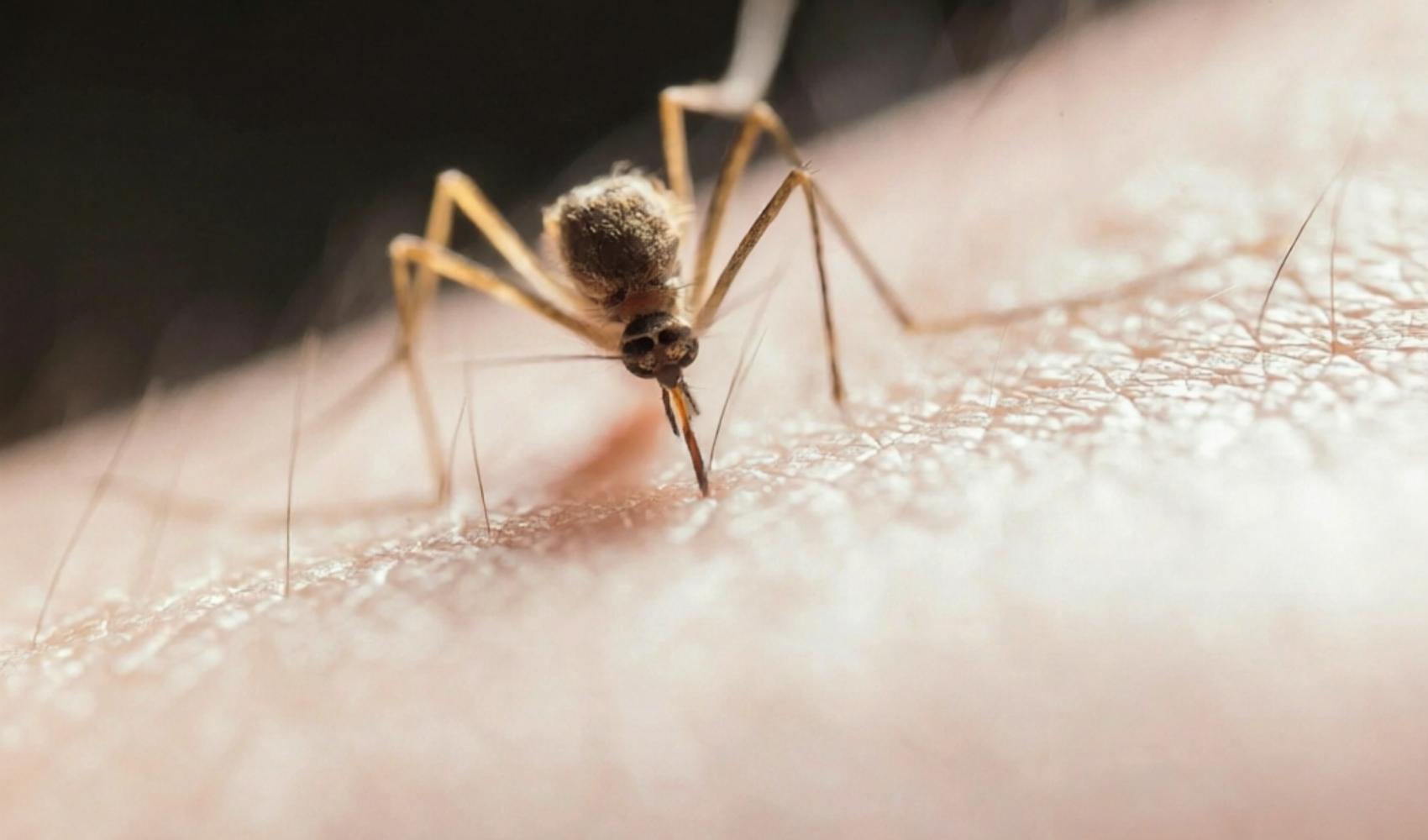
During the summer months, some people in the same environment face intense attention from mosquitoes, while those next to them are barely bitten at all. A new study on the reason for this difference has highlighted the odor profile created by bacteria living on human skin.
According to the study published in the journal iScience, mosquitoes do not only follow signals such as carbon dioxide, body temperature, and humidity when finding humans. Volatile chemical compounds produced by bacteria that interact with sweat, sebum, and the skin's natural secretions can also alter the scent perceived by mosquitoes.
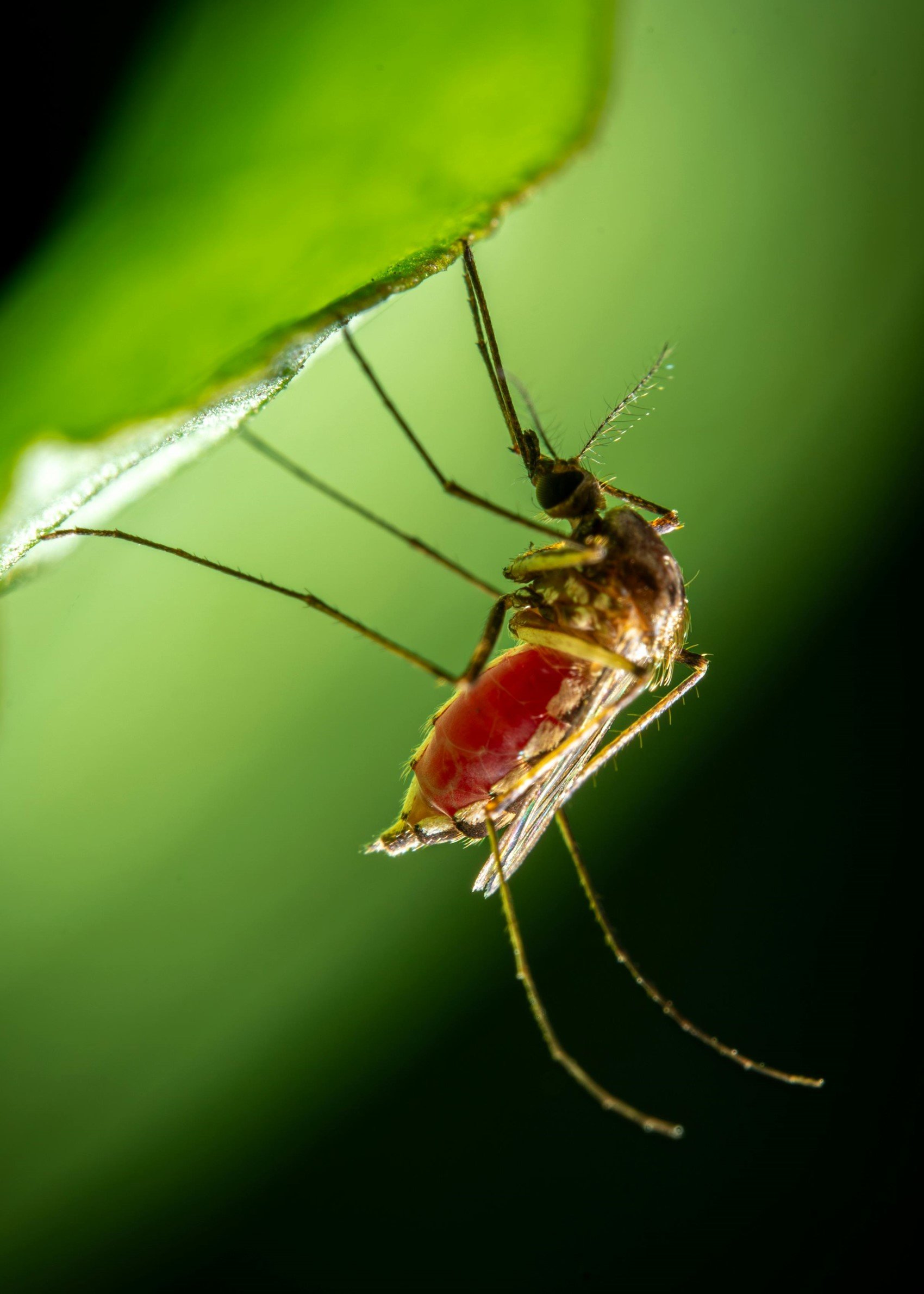
THREE DIFFERENT MOSQUITO SPECIES TESTED
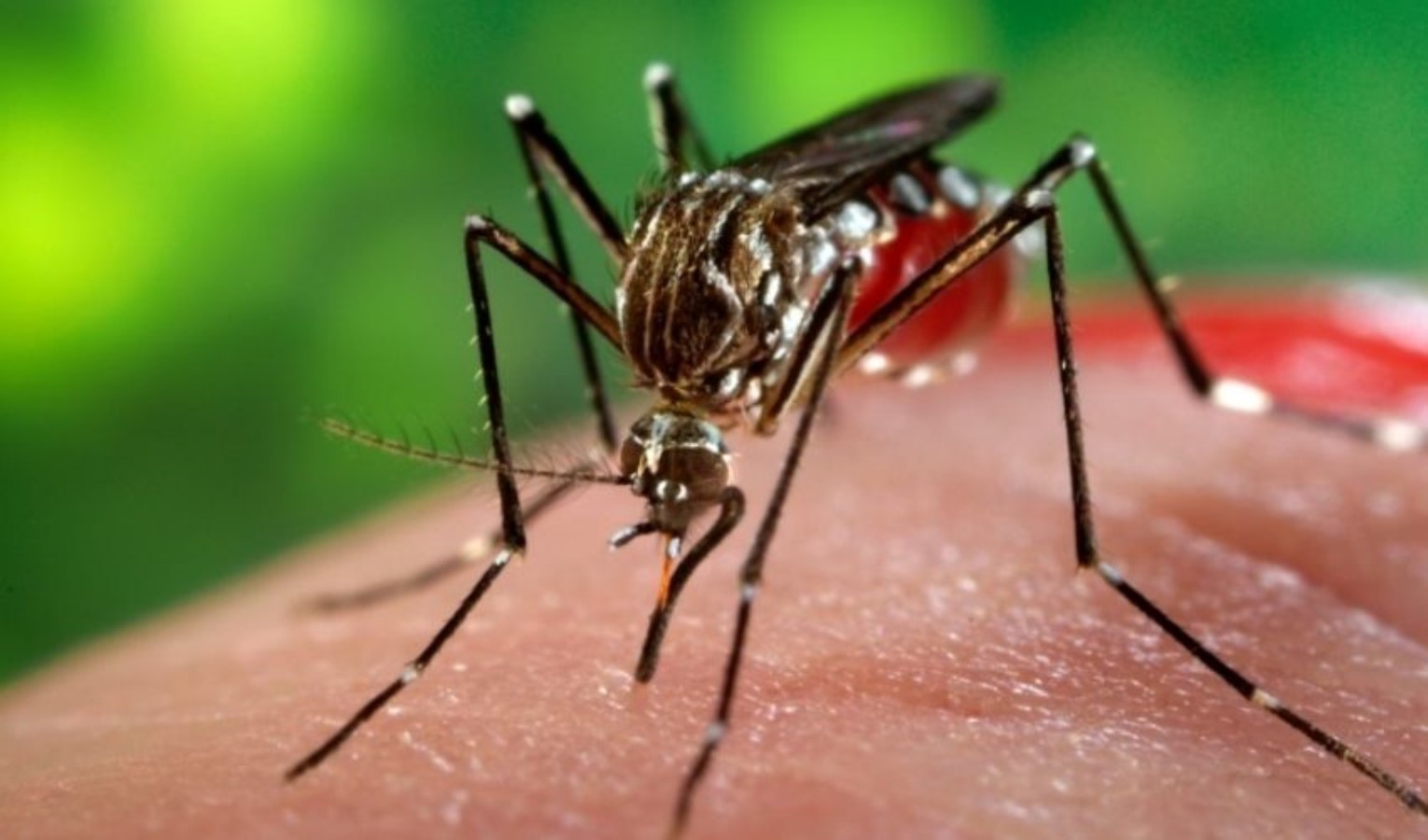
Researchers compared the scent of approximately 120 volunteers in Miami with three mosquito species. The experiments used the yellow fever mosquito Aedes aegypti, the Asian tiger mosquito Aedes albopictus, and the southern house mosquito Culex quinquefasciatus.
The study did not only observe which volunteers the mosquitoes were drawn to. Samples were taken from the air around the participants' skin, and the chemical compounds that make up their odor profile were analyzed. Additionally, microorganisms living on the skin were examined via DNA sequencing using swab samples taken from the forearm.
The results revealed that there is no single "attractive human scent" that applies to all mosquitoes. A chemical profile that makes a person more attractive to Aedes aegypti may not have the same effect on another mosquito species.
246 DIFFERENT MICROBE SPECIES IDENTIFIED
A total of 246 different types of microbes were identified on the volunteers' skin in the study. The presence of these microorganisms in varying proportions from person to person also leads to changes in the odors arising from sweat and skin oils. Thus, every human can carry a unique odor profile that mosquitoes can perceive.
According to the findings, Aedes aegypti showed a slight preference for male participants; however, no significant difference was found between women and men for the Aedes albopictus and Culex quinquefasciatus species. For this reason, researchers state that gender cannot be considered a general attractiveness factor for all mosquito species.
The Asian tiger mosquito, Aedes albopictus, was seen to show more interest in people carrying certain odor compounds such as ketones. This finding indicates that mosquitoes may use both common and species-specific chemical cues in host selection.
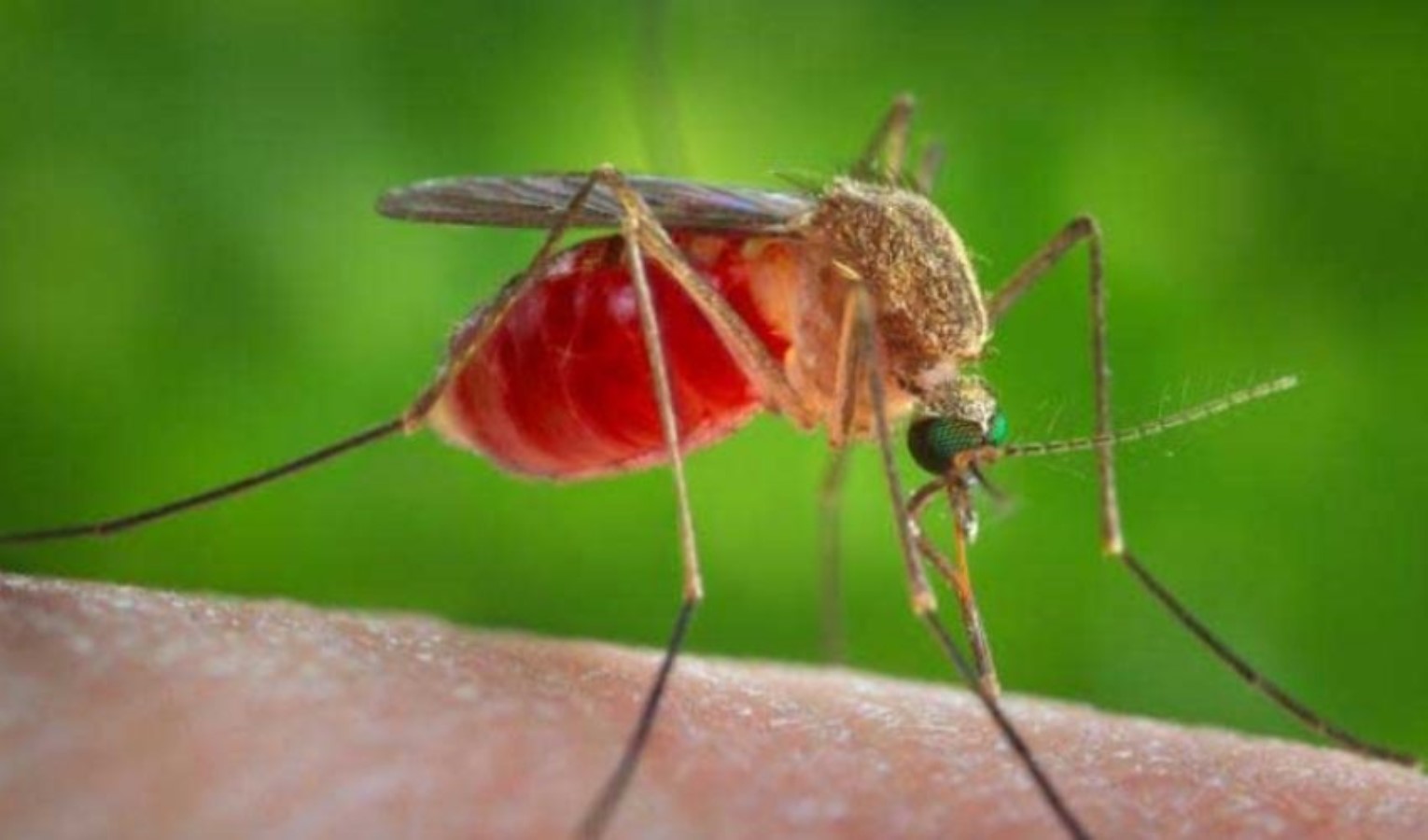
The research emphasizes that, contrary to the common belief that mosquitoes detect a person's blood type from a distance and head directly toward that person, the primary signals are carbon dioxide, temperature, humidity, and the volatile compounds that make up skin odor.
Scientists believe that by determining in more detail which skin bacteria produce compounds that attract or repel mosquitoes, new microbiome-based protective methods could be developed in the future. It is stated that such studies could also offer new tools in the fight against mosquito-borne diseases such as dengue fever, Zika, chikungunya, and West Nile virus.
News Source: 12punto
Most Read

Netanyahu shows pager at the UN

11 more arrests in the fund investigation

Is Greece emboldened because our nation doesn't know what 'Casus Belli' is?!

Did the fund crisis come in plain sight? Who won while the house was winning?

Searching for the left in Berlin and Europe: It's just not there!

Little America

Reactions from the 'Butlan' management continue following Mansur Yavaş's resignation from the CHP

Saudi Arabia calls for 'urgent' defense meeting with Turkey and Pakistan

Digital blockade: Will account bans be able to hide the truth?

A former MASAK Vice President is among them!