Assets recovered through "voluntary restitution" and "recovery" in fund investigations are being closely monitored, not only for the judicial process but also for the remediation of losses suffered by victimized investors.
Justice Minister Akın Gürlek's announcement on November 17, 2026, that approximately 40.4 billion TL had been recovered from 75 individuals within the scope of ongoing fund investigations has brought the question of how this money and these assets are being managed back to the agenda.
While the total amount recovered has been highlighted in public statements, detailed information has not been shared regarding how much of this resource has been paid directly to victimized investors, how many people have had their losses covered, how the payment amount per person is determined, and under which financial relationships the 75 individuals made their payments.
For this reason, the process is being debated not only for the scale of the recovery but also for its dimensions of transparency and accountability.
WHY IS THE CONTENT OF THE RECOVERY IMPORTANT?
Announcing the total amount of 40.4 billion TL alone is not sufficient to show the extent to which grievances have been addressed. This is because whether the entire recovered value is cash, or if it includes real estate, stocks, or other financial assets, and the date and method by which these assets were valued, directly affects the outcome of the process.
When non-cash assets are involved, the valuation date, the institution performing the valuation, and the sales method become critical. There may be a difference between the paper value of a property or a publicly traded stock and the cash equivalent that can be distributed to victims. This difference lies at the heart of the question of how much of the investors' losses can be covered.
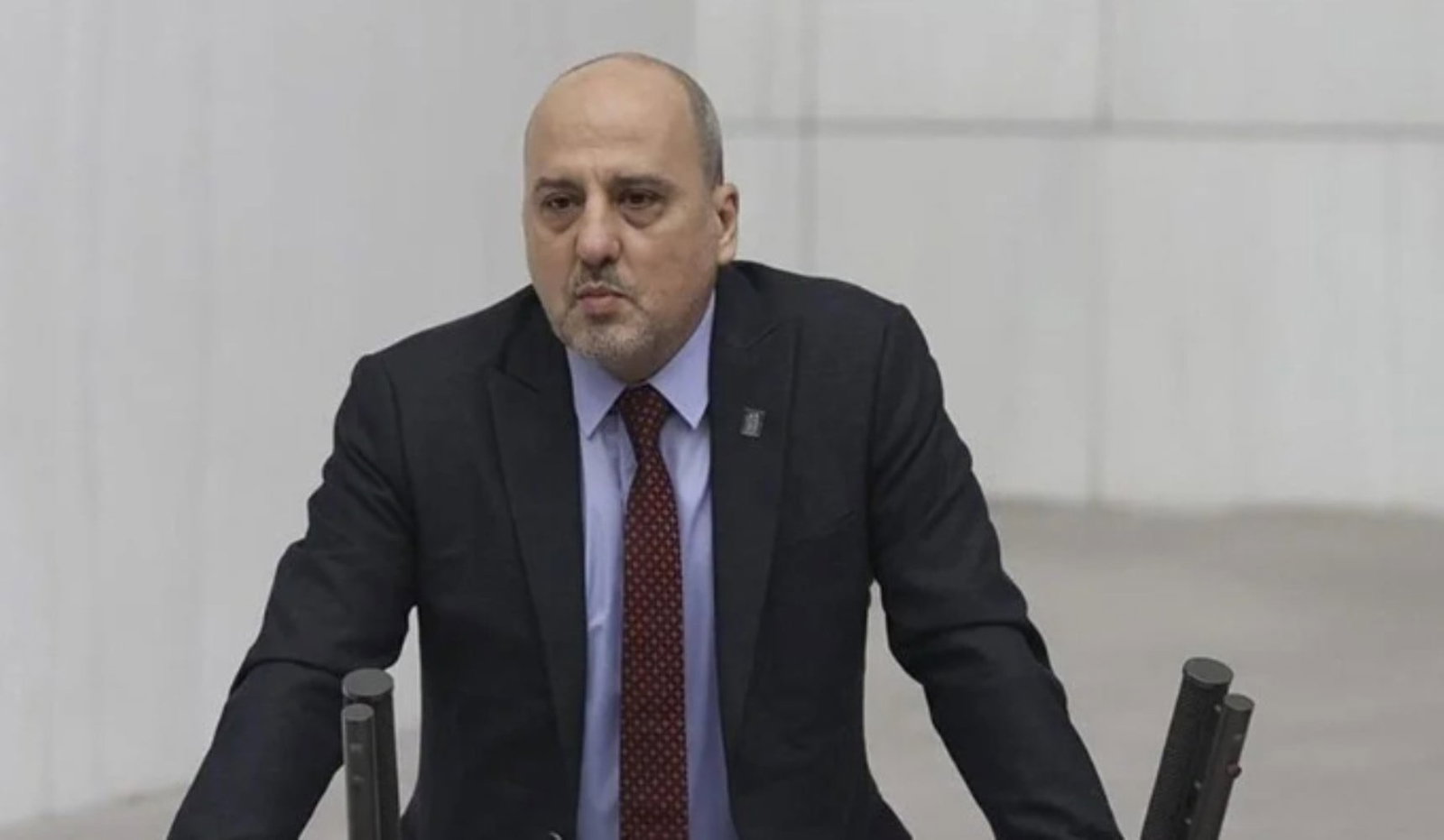
The questions shared by Ahmet Şık also focus on this point.
In a set of questions directed to Justice Minister Akın Gürlek and Treasury and Finance Minister Mehmet Şimşek, Şık asked how much of the 40.4 billion TL recovered was cash and how much was in-kind or financial assets; how non-cash items were valued; and how much of this amount was transferred to the voluntary restitution account within the Savings Deposit Insurance Fund (TMSF).
LEGAL STATUS OF THE 75 INDIVIDUALS AND THE SOURCE OF RESTITUTIONS
Another dimension of the process is the identity of the 75 individuals who made voluntary restitution and their legal status in the investigations.
While ministry statements indicate that the legal responsibilities of those who made voluntary restitution continue, the fundamental question the public is waiting for an answer to is under which accusations, which companies, which funds, and which financial relationships these restitutions were made.
Among the questions posed by Şık were the names of these individuals, their companies, their positions in the investigation, and the amounts they returned on an individual basis. If names cannot be disclosed due to the confidentiality of the investigation or the protection of personal data, it was requested that at least an anonymized recovery table be shared.
This request brings up the delicate balance between the confidentiality of criminal investigations and the need for public oversight.
Whether any protocol, settlement, commitment, or legal guarantee was provided to the individuals making the restitution; and whether any commitments were made regarding sentence reductions, judicial control, detention assessments, or asset measures in exchange for payment are also among the topics requested to be clarified.
SEARCH FOR CRITERIA IN PAYMENTS TO VICTIMS
One of the most critical stages in fund investigations is delivering the recovered resources to the actual rightful owners. At this point, data such as the amount paid to victimized investors to date, the number of people paid, the distribution by funds, and the average payment per person are important, not just the total recovery.
The questions awaiting answers also cover the method used for calculating losses. It is unknown whether the investor's principal loss, the value of the fund share at the time of investment, the value at the time of liquidation, or another calculation is taken as the basis when determining grievances. Whether inflation, interest, or other economic losses suffered by the investor are taken into account are also among the factors that directly affect the perception of justice in the process.

How a ranking will be made among investors who suffered losses within the same fund also remains uncertain. Whether there is a mechanism that ensures equal and proportional payment to all investors, and if partial payments are to be made, what rules the priority system is tied to, are among the issues that need to be explained in terms of public interest.
DIVISION OF LABOR BETWEEN INSTITUTIONS
The division of labor between the Ministry of Justice, the TMSF, the Capital Markets Board (SPK), and other relevant institutions for the distribution of the recovered amount to victims is also decisive for the functioning of the process.
Without knowing which institution makes the payment decision, on what legal basis, and according to what criteria, it becomes difficult to speak of a predictable schedule for the victims.
Şık's questions also include which funds have completed the liquidation process, and a request for the disclosure of the total number of investors in these funds, the identified losses, the recovered resources, and the amount paid to victims.
For funds where liquidation has not been completed, it is asked what procedures are being awaited for payment and when victims might receive payments.
The financial audit dimension of the process is also important.
Whether an independent financial audit is being conducted regarding the use, distribution, and management of the resources recovered within the scope of voluntary restitution and recovery; if so, which institution is conducting the audit, and whether the results will be shared with the public, stands out as one of the fundamental elements of establishing trust.
HOW MUCH OF THE TOTAL GRIEVANCE WILL BE COVERED?
It is not yet clear whether the 40.4 billion TL recovery will be sufficient to cover the losses of all investors who suffered from the fund investigations.
To understand this, the total amount of grievances, the current value of the recovered and liquidable assets, and the usable portion of the seized or frozen assets need to be disclosed together.
For this reason, the focus of the debate is not only on "how much was recovered" but also on the question of "to whom, when, by what method, and according to what criteria this recovery will be delivered."
For victimized investors, the real result will be measured not by the total figure announced, but by the extent to which individual losses are compensated and the schedule for doing so.
A detailed financial table, stripped of personal data and released to the public, could both make it easier for victims to follow the process and increase confidence in the financial dimension of the investigations.
The next stage in the fund investigations will be the transparent monitoring of the recovered resources and demonstrating that the grievances are being addressed with concrete data.
News Source: 12punto