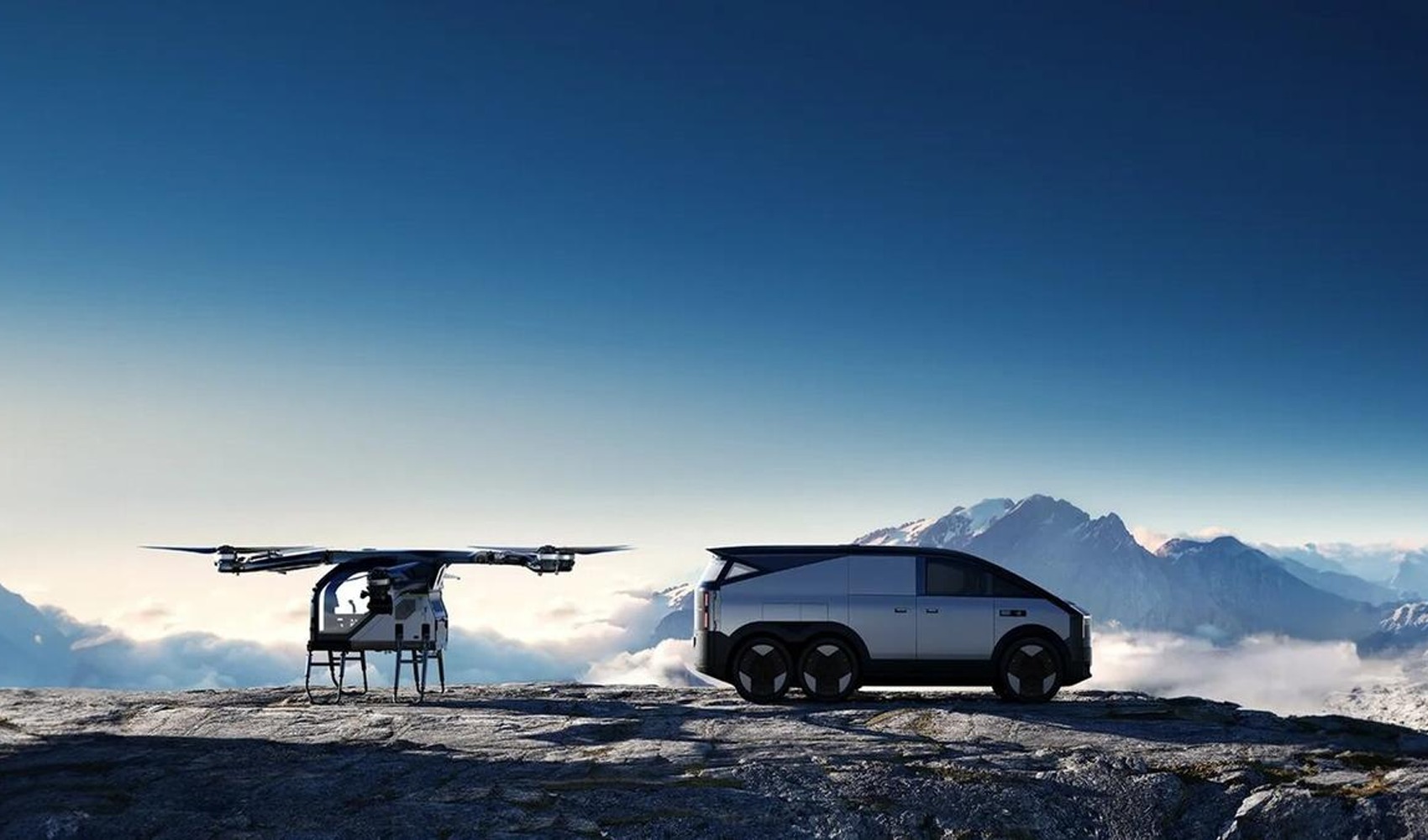
Chinese electric vehicle manufacturer XPeng has developed a two-part solution in the flying vehicle race, rather than trying to make the entire car fly. The system, called Aridge, which was introduced at the Web Summit in Lisbon, combines a six-wheeled electric all-terrain vehicle that travels on land with a two-person aircraft carried in the rear section of this vehicle.
The system, which is planned to be offered at a price of approximately 300 thousand dollars, is targeted to begin limited commercial flights in the second half of 2027. Among the first areas of use, emergency services, missions requiring intervention in difficult terrain conditions, and adventure-focused usage scenarios stand out.
XPeng's approach stands at a different point from Elon Musk's Tesla Roadster prototype, which can jump into the air with rocket thrusters. While the company's CEO, Deli Zhao, argues that the vehicle Tesla showed does not fly but only jumps, he emphasizes that an independent aircraft in XPeng's solution can perform vertical take-off and landing.
OVER 1,000 KILOMETERS OF RANGE ON LAND
The "mothership" of the Aridge system on land is approximately 5.5 meters long. It is stated that the six-wheeled electric carrier can fit into a standard parking space and offers a range of over 1,000 kilometers on land. Thanks to this structure, the aircraft can be transported by land to the region where the flight will take place.
The two-person module, which is removed from the rear compartment, unfolds its folded parts to become ready for flight. Produced entirely from carbon fiber, the aircraft is in the eVTOL class with its six-propeller electric vertical take-off and landing system.
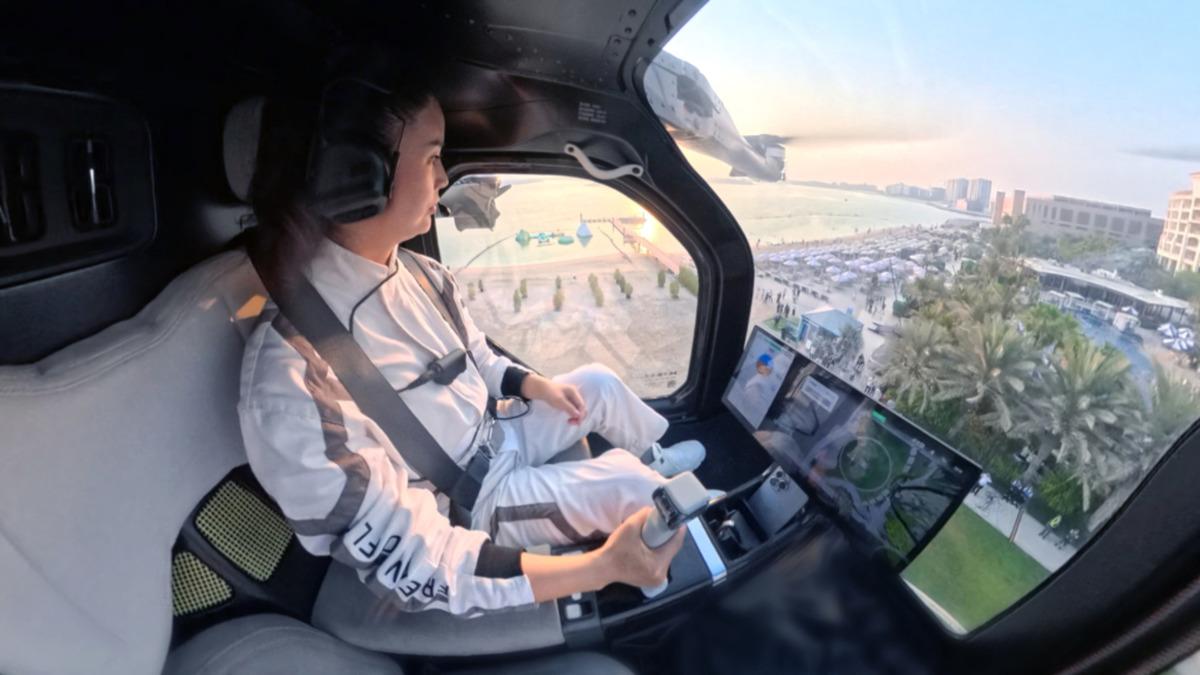
The vehicle has both manual and autonomous flight modes. In manual use, control is provided via a joystick. According to Zhao's claim, it takes about five minutes to learn how to use the system.
The aircraft's current flight range is at the 30-kilometer level. XPeng aims to double this distance in a short time by increasing battery energy density. It is reported that the module can climb up to an altitude of 1 kilometer.
It is stated that the system will be used in a limited manner with approved parking areas and specific missions in China in the first stage. For this reason, Aridge is positioned more as a solution that will work in defined regions and special scenarios in the short term, rather than a personal transportation vehicle that can fly freely everywhere.
News Source: 12punto