


Atatürk, Kemalism, and Third-Worldism


Before 1980, when Turkey was going through dark days, the sociologist Prof. Dr. Cavit Orhan Tütengil, one of our most important intellectuals who was murdered in 1979, described the influence of Gazi Mustafa Kemal Atatürk and Kemalism on oppressed nations, third-world countries, and downtrodden peoples as follows: “Downtrodden peoples are the middle name of the third world.” And he wrote: “The widespread use of the term ‘Third World’ to describe the community of underdeveloped countries can be linked to the Bandung Conference held in 1955. However, the term ‘Downtrodden Peoples,’ which was previously used to characterize the ‘Third World’ that had left the colonial period behind and reached the stage of ‘national awakening’ or had taken up arms to expel the ‘invaders’ from their countries, belongs to Mustafa Kemal. For this reason, we can say that the middle name of the term ‘underdeveloped countries,’ which is frequently used today, was given by Atatürk.” (Atatürk and the Third World, Cumhuriyet, 15. 11. 1966).
Tütengil’s definition, in addition to identifying Atatürk’s influence in the third world, also encompasses the great savior’s national, nationalist, revolutionary, full-independence-seeking, and anti-imperialist qualities. Because Gazi Mustafa Kemal is a national leader because he established a unitary nation-state based on national sovereignty, which takes national consciousness, citizen identity, and the equality of citizens as its basis (not equal citizenship, mind you, there is a world of difference between the two, just like the difference between laicism and secularism), and is jealous regarding full independence; and he is a nationalist leader because he is the leader who prevented the erasure of Turks from Anatolia, tore up the Treaty of Sèvres, and made the Turkish Nation sovereign in its own homeland. Being both national and nationalist has also integrated with the Gazi’s (my late master, the great intellectual, thinker, and poet Attila İlhan always called him Gazi) qualities as a people’s leader, state founder, soldier, revolutionary, and national liberation fighter. His adversaries have neither been able to cast a shadow over Atatürk nor have they been able to discredit him.
Moreover, Mustafa Kemal Pasha has gone down in history not only as the victorious commander-in-chief of the War of Independence, but also as a leader who fought under the will and administration of the Parliament, the Gazi Parliament, and as a founding leader who fought against Western imperialism, defeated it, and subsequently established a modern republic despite imperialism. This is what makes Atatürk the leader whom imperialist powers hate the most and can never forget, and what makes him a source of inspiration for downtrodden peoples. For this reason, in a survey conducted online by the National Army Museum in London in 2012, which asked the question “Who is the greatest enemy of the British?”, Atatürk came out in first place. This result is just one of the proofs that Atatürk has won every war he has entered, even after his death.
ATATÜRK’S INFLUENCE IN THE OPPRESSED WORLD
Let us come to Atatürk’s influence on downtrodden peoples, oppressed nations, the third world, or in the common parlance of recent times, the global south. From Gamal Abdel Nasser in Egypt, to the Ba'ath movement in Syria and Iraq, to the progressive, enlightenment-oriented, socialist, nationalist young cadres in Latin America (these cadres are also referred to as Young Turks in their own countries, Jovens Turcos in Portuguese), to the revolutionaries in China, from Gandhi and Nehru in India to Muhammad Ali Jinnah in Pakistan, from Afghanistan (King Amanullah Khan) to Iran (Reza Shah Pahlavi), from Tunisia (Habib Bourguiba) to Algeria, the Young Turks, the Unionists, and subsequently Mustafa Kemal Pasha have been followed in a vast geography from Central Asia to the Middle East. For example, Enver Hoxha’s name in Albania comes from Enver Pasha. Gamal Abdel Nasser’s name in Egypt comes from Cemal Pasha, and Anwar Sadat’s name comes from Enver Pasha. The examples can be multiplied.
While the War of Independence was being fought on Anatolian soil, and Turks were defending their homeland against imperialism, 300 million Muslims in the world were under colonial rule. Most were under British colonial rule. On a larger scale, roughly one-third of the world’s population was colonized. That is why it was said of Britain that it was the empire on which the sun never sets. The British, known as the nation that wrote the book on imperialism, diplomacy, and intelligence in the world, their extension and proxy force Greece, and the Istanbul governments, armistice intellectuals, Ali Kemal and their likes, who were also collaborators and satellites of the British, were defeated. The Kemalists, the nationalists, the Kuvayı Milliyeciler (National Forces), and the Defenders of Rights won, while the British, the capitulationists, and the defenders of Mudros and Sèvres lost.
Would you like to get notifications about new developments and save news?
- NotificationsNew developments and breaking news
- SaveNews is stored in the app
Most Read

Maintenance work begins on the RAMS Park pitch

'Male voice' allegation in the Güllü case
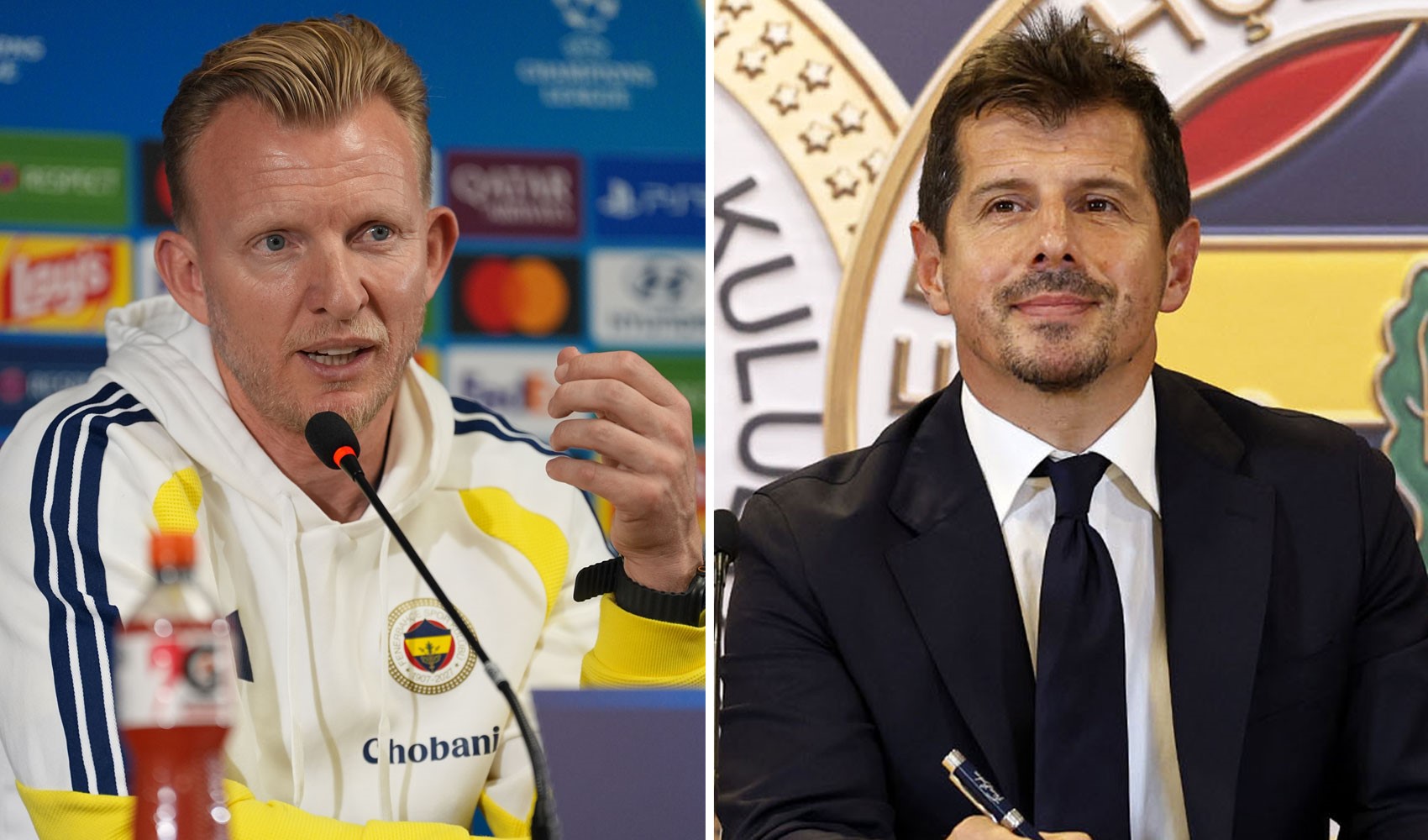
Dirk Kuyt's notable remarks on Emre Belözoğlu
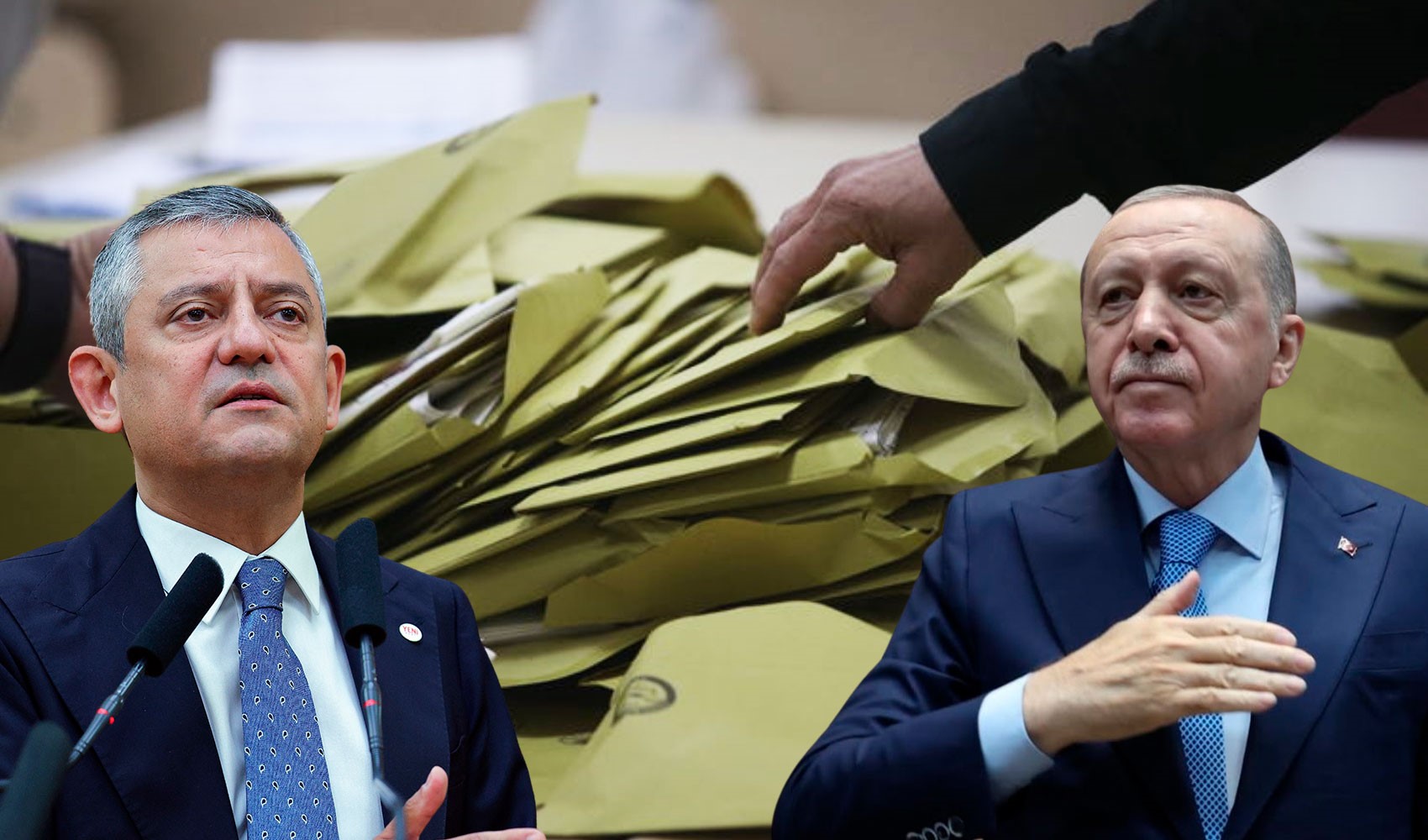
The gap between the AKP and the YENİ Party in the November poll has been revealed
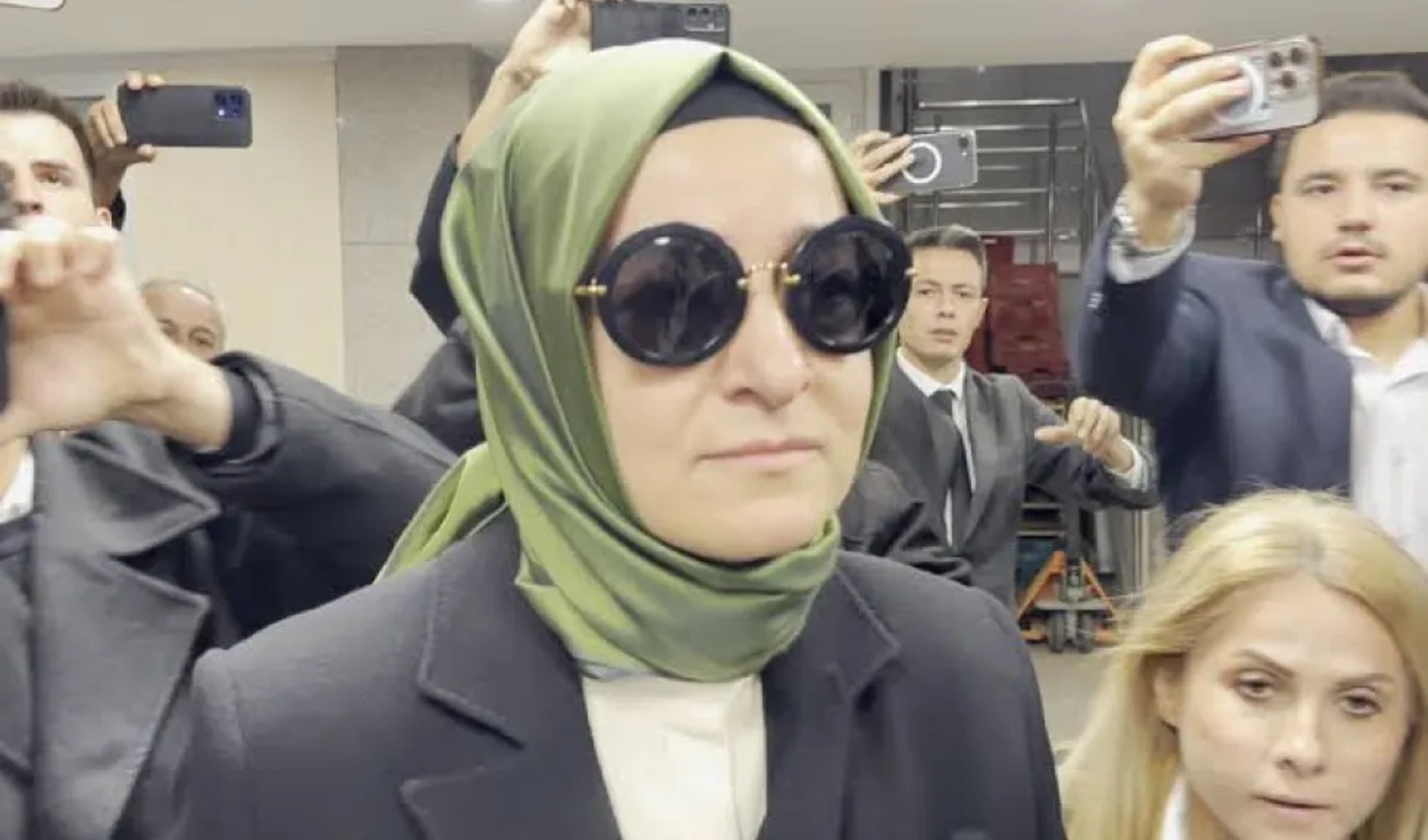
Allegations of special measures for Kaya in Silivri

The Path of National Consensus

The possibility of an ‘imported revolution’

Atatürk, Kemalism, and Third-Worldism

COP 31 and November 10
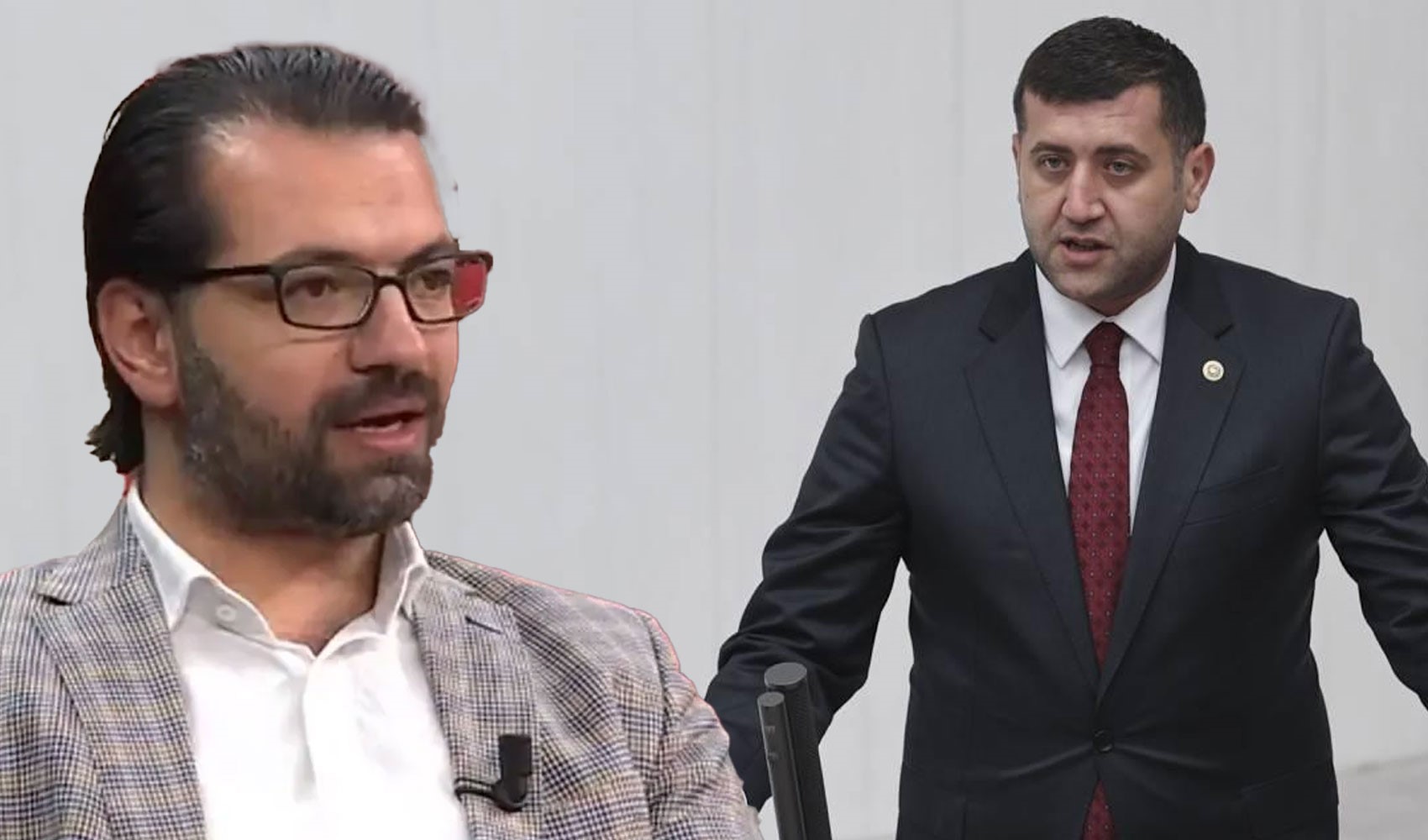
MHP's Ersoy reacts sharply to Hacı Yakışıklı's scandalous November 10 post