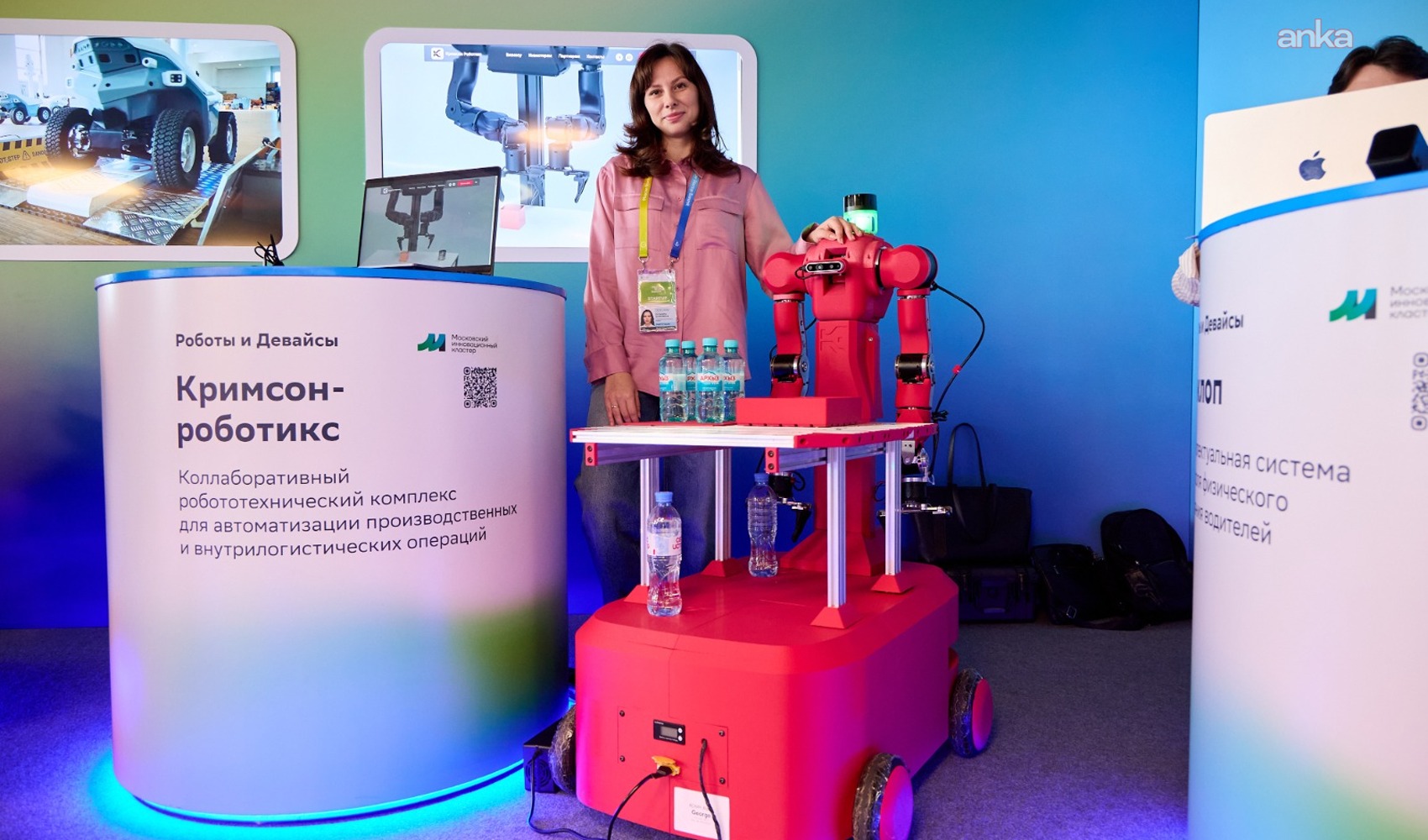
Robotic cleaning systems are moving beyond pilot projects and becoming part of daily operations. It is projected that the number of indoor cleaning robots in Russia could reach 23,000 by the year 2030.
According to the research titled "Commercial Robotic Cleaning Market in Russia and the World," prepared by the Moscow Innovation Cluster, Sber, and Skoltech, the global indoor cleaning robot market is also in a period of rapid growth. The market is expected to rise from its 1.8 billion dollar level in 2024 to 6.4 billion dollars in 2030. This indicates a growth of approximately 3.6 times.
The research was introduced at the Moscow Startup Summit. According to the data, cleaning robots have already begun to be used in shopping malls, hospitals, warehouses, supermarkets, and airports in Russia.
While tests of the NOBLELIFT ANB510 model are being conducted at Domodedovo Airport in Moscow, it is planned for 16 robots to operate 24 hours a day in areas with heavy passenger traffic at Pulkovo Airport in St. Petersburg starting from the autumn of 2026. The RUBI-S robot, developed by the Moscow-based company ROBO, has been working at Tolmachevo Airport in Novosibirsk since 2025.
The area of use is also expanding on the retail side. The KazanMall shopping center is testing the MARK 2 robot developed by the Yaroslavl-based company R2B. It was stated that the Russian retail chain Lenta has purchased 42 cleaning robots to be used in its hypermarkets across four cities.
PILOT PROJECTS AND SUBSCRIPTION MODEL STAND OUT
According to the research, 60 percent of cleaning robot projects in Russia start with a pilot application. Globally, this rate is at the 27 percent level. As domestic solutions are just beginning to gain a foothold in the market, pilot applications are seen as a transition phase that reduces risks for both manufacturers and customers.
Subscription-based business models are also becoming more common in Russia than the global average. While 47 percent of applications in the country are implemented using this method, the rate worldwide is measured at 35 percent. In this model, the customer pays a fixed fee for usage instead of owning the robot; maintenance, software updates, and technical support are carried out by the provider company.
Russia is also expanding its infrastructure for testing robotic technologies. To date, 33 robots have been tested at the Robotics Test Center, which opened within the Moscow Innovation Cluster in March 2026. It was reported that companies can access more than 300 pilot test sites for innovative technologies, and 729 tests have been conducted in these areas.
It was noted that the total value of solutions put into use by public institutions in Moscow during the 2025-2026 period reached 12.5 billion rubles.
News Source: 12punto