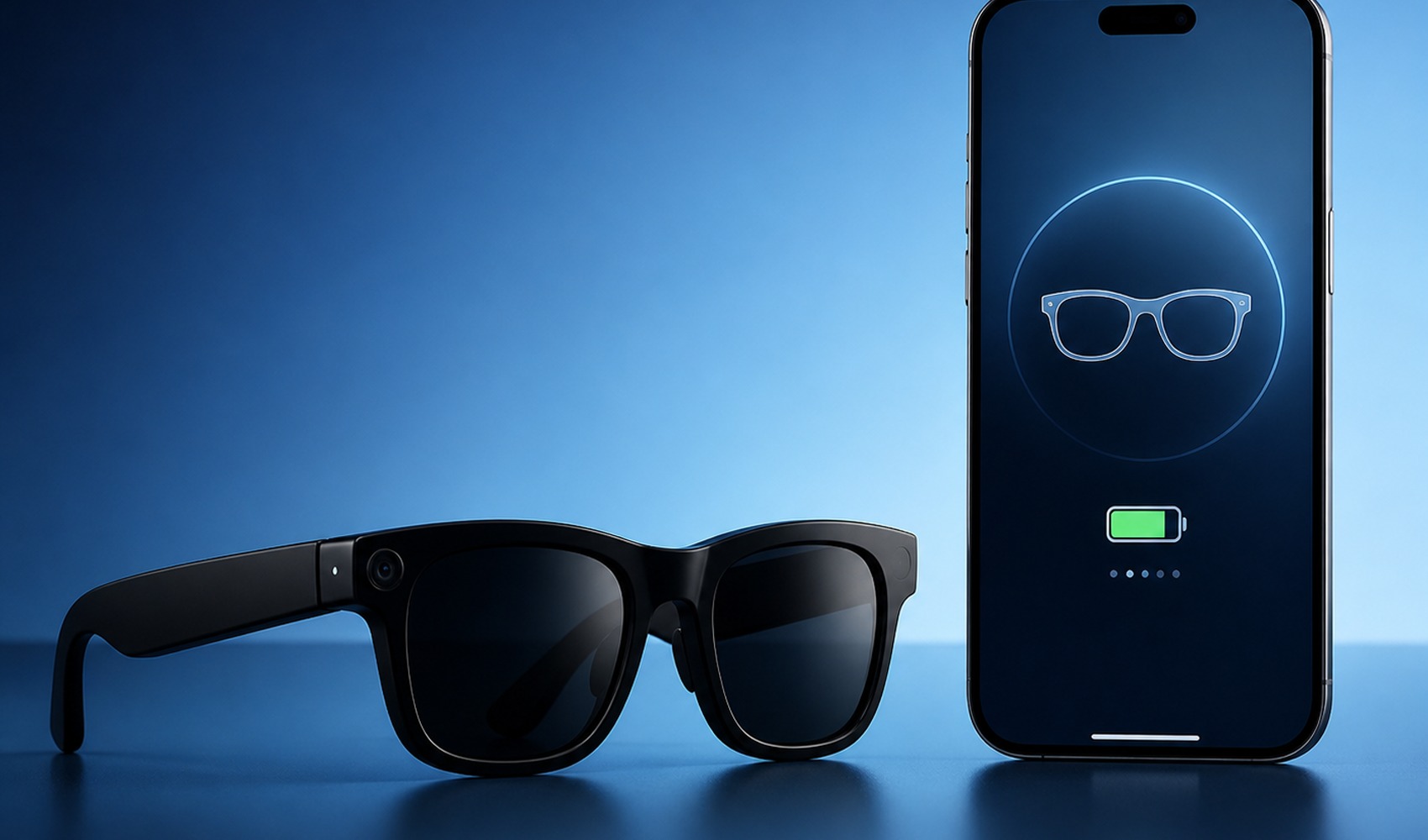
New details have emerged regarding Apple's long-rumored smart glasses project.
According to information shared by Bloomberg columnist Mark Gurman, the current prototypes, internally codenamed "N50," focus more on AI-powered daily usage features than an augmented reality display in the initial phase.

According to the information shared, Apple's first smart glasses will not feature a display.
The device's core experience will be built on the connection Siri establishes with cameras and iPhone applications. This approach could position the glasses as an audio, camera, and AI-powered assistant rather than a classic augmented reality device.
DESIGN AND HARDWARE HIGHLIGHTS
The prototypes are described as being slightly thinner than Meta's second-generation Ray-Ban glasses, featuring oval cameras integrated into the frame and a privacy light on the front to indicate usage status.
It is stated that Apple is particularly focusing on material quality and audio performance; functions such as music playback, phone calls, and FaceTime audio calls are planned.
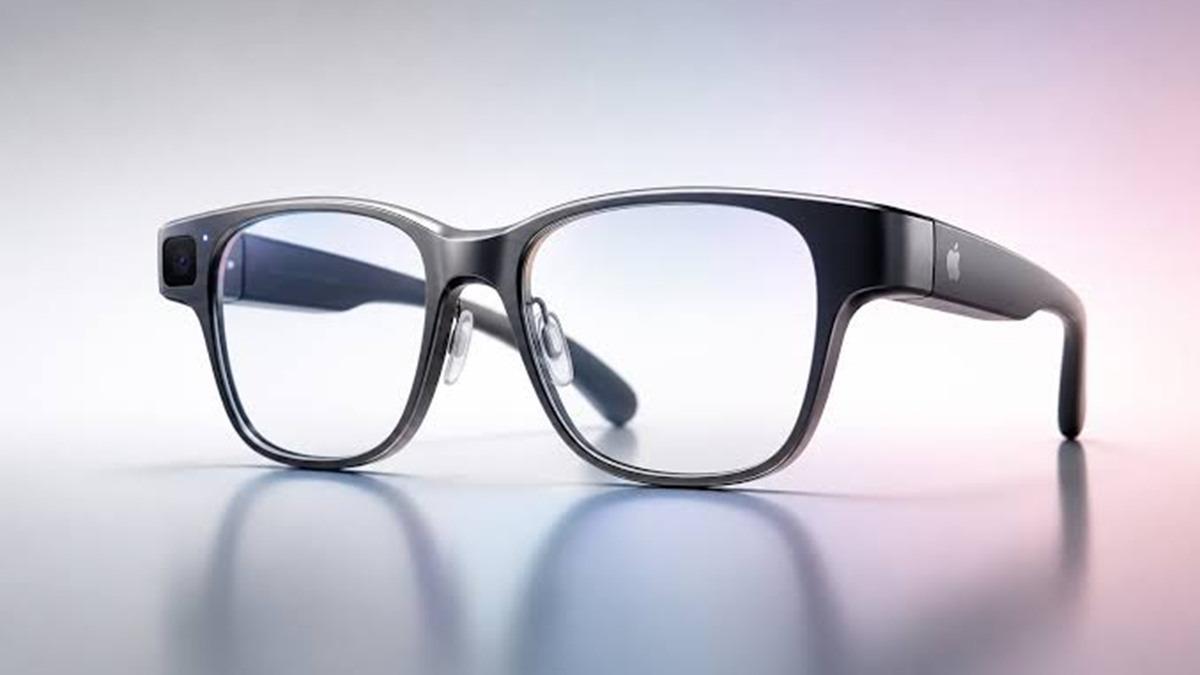
On the charging side, it is reported that a three-pin magnetic connector, the size of a Tic Tac candy, attached to the end of the left temple is being tested. It is noted that this system could allow charging while the glasses are being worn, but it is not yet clear whether it will be included in the final product.
Siri integration will be one of the most critical aspects of the device. It is suggested that the glasses could use cameras to recognize surrounding buildings, offer meal suggestions based on ingredients in the refrigerator, perform translations, and provide directions. Furthermore, it is stated that without the need for developers to create separate apps, Siri could control existing iPhone apps to initiate tasks such as ride-hailing, restaurant reservations, or shopping.
It is claimed that the device will use a simplified version of visionOS 28 and an Apple Watch-like processor, with the processing load shared with a paired, current-model iPhone. For this reason, Android support is not expected. Although it is stated that the hardware design is largely complete, it is noted that delays in the AI and software development process could affect the 2027 launch timeline being discussed.
News Source: 12punto