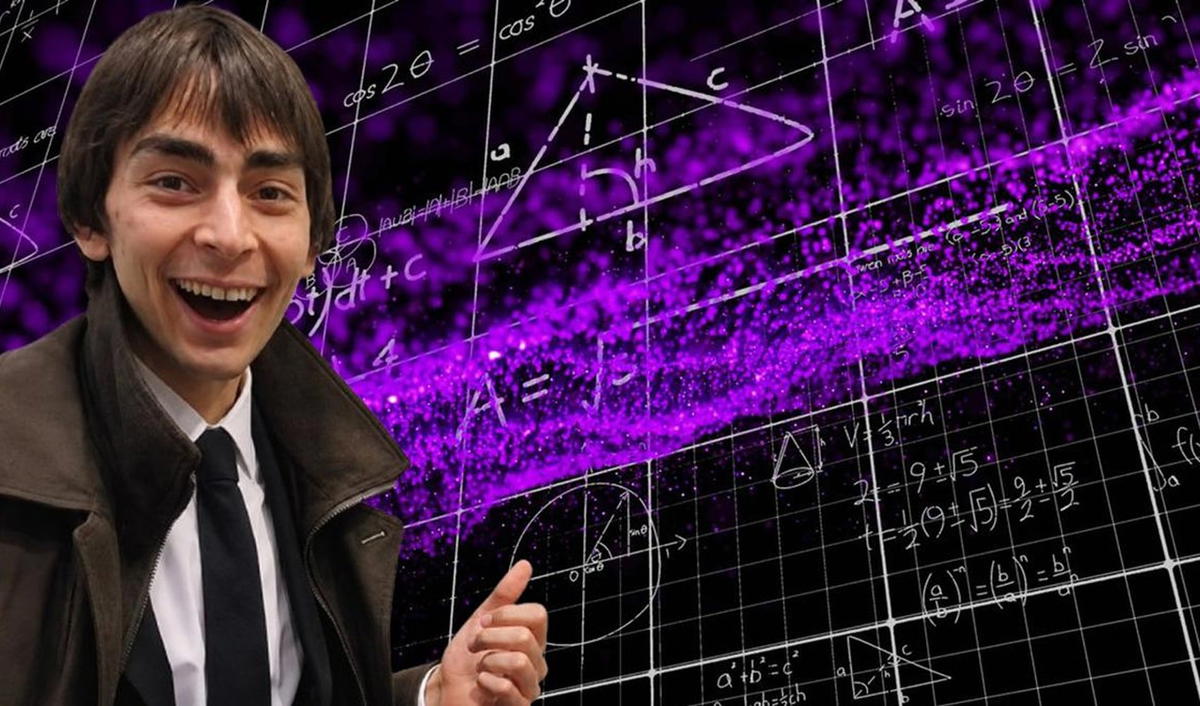
Turkish mathematician Levent Alpöge has made a striking announcement regarding the Riemann hypothesis, one of the longest-standing problems in the world of mathematics. Alpöge, who continues his work at the artificial intelligence company Anthropic, claimed to have proven the hypothesis, which has remained unsolved for 167 years, with the support of the language model Claude.
In an announcement shared on his personal website, Alpöge stated that he has verified not only the classical Riemann hypothesis but also the Generalized Riemann Hypothesis, which offers a more comprehensive framework. This claim, if verified, holds great significance for both number theory and fundamental assumptions regarding the distribution of prime numbers.
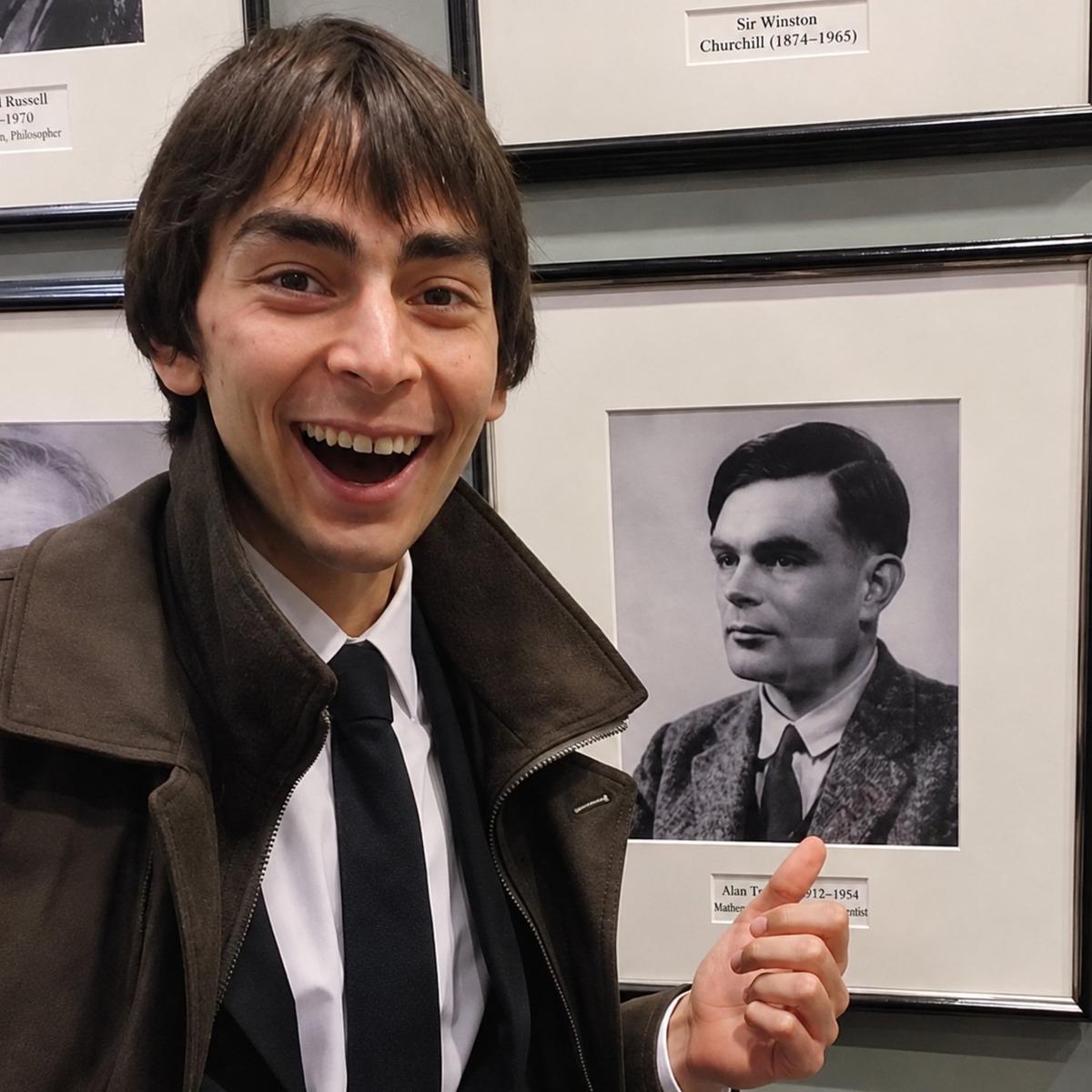
It was noted that for the work to be audited, Alpöge has also made public the proof codes written in the Lean programming language, which is used to verify the accuracy of every logical step. In such claims, final acceptance depends on an independent review and verification process conducted by experts in the field.
WHAT IS THE RIEMANN HYPOTHESIS?
The Riemann hypothesis was proposed by German mathematician Bernhard Riemann in 1859. The hypothesis predicts that the "non-trivial" zeros of the Riemann zeta function, which plays a central role in understanding the distribution of prime numbers, lie on a specific line in the complex plane.
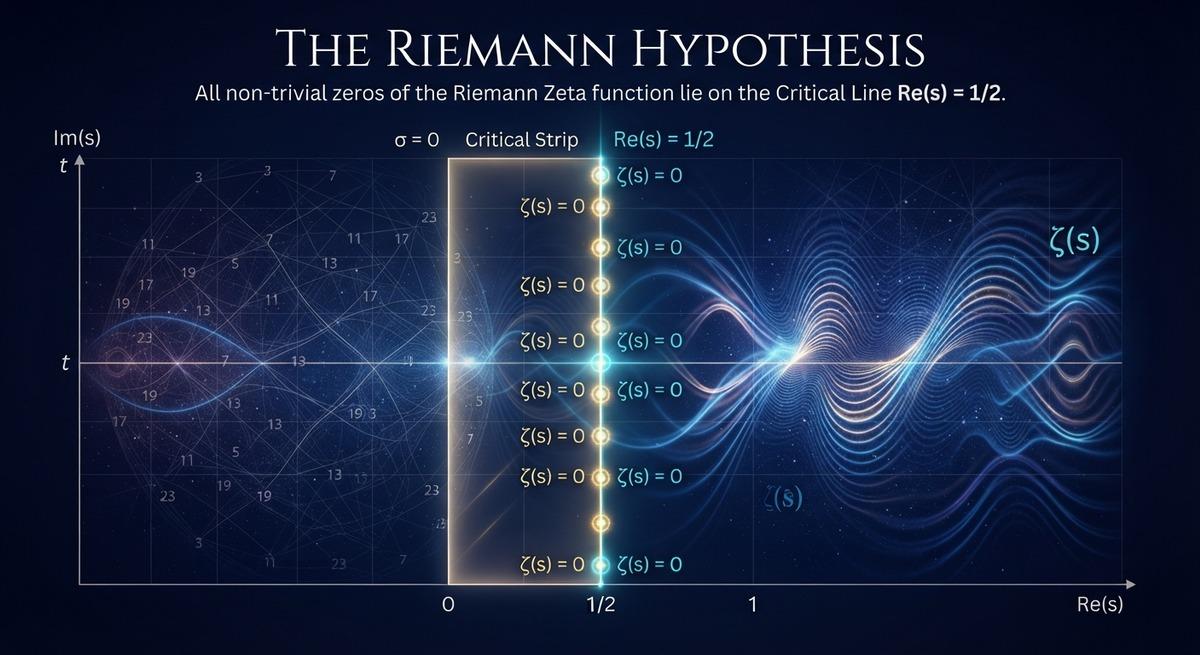
The problem is among the seven Millennium Prize Problems for which the Clay Mathematics Institute has offered a 1 million dollar prize. For this reason, a potential proof is expected to resonate widely not only in academic circles but also among the scientific public.
WHO IS ALPÖGE?
Levent Alpöge is a mathematician known for his achievements at Harvard University. Graduating from Harvard at the top of his class in 2014, Alpöge earned bachelor's degrees in mathematics and physics, as well as a master's degree in physics.
It is known that during his high school years, Alpöge was a finalist in the Intel Science Talent Search held in the USA, later chose the mathematics department at Harvard, and has had his work published in various mathematics journals. This latest announcement has brought the debate regarding the role of artificial intelligence in advanced mathematics back to the agenda.
News Source: 12punto