

NASA's plan to save Swift Observatory canceled: 22-year-old satellite to re-enter atmosphere
NASA's attempt to keep the Swift Observatory in orbit has failed due to technical issues with the LINK satellite.



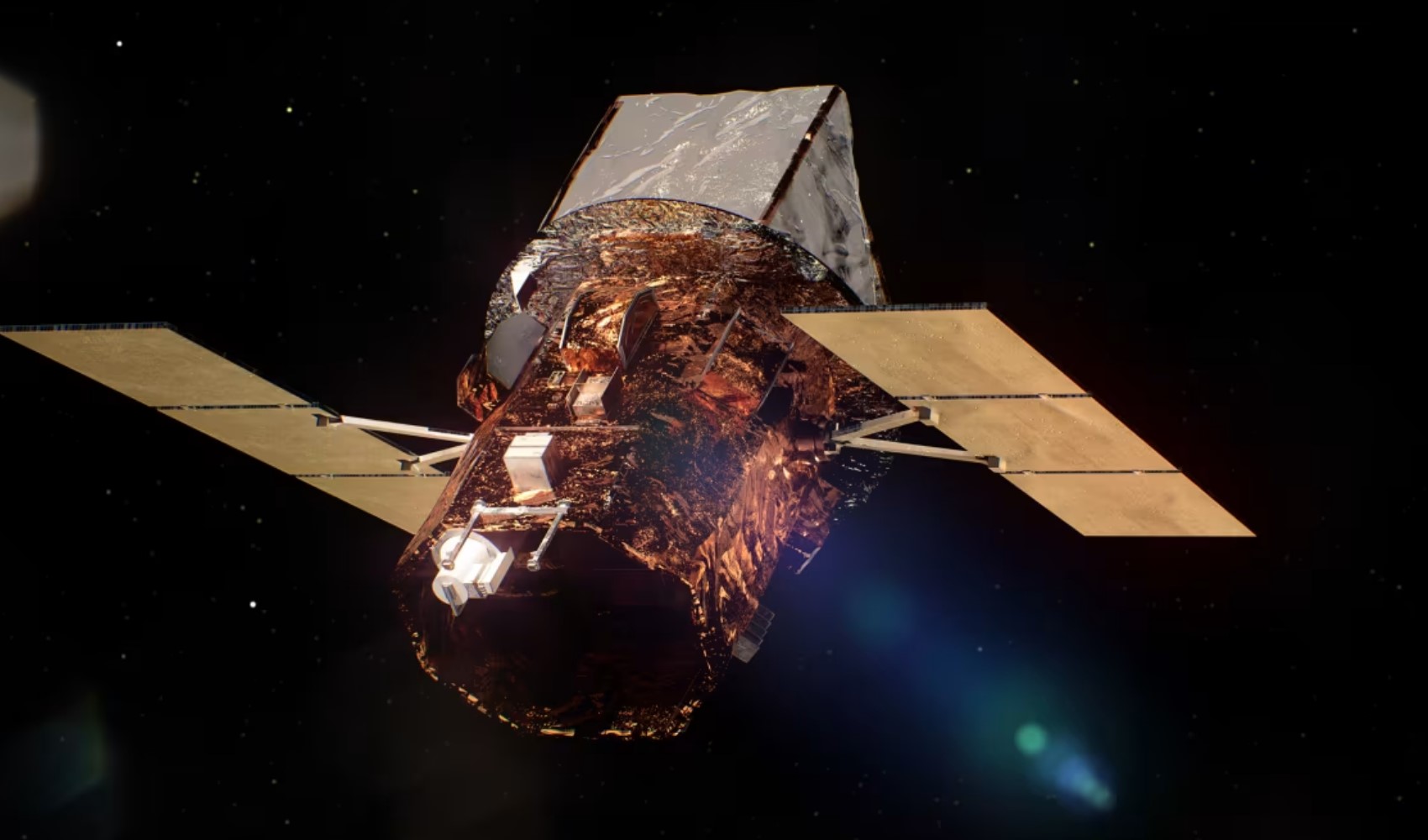
The operation launched by NASA to save the Neil Gehrels Swift Observatory, which has been in service for nearly 22 years, from falling into Earth's atmosphere has been canceled. Technical issues encountered with the LINK satellite, which was launched on July 3 to boost the observatory's decaying orbit, prevented the rescue plan from being implemented.
Developed by Arizona-based Katalyst Space Technologies, LINK was sent into space via a Pegasus XL rocket. However, a few weeks after launch, the satellite experienced an attitude control problem and began spinning uncontrollably. Although experts regained control of the satellite, this process led to the loss of critical time for Swift.
Swift, which has been losing altitude due to atmospheric drag increased by solar activity, is expected to conclude its scientific mission within this year. It is projected that after descending to a critical altitude, the observatory will enter Earth's atmosphere and largely burn up.
Although the rescue plan has been canceled, the mission of the LINK satellite has not been completely terminated. NASA and Katalyst aim to turn the process into a technology demonstration; they intend for LINK to approach Swift to examine potential capture points and collect data for future in-space servicing operations.
NASA Administrator Jared Isaacman stated that despite the operation failing to reach its goal, the experience gained will contribute to technologies aimed at performing maintenance and interventions on satellites in space in the future.
Operating in low Earth orbit since 2004, the Swift Observatory was notable for its ability to rapidly detect and point toward sudden, high-energy cosmic events such as gamma-ray bursts. It was reported that there is no ready-made spacecraft to directly replace the observatory, and NASA plans to fill the resulting gap by coordinating existing active observatories.
News Source: 12punto
Most Read

A message of apology from Serkan Bayram to Erdoğan

Striking post from Talisca after leaving Fenerbahçe!

Armed guards with long-barreled weapons protect Osimhen on trip to his hometown

Vahap Seçer's statement process has begun

YENİ Party MP announces the date Cemil Tugay will join the AKP!

Temperatures are dropping, rain and strong winds are coming

Another body recovered from the sunken ship

Oh, what love is this!...

Those in power win, the nation grows poorer

Casino Capitalism 4.0