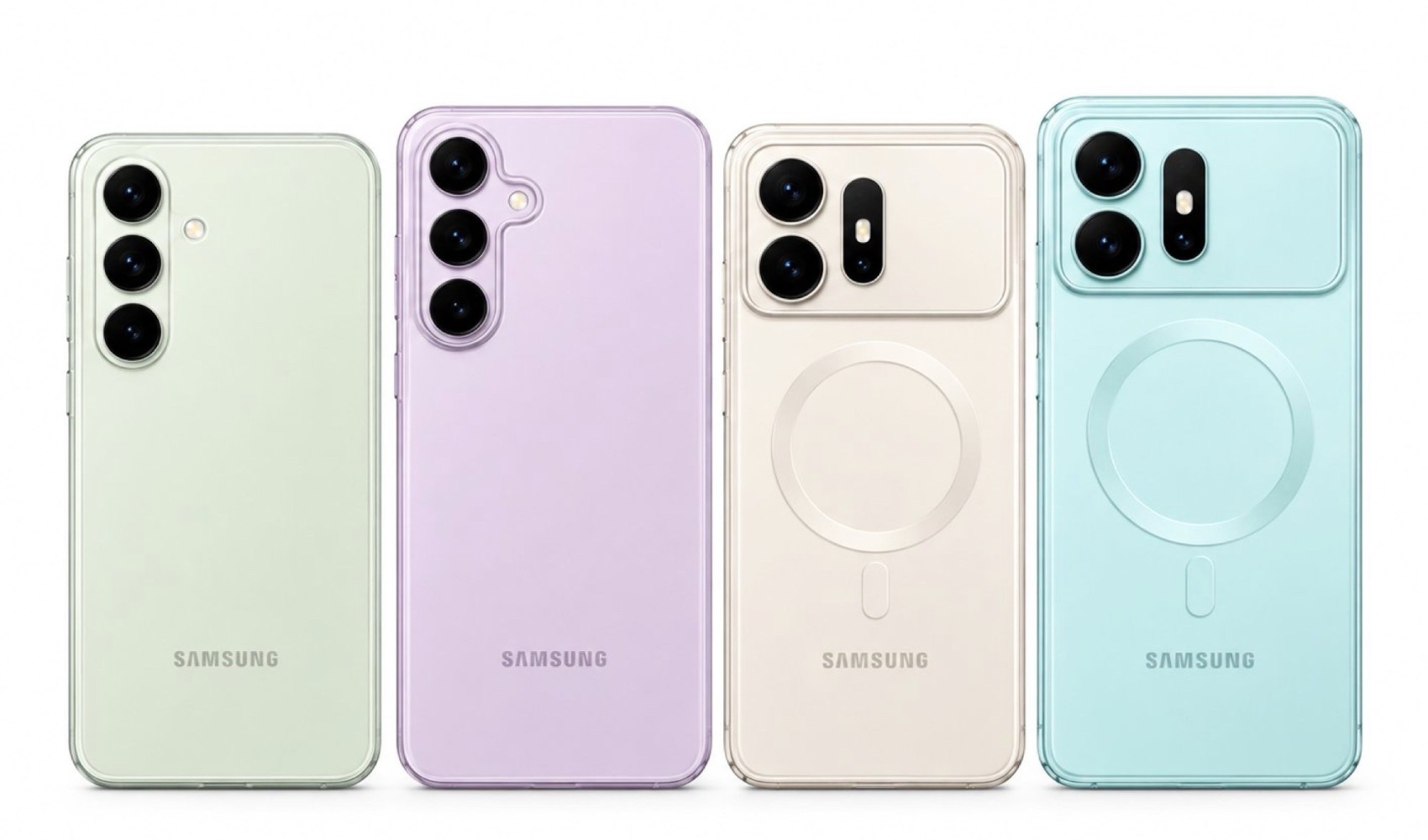
Camera details regarding the Galaxy S27 series, which Samsung is expected to introduce at the beginning of 2027, have been leaked. According to information shared by SammyGuru, the company may maintain familiar sensors from previous generations in standard models, while making a clear camera distinction between the Galaxy S27 Pro and Galaxy S27 Ultra in the high-end segment.
Claims suggest that the Galaxy S27 and Galaxy S27 Plus will come with a 50-megapixel main camera. It is stated that either the Sony IMX955 or Samsung S5KGNG sensor will be used in this camera. As for the ultra-wide-angle camera, it is suggested that the 12-megapixel Sony IMX564 sensor, which has been used since the Galaxy S23 series, will continue.
No major innovation is expected on the telephoto side for the standard models either. It is claimed that the 10-megapixel Samsung S5K3K1 sensor and 3x optical zoom, used since the Galaxy S22, will be retained. Regarding the front camera, it is reported that either the 12-megapixel Samsung S5K3LU or Sony IMX874 sensor could be chosen.
200 MP MAIN CAMERA EXPECTATION IN HIGH-END MODELS
The most notable part of the leak concerns the Galaxy S27 Pro and Galaxy S27 Ultra models. Accordingly, both devices will feature Samsung's 200-megapixel resolution ISOCELL HP6 main camera sensor. It is also stated that both models will have a 50-megapixel ultra-wide-angle camera, and that either the Samsung ISOCELL JN3 or Sony IMX855 sensor could be used for this camera.
It is claimed that the Pro and Ultra models will diverge in the telephoto camera. It is suggested that the Galaxy S27 Pro will continue with the 10-megapixel Samsung S5K3LD sensor and 3x optical zoom, which is also said to be present in the Galaxy S26 Ultra. For the Galaxy S27 Ultra, it is reported that either the 50-megapixel resolution Samsung ISOCELL JN3 or Sony IMX855 sensor, which offers 5x optical zoom, could be used.
If this table turns out to be accurate, Samsung will have abandoned the dual telephoto setup with 3x and 5x optical zoom that it included in recent Ultra models. Switching to only a 5x telephoto camera in the new Ultra model means fewer zoom options on paper. However, due to the limitations in image quality of the current 10-megapixel 3x sensor, it is considered possible for Samsung to close this gap through cropping from the main camera and software processing.
The high-end models are also expected to be distinguished from standard devices on the front camera side. It is claimed that the Galaxy S27 Pro and Galaxy S27 Ultra will come with a 16-megapixel Samsung S5K2P5 selfie camera. This means a higher resolution option compared to the 12-megapixel front camera suggested for the Galaxy S27 and S27 Plus.
The leak also mentions that the 200-megapixel main camera in the Galaxy S27 Ultra may be derived from the previously discussed ISOCELL HPC-based DeepPix sensor. It is stated that this technology could improve image quality, especially in difficult lighting conditions, by offering a wider dynamic range in photos and videos.
There has been no official confirmation from Samsung regarding the camera features of the Galaxy S27 series. Therefore, it should be kept in mind that the shared information is currently in the nature of a leak and may change by the time of the launch.
News Source: 12punto