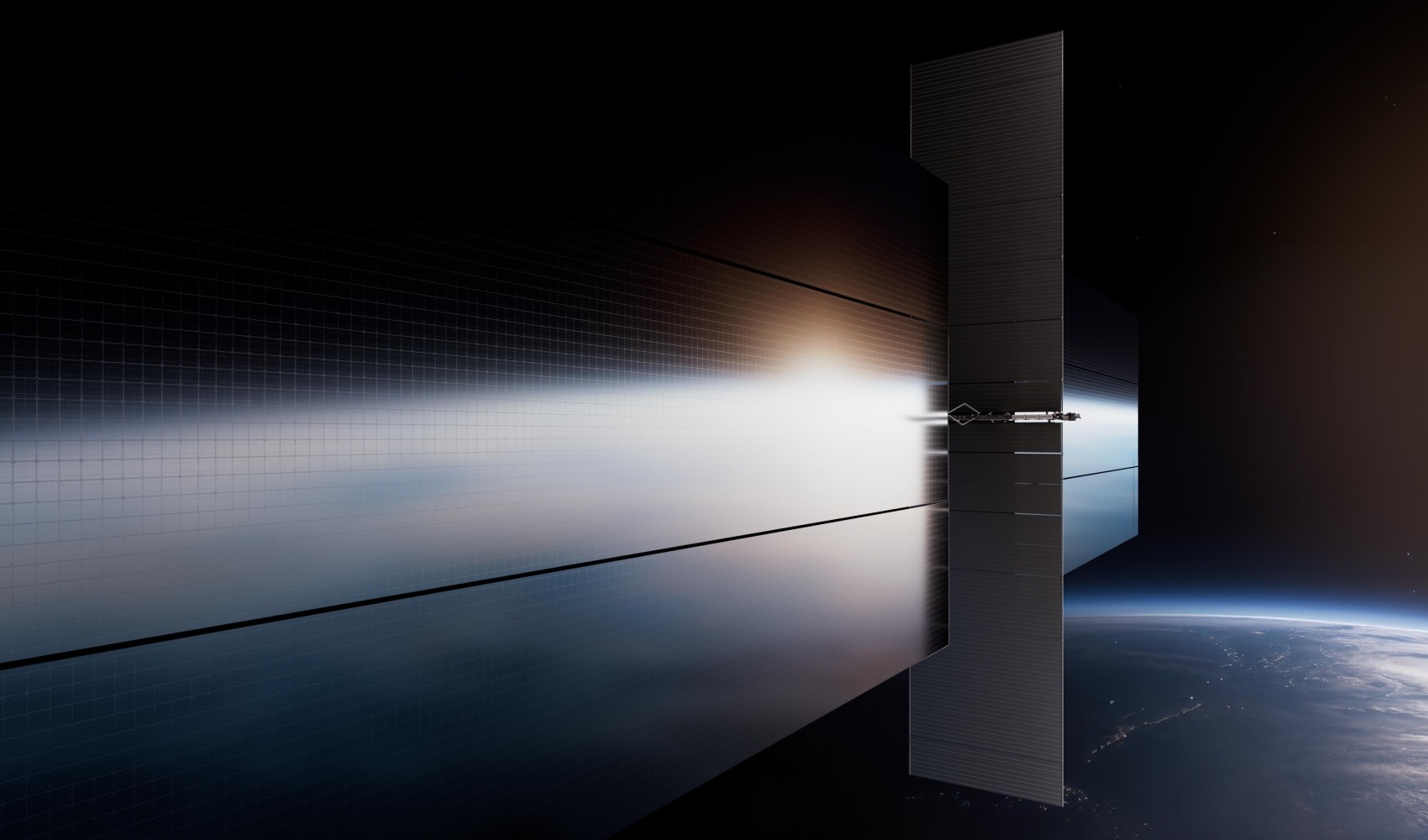
SpaceX is preparing to expand its solar cell production capacity for the Starmind project, which aims to establish an artificial intelligence computing infrastructure in orbit. The company has signed an agreement worth over 69 million dollars with Germany-based Singulus Technologies for equipment to be used in the production of high-efficiency HJT solar cells.
Under the agreement, Singulus will provide SpaceX with a turnkey production line. The first line is planned to be delivered in the first half of 2027 and commissioned at SpaceX's facility in Bastrop, Texas. While it is stated that the value of the first production line is over 60 million euros, additional lines are expected to be supplied in the future.
Elon Musk announced the scale of the order in a post on X, stating that they have ordered HJT solar cell production equipment with an annual capacity of 100 GW. Musk defined the Starmind goal with the phrase "creating a conscious sun."
PRODUCTION LINE TO BE ESTABLISHED IN TEXAS
Mike Nicolls, SpaceX's senior vice president responsible for Starlink, stated that the partnership will provide the necessary production infrastructure for the solar cells to be used in Starmind satellites. The agreement covers not only equipment supply but also the joint development of high-performance HJT cells and the machines that will produce them.
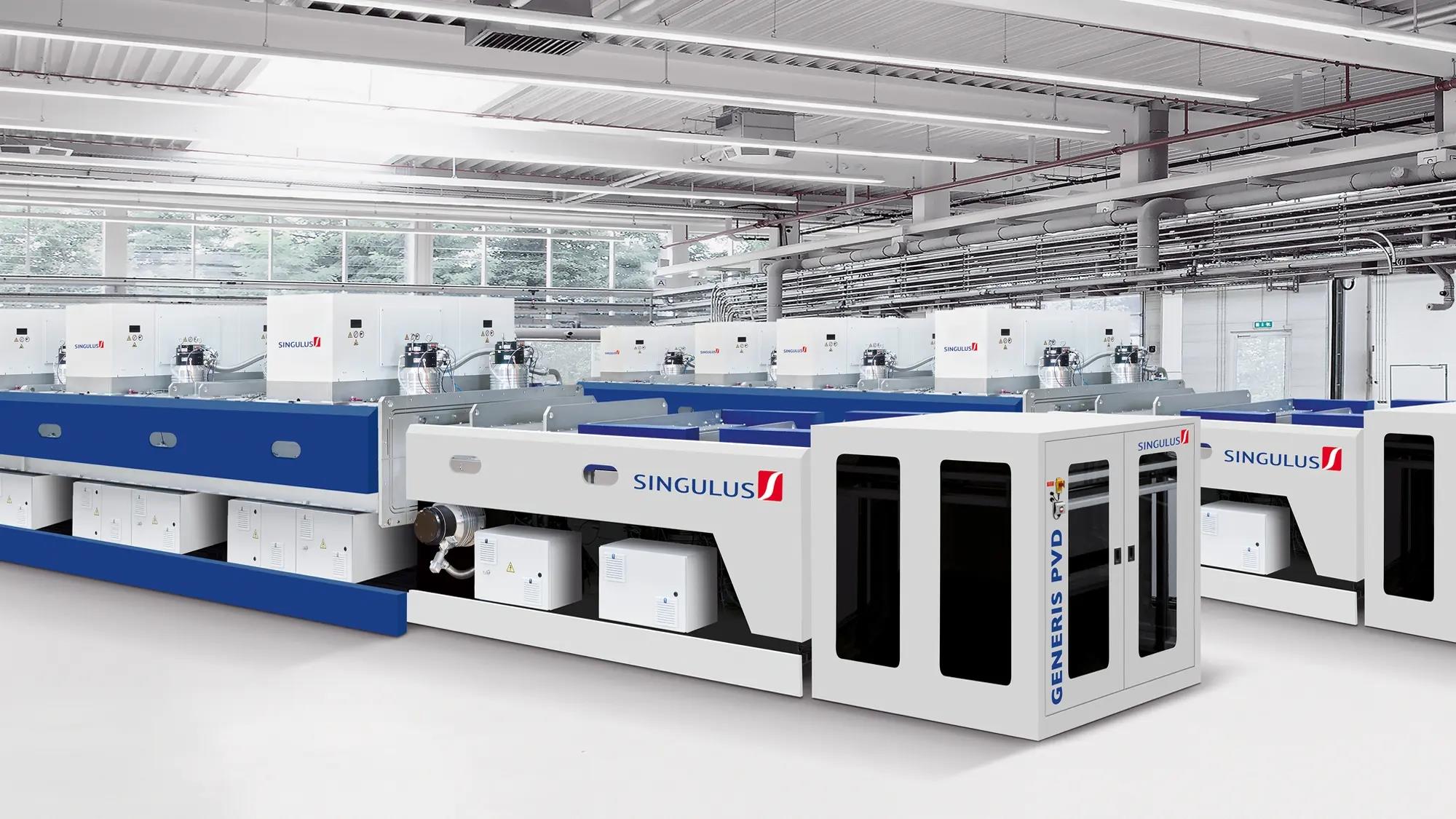
HJT, or heterojunction solar cell technology, is based on combining a crystalline silicon wafer with amorphous silicon layers. This structure aims to increase the conversion efficiency of sunlight into electricity by reducing electrical charge losses that can occur on silicon surfaces.
The production of these cells involves multiple stages, such as cleaning silicon wafers, thin-film coating, and heat treatment. The systems developed by Singulus include wet chemical processing technologies as well as vacuum coating methods such as PVD and PECVD. In addition to HJT, the company's platforms also support TOPCon and back-contact crystalline silicon cell technologies.
ARTIFICIAL INTELLIGENCE COMPUTING TO BE MOVED TO ORBIT
Starmind is positioned as an infrastructure consisting of solar-powered artificial intelligence computing satellites. The technical information shared by SpaceX for the AI1 satellite shows that the project is progressing on a design of a very large scale in terms of energy requirements and physical dimensions.
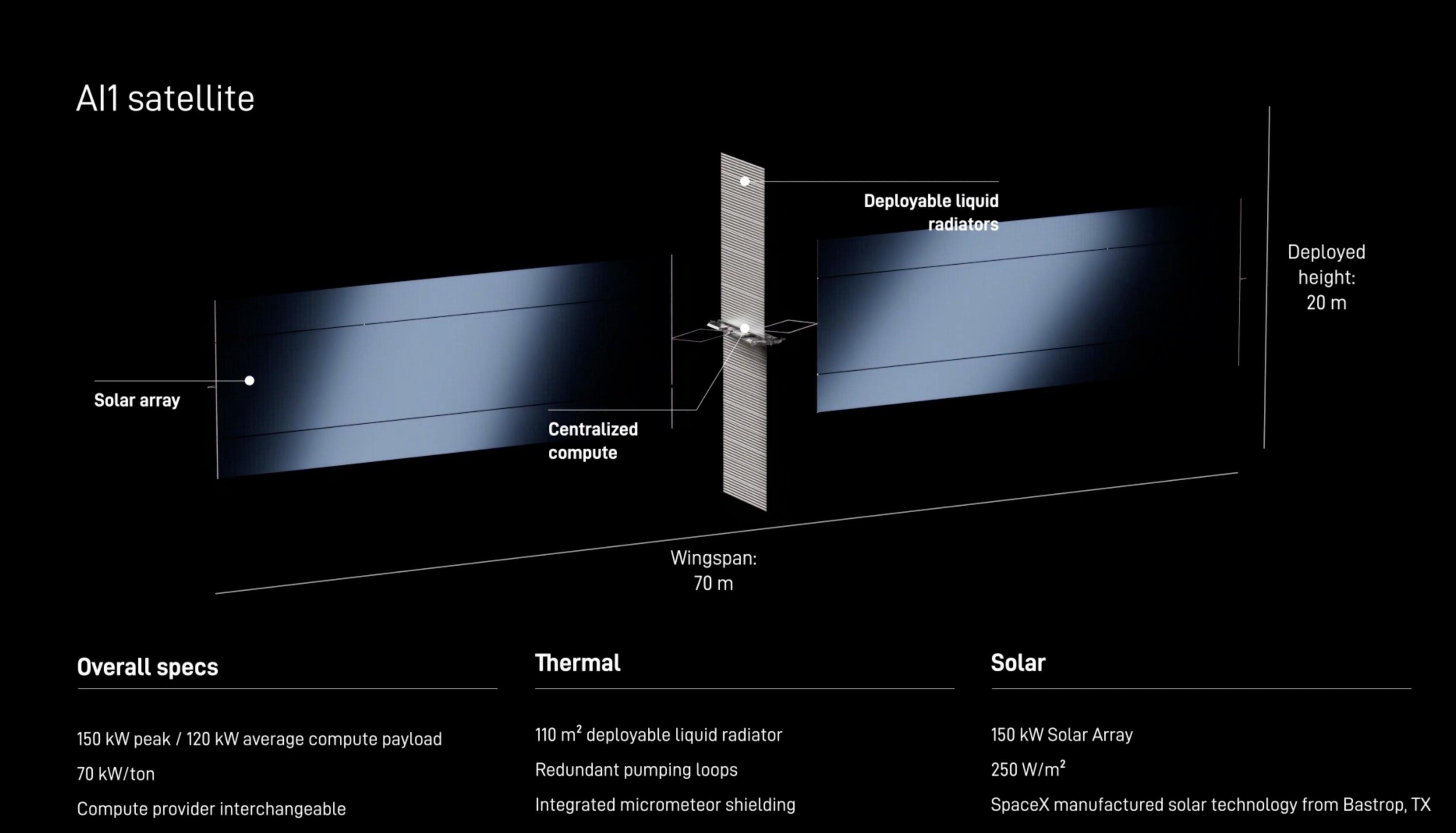
According to the shared information, the AI1 satellite is expected to reach a height of approximately 30 meters and a wingspan of 75 meters when deployed. The maximum power consumption of the computing hardware on the satellite is stated as 250 kW, and the average power consumption as 175 kW.
Starmind satellites are intended to operate in a Sun-synchronous orbit and use the energy they collect in orbit for artificial intelligence calculations. The data obtained from the system is planned to be transferred to Earth via laser communication links connected to the Starlink network.
SpaceX's 2026 securities filing also included a long-term goal of placing up to 100 GW of power capacity into orbit each year. Reaching this scale could mean thousands of launches per year. The company, however, states that a commercially sustainable model can be established even at lower launch and deployment rates.
News Source: 12punto