

When will the solar eclipse occur? Will it be visible from Turkey?
The total eclipse will be visible in northern Russia, Greenland, Iceland, Spain, and Portugal; the next partial eclipse in Turkey will occur in 2027.



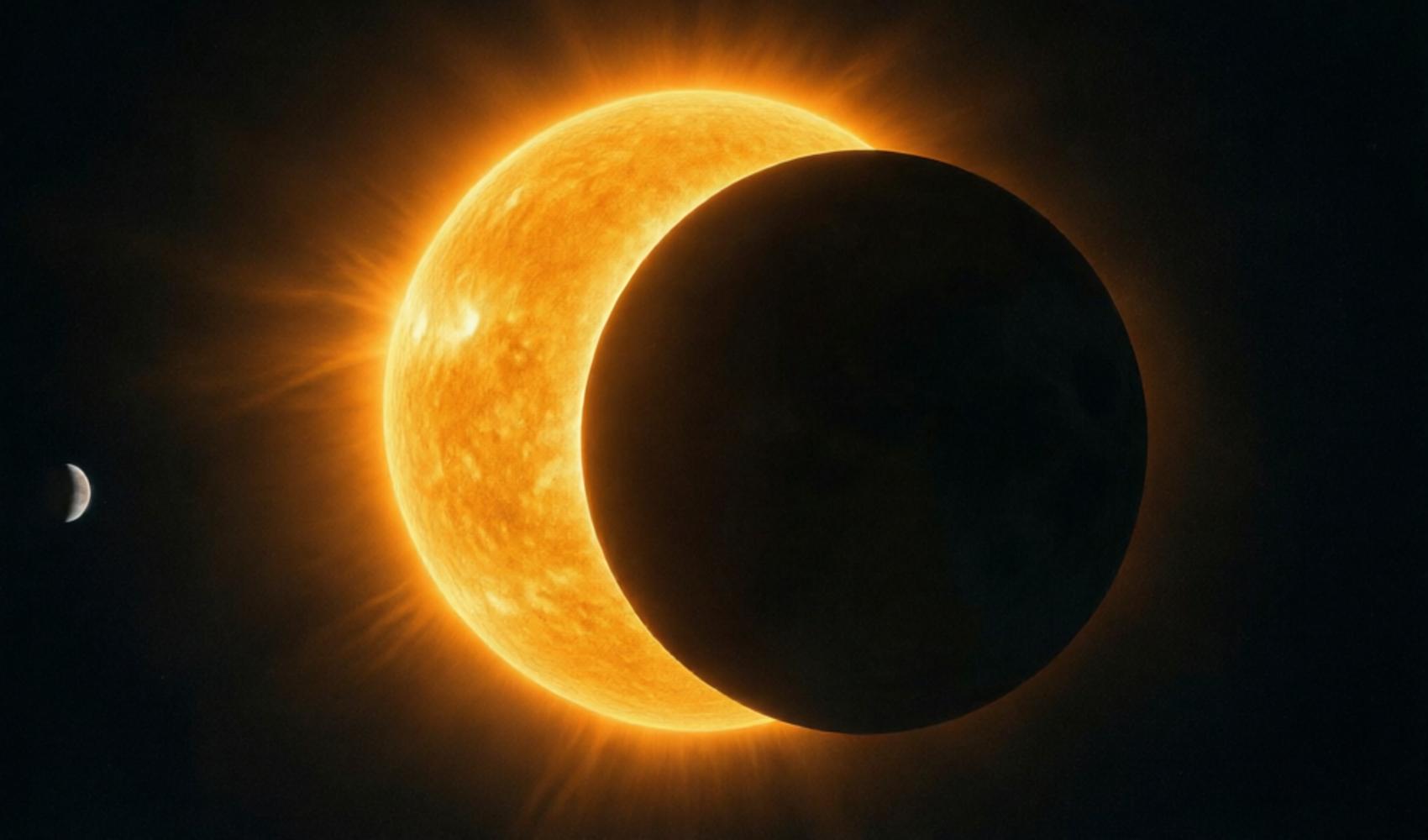
One of the significant celestial events of 2026 will take place on Wednesday, August 12. The solar eclipse, which occurs when the Moon passes between the Earth and the Sun, will be visible as a total eclipse in some parts of the world and as a partial eclipse in others.
The eclipse will not be visible from Turkey. The next solar eclipse that will be visible from Turkey will be a partial solar eclipse occurring on August 2, 2027.
WHERE WILL THE ECLIPSE BE VISIBLE?
The total solar eclipse is expected to be visible in northern parts of Russia, Greenland, Iceland, Spain, and Portugal. According to NASA, the total eclipse will begin around midday in a small and remote region in northern Russia; the path of the eclipse will then move eastward, reaching Spain near sunset.
The total eclipse will be quite brief, lasting less than two and a half minutes. A partial solar eclipse will be visible in the northern parts of the US, Canada, Northwest Africa, and some regions of Europe. In some locations, 90 percent or more of the Sun will be covered by the Moon.
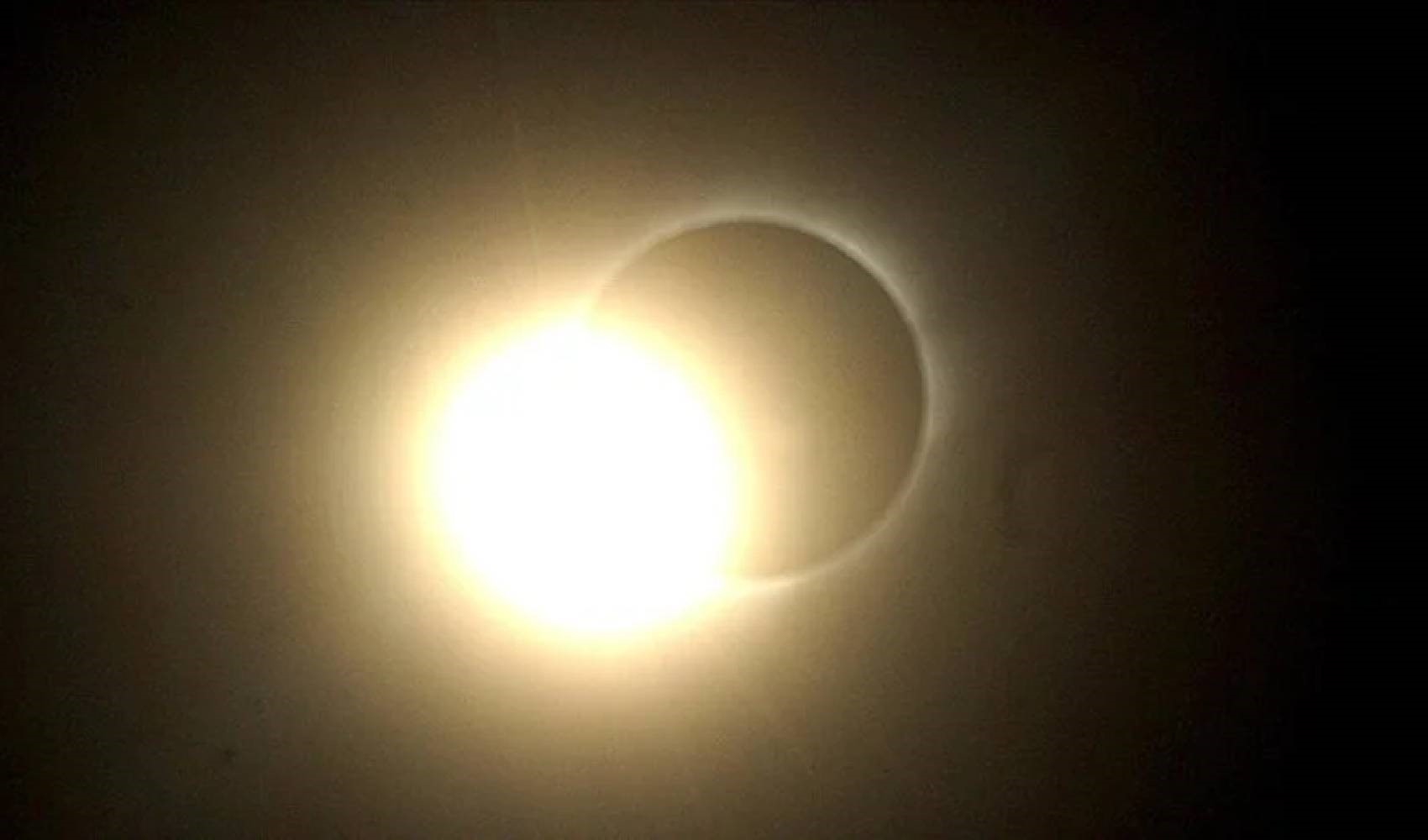
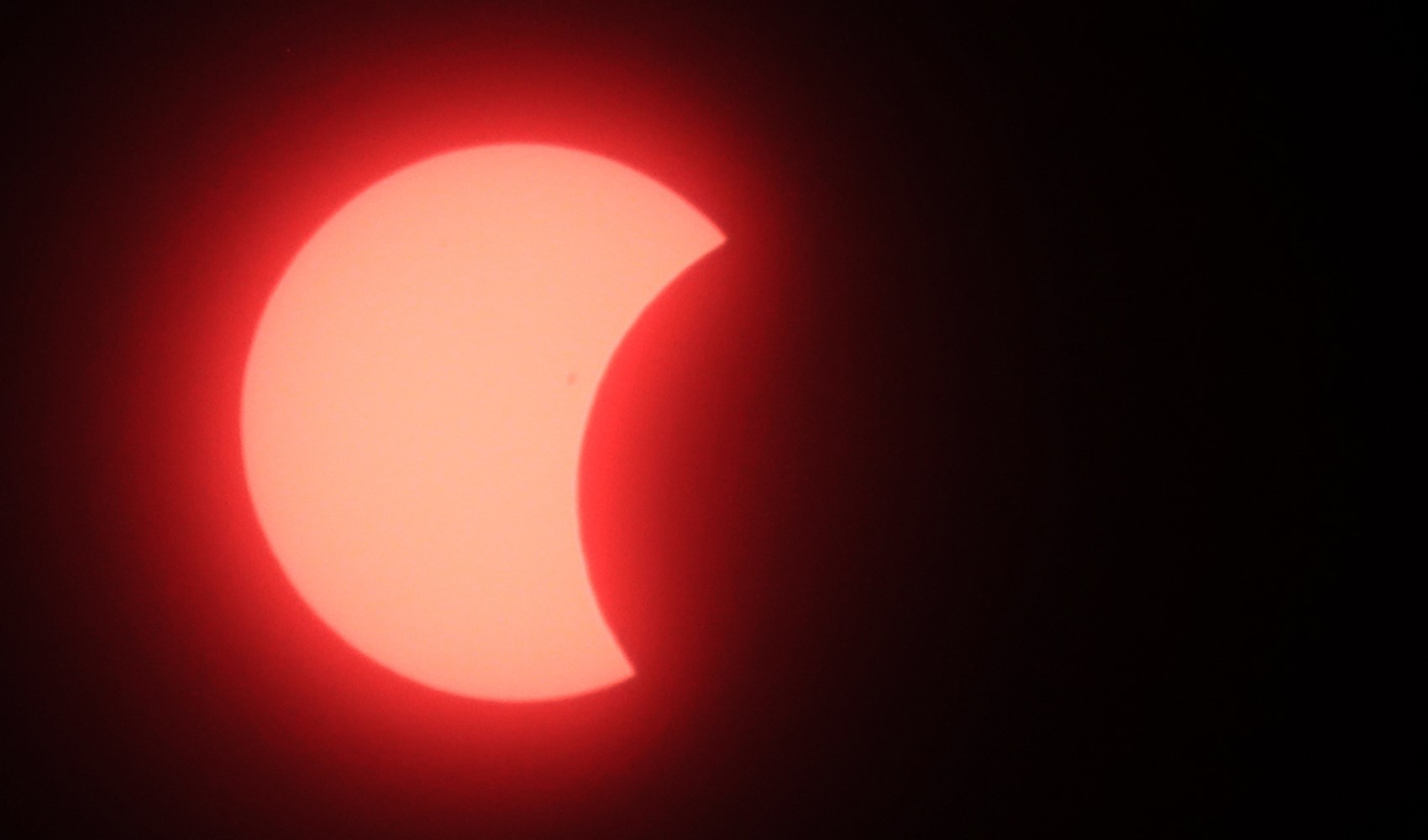
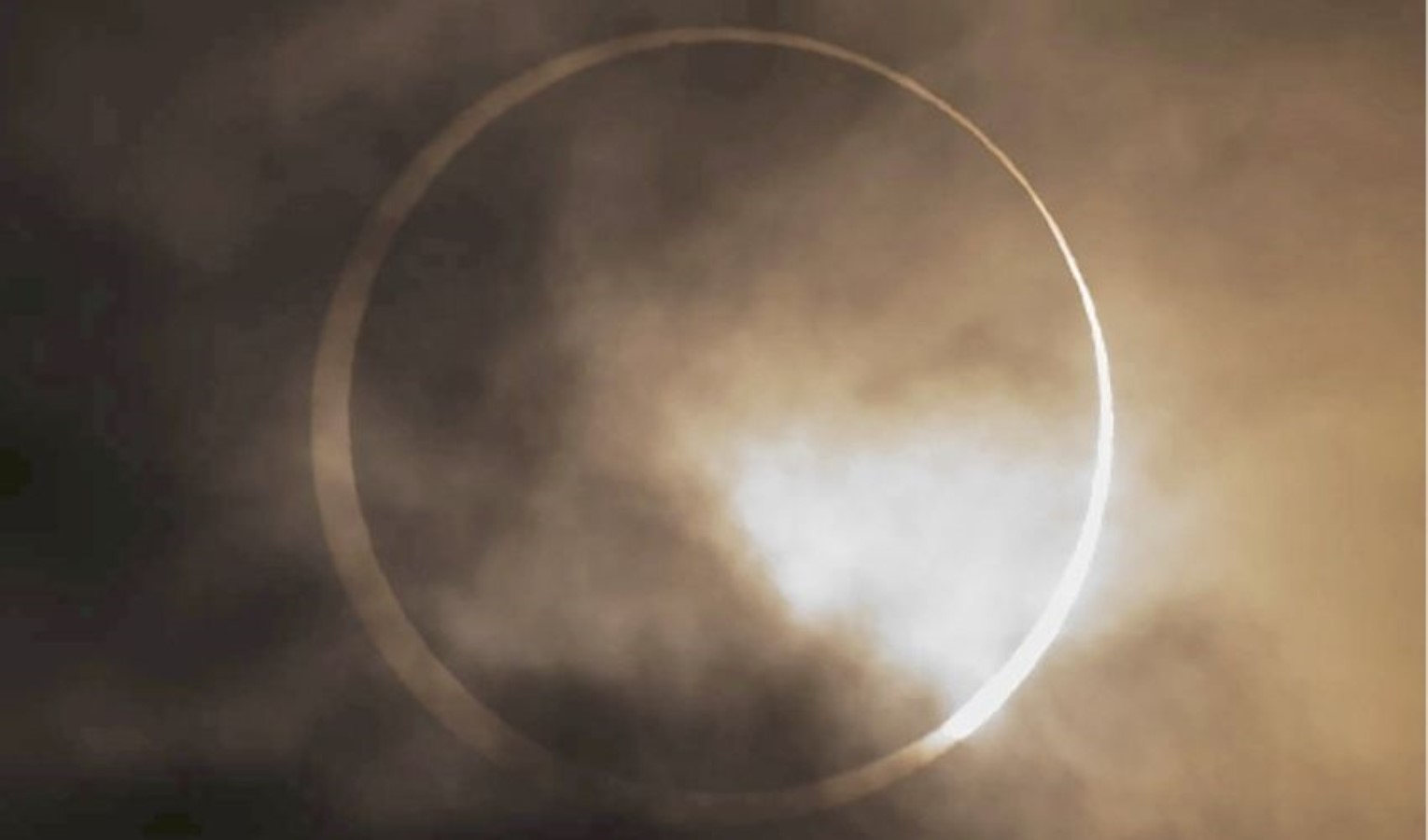
A solar eclipse occurs when the Moon blocks some or all of the Sun's light. While a total eclipse is experienced in regions at the center of the Moon's shadow, the Sun appears in a crescent shape in areas remaining in the outer shadow. In cases where the Moon is at a distance from the Earth, an annular solar eclipse can occur.
Experts warn that one should not look at the Sun with the naked eye or ordinary sunglasses during the eclipse. For safe viewing, special solar eclipse glasses compliant with the ISO 12312-2 standard must be used. Furthermore, even with these glasses, one should not look directly at the Sun through camera lenses, telescopes, binoculars, or similar optical devices.
For those who do not have the opportunity to watch the eclipse directly, live broadcasts will also be available. In regions where weather conditions are not suitable, broadcasts by institutions including NASA will be an alternative for following the celestial event.
News Source: 12punto
Most Read
Netanyahu shows pager at the UN

11 more arrests in the fund investigation
Reactions from the 'Butlan' management continue following Mansur Yavaş's resignation from the CHP

Saudi Arabia calls for 'urgent' defense meeting with Turkey and Pakistan

A former MASAK Vice President is among them!

‘Fund crisis’ article stirs up AKP circles

Why were those who demanded an age limit declared 'apostates'?

Mercedes considers closure of two factories

The Makkah Joint Defense Agreement is a collective commitment to regional peace

The largest price hike in history is coming for gasoline!