

Why did curved TVs disappear from shelves while they became permanent in monitors?
Curved screens, which struggled with viewing angles and aesthetic issues in living rooms, gained strength in the monitor market due to the single-user experience at a desk.



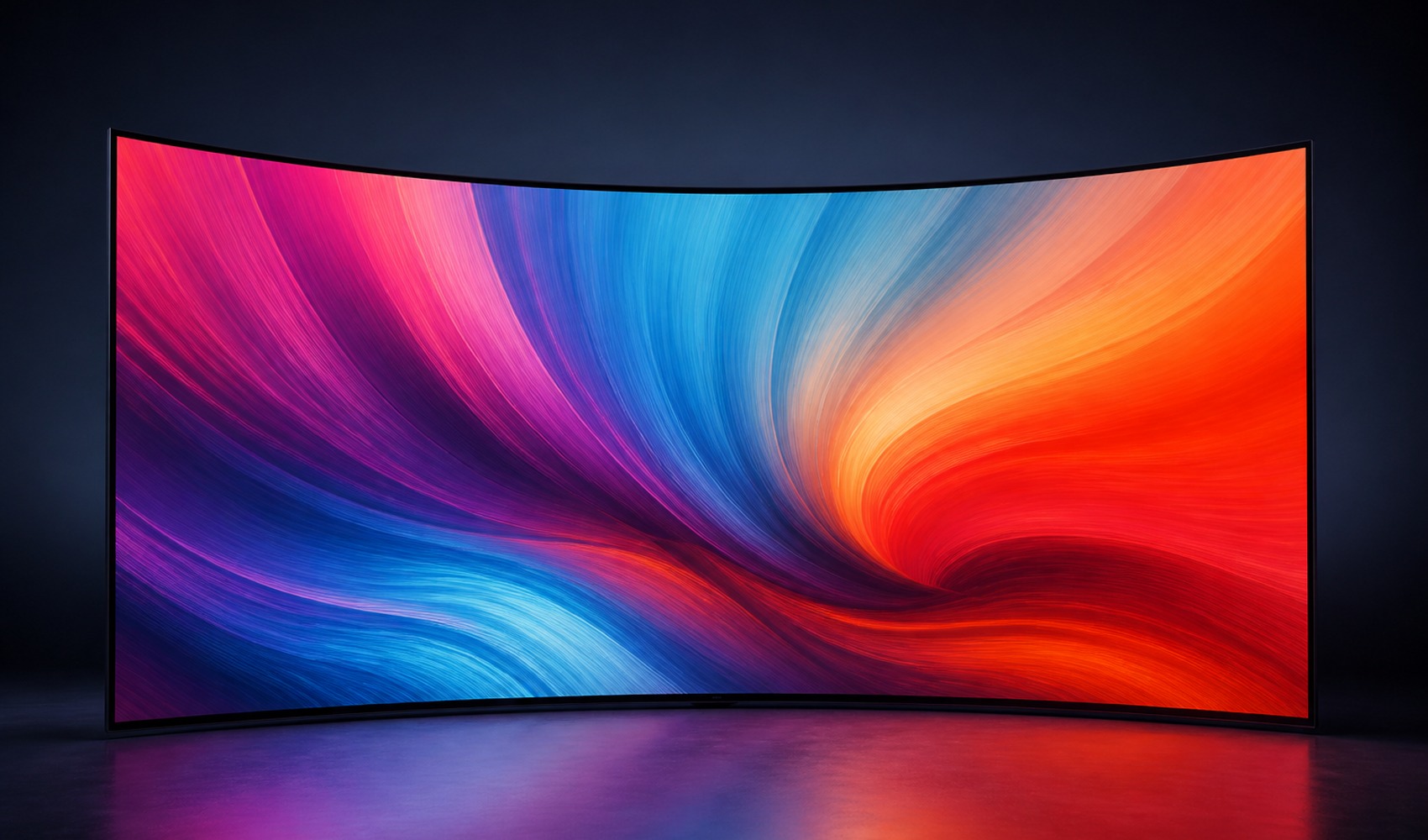
Once marketed as the future of home cinema, curved televisions failed to attract the expected interest and were withdrawn from the market. However, the same design approach has found a more permanent place, especially in gaming monitors and ultra-wide screens.
The main promise of curved TVs was to bring the immersive viewing experience of movie theaters into living rooms. However, since the distance between the viewer and the screen in television usage is usually several meters, it was difficult to feel this effect significantly. Moreover, for users not sitting directly in front of the screen, color and contrast losses became a significant disadvantage.
The problems with the design on the television side were not limited to image quality. While the production and transport of large-sized curved panels became more difficult, the habit of mounting flat screens on walls also worked against curved models. Samsung's decision to stop producing these panels in 2020 was considered the effective end of the curved TV era.
CONDITIONS CHANGED FOR MONITORS
The situation developed differently for desktop computer usage. In front of monitors, there is usually a single user sitting at a close distance and at center alignment. This largely eliminates the viewing angle problem that curved screens created in televisions, while providing a more natural field of view, especially on wide screens.
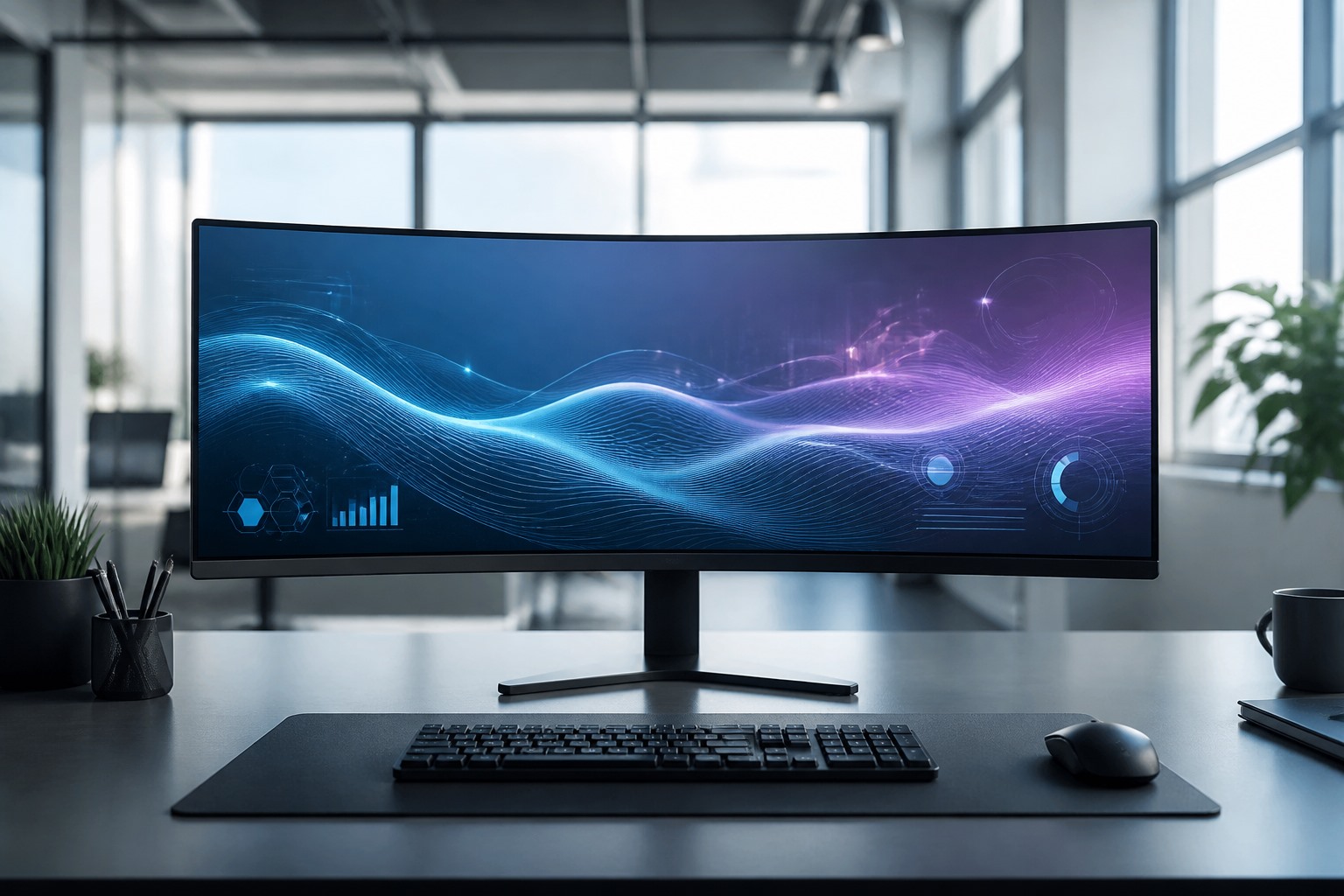
According to assessments reported in sources, the curve in monitors between 27 and 32 inches can reduce the user's neck movement and make it easier to follow elements on the screen, especially in games. In ultra-wide models, this effect becomes more visible; the image spreads in a way that is more compatible with the user's peripheral field of vision.
The curved panel experience, which could not achieve commercial success in the television market, turned into technical expertise for monitor manufacturers. Examples such as Alienware's 34-inch ultra-wide models and Samsung's simulation-focused 55-inch Odyssey Ark screen show that curved design has found a more suitable area of use at the desk rather than in the living room.
News Source: 12punto
Most Read

A message of apology from Serkan Bayram to Erdoğan

Striking post from Talisca after leaving Fenerbahçe!

Armed guards with long-barreled weapons protect Osimhen on trip to his hometown

Vahap Seçer's statement process has begun

YENİ Party MP announces the date Cemil Tugay will join the AKP!

Temperatures are dropping, rain and strong winds are coming

Another body recovered from the sunken ship

Oh, what love is this!...

Those in power win, the nation grows poorer

Casino Capitalism 4.0