

Iranian and US delegations continue negotiations in Qatar for a lasting agreement
While technical topics are being addressed in the indirect talks in Doha, Trump stated that the progress is "very positive."



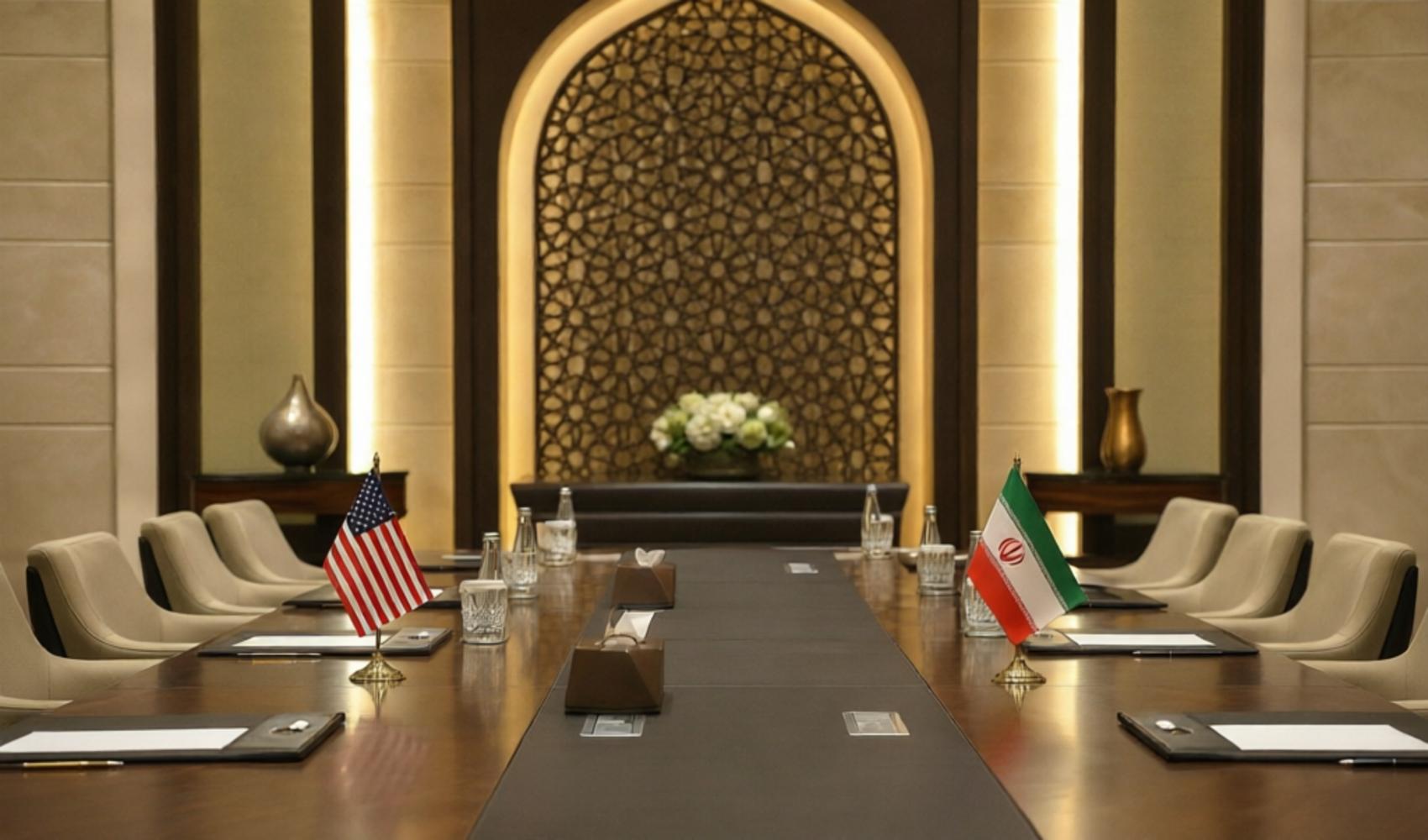
Iranian and US delegations are continuing their negotiations in Qatar for talks aimed at laying the groundwork for a lasting agreement. While technical topics are being addressed in the contacts that began on June 30, it is reported that the parties are communicating through Pakistani and Qatari mediators rather than meeting directly.

US President Donald Trump told reporters in North Dakota that the talks were going well. Trump stated, "The progress on nuclear disarmament is very positive. Very good meetings have been held."
However, the Reuters agency reported that there is no indication that the issue of nuclear disarmament is being addressed in the negotiations. For this reason, uncertainty remains regarding the scope of the talks and which topics the parties have made progress on.
WORKING GROUPS ON THE AGENDA IN DOHA
Kazem Gharibabadi, Deputy Foreign Minister representing Iran, said in a statement after meeting with Qatari Prime Minister Mohammed bin Abdulrahman Al Thani in Doha that working groups envisioned in the ceasefire agreement have been established to advance negotiations with the US. Gharibabadi, however, noted that these groups have not yet begun working in the process leading to a final agreement.
US Vice President JD Vance argued that if a positive outcome is achieved from the talks, Iran will not possess nuclear weapons, will not fund "terrorism and regional destabilization," and will integrate into the global economy. Vance said this would be positive for both the American people and Iran.
Vance stated that if the negotiations do not yield results, the US will maintain its strong position, and he delivered harsh messages regarding Iran's nuclear program and conventional military.
One of the important topics of the talks is the security and management of the Strait of Hormuz. In a statement on July 1, Iran reported that a ship that deviated from the designated route ran aground in shallow waters. Vandana Hari, founder of the oil market analysis company Vanda Insights, said in her assessment to Reuters, "Hormuz remains open, but the current situation is unpredictable and lacks transparency."
Tensions in the region are not limited to the US-Iran line. Iranian Foreign Minister Abbas Araghchi responded harshly to Israeli Defense Minister Israel Katz's statement that they would attack Iran again "if necessary." Araghchi said that in such a case, a "harsh attack" would be launched against Israel and argued that Israel must also end its attacks within the scope of the agreement reached with the US.
News Source: 12punto
Most Read
Two-day sale and collateral traffic in Gökçek family allegations
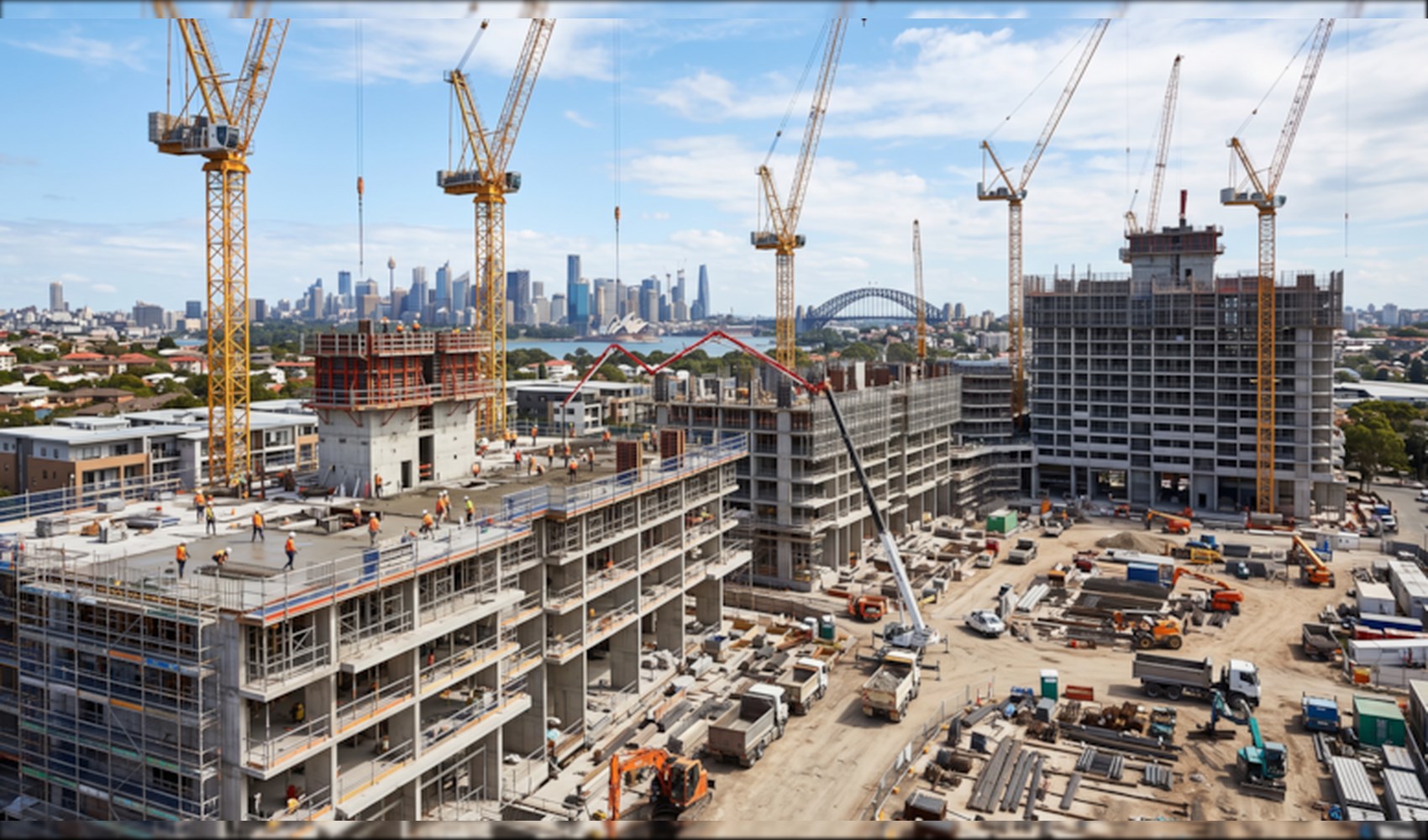
Another bankruptcy in the construction sector

New details emerge in 'panel' operation targeting lawyers

Detention warrants for 31 lawyers, searches at 39 offices

Özlem Şanver: 'He said he would change, I believed him; should I be beaten just because I didn't leave?'
Massive compensation claim against Acun Ilıcalı

Journalist Oya Lale Arslan detained
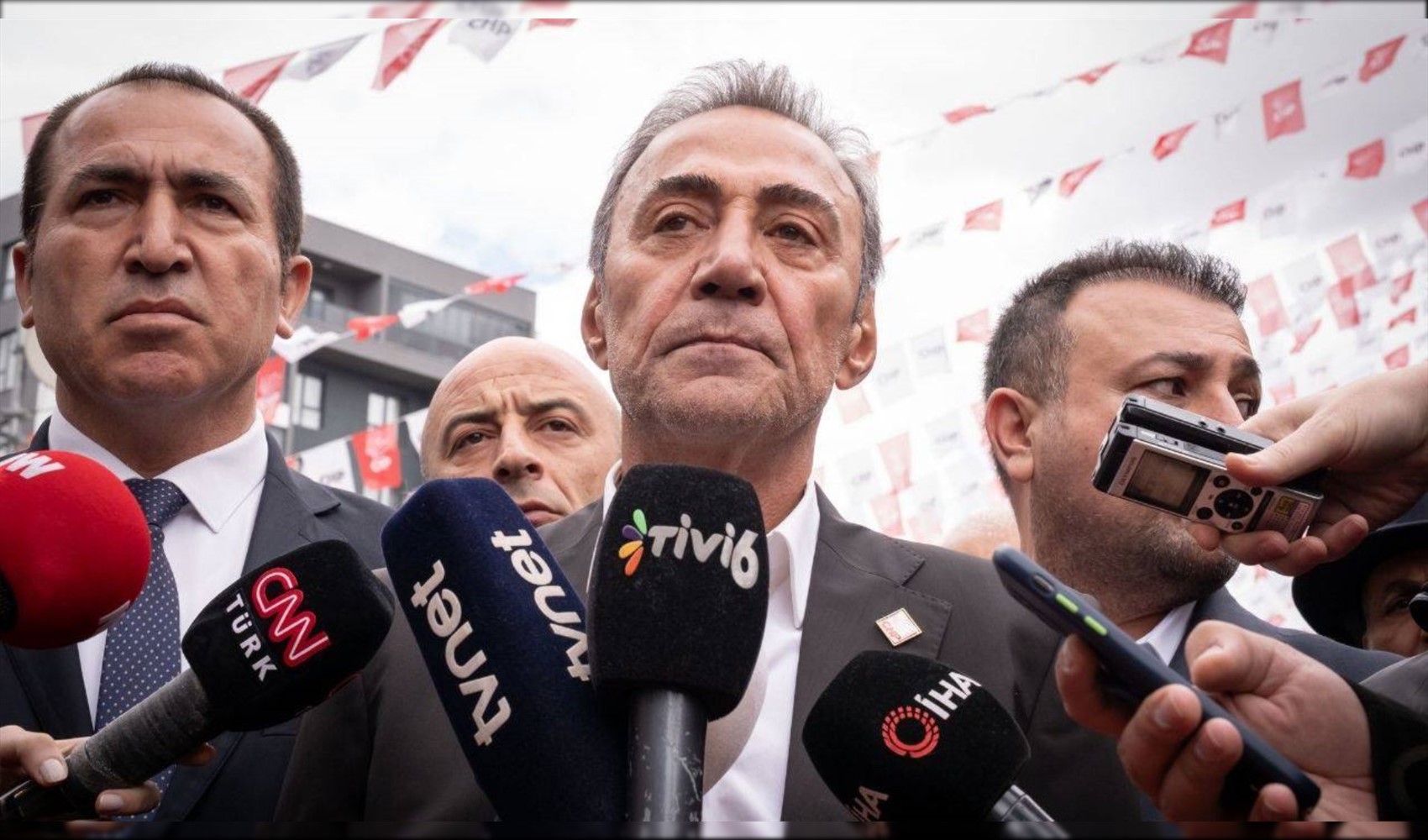
Footage emerges of Berhan Şimşek allegedly assaulting his former partner
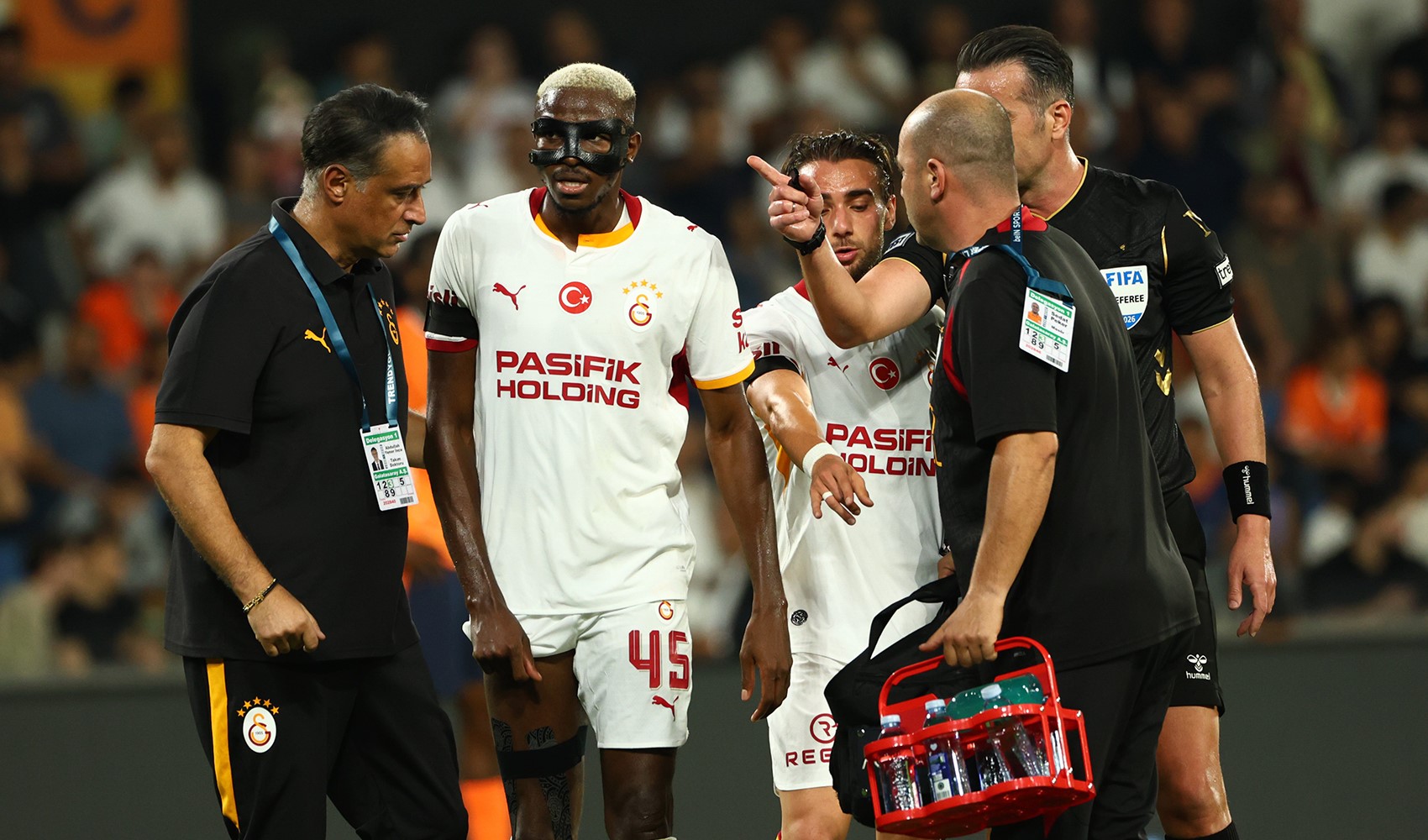
First statement from Osimhen after injury in Başakşehir match

Mourinho explains why he substituted Arda Güler