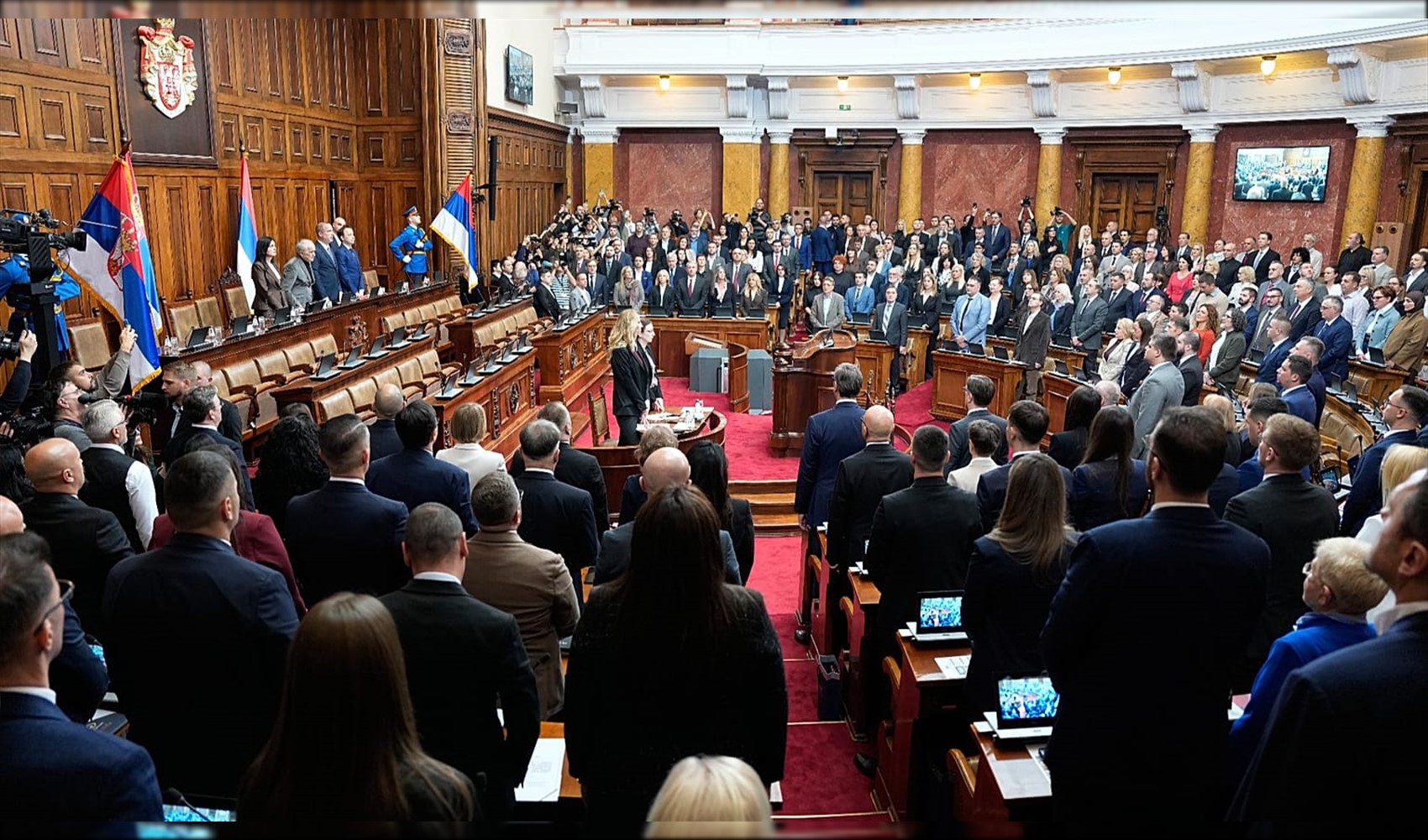
In Serbia, lawmakers from the student-backed movement that ended right-wing leader Aleksandar Vucic's 14-year rule in last month's elections have been sworn into parliament. The first parliamentary session of the new term was followed by a large audience across the country.
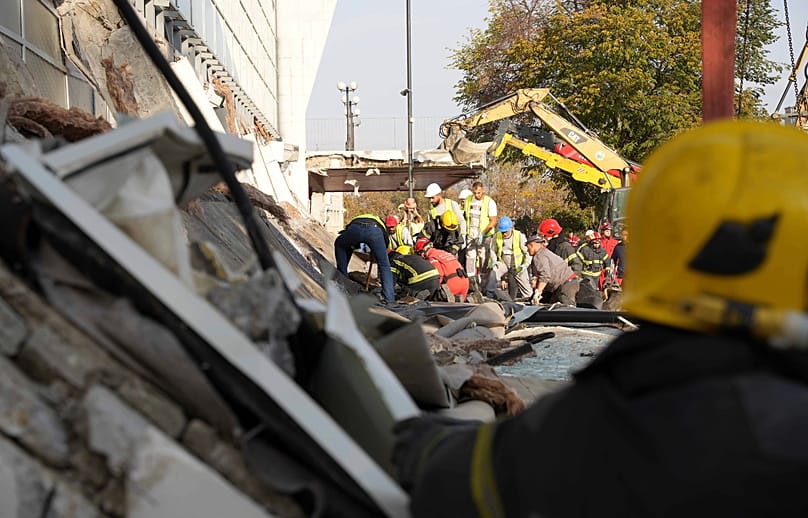
The event that ignited the political change in the country was the collapse of a train station canopy in the city of Novi Sad in 2024, which claimed the lives of 16 people. This tragedy, which was linked to corruption, sparked the largest protests seen since the overthrow of Slobodan Miloševic in 2000 and turned into an anti-corruption political campaign.
NEW FACES OF POLITICS ON THE JOB
The Student List, which won 140 seats in the 250-seat parliament in the elections, secured a majority to form a government on its own. The Serbian Progressive Party (SNS) coalition, led by Vucic, remained at 103 seats. The remaining seven seats were distributed among minority parties. The crowd gathered in front of the parliament building welcomed the new deputies with enthusiasm while protesting the SNS candidates.
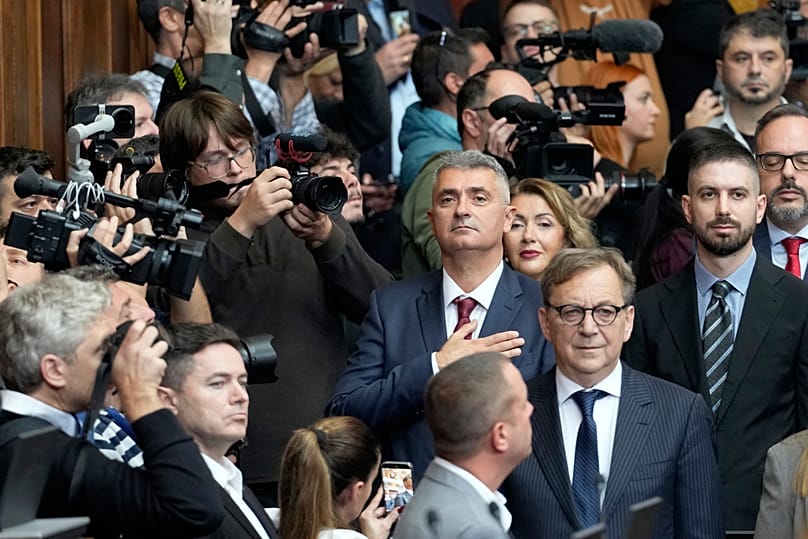
A large portion of the names brought to parliament by the student movement come from the world of academia and the arts. It is stated that this new cadre, which lacks political experience, has carried out a meticulous preparation process.
We are preparing very seriously for everything we will face in the coming period. We are studying the laws, parliamentary procedures, and the duties of members of parliament.
TOUGH TESTS AHEAD FOR THE NEW GOVERNMENT
With the parliament officially taking office, the new majority has 90 days to determine the prime minister, present the government program, and form the cabinet. The student movement came to power with promises of comprehensive reforms, such as improving the healthcare system, increasing the share allocated to education, and doubling the defense budget.
The new administration faces delicate balances in foreign policy as well as domestic policy. Serbia will need to strike a balance between its European Union membership goal and its traditional close relations with Russia. In addition, managing relations with Kosovo, whose independence Belgrade does not recognize, will be one of the priority agenda items.
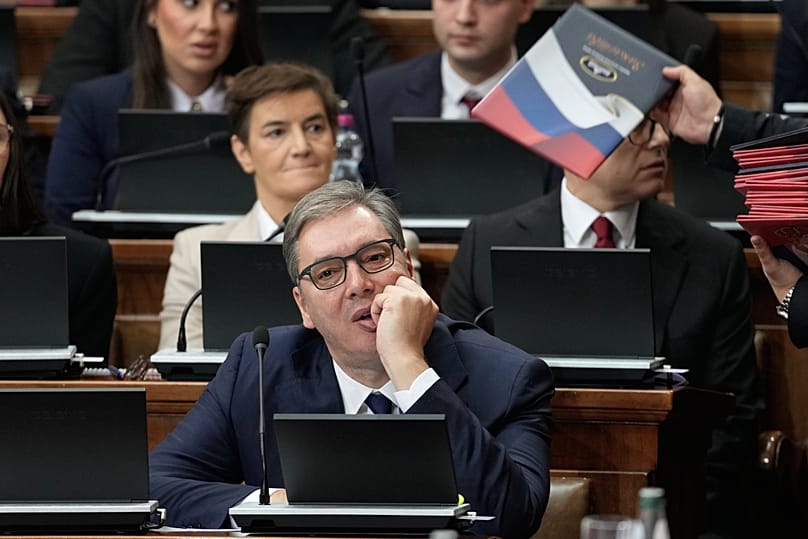
On the other hand, Aleksandar Vucic, who left his presidential post early in September to join the race for prime minister, has taken his place as the opposition leader in parliament for the new term. Following Vucic, who cannot run again due to the two-term limit in the constitution, new presidential elections are planned to be held by December 27.
News Source: 12punto