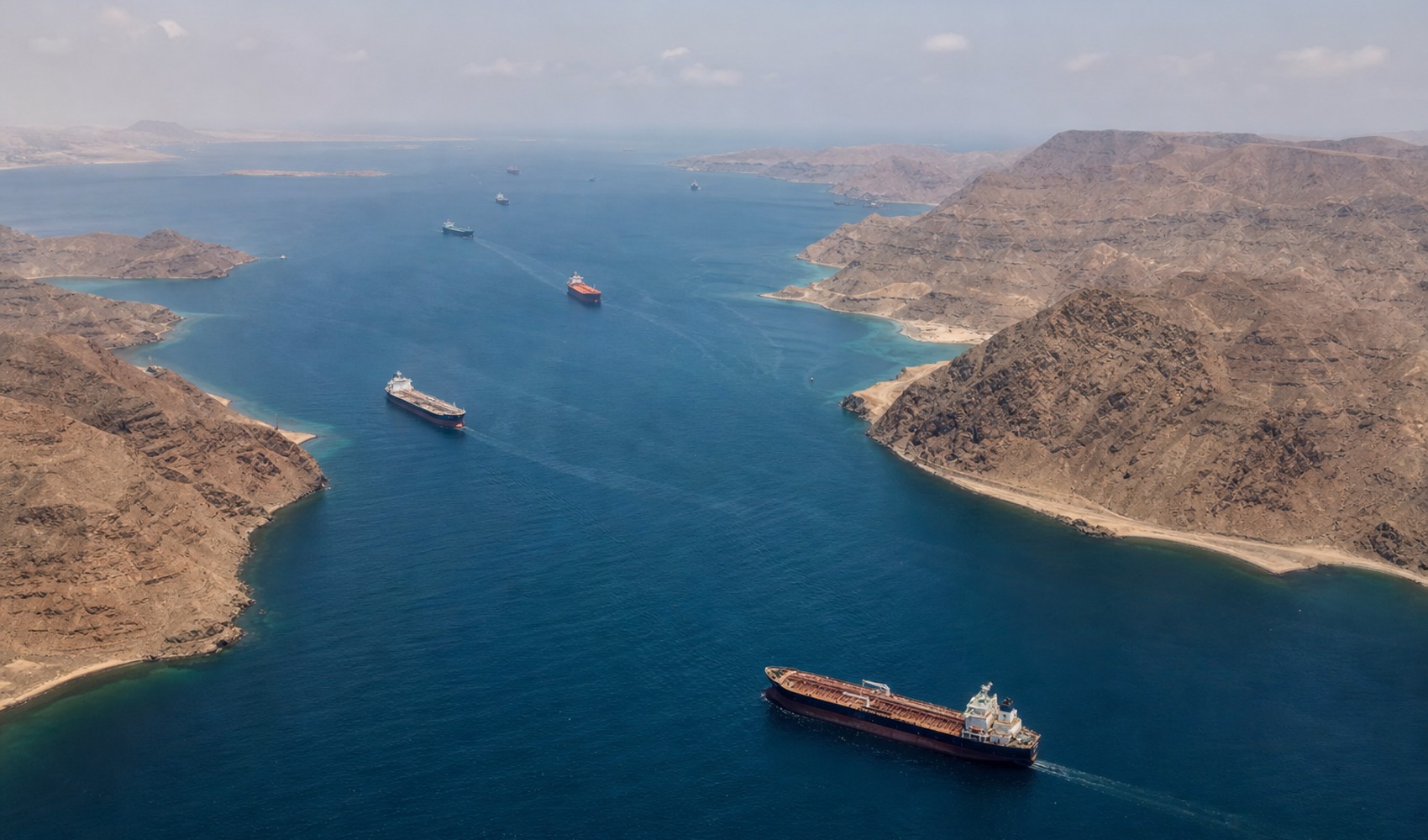
The decision by forces loyal to the internationally recognized government in Yemen to withdraw from certain military positions around the Bab-el-Mandeb Strait, which connects the Red Sea to the Gulf of Aden, has shifted the balance of power in the region.
The pro-government Southern Armed Forces announced that units stationed at Zubab Airport in the west of Taiz province and around the strait would be redeployed to Aden and neighboring provinces. The statement noted that the decision was made to enhance security in and around Aden, strengthen front lines, and prepare against existing threats.
Houthi influence set to increase
This withdrawal is being interpreted as a strengthening of the influence of the Iran-backed Houthis around the strategic waterway. The Houthis, who control vast regions in northern Yemen, the capital Sanaa, and the country's most populous areas, have recently increased military pressure on southern regions held by the government.
Critical passage for global trade
The Bab-el-Mandeb Strait stands out as one of the most critical routes for maritime trade between Asia and Europe. Ships reaching the Suez Canal via the Red Sea use this route to access European markets.
The rise in security risks around the strait is significant not only for the military balance in Yemen but also for oil and commercial cargo transport. It is noted that any disruptions along the Bab-el-Mandeb line could put pressure on supply chains moving through the Red Sea and the Suez Canal.
Developments in the region are being evaluated alongside concerns regarding the Strait of Hormuz, another critical transit point where Iranian influence is felt.
Simultaneous security issues in both Bab-el-Mandeb and Hormuz could make access to world markets more fragile for oil producers in the Persian Gulf.
News Source: 12punto