

Trilateral defense pact causes concern in Athens
The Greek press has interpreted Riyadh's defense cooperation with Ankara and Islamabad as a serious failure of Athens' regional policy.



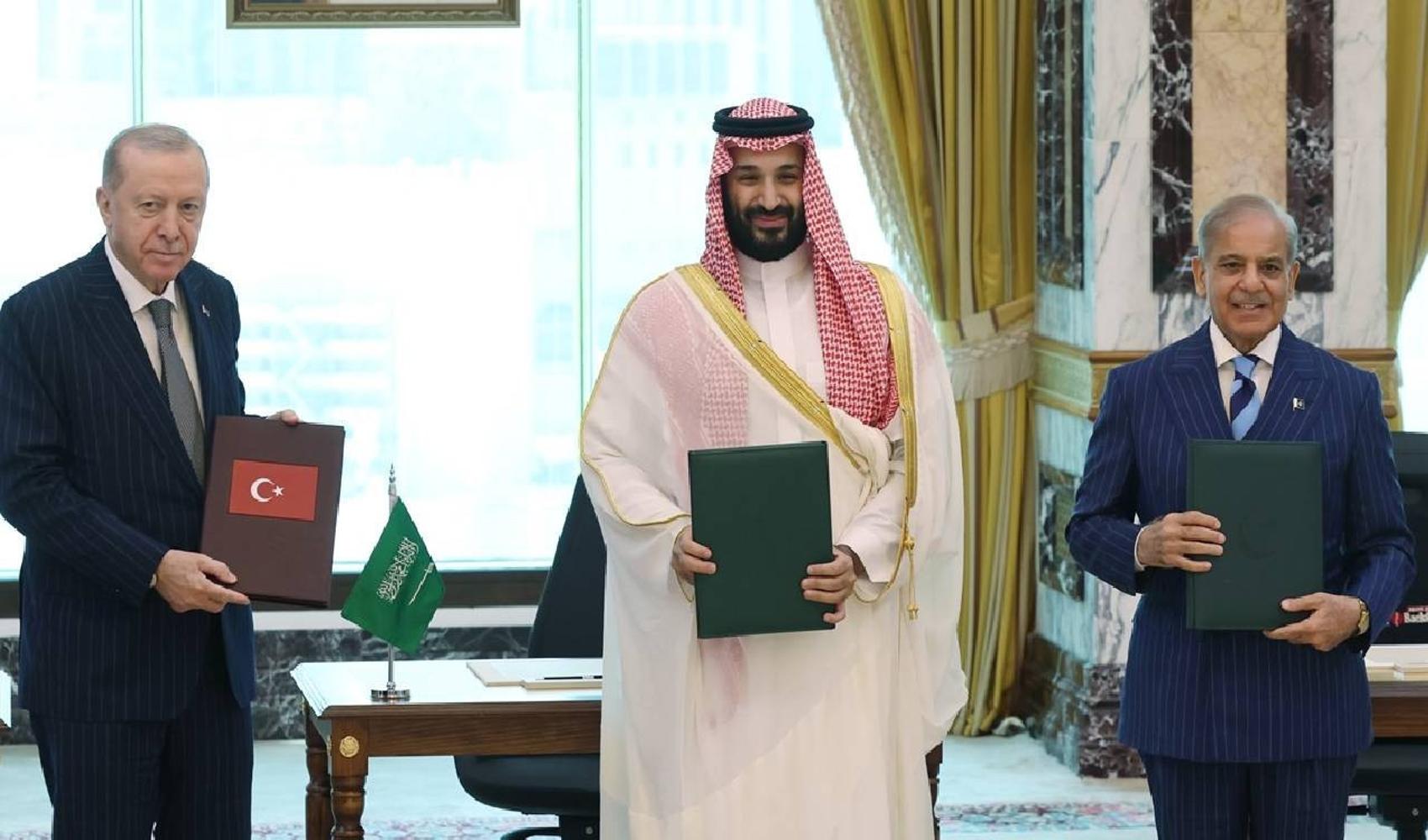
The mutual defense cooperation agreement signed between Saudi Arabia, Turkey, and Pakistan has brought a new debate centered on foreign policy and security to the agenda in Greece. Kathimerini, one of Greece's leading newspapers, criticized Turkey for increasing its influence in the region despite the close relations Athens has developed with Riyadh in recent years.
The assessment in the newspaper argued that Greece has been insufficient in turning the diplomatic rapprochement it established with Saudi Arabia into a strategic gain. The report stated that the trilateral defense pact is viewed as an “embarrassing situation” from Athens' perspective.
It was commented that while Greek officials have been observing the US steering countries around Iran toward closer cooperation, they failed to foresee that this process could turn into an official military alliance containing a “mutual defense/assistance shield.”
One of the most striking points for Athens was the assessment that Riyadh might distance itself from projects that Greece values, such as the India-Middle East-Europe Economic Corridor (IMEC). The Greek press wrote that this picture is reminiscent of the EastMed natural gas pipeline project, which had previously fallen off the agenda.
ATHENS' RIYADH CALCULATION
Greece has conducted intensive diplomacy over the last five years to strengthen relations with Saudi Arabia. In this context, Athens had deployed a Patriot missile battery belonging to the Hellenic Air Force to the region to protect the Yanbu refinery facilities on the Red Sea coast and the East-West pipeline.
It was reported that in recent months, more than 100 Greek soldiers stationed at this battery have played a role in protecting Saudi interests against ballistic missiles and UAVs launched by Iran and the Houthis. However, according to the Greek press, these steps were not enough to limit Turkey's weight in the Gulf and Middle East security architecture.
Saudi commentator Ali Shihabi, known for his proximity to the royal palace, explained the rationale for the alliance through the weakening of American deterrence and the Iranian threat. Shihabi stated, “This alliance is a result of the fact that American deterrence capacity has seriously weakened and the Iranian threat must now be confronted by regional powers themselves.”
It was also noted that the agreement was signed at a time when Riyadh feels the threats originating from the Iranian-backed Houthis in Yemen more closely. The Houthis targeting tankers in the Red Sea and drone and missile attacks on Saudi energy infrastructure are cited among the factors accelerating security pursuits in the region.
The Pakistani Ministry of Foreign Affairs announced that the agreement aims to increase mutual deterrence against all forms of aggression. The statement emphasized that an armed attack on one of the parties would be considered an attack on all.
The agreement was signed by Saudi Crown Prince Mohammed bin Salman, President Recep Tayyip Erdoğan, and Pakistani Prime Minister Shehbaz Sharif. It was stated that Riyadh and Islamabad had been holding talks for months to expand their defense cooperation to include Turkey, and that the tension experienced with the Houthis accelerated this process.
Burcu Özçelik, an analyst at the London-based Royal United Services Institute, told the Financial Times that the pact is consistent with the US expectation for regional countries to assume their own defense responsibilities. According to Özçelik, the agreement also aligns with Turkey's “regional solutions to regional problems” approach.
From Ankara's perspective, the pact is considered to have the potential to expand areas of defense exports and military cooperation in the Persian Gulf. Turkey and Pakistan's joint work in the field of UAV development and the large-scale UAV agreements Saudi Arabia has made with Baykar are among the prominent topics in this framework.
Sources stated that the agreement does not cover Pakistan's nuclear deterrence capacity; this capacity is kept separate against the threat from India. It is known that Pakistan has long provided technical and training support to the Saudi army, and that Turkey and Pakistan conduct joint naval and air exercises.
News Source: 12punto
Most Read
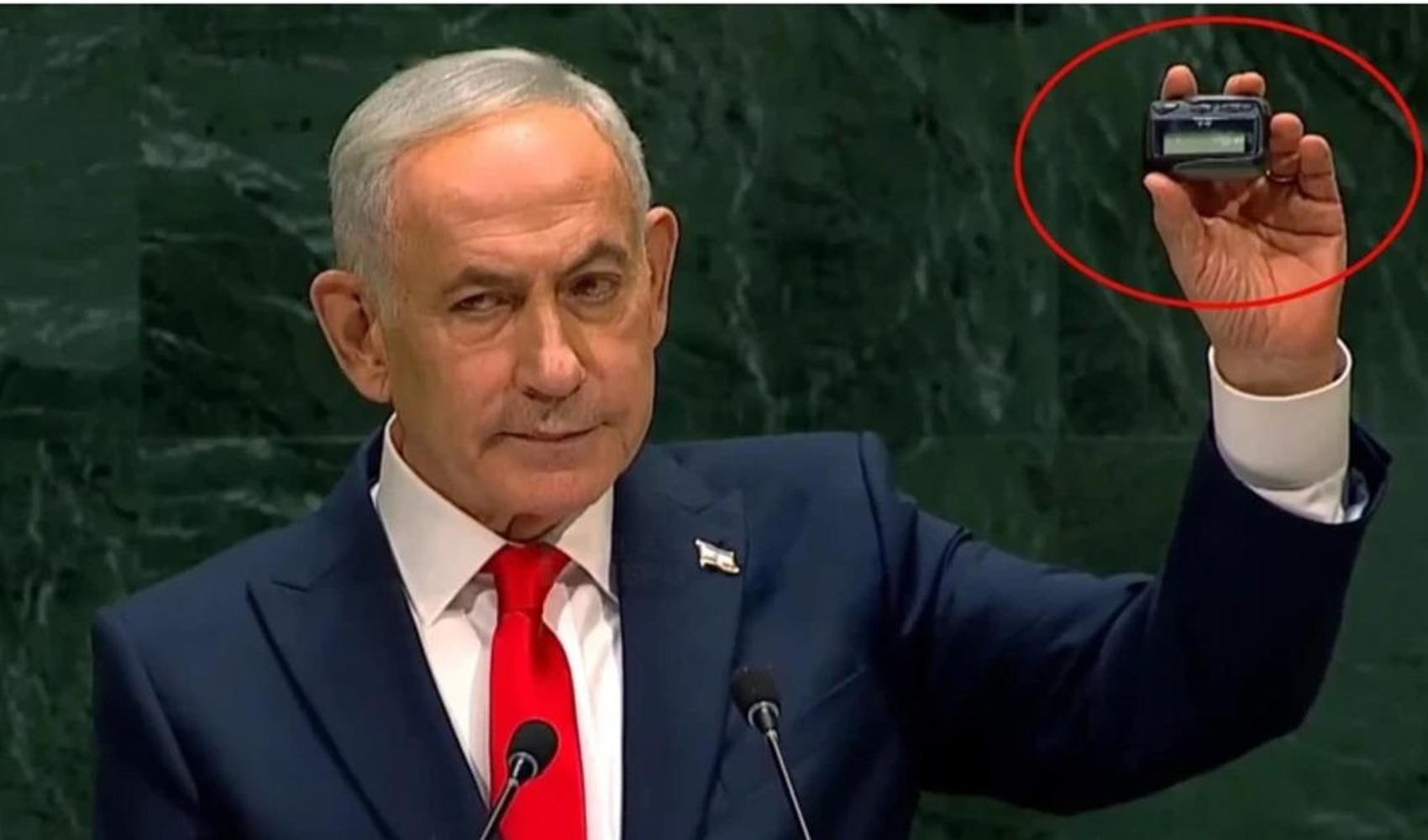
Netanyahu shows pager at the UN

11 more arrests in the fund investigation

Is Greece emboldened because our nation doesn't know what 'Casus Belli' is?!

Did the fund crisis come in plain sight? Who won while the house was winning?

Searching for the left in Berlin and Europe: It's just not there!

Little America
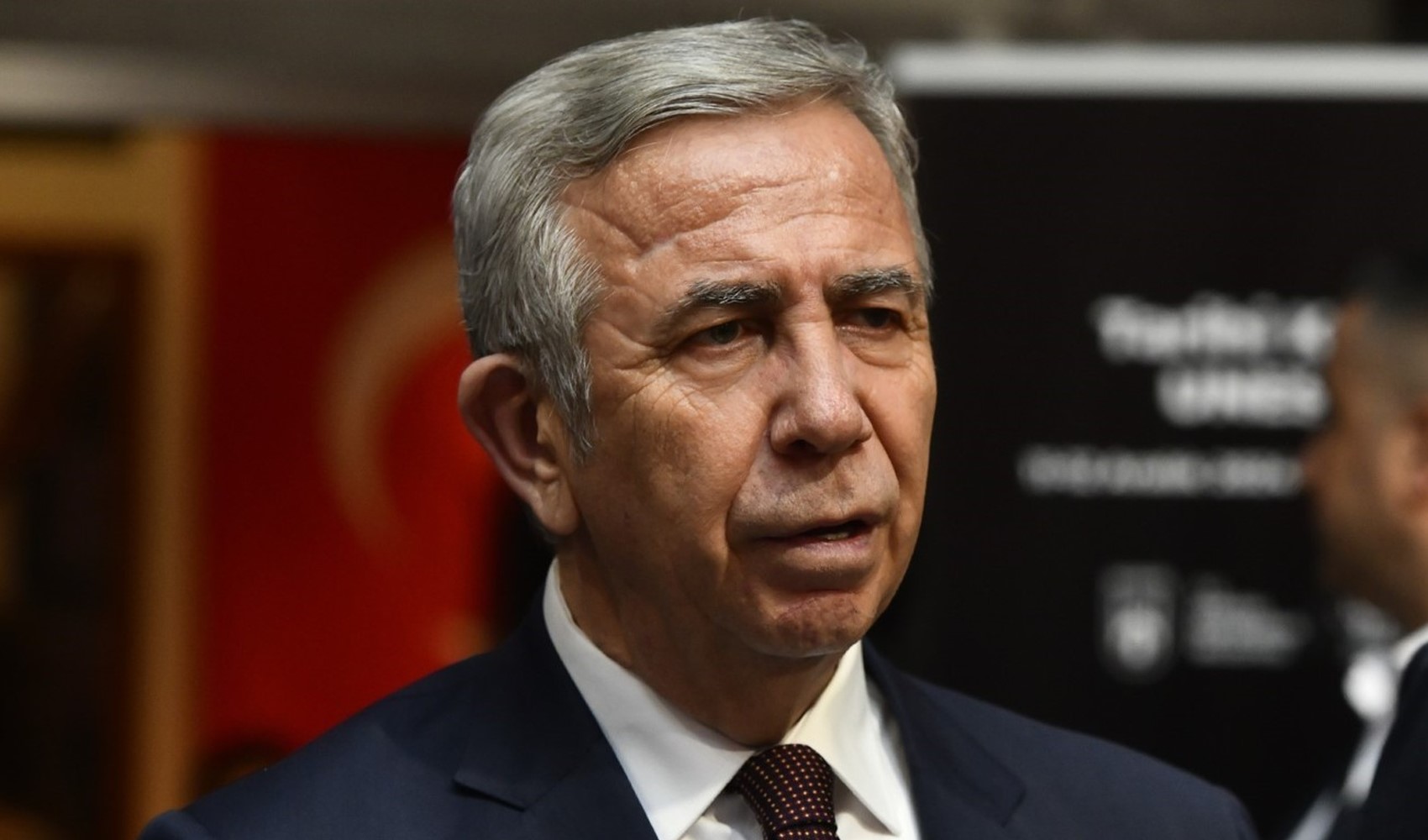
Reactions from the 'Butlan' management continue following Mansur Yavaş's resignation from the CHP
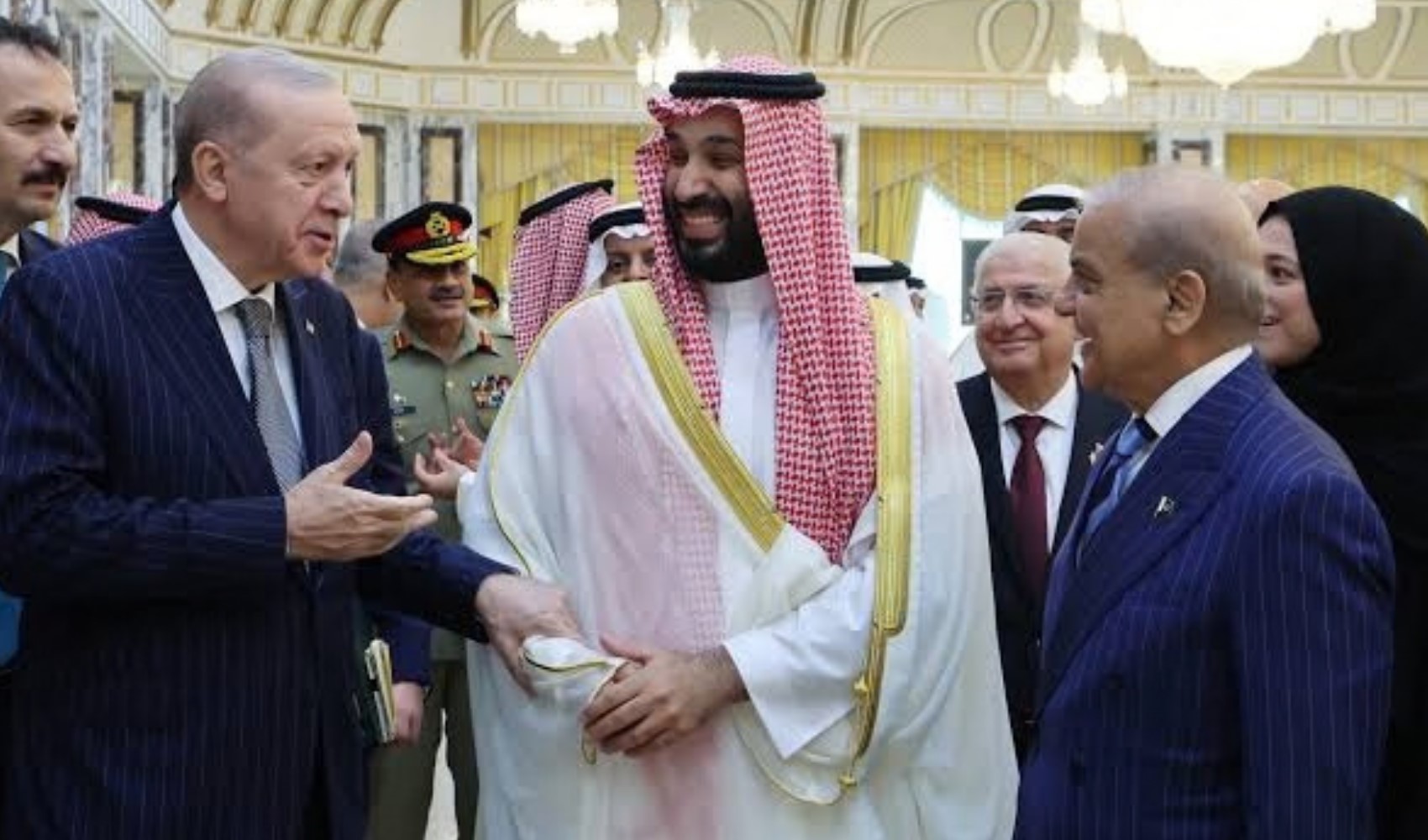
Saudi Arabia calls for 'urgent' defense meeting with Turkey and Pakistan

Digital blockade: Will account bans be able to hide the truth?
A former MASAK Vice President is among them!