

Trump signs two new executive orders to limit birthright citizenship
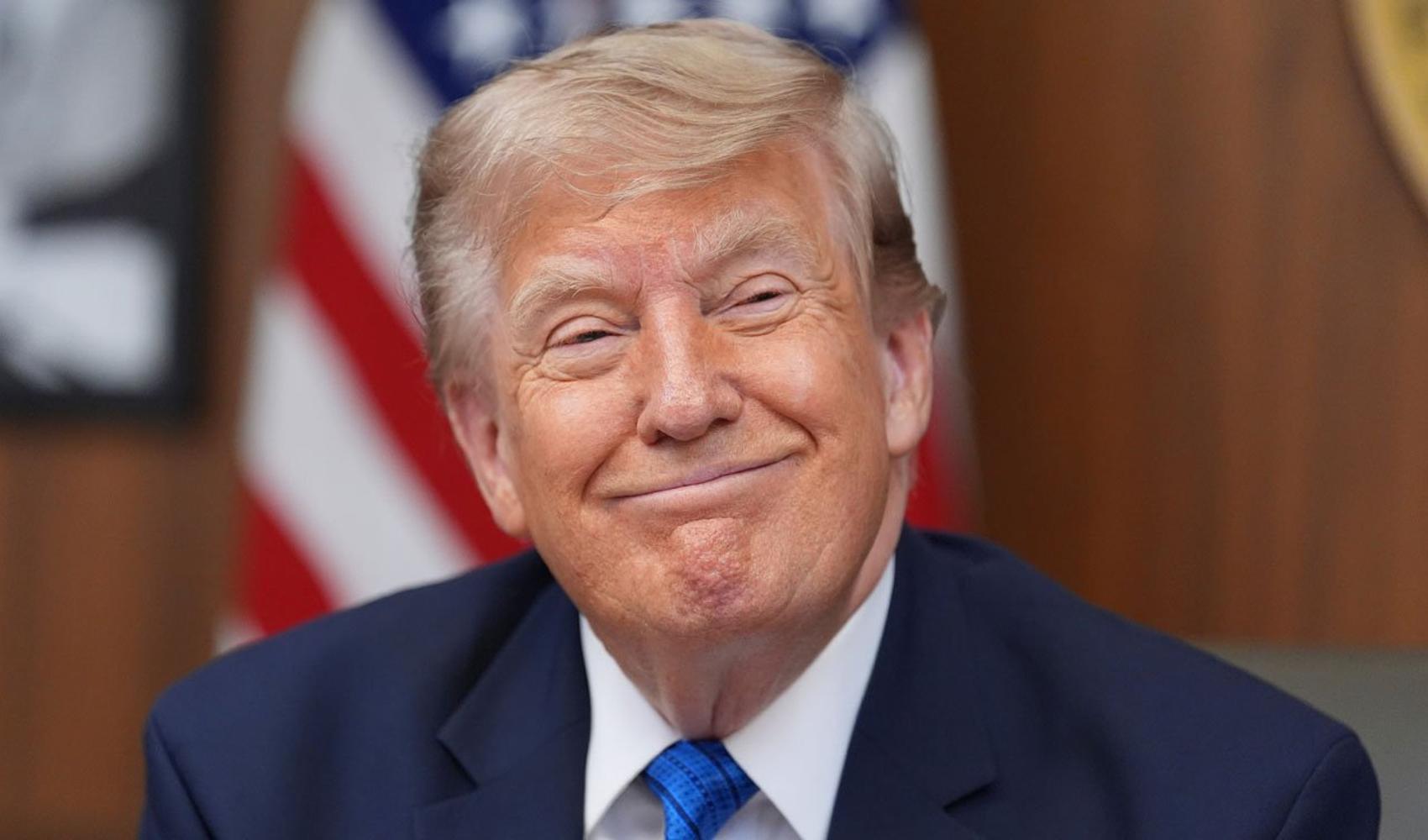
Despite a Supreme Court ruling, U.S. President Donald Trump has signed two new executive orders to narrow the scope of birthright citizenship.



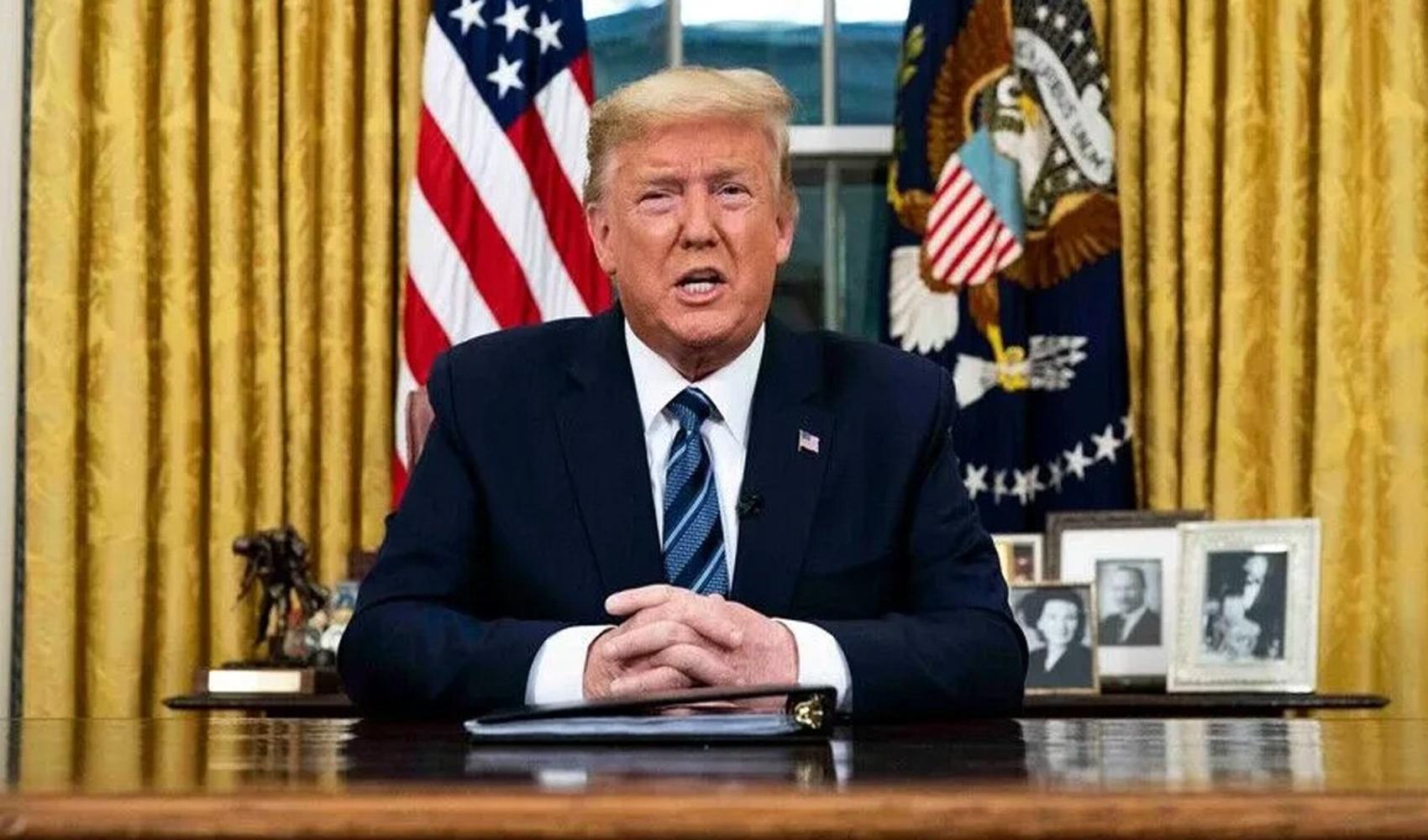
U.S. President Donald Trump has taken a new step toward limiting the right to birthright citizenship. On Thursday, August 6, Trump signed two executive orders in the Oval Office, aiming both to prevent automatic citizenship from being granted to the children of certain parents and to ban the practice defined as "birth tourism."
The new move comes after the Trump administration's previous attempt to end birthright citizenship failed in the Supreme Court. In a ruling issued in June, the Court had determined that the policies Trump attempted to implement in 2025 could not be valid.
In his announcement of the executive orders, Trump criticized the Supreme Court's decision, stating, "Our country is suffering because of this decision, and we are now putting an end to it in a different way." Amid debates recalling that the right to birthright citizenship has been in effect for over 150 years, the U.S. President remarked, "This should have been done years ago, but now we are handling this issue."
WHAT DO THE EXECUTIVE ORDERS BRING?
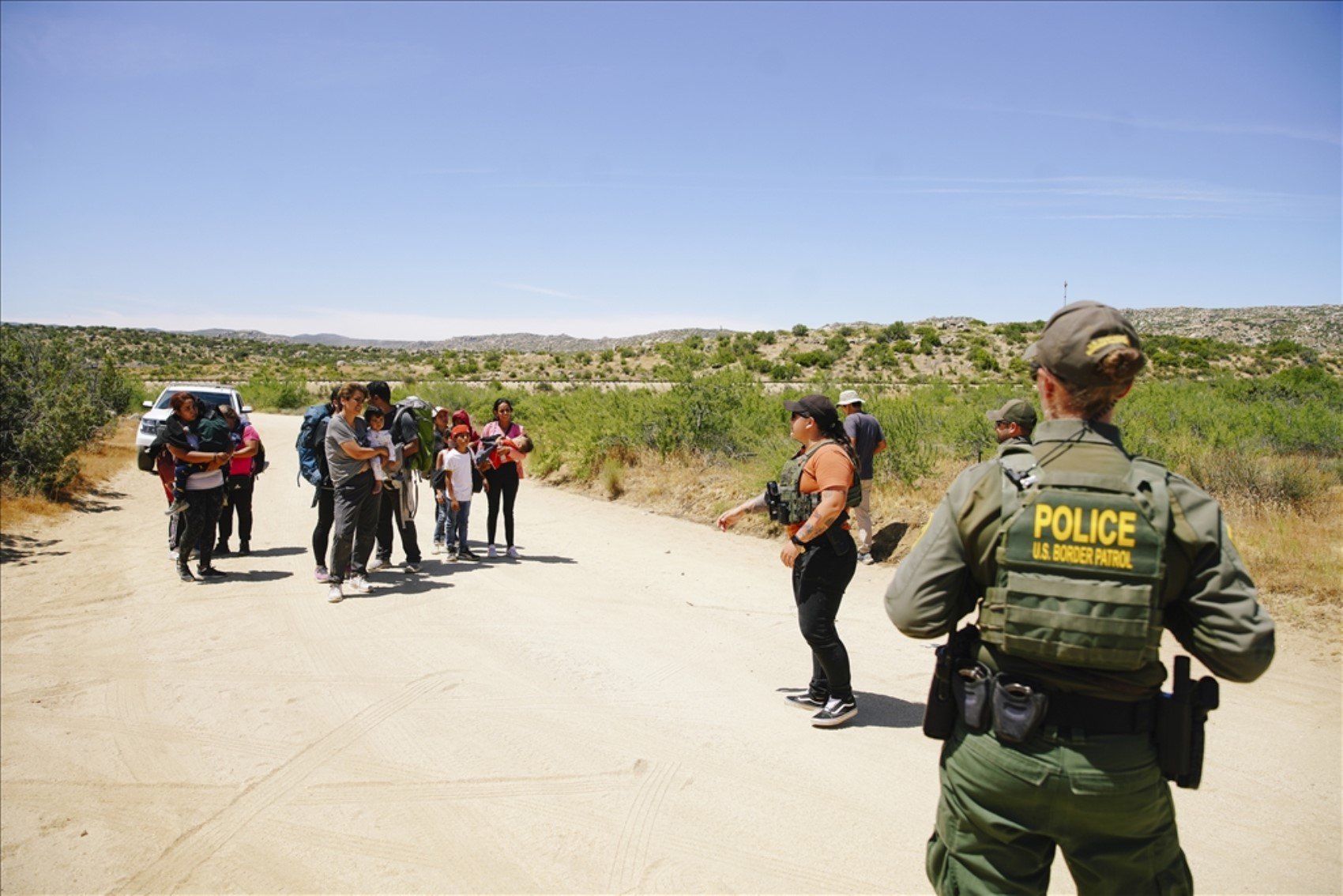
The first executive order aims to prevent automatic citizenship in certain cases for babies born in the U.S. to two parents who are not U.S. citizens. Accordingly, the path to automatic citizenship for a child is intended to be closed if one of the parents is a member of a foreign terrorist organization, a foreign government employee, attempts to obtain citizenship through fraudulent means, or resides on U.S. soil where citizenship rights are not granted under federal law.
The second executive order aims to ban "birth tourism," which refers to pregnant women coming to the country for the purpose of their children becoming U.S. citizens. The Trump administration argues that this practice abuses the U.S. citizenship system.
Stephen Miller, Deputy Chief of Staff for Policy and Senior Advisor for Homeland Security at the White House, argued that some individuals enter the country as tourists or visitors, but their primary goal is for their children to automatically become U.S. citizens. Miller said these children are then able to access social assistance, voting, and other rights granted to Americans.
According to estimates by the Migration Policy Institute based on census data, approximately 22,000 to 26,000 babies are born in the U.S. each year as a result of birth tourism. Government data, meanwhile, shows that in 2024, mothers whose addresses were in another country had 9,600 births in the U.S.
LEGAL DEBATE WILL CONTINUE
According to experts, some parts of the executive orders may pass judicial review, but the attempt to retroactively limit citizenship rights after birth could lead to serious constitutional debates. Professor Gabriel Chin of the University of California, Davis School of Law, stated that the president may have certain authorities to limit the entry of people coming to the U.S. for the purpose of having children.
However, Chin said he believes the president does not have the authority to decide that a child is not a citizen after that child is born in the U.S. According to Chin, this issue was largely settled by the case the Trump administration lost in the Supreme Court.
The 14th Amendment to the U.S. Constitution is accepted as the fundamental basis granting citizenship rights to persons born in the country. For this reason, the Trump administration's new executive orders are also expected to face challenges in the courts.
News Source: 12punto
Most Read
Netanyahu shows pager at the UN

11 more arrests in the fund investigation

Is Greece emboldened because our nation doesn't know what 'Casus Belli' is?!

Did the fund crisis come in plain sight? Who won while the house was winning?

Searching for the left in Berlin and Europe: It's just not there!

Little America
Reactions from the 'Butlan' management continue following Mansur Yavaş's resignation from the CHP
Saudi Arabia calls for 'urgent' defense meeting with Turkey and Pakistan

Digital blockade: Will account bans be able to hide the truth?
A former MASAK Vice President is among them!