

Turkey takes action following attacks on commercial ships in the Black Sea
According to sources speaking to Bloomberg, Ankara has suspended certain transit permits for the Black Sea following attacks on commercial vessels.



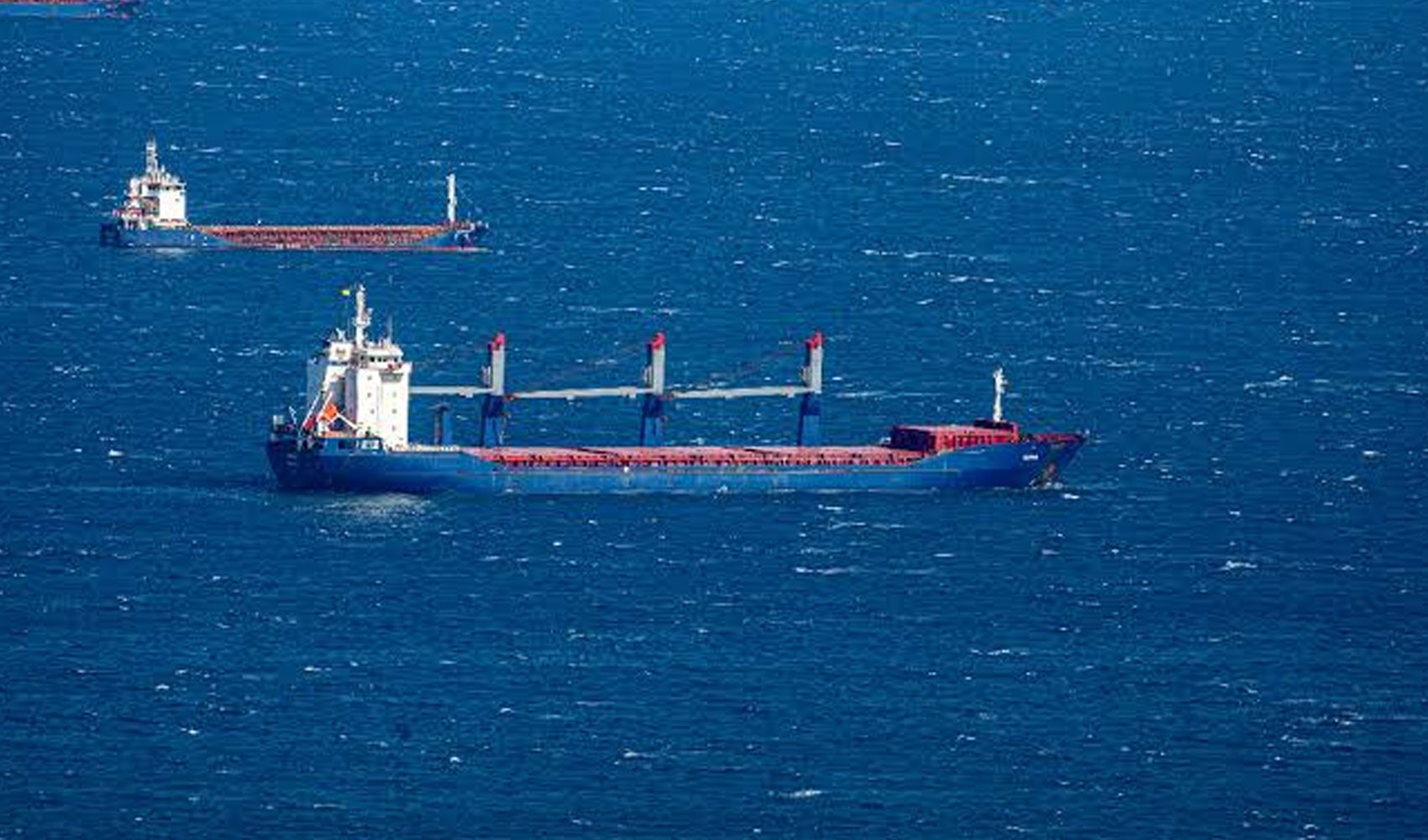
The rise in attacks on commercial ships in the Black Sea has led Turkey to tighten its security assessments regarding passage through the straits. Sources speaking to Bloomberg reported that Ankara has suspended transit permits for some commercial vessels seeking to enter the Black Sea or has requested additional time to review applications.
According to the report, the General Directorate of Coastal Safety has informed numerous ships planning voyages to Novorossiysk, a key Russian oil and grain export hub, that transit passage will not be granted at this stage. Sources indicated that the restriction also applies to ships heading to Ukraine.
No official statement has been made regarding the reasoning behind the implementation. However, it is stated that the move effectively limits the number of ships entering the Black Sea. The scope of the restriction and how long it will remain in effect are not yet clear.
According to vessel tracking data compiled by Bloomberg, as of 1:00 PM local time, ships heading to ports in Bulgaria or Turkey were continuing to move north through the Dardanelles Strait.
ATTACKS ON TURKISH SHIPS INCREASE CONCERN
Recent drone attacks on commercial tankers in the Black Sea, including those involving Turkish ships, have heightened security concerns in Ankara. The Ministry of Foreign Affairs announced this week that some crew members, including Turkish citizens, were injured in attacks on two Turkish ships.
We reiterate our call for all relevant actors, especially the warring parties, to urgently implement concrete measures to ensure the safety of navigation in the Black Sea.
The ministry's statement also warned that the escalation of the conflict could have multifaceted negative consequences, including for food security.
The Black Sea is of critical importance for grain and energy shipments from both Russia and Ukraine. The intensification of attacks on commercial vessels is increasing concerns regarding shipments from the region while also adding pressure on global trade.
The report emphasized that following disruptions in oil flows around the Strait of Hormuz due to the war in Iran, security risks in the Black Sea are creating new uncertainty for energy and food supplies. It was noted that these developments contributed to wheat prices reaching their highest level in two years in July.
News Source: 12punto
Most Read

Netanyahu shows pager at the UN

11 more arrests in the fund investigation

Is Greece emboldened because our nation doesn't know what 'Casus Belli' is?!

Did the fund crisis come in plain sight? Who won while the house was winning?

Searching for the left in Berlin and Europe: It's just not there!

Little America

Reactions from the 'Butlan' management continue following Mansur Yavaş's resignation from the CHP

Digital blockade: Will account bans be able to hide the truth?

Saudi Arabia calls for 'urgent' defense meeting with Turkey and Pakistan

A former MASAK Vice President is among them!