

United Russia increases its votes in the first Duma elections during the war in Russia
In the elections held in the fifth year of the Ukraine war, United Russia won 349 seats; while the CPRF declined, turnout increased.



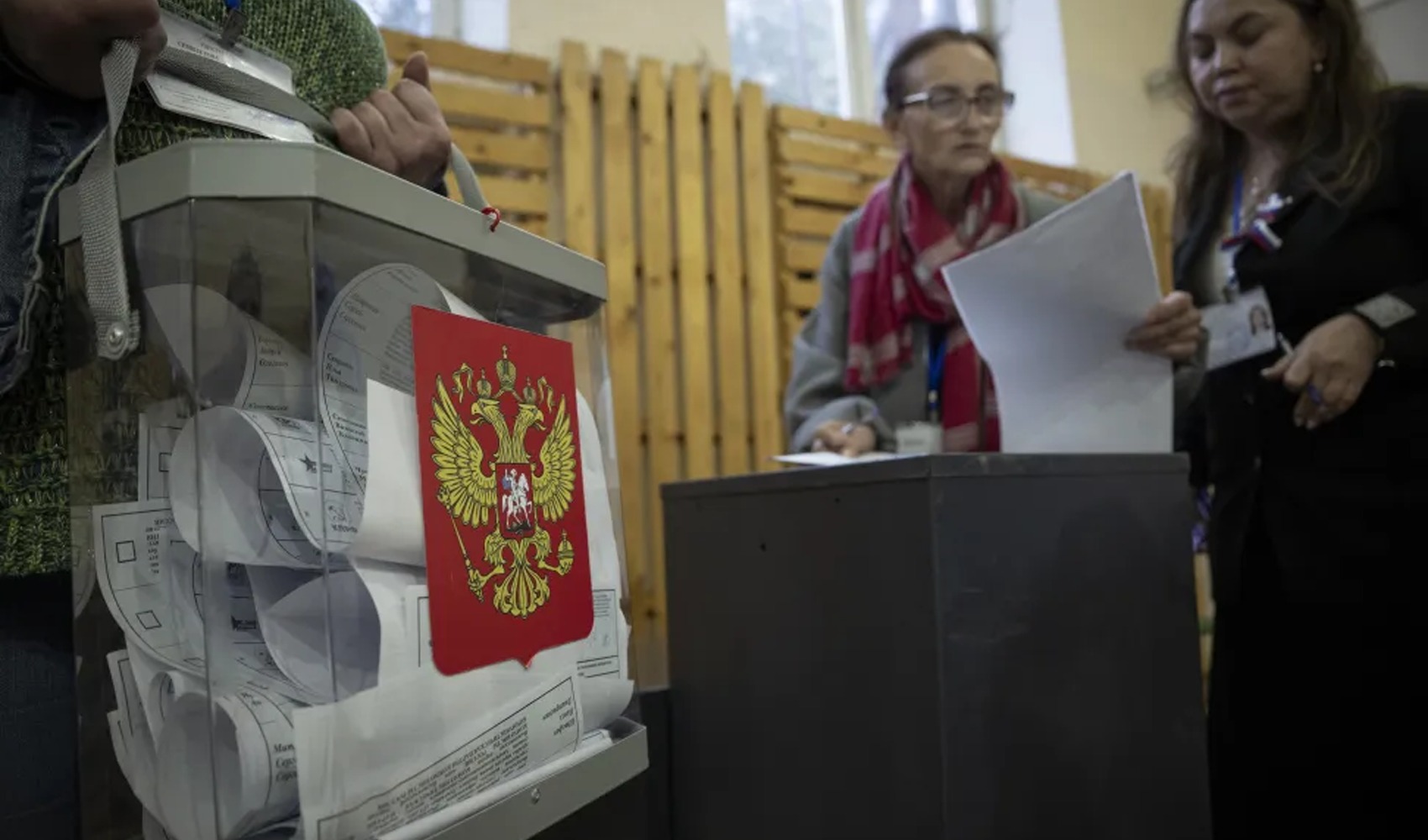
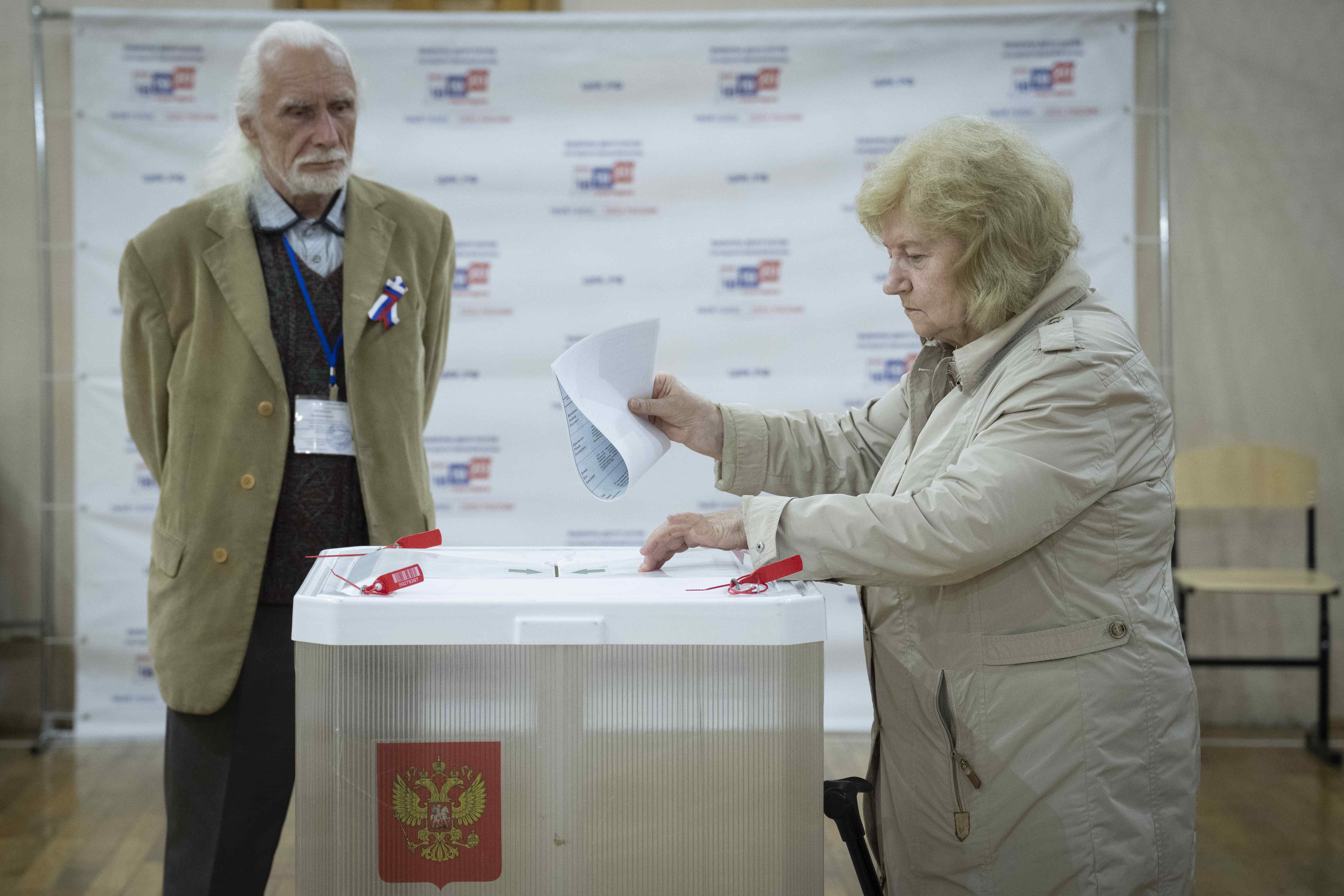
Elections to determine the 9th State Duma in Russia were held from September 18-20. The vote, which was the first parliamentary election since the start of the Ukraine war, took place in a different political atmosphere compared to 2021 due to the prolongation of the war and the slowdown in economic growth.
According to the final results confirmed by the Central Election Commission (CEC) of the Russian Federation on September 25, the ruling party, United Russia, won 349 seats in the 450-seat Duma. Thus, the party maintained its position above the two-thirds majority required for constitutional amendments.
In the distribution of seats, the Communist Party of the Russian Federation (CPRF) won 37 seats, the Liberal Democratic Party of Russia (LDPR) 23, New People 19, and A Just Russia 17. While Rodina won one seat, four independent candidates also entered the Duma.
One of the most notable results of the election was that United Russia increased its party list vote. The party increased its vote share, which was 49.82 percent in 2021, to approximately 58 percent in these elections. Turnout also rose from 51.72 percent to 59.8 percent.
ECONOMIC SLOWDOWN DID NOT REFLECT IN VOTES
The elections were held at a time when the war had entered its fourth year and economic growth had slowed significantly. According to the latest forecasts of the Ministry of Economic Development, the Russian economy is expected to grow by 0.6 percent in 2026, and year-end inflation is expected to reach 6.8 percent.
However, the economic slowdown does not appear to have turned into a general household income and consumption crisis. The fact that wages and domestic demand remained relatively strong is considered one of the prominent factors in why the ruling party's electoral support did not erode despite the costs of the war.
The internal effects of the war, however, have become more visible. Ukraine's drone attacks on oil refineries and economic infrastructure have at times put pressure on fuel supply and prices. The 2026 federal budget deficit is also expected to approach 3 percent of GDP instead of the 1.6 percent initially projected.
BALANCES IN THE OPPOSITION HAVE CHANGED
Among the opposition parties in the Duma, the most significant loss was experienced by the CPRF. The party saw its vote share, which was 18.93 percent in 2021, fall to approximately 13.8 percent; the number of its deputies also dropped from 48 to 37. While the LDPR rose to approximately 9 percent and New People to approximately 8 percent, the vote share of A Just Russia fell to around 5 percent.
It is commented that in the decline of the CPRF, besides its failure to consolidate economic discontent around itself, its stance on the war was also influential. Although the party criticized the government's economic and social policies, it did not develop a fundamental objection to the military operation in Ukraine.
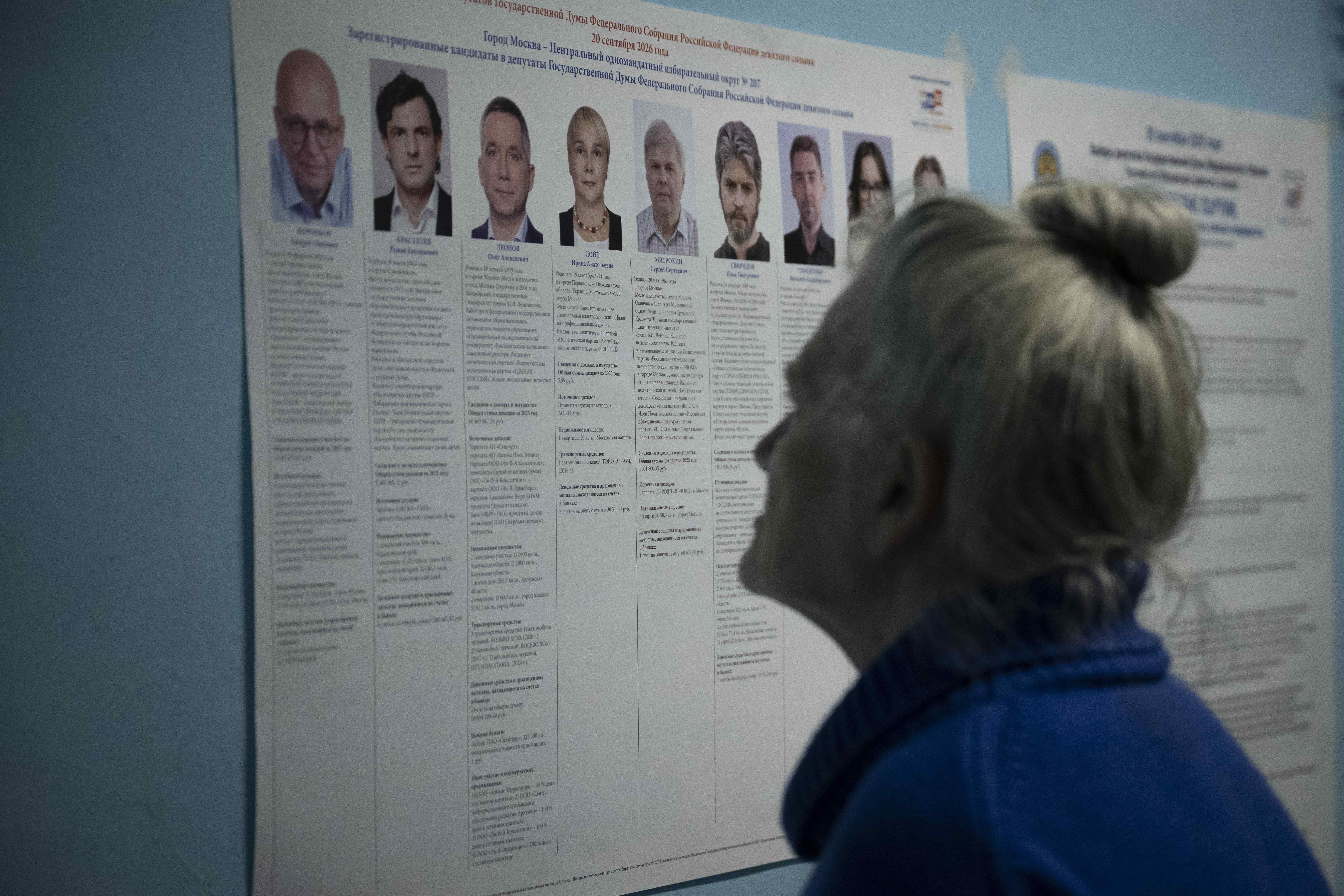
The CPRF's campaign process was also shaped by legal and administrative obstacles. The candidacy of well-known figure Nikolay Bondarenko was canceled. Mikhail Matveyev's candidacy, however, was reinstated on appeal after being canceled by a court decision. At least 18 regional CPRF organizations conducted a joint campaign against similar cases.
The federal list of Yabloko, which openly opposes the war, could not participate in the elections. Upon the application of Rodina, the Supreme Court of Russia canceled the registration of the list on August 10; the Yabloko leadership argued that the decision was political. The party was highlighting calls for a ceasefire and negotiations between Russia and Ukraine in its campaign.
The direct representation of the war in the new Duma also drew attention. According to CEC data, 46 people who participated in the war in Ukraine were elected as deputies; 41 of them entered the Duma from the United Russia list.
The spread of the voting process over three days, electronic voting, and the information campaigns conducted by the election administration were effective in the increase in turnout. It was reported that within the scope of the CEC's "InformUIK" program, approximately 300,000 election officials visited more than 48 million households and reached more than 73 million voters.
The results showed that despite the prolongation of the war and the weakening of economic momentum, these conditions did not turn into a loss of votes for the ruling party. The absence of a general collapse in income and consumption, the lack of a clear anti-war option at the ballot box, and increased turnout stand out as the main headings explaining why United Russia increased its votes.
News Source: 12punto
Most Read
Fenerbahçe issues statement on FIFA transfer ban
How did the manipulation cycle function in the fund crisis?

Fenerbahçe star Greenwood's new address has been revealed

The closed-period list of the mysterious fund has emerged
Deniz Baysal's 7-year marriage ends in a single hearing
The fund fraud scandal and MSCI 'Status Concern'
Arda Güler asked for water, a fan sent it in a plastic bag!
What is beauty anyway (mathematics)

From economy to education: The impasse of the gap between rhetoric and action
Who would have thought, my dear, that one day we would fall out