

Is gasoline becoming a thing of the past? It is now being used instead of gasoline
With the goal of reducing energy imports, India has launched an exemplary project that converts cow dung into eco-friendly transport fuel. This step aims to contribute to both the rural economy and the country's energy independence.



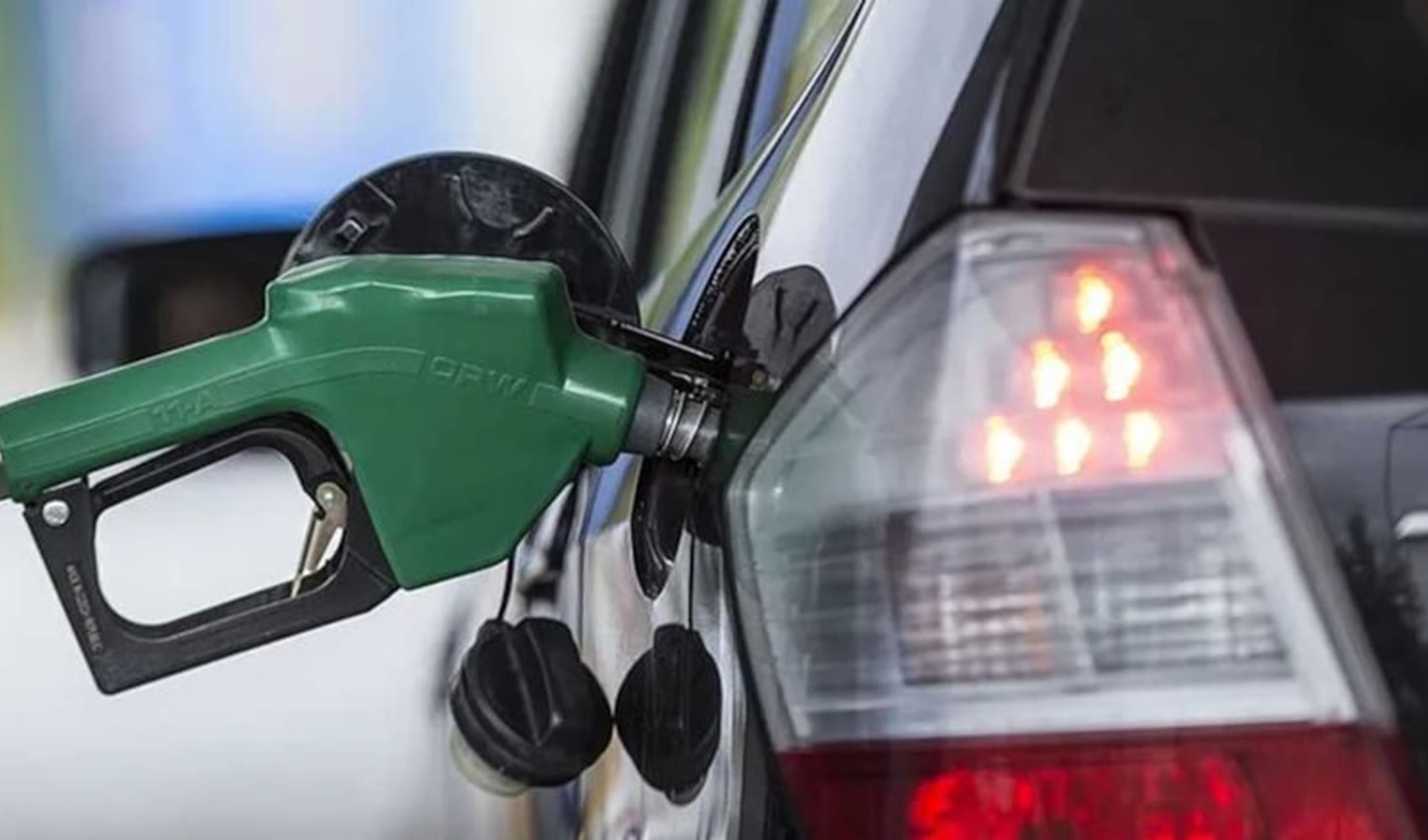
As one of the world's largest energy importers, India is drawing attention with an innovative method to close its critical energy gap. Cow dung, which is traditionally used in agriculture and also considered sacred in the country, is now being converted into fuel in the form of bio-compressed natural gas (bio-CNG) to fill vehicle tanks.
The new facility and filling station established in the Banaskantha district of Gujarat state operates through a partnership between Japan's Suzuki Motor Corp. and Banas Dairy, one of Asia's largest dairy cooperatives. Providing affordable and renewable fuel to more than 700 vehicles every day, this facility aims to reduce the country's dependence on imports.
The fact that India meets a significant portion of its gas needs from abroad left the country vulnerable, especially to fluctuations in global markets. However, this new initiative offers a fuel model based on domestic resources, helping to protect India against external influences. Moreover, bio-CNG can be used in existing CNG vehicles without requiring any hardware changes, and its unit cost provides extra savings to users.
DIRECT CONTRIBUTION TO THE VILLAGE ECONOMY
Approximately 88 tons of cow dung are collected from surrounding villages every day and processed at the facility. Thanks to this collection process, local farmers find the opportunity to earn additional income, while the organic material remaining after processing is returned to the soil as agricultural fertilizer. Thus, the project presents an example of a circular economy, providing momentum to both the energy and agricultural sectors.
The cost per kilogram of this fuel obtained from biogas offers significant savings to the consumer compared to traditional gasoline. Furthermore, the Indian government aims to provide a solution to the country's chronic fuel inflation with this model.
DOMESTIC SOLUTION, ADVANTAGE IN THE GLOBAL RACE
Wanting to stay outside the battery supply chain where China is dominant in the electric vehicle transition, India plans to both build an independent energy infrastructure and reduce its import bill with domestic bio-CNG production. Experts point out that even if only one-third of the country's total cow dung potential is brought into the economy, India could completely eliminate its need for imported natural gas.
Within the scope of a new agreement the government has made with Japan, it has been decided to establish one thousand new biogas plants across the country. With this move, India aims to make a difference in the field of biofuels on the global stage and become one of the leading countries.
In conclusion, the process of converting cow dung into bio-CNG provides significant contributions to India not only for sustainable development and energy independence but also for the economic prosperity of rural life.
News Source: 12punto
Most Read

Historic words from Özgür Özel at the CHP group meeting

Air Force Academy student Veli Bilgin has died

Is this an opportunity for Özgür Özel to shed the CHP's ideological baggage?

The same refrain

Why you should not let your children play Roblox

Collapse: What kind of alternative program?

Tuncer Bakırhan calls for a framework law

After the final: The political economy of football

Here are the names that will be in Özgür Özel's new party!
Major crisis in CHP