



Regardless of party affiliation, the commercial activities, tenders received, and money earned by politicians, members of parliament, ministers, mayors, and their relatives are not only a wound to the public conscience, but also a significant indicator of social decay, beyond their moral, political, ethical, and legal dimensions. Of course, the necessary legal regulations must be made on this matter. But that is not enough. Public sensitivity is also mandatory. Society must also be sensitive to this issue.
This issue is not new. It is not unique to our country either. From the USA to Israel, from Italy to France, from Latin America to the Middle East, it is on the agenda everywhere in the world. Corruption, bribery, influence peddling, bid-rigging, and extortion are always important topics in politics, both here and in the world.
The young Republic showed great sensitivity regarding these matters. Atatürk acted very sensitively both regarding the qualifications of the deputies and regarding austerity. According to Atatürk, the heart of the Republic is Ankara, and the heart of the nation is the Parliament. Therefore, deputies must also be worthy of the nation and the Republic. Indeed, when the deputies in the First Parliament addressed each other, when they spoke to one another, they did not speak without saying "Efendim" (Sir) or "Beyefendi" (Gentleman), and even criticisms, even harsh criticisms, were made within the bounds of courtesy.
The public called them "Mebus Efendi" (Mr. Deputy). They had neither official cars nor red license plates. There were those who had suits, but almost no one had a tuxedo. They always came to the Parliament clean, neat, orderly, and well-groomed, even in the most difficult conditions. They came to Ankara in oxcarts and horse-drawn carriages, and with diligence, courage, virtue, wisdom, and foresight, they became the deputies of a noble nation.
Whether they wore a kalpak, a fez, or a turban, they were all aware that they were the deputies of a brave and determined nation. Therefore, in the Gazi Parliament, the Constituent Assembly, and the First Parliament, the prevention of waste and the practice of austerity were among the priorities of the deputies. So much so that the drying up of ink in the inkwells because they were left open became a problem in the Parliament. Deputies took care to use both the front and back sides of the paper on which they took notes, wrote their speeches, and drafted petitions. The paper on which the programs and reports given to the deputies by the Parliament Presidency were printed was also used on both sides.
Because they had no money and there was no budget in the Parliament to provide allowances, there were those who could not come to Ankara even though they were elected as deputies. For example, Bitlis Deputy Yusuf Ziya Bey informed the Parliament Presidency that he could not come to Ankara because his financial situation did not allow it. Atatürk explained the situation as follows: "Sir, almost none of the Bitlis deputies can come. The reason for this is that they are facing some difficulties in procuring travel allowances. There is such a tithe from the province as well. I hope that when this difficulty is overcome, these friends of ours will set off immediately." (Ergun Hiçyılmaz, Cumhuriyet’in Mebusları, Sabah, 17. 11. 2002)
Atatürk also warned deputies about their commercial activities. The circular titled Mandatory Rules for Deputies, issued in 1927 regarding the subject, states the following:
The economic and financial activities of deputies in their private lives in fields such as trade, agriculture, industry, etc., are subject to the laws of the state... However, deputies shall take care not to use their title as a deputy for their private economic lives.
Persons appointed by the government to boards of directors in companies whose capital belongs to the state, in concessionary companies, and in monopoly administrations shall not be deputies affiliated with the party.
The Speaker of the Grand National Assembly of Turkey (TBMM), deputy speakers, ministers, the party secretary-general, their deputies, and auditors should not take on duties such as board membership or representation in state institutions and private organizations.
The party headquarters will pay special attention to monitoring the attendance of party-affiliated deputies at the TBMM.
WHAT WERE THE QUALITIES ATATÜRK SOUGHT IN DEPUTIES?
Atatürk was very sensitive about this issue. Indeed, a few years later, in 1931, when a candidate needed to be nominated from Konya for a vacant parliamentary seat in the TBMM, he personally had the 8 qualities that a deputy should possess written down by CHP Secretary-General Recep Peker. Those 8 items, listed in Sadi Borak’s “Atatürk’ün Resmi Yayınlara Girmemiş Söylev, Demeç, Yazışma ve Söyleşileri” (Kaynak Yayınları, Istanbul, 2000) and the book “On Yıl Savaş ve Sonrası 1912 - 1922” (Türkiye İş Bankası Kültür Yayınları, Istanbul, 2022) by Fahrettin Altay, one of the cavalry commanders of the War of Independence, are summarized as follows.
First, the candidate will remain a farmer even after being elected as a deputy, will not abandon their life, and will always remain loyal to their profession. During the parliamentary recess, they will remain attached to their profession and professional pursuits. During their vacation, they will live in their village in the same lifestyle.
Second, they will primarily be a nationalist. They will oppose international, foreign movements. They will always follow this perspective both in their demeanor, situation, words, and activities in the Parliament, and in their contacts with their colleagues.
Third, they will maintain complete loyalty to the Republican People's Party (CHP), all its principles, rules, and actions. They will maintain this attitude throughout their term as a deputy and will not be bigoted.
Fourth, in their work in the Parliament, their demeanor, situation, and attire will be as they are in their hometown; they will come to parliamentary meetings and everywhere else with their cap and breeches, they will not change their daily life and lifestyle, and only on ceremonial days will they wear a tailcoat, jacket, or frock coat like everyone else.
Fifth, they will be more or less literate in the new alphabet; if they have a deficiency in this regard, they will work to complete it during their duty in the Parliament.
Sixth, they will be intelligent and possess common sense when speaking, and will not be too old or tyrannical.
Seventh, they will have no stain on their record from the War of Independence. They will not have any remarkable flaws or unpleasantness in their region. It is desired that they have served in the War of Independence and served the party in elections and other matters. At the very least, they should not have opposed these. If they are not a member of the party, they should become one immediately.
Eighth, they will provide a signed petition for candidacy for deputy showing that they have adopted these principles.
In short, politics should be seen as an activity that one cannot do for oneself, but only and exclusively for the nation, for the people, for the homeland, and for the Republic. When politics becomes a profession, and when the financing of politics is primarily based on urban rent and zoning rent, decay in politics is inevitable.
Most Read

The Champions League season has begun: Here are the day's results

Energy of fires in Antalya and Mersin reduced

Statement regarding 'Vanlı Kara Haydar' and 'Ali Haydar Kurum'
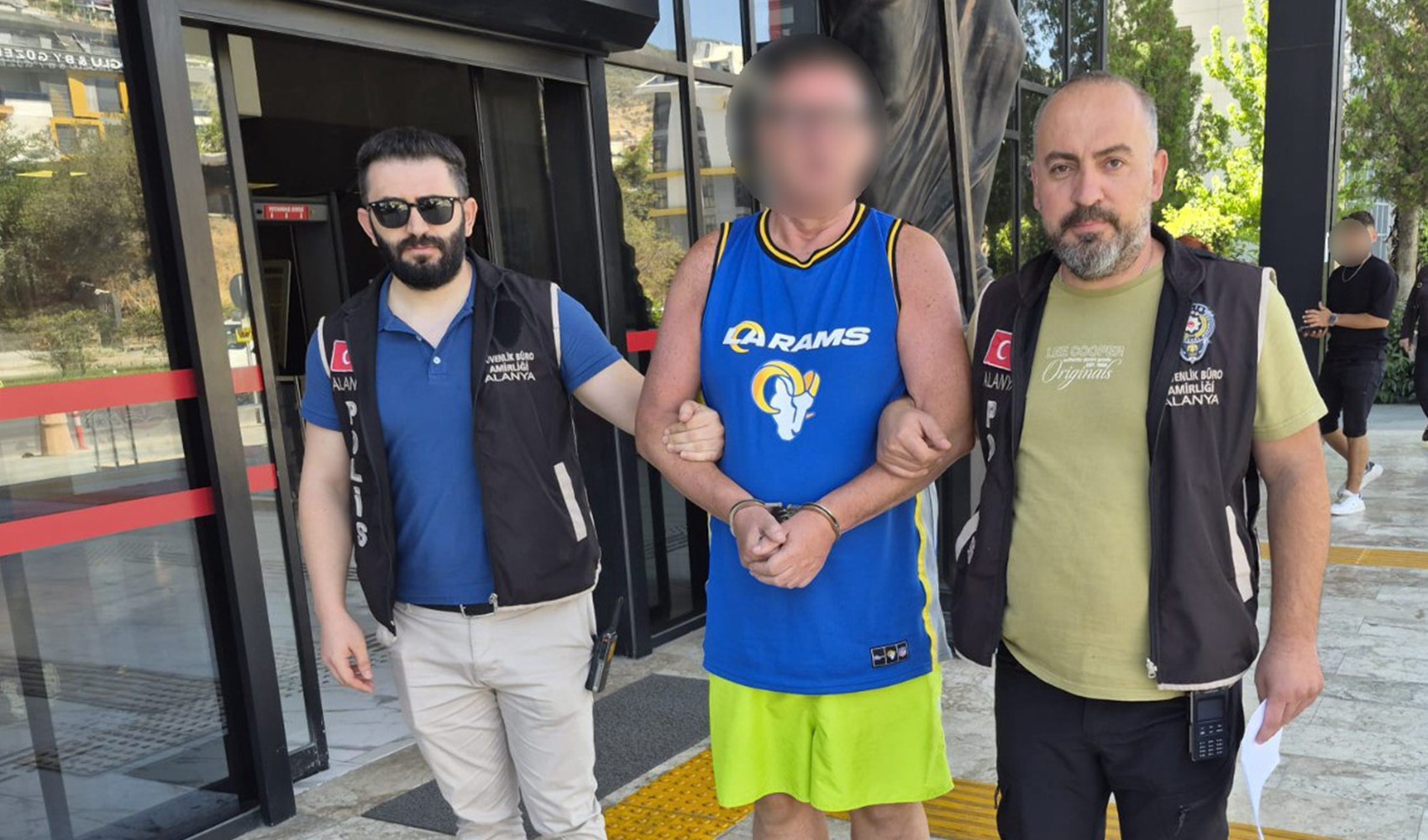
British tourist who spat on Turkish flag in Alanya arrested
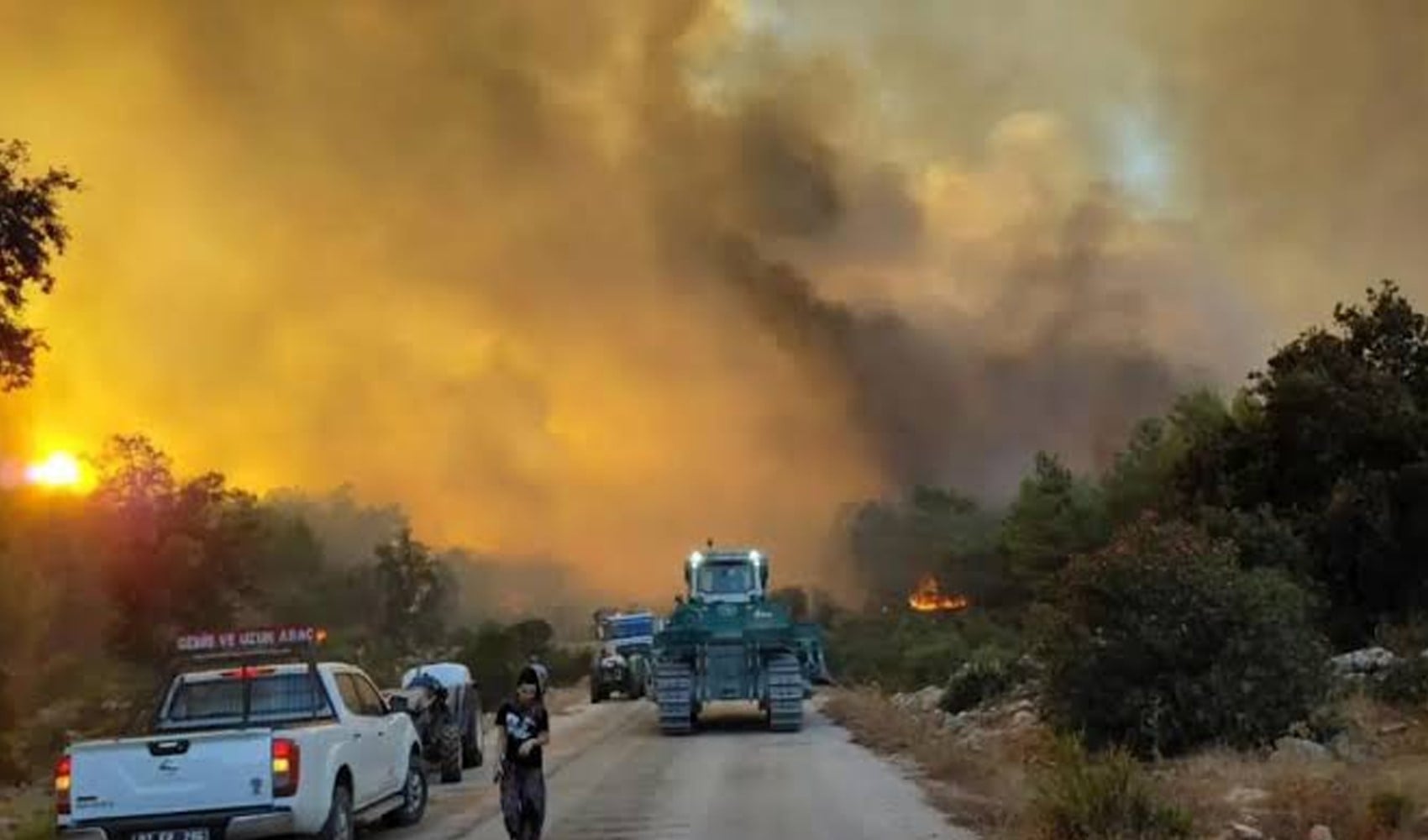
1 fatality in Antalya forest fire
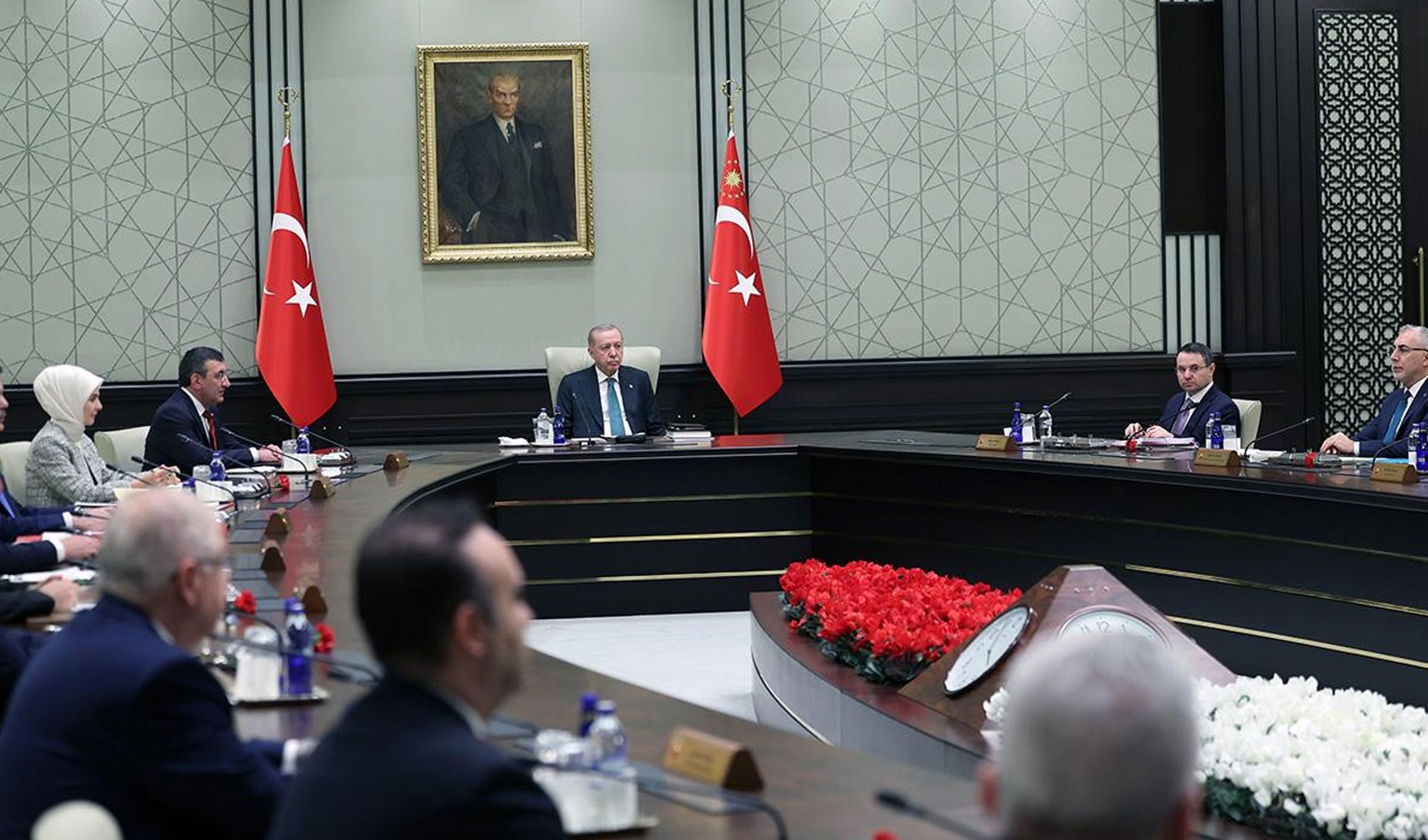
Phones of 3 ministers in Turkey targeted

Euro banknotes to change after 23 years

A 'Wage' That Is Livable

The deputies of the First Parliament and some of today's politicians
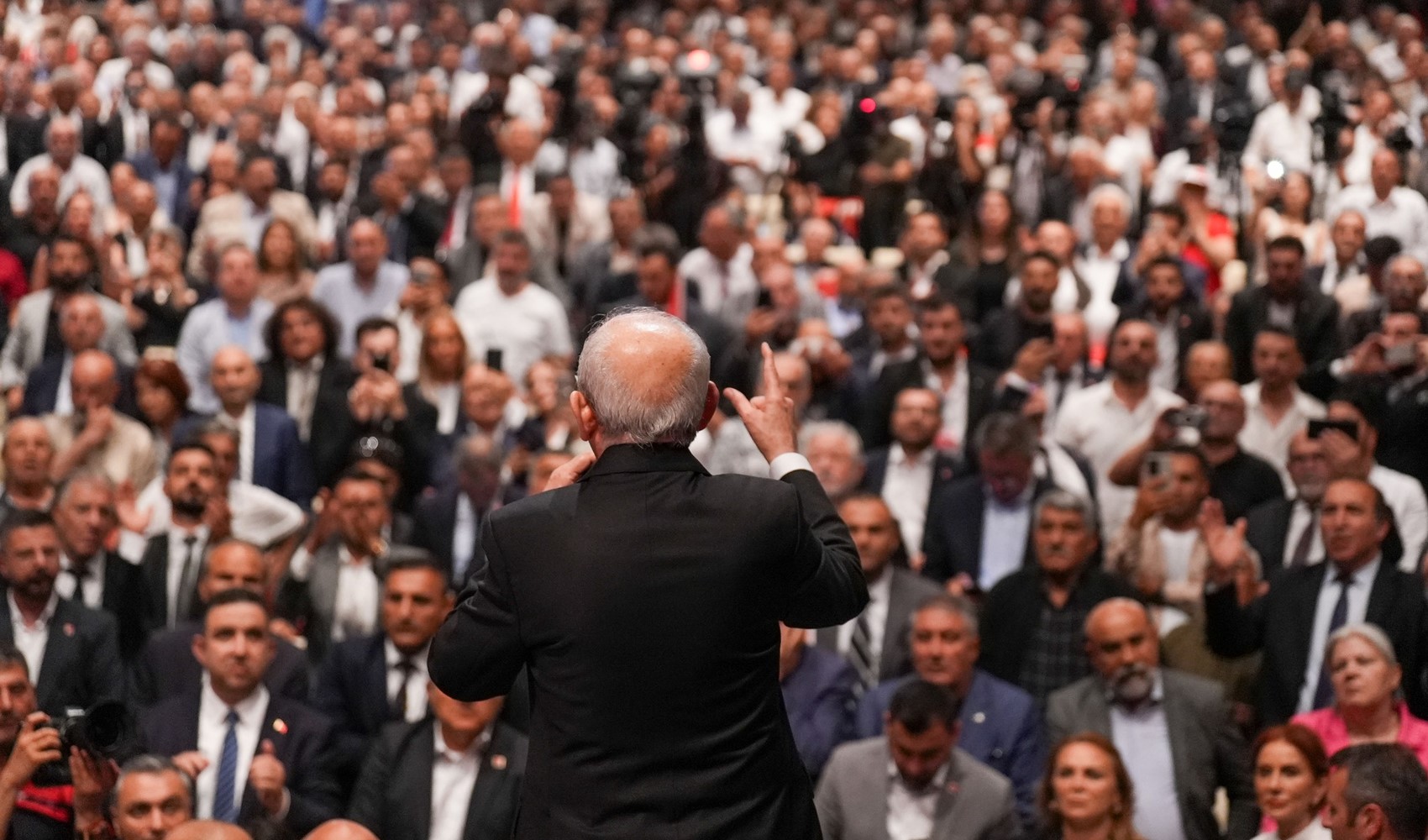
Strong message from the 'null and void' administration on CHP's 103rd anniversary