


What should be the state's new role in the economy? New quests between liberalism and socialism



In our previous article, we emphasized that the Turkish economy has become a more fragile economy that grows when capital inflows from abroad are provided, but stagnates when capital inflows slow down; an economy that is dragged into crises due to the influence of both domestic and foreign conjunctures, and is in a state of HORMONAL growth, relying more on consumption than production.
On the other hand, we mentioned that the Turkish economy has transformed into a structure that targets short-term economic growth at any cost, where individuals and firms are included in an immoral growth network due to short-term gains, and this network expands to cover different segments of society, influencing individual behaviors and serving an interest-focused mindset. By stating that immorality has become a part of the cultural, social, and economic structure, being first internalized and then legitimized in both business and daily life, and that, alongside the pressure of external factors, the erosion of mutual interest relationships, and the unsustainability of the negatives created by the system, we are facing an IMMORALLY GROWING economy that is inevitably likely to collapse, we revealed that fighting against moral decay is more important than fighting against economic collapse.
Finally, in our article, we emphasized that it would not be a rational expectation to expect the state to improve and to realize welfare and distribution principles fairly without transforming society and adopting ethical principles. At this point, we highlighted that the state has important roles to play again in this hormonal economy where immorally growing markets fail to solve these problems.
In light of the above findings from our previous article, policies that will increase efforts to improve the conditions of vulnerable groups to prevent socio-economic exclusion as a requirement of the social state, and make the economy more inclusive and sustainable, can be implemented within this framework by abandoning the immorally and hormonally growing economic model. Between liberalism and socialism, there is also a “Third Way” approach that allows for partial state intervention.
Our suggestions above regarding the state's view of markets and its new roles are different from the Third Way approach, which came to the fore especially in light of the practices of the British (New) Labour Party in the 1990s and includes the re-evaluation of political policies within center and center-left progressive movements. This approach contained ideas that became popular with Keynesian thought and deemed it necessary for the state to resort to interventionist policies to ensure stability in the economy.
In the new approach we propose, which is also beginning to be accepted globally, the state, beyond its regulatory and supervisory role, will be a manager and guide in the market depending on the conjuncture in accordance with the principle of the social state, and when necessary, it will also be a primary player (producer, employer, service provider), especially in strategic sectors.
The state will address market failures by fulfilling the requirements of being a social state in areas where the market fails (poverty, environment, food security, education, health, imperfect competition markets, infrastructure investments, externalities, distortions in income distribution, unemployment, and macroeconomic imbalances such as inflation).
With an understanding that is better functioning, effective, encouraging, guiding, does not exclude the market mechanism that manages the country's economic and social resources within the framework of good governance principles, is democratic, social, developmental, intervenes as much as necessary and at the right time, and adopts international legal standards, the STATE will prepare the appropriate conditions for growth led by the private sector. In this understanding, the state will not only focus on economic growth and income increase, but will also have a new understanding that does not miss the goals of sustainable development and human development, covering the poor, fragile, disadvantaged, and vulnerable population.
Approaching the question of “Is it the state or the markets that are failing?” with a rational perspective rather than an absolute or ideological one, and adopting the idea that the public and private sectors are not opposites, rivals, or alternatives to each other, but rather complements, within the framework of a social state understanding committed to corporate governance principles, will bring success. This type of paradigm shift will also provide the opportunity to use all our national resources economically, efficiently, and effectively in accordance with our country's priorities and long-term strategies.
To be continued…
Would you like to get notifications about new developments and save news?
- NotificationsNew developments and breaking news
- SaveNews is stored in the app
Most Read

National Anthem surprise from Japanese Ambassador
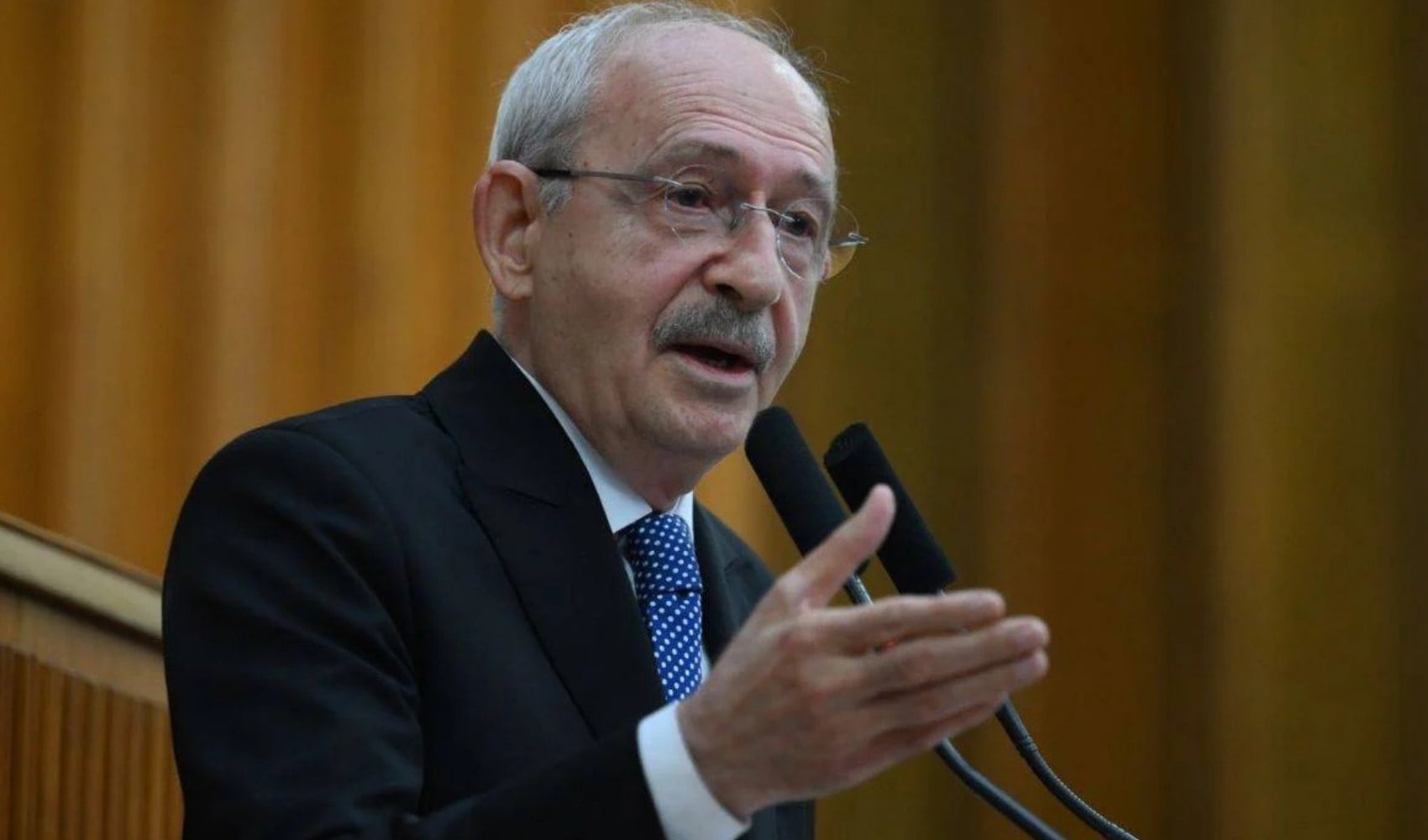
Kılıçdaroğlu sends formal notice to YENİ Party

Diesel protest in Italy brings roads to a standstill
Is it time for the Turkish Parliament to revoke its 31-year-old 'Casus Belli' decision?
No to the 'opening' bar masked as change, yes to the Republic's bar

Ezel Akay and his brother's test results came back positive
Why is Paris burning? The crisis of the welfare state and the revolt of social justice
The politics of particles and the financing puzzle: 'Calamitous questions'
A new balance in the Eastern Mediterranean
Fenerbahçe's sponsor in crisis