

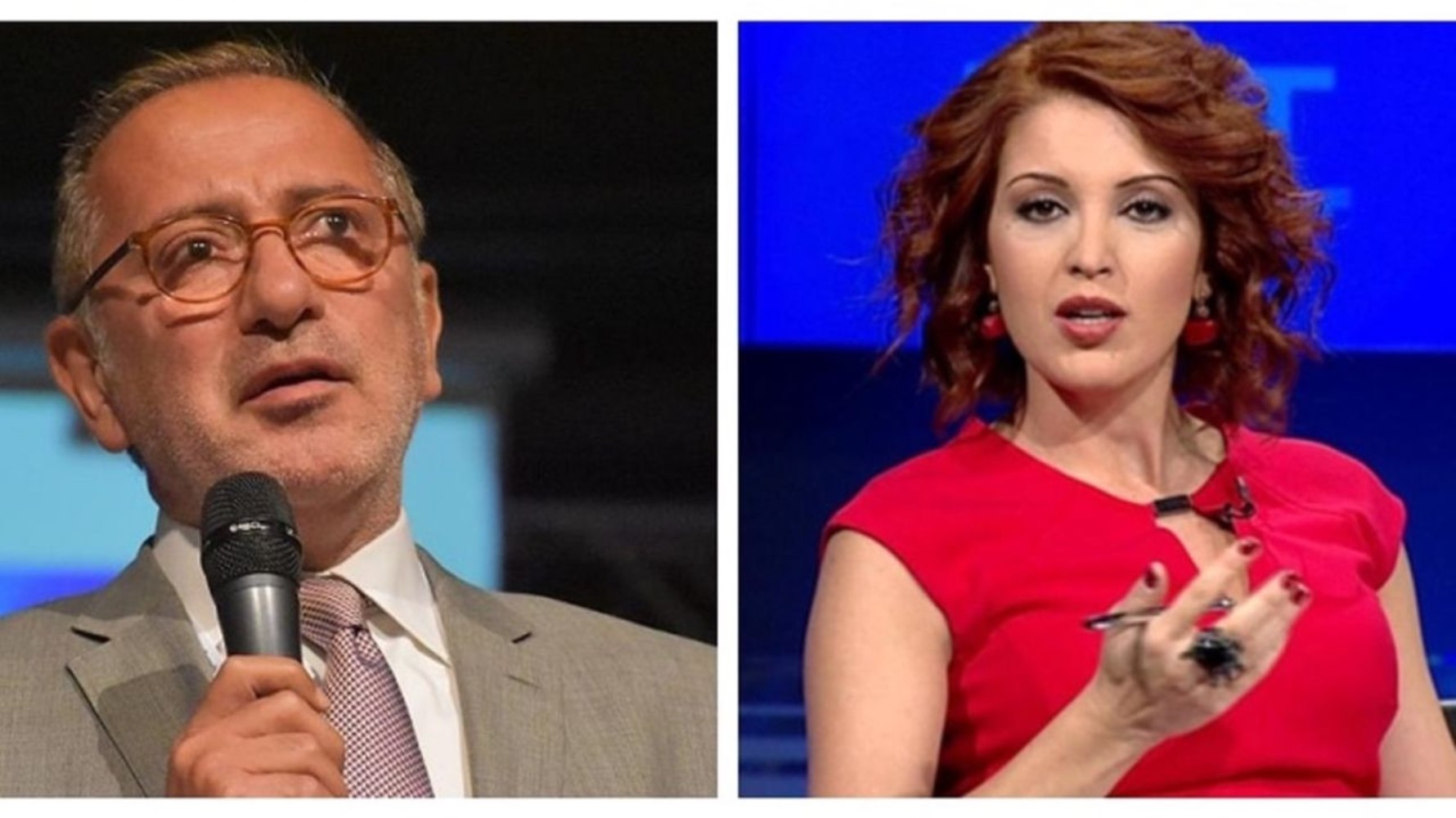
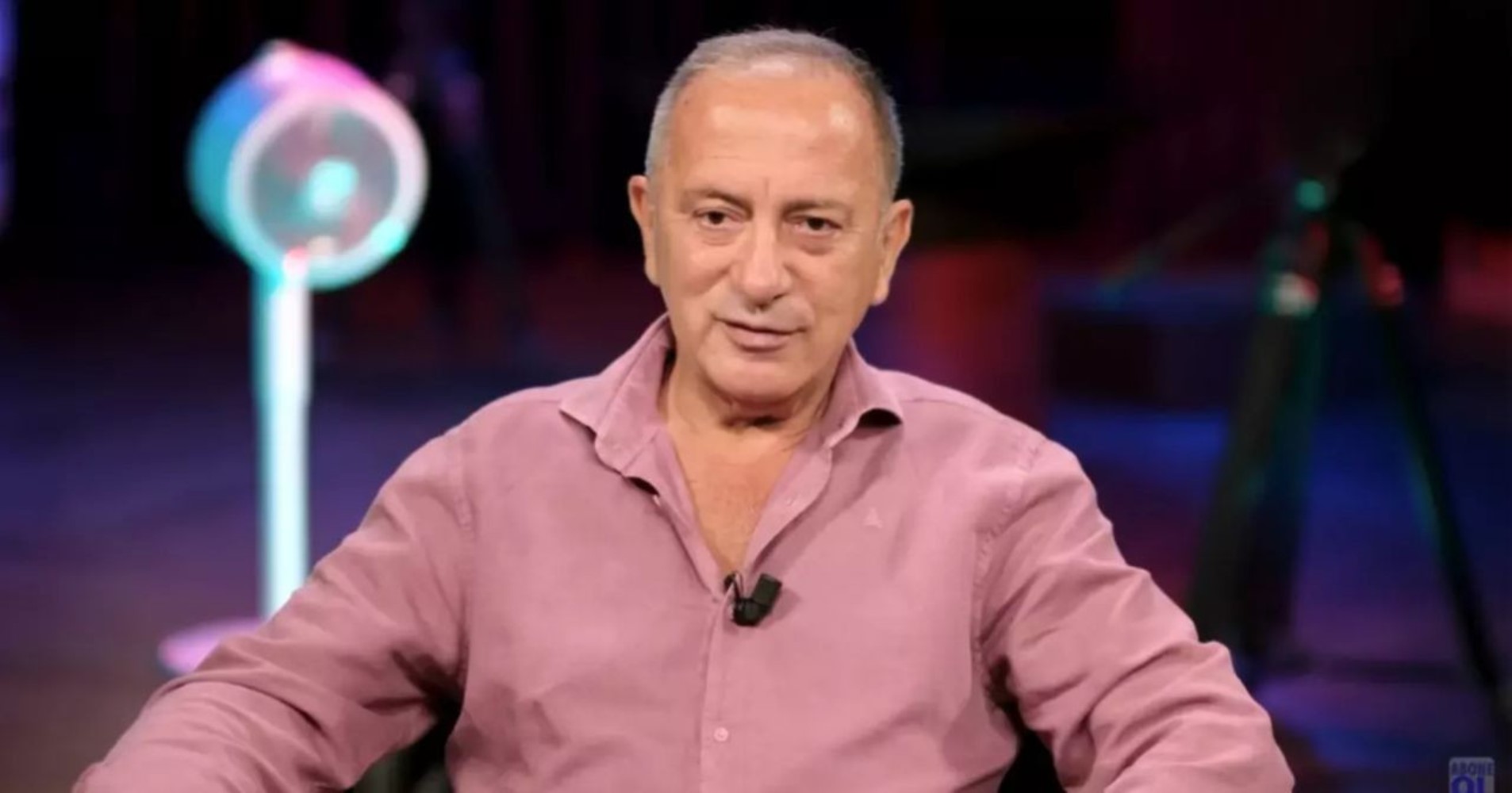
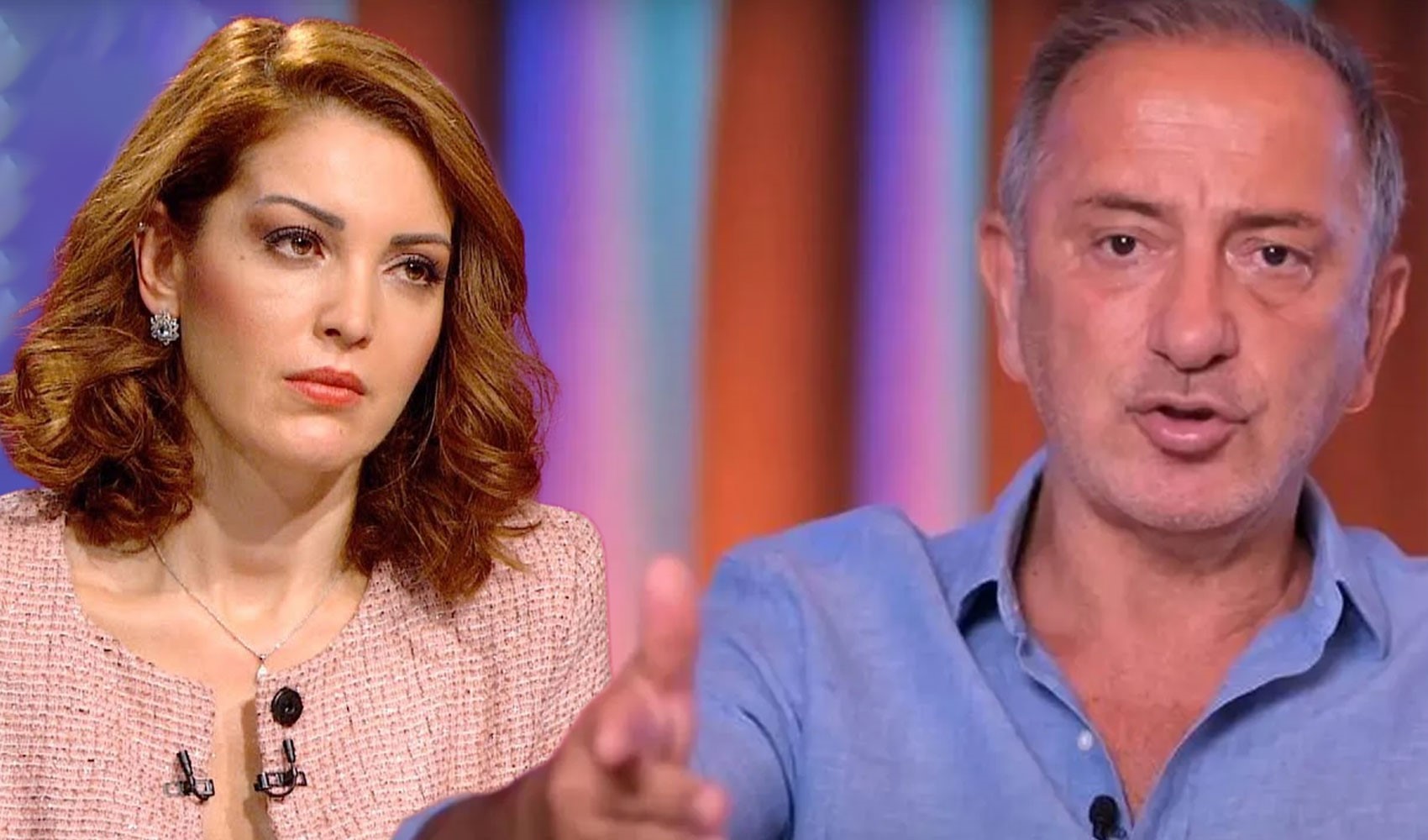
Fatih Altaylı responds to Nagehan Alçı's remarks on madrasas: He pointed to Selçuk Bayraktar as an example...
As Nagehan Alçı's comments regarding the potential for madrasas to resume education are being debated, Fatih Altaylı has offered a notable assessment. While providing information on the historical development of madrasas, Altaylı suggested that Alçı read a book by former Higher Education Council (YÖK) President Kemal Gürüz and drew attention to the importance of university education by citing the example of Selçuk Bayraktar.



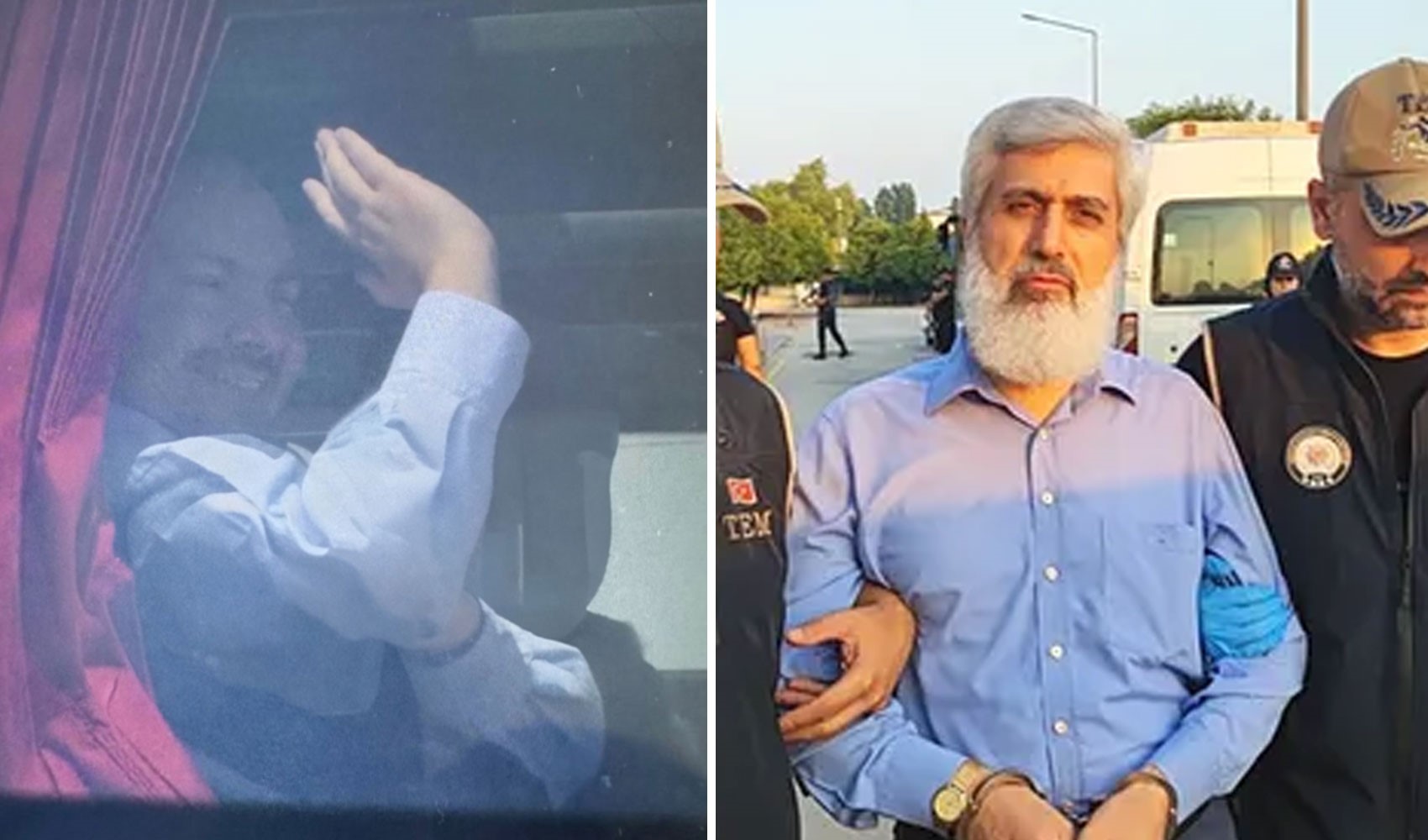
While operations targeting the Süleymancılar and Kuytulcular groups have recently been on the agenda in Turkey, Nagehan Alçı's statements regarding madrasas have also become a subject of debate.
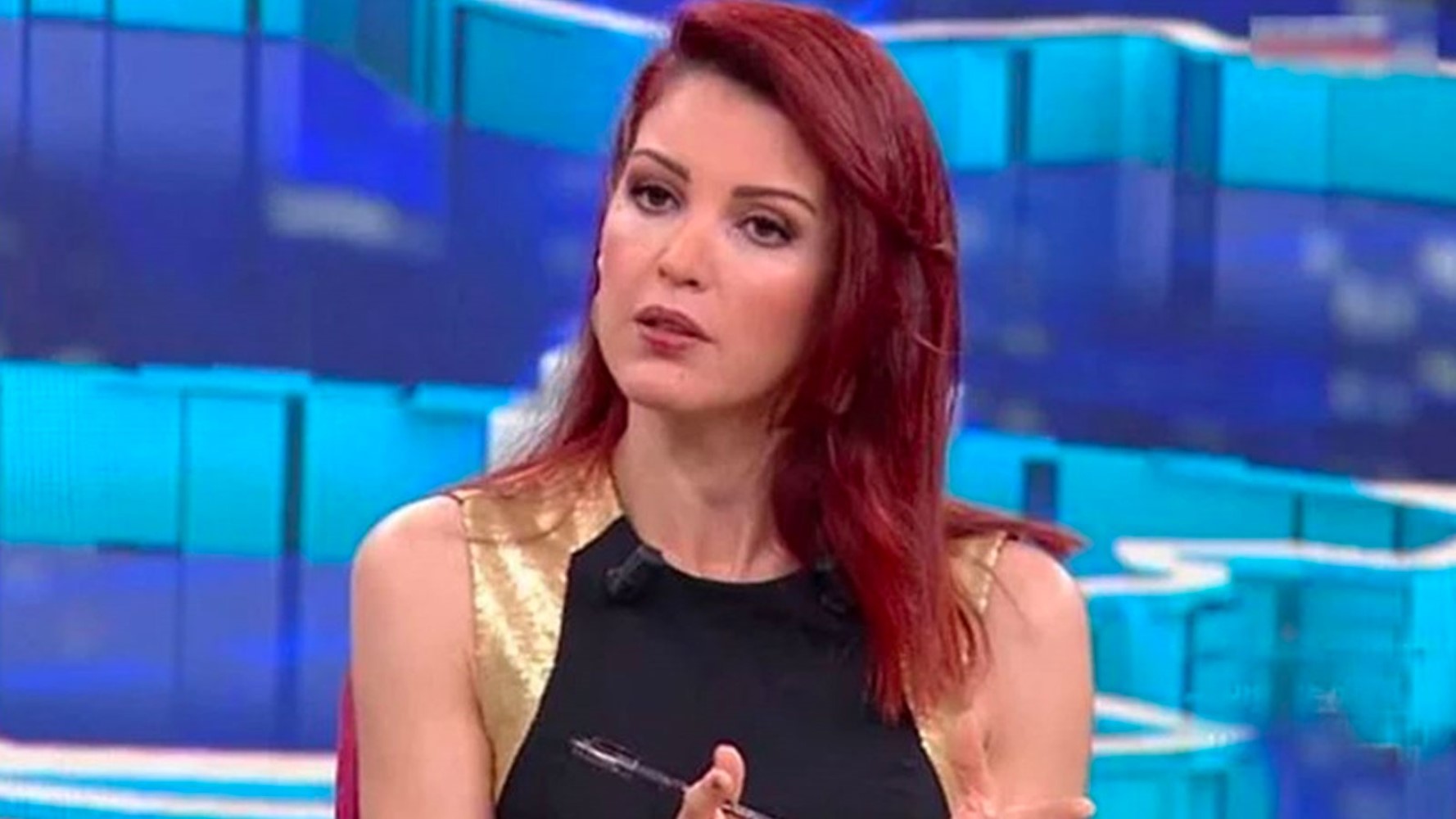
Arguing that there should be no obstacles to madrasas providing education, Alçı stated, "I think madrasas can provide education. The madrasa culture is important for this society. You cannot reject this, you cannot make it illegal."
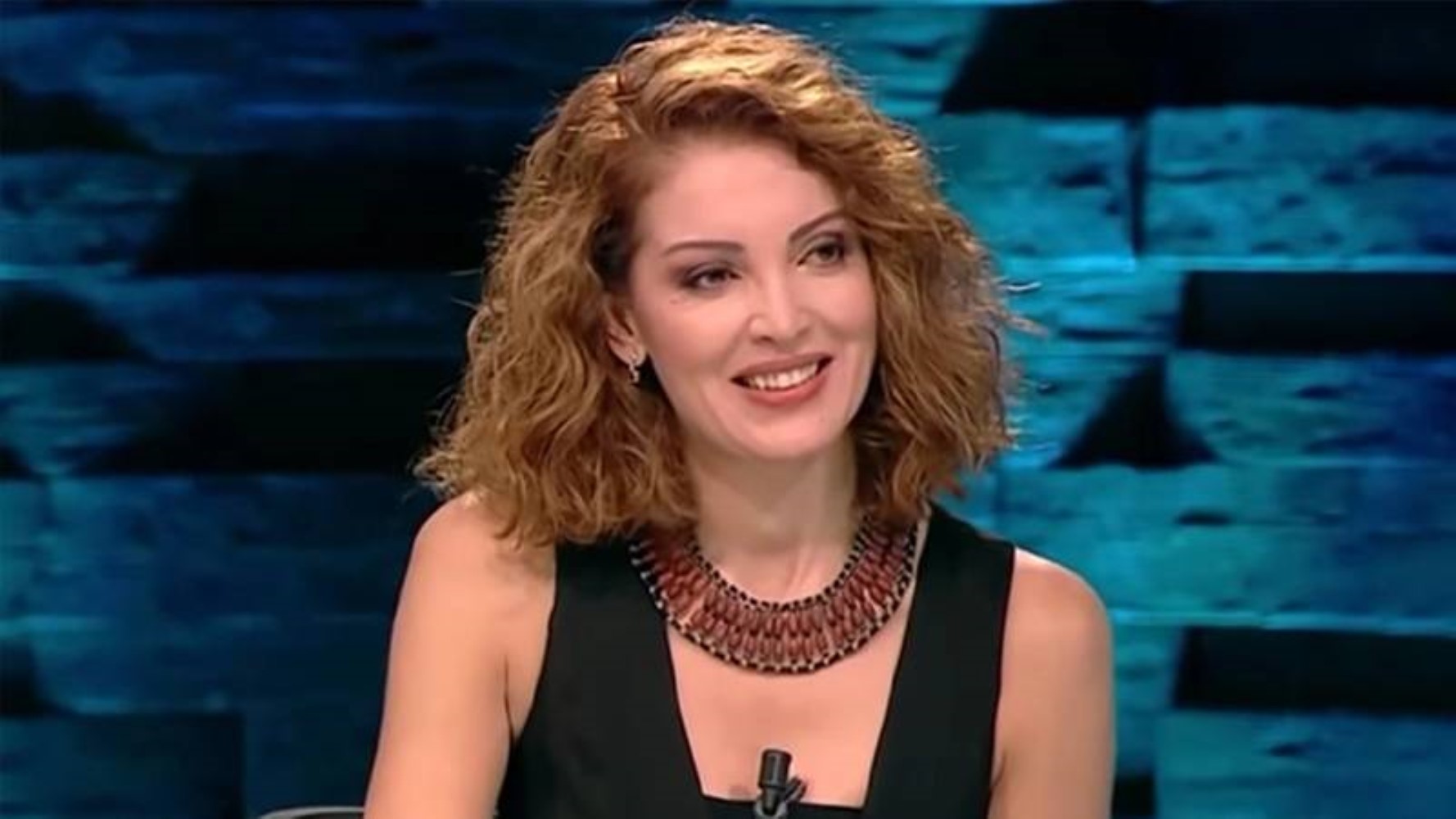
While Alçı's words received various reactions on social media, Fatih Altaylı also addressed the historical function of madrasas in his column.
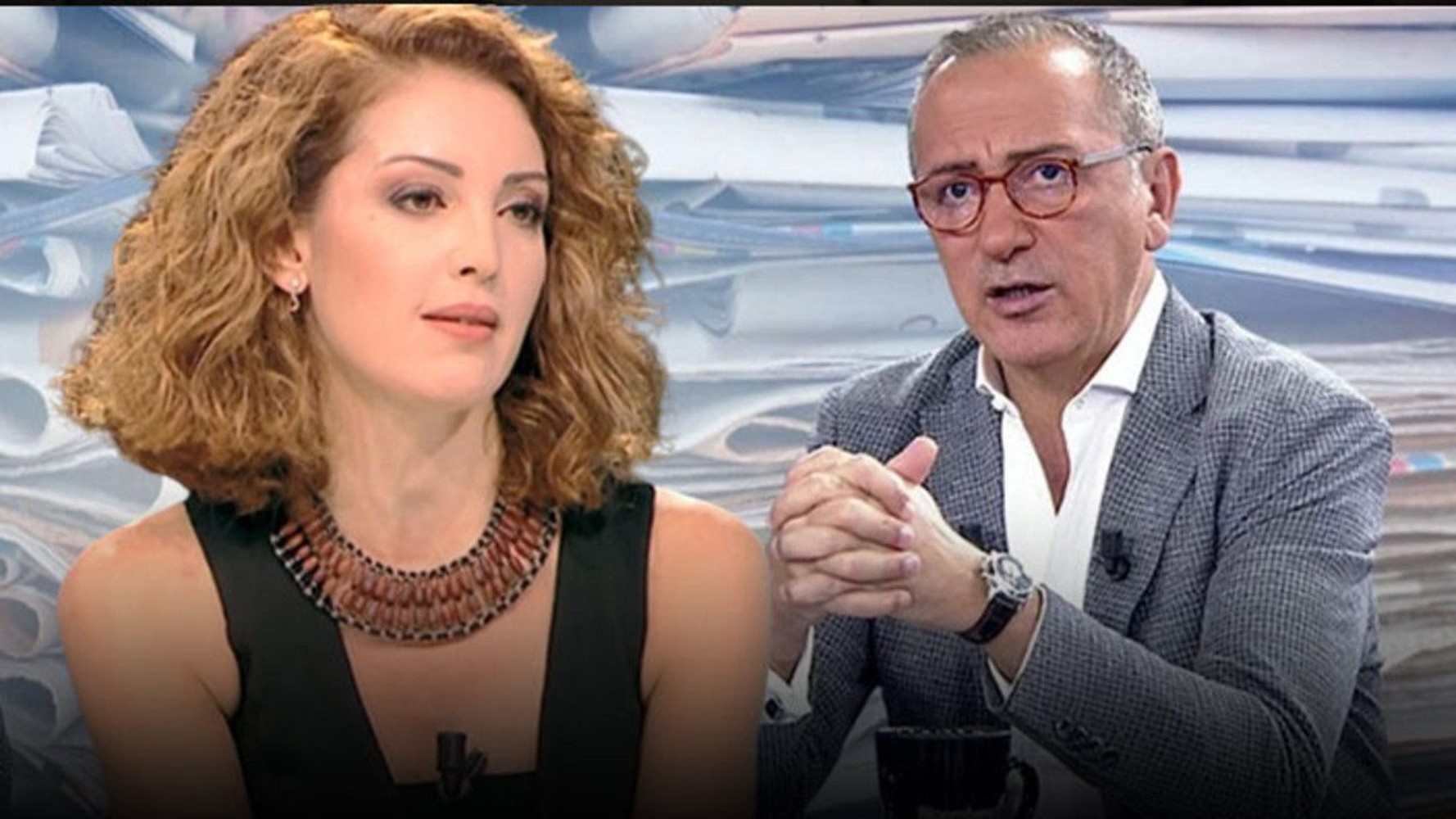
ALTAYLI'S ASSESSMENT ON THE HISTORY OF MADRASAS
Stating that madrasas were included in the Turkish educational tradition during the Great Seljuk period, Altaylı wrote that these institutions initially provided primarily religious education.
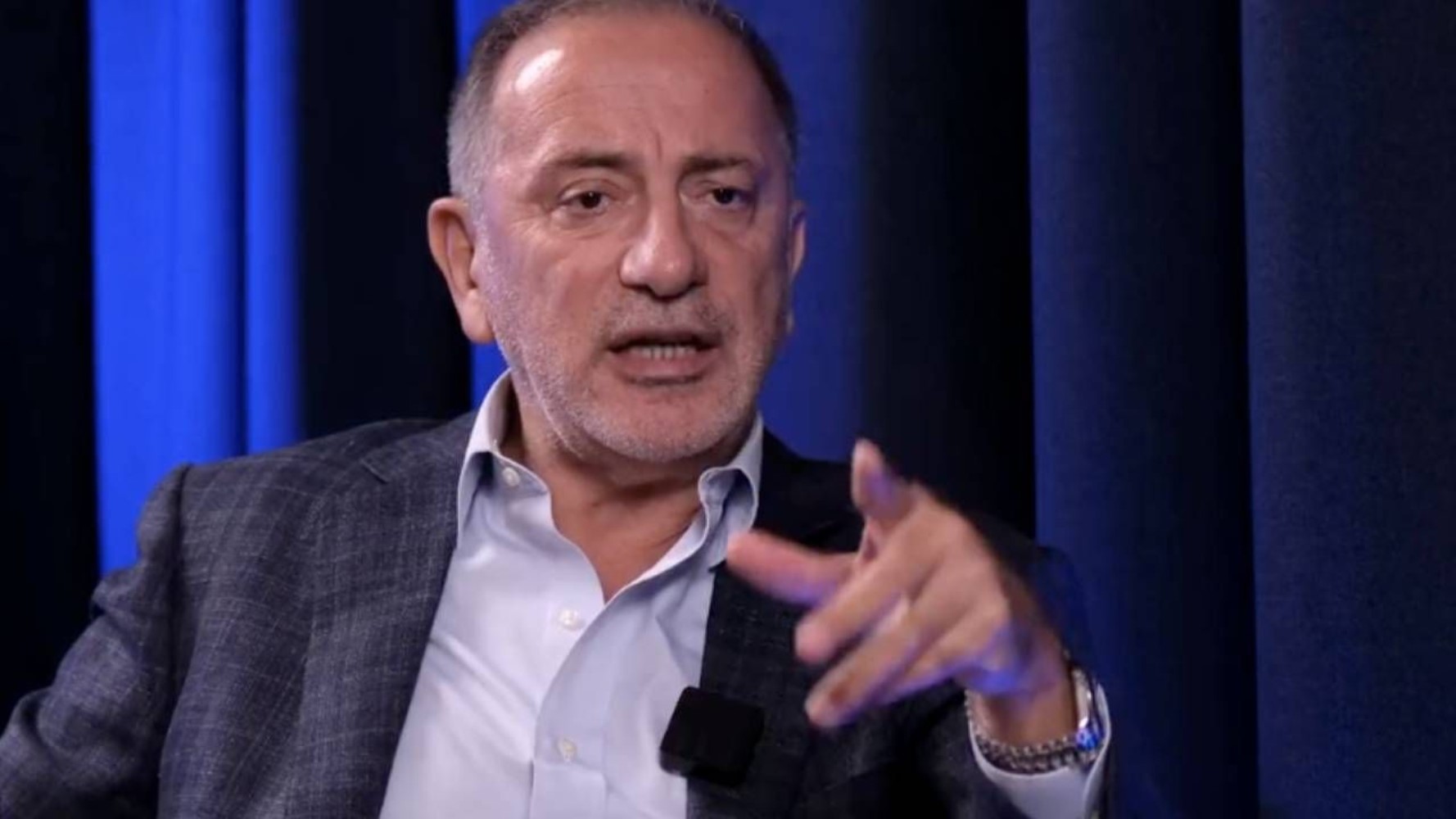
Altaylı stated that over time, madrasas included positive sciences in their curriculum, but that in the late Ottoman period, with the Tanzimat reforms, the field of education was limited more to religious instruction.
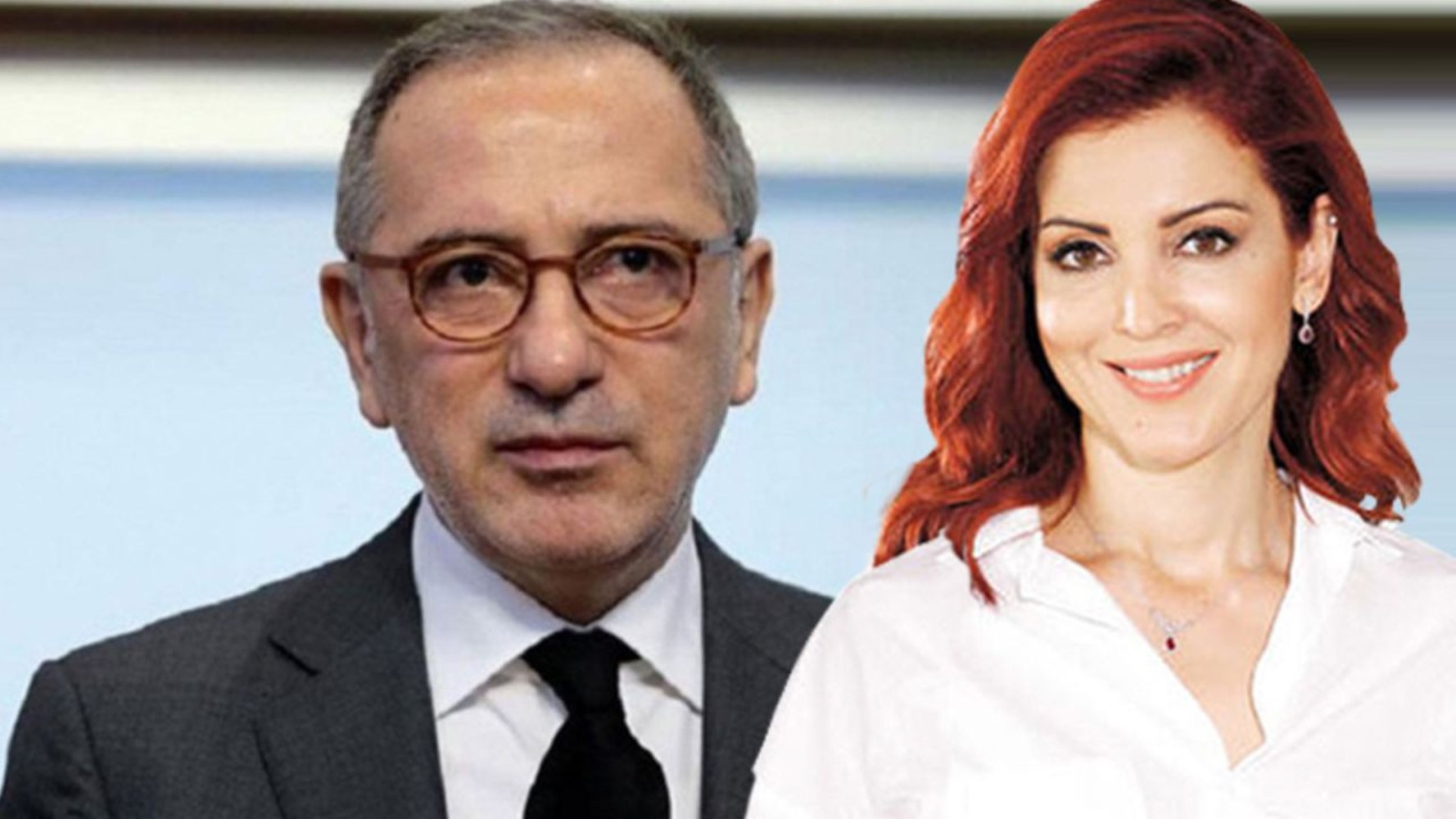
Noting that Alçı's children are educated at the French Consulate school, Altaylı also criticized the recommendation of madrasa education for other segments of society.
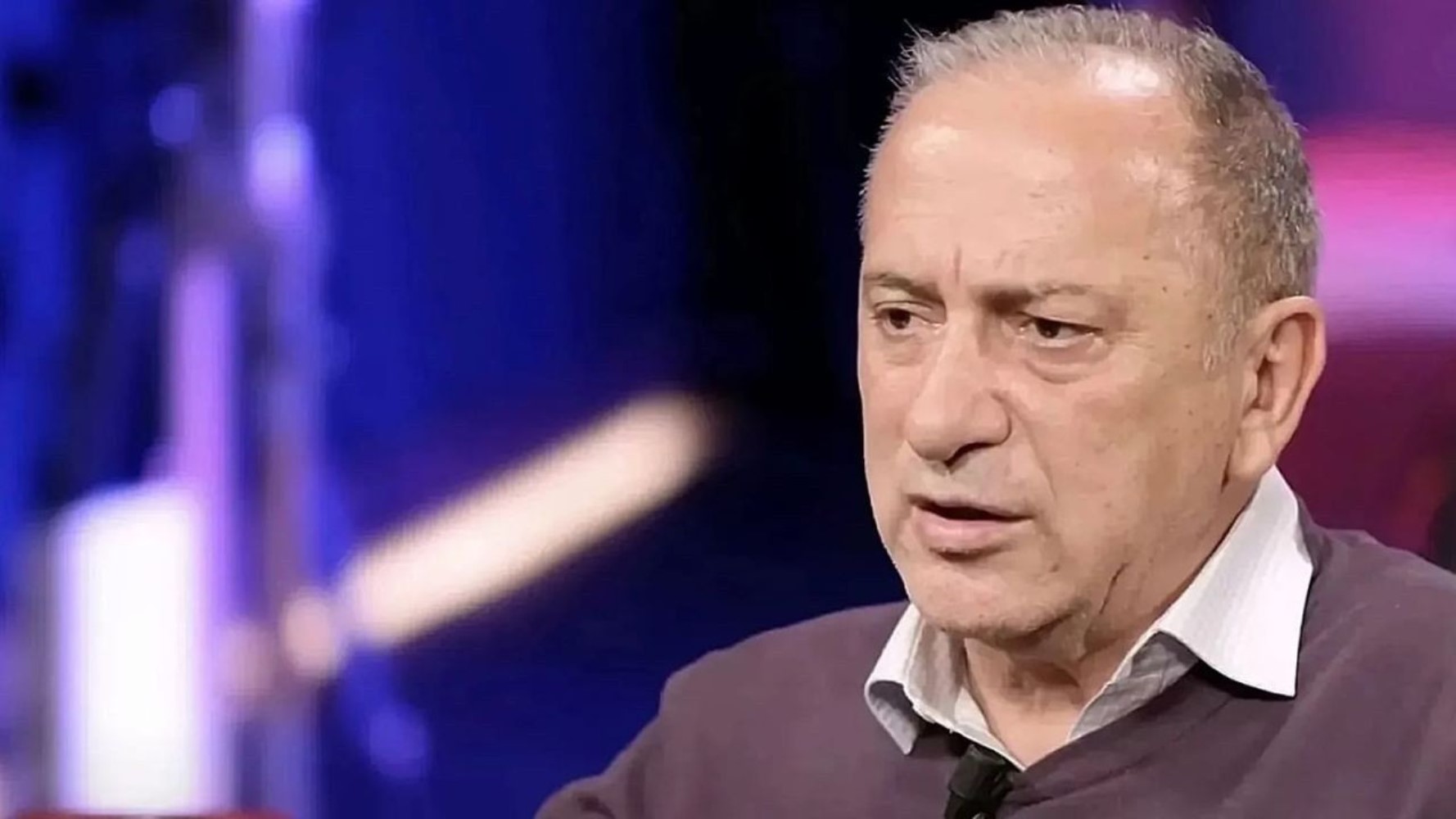
HE RECOMMENDED KEMAL GÜRÜZ'S BOOK TO NAGEHAN ALÇI
In his column, Altaylı also referenced the book "Madrasa vs. University: A Comparative History of Falling Behind and Progressing" by former YÖK President Kemal Gürüz.
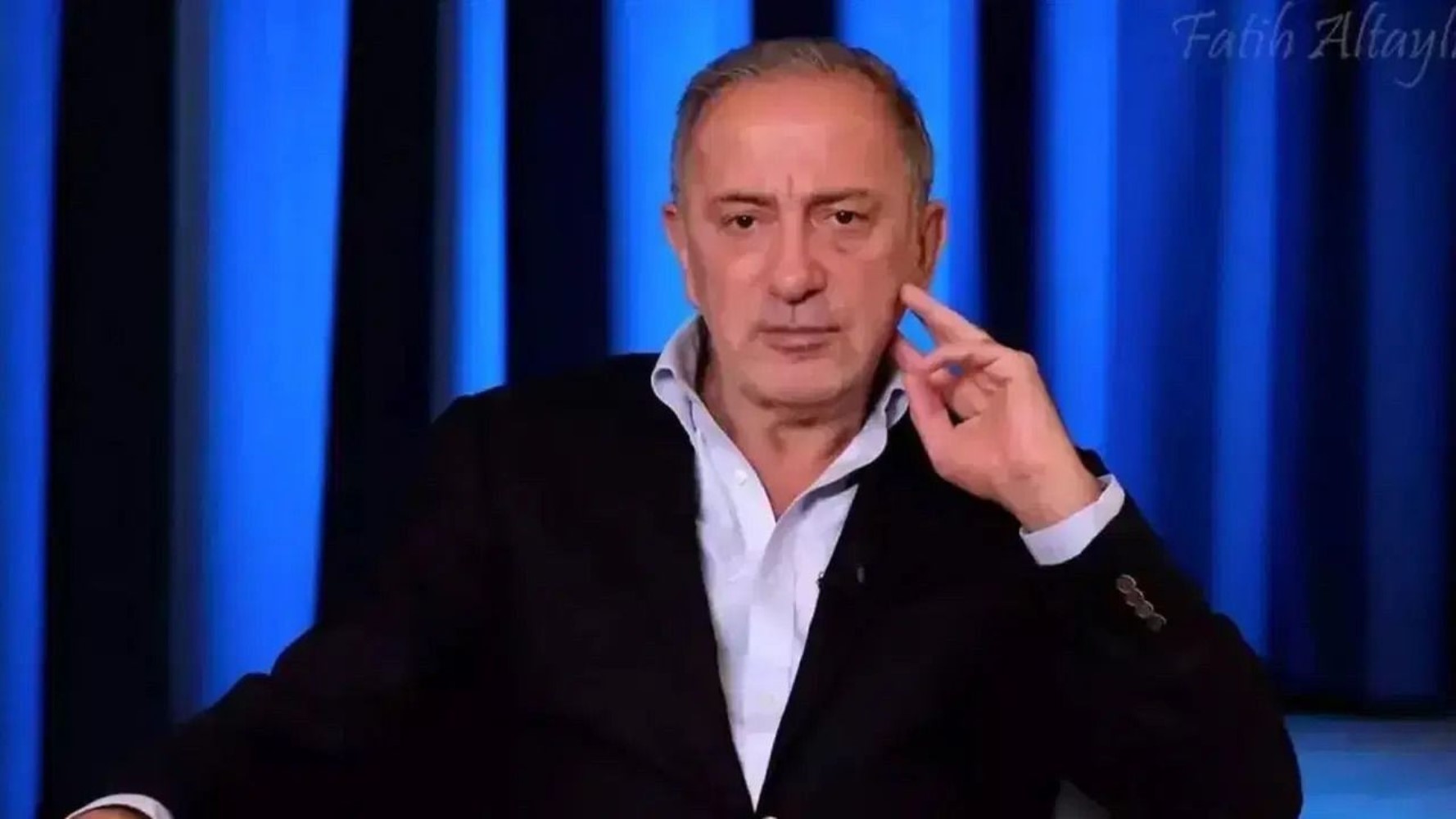
Stating that the work in question compares the historical development of the madrasa and the university, Altaylı recommended that the book be read by Alçı.
Altaylı stated, "This book will explain to Nagehan Alçı why there is no longer a need for madrasas today and the effect of the madrasa on the Ottoman Empire falling behind."
HE GAVE THE EXAMPLE OF SELÇUK BAYRAKTAR
Fatih Altaylı cited Selçuk Bayraktar as an example in his assessment regarding the importance of university education in terms of scientific and technological developments.
Drawing attention to Bayraktar's educational background at Robert College, Istanbul Technical University, the University of Pennsylvania, and the Massachusetts Institute of Technology, Altaylı questioned whether the UAVs and UCAVs developed by Bayraktar could have emerged if a different educational path had been chosen.
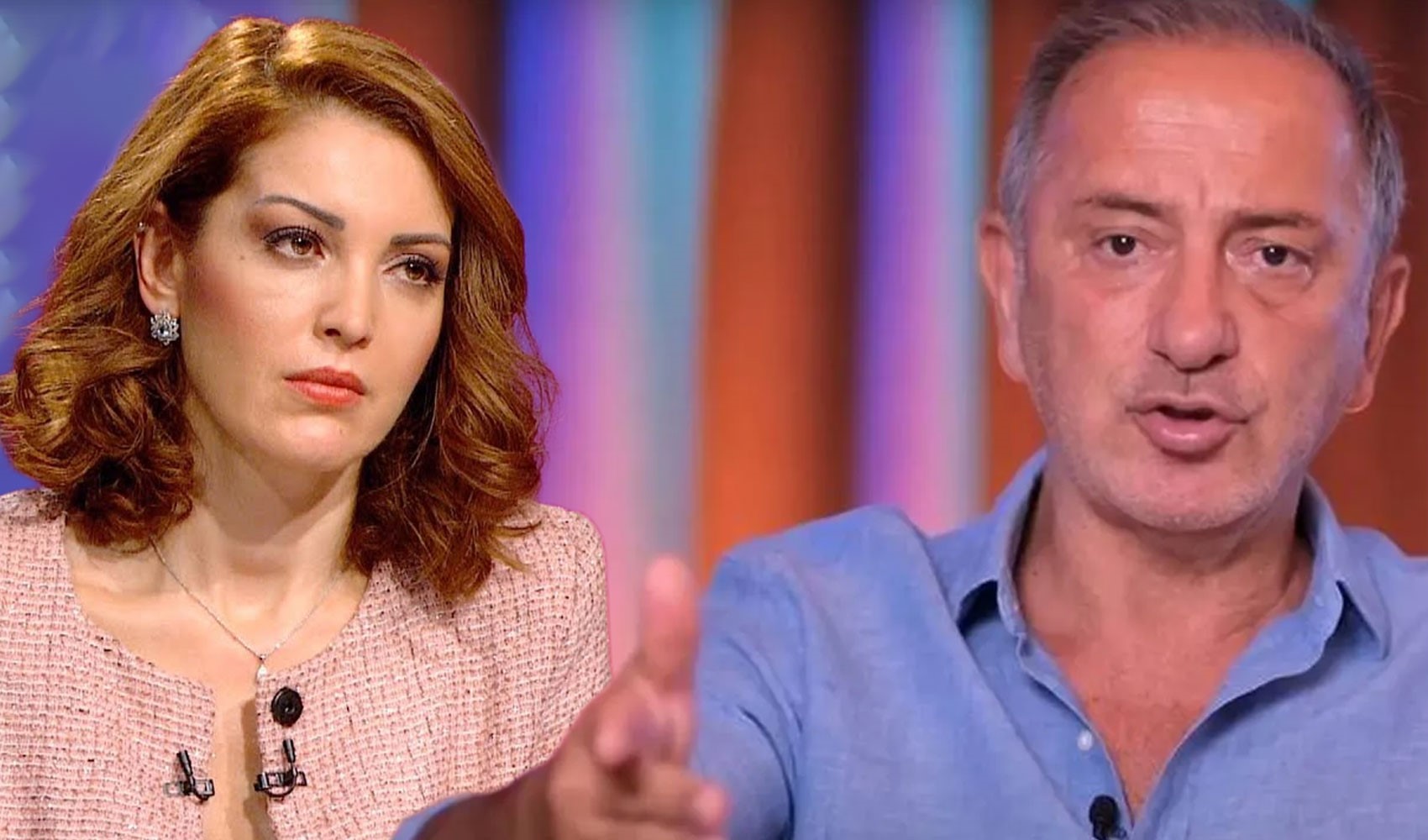
At the end of his column, Altaylı stated that Alçı might be too lazy to read the book in question, arguing that the Bayraktar example reveals the difference between educational institutions.
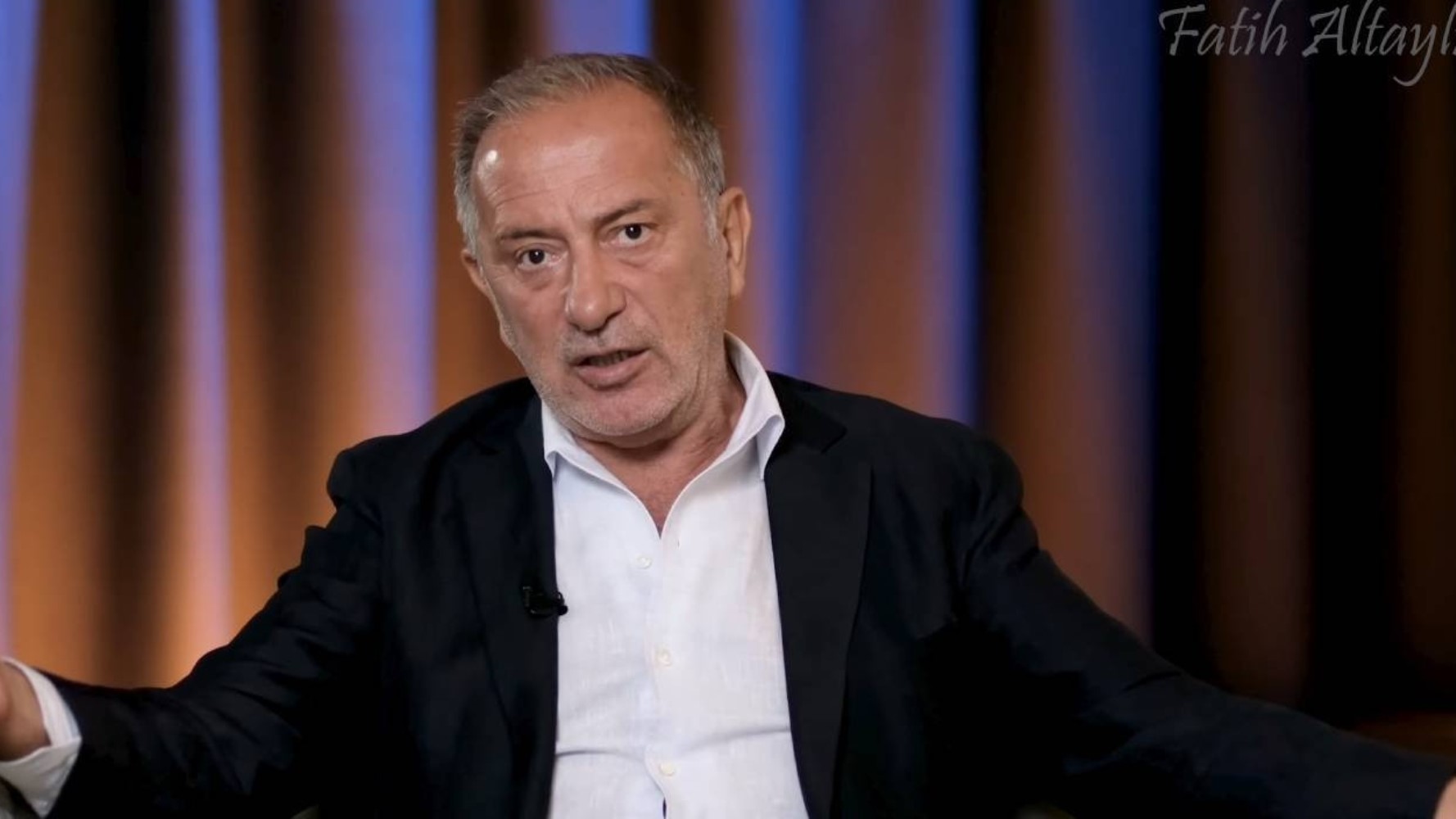
The section titled "University or Madrasa!" in Fatih Altaylı's column today is as follows:
"Nagehan Alçı has proposed the reopening of madrasas, saying that they have a place in Turkish tradition and that they should not be viewed as a bogeyman.
The public took it seriously and criticized it.
When I heard it, I took a look and laughed.
I wonder if Nagehan Alçı knows what a madrasa is, what kind of education it provides, and what is taught there!"
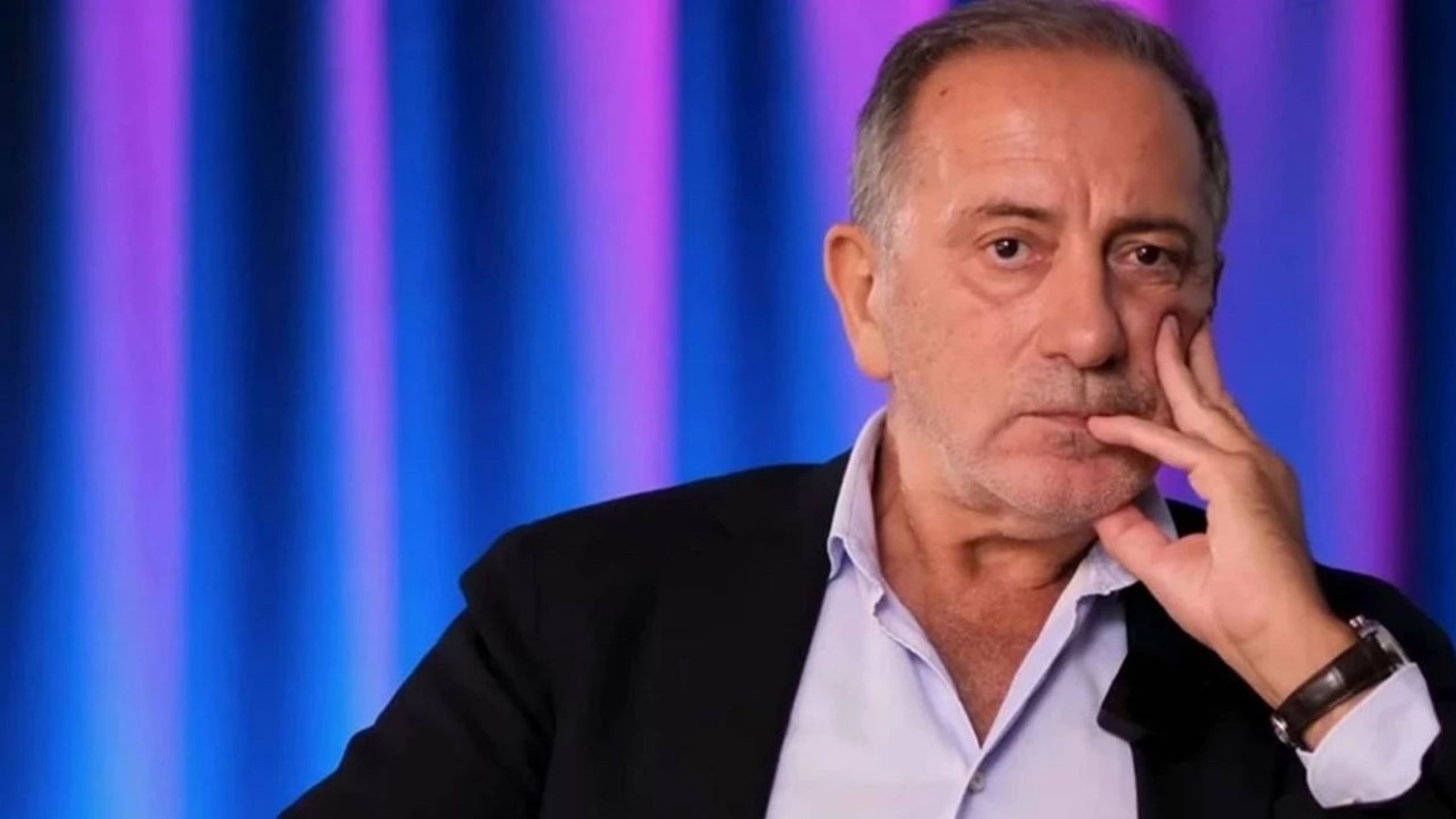
Educational institutions called madrasas entered the Turkish tradition with the Great Seljuks and were schools that primarily provided education on the Quran and fiqh (Islamic jurisprudence).
Since there were no other educational institutions, they are institutions that were attempted to be likened to today's universities, albeit slightly, as positive sciences were added to the curriculum over time.
In the late Ottoman period, with the Tanzimat, they were limited to providing only religious education. It is quite comical for Alçı, who sends her own children to the French Consulate school, which has no connection to the Turkish curriculum, to suggest madrasas for the 'common people'.
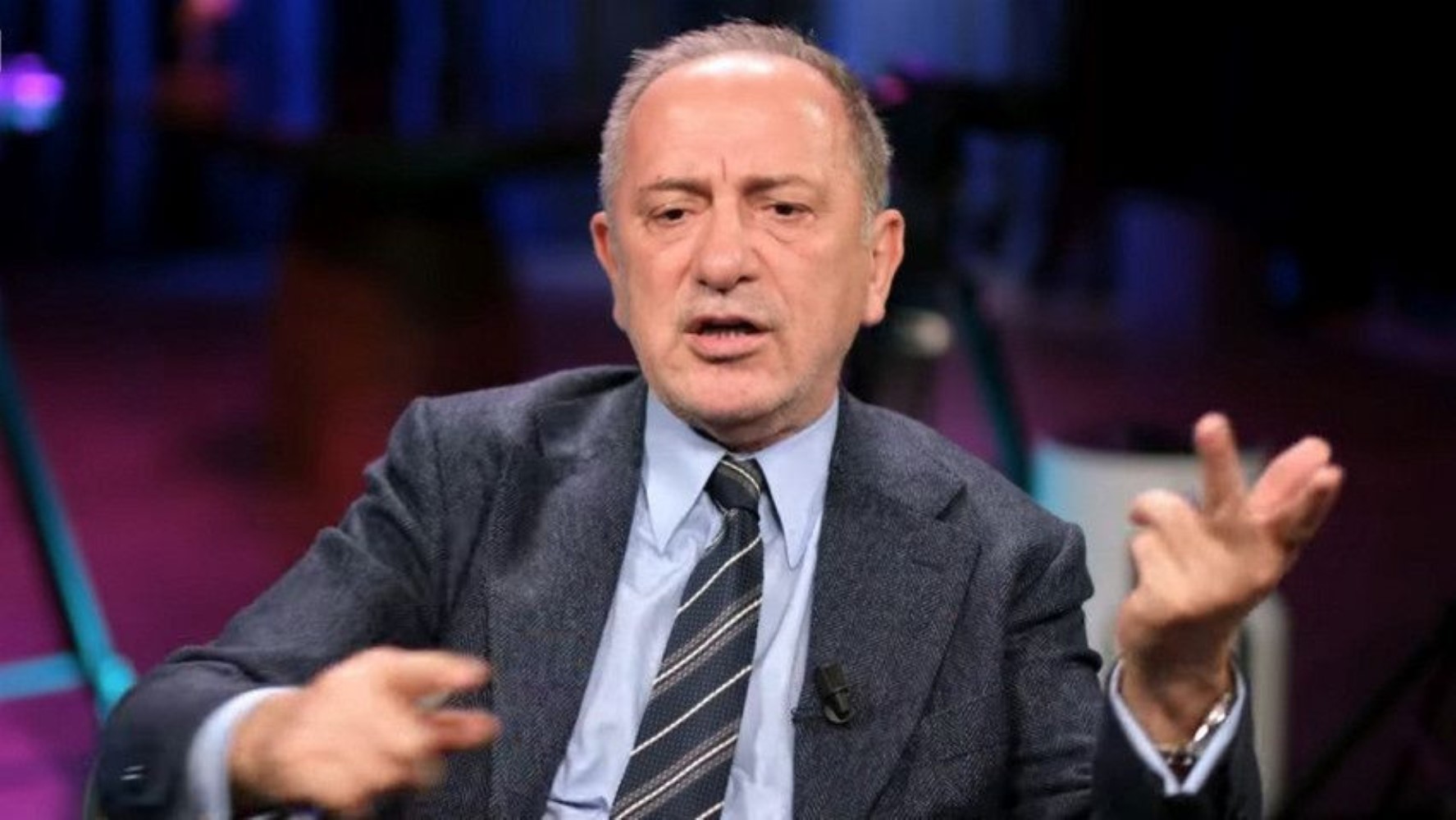
Saying "You send your children to a madrasa" can only be the product of an elitist mentality that says, "Let your children fall behind in the race for the future and not be rivals to ours."
At least for someone who knows what madrasa education is.
It is not a coincidence that the Islamic world, which had been a pioneer in science until then, began to fall behind as universities opened in Europe starting from the 12th century.
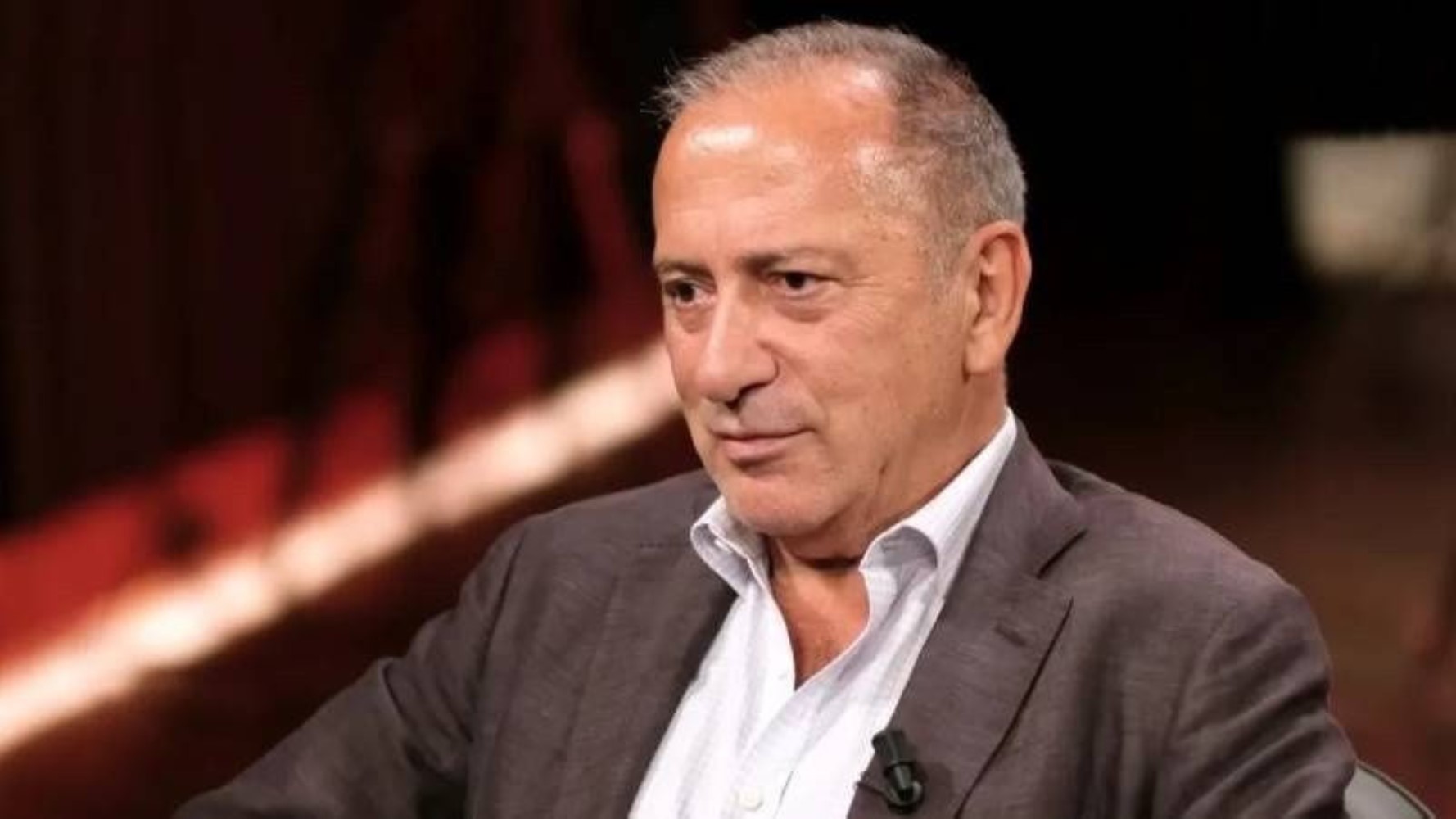
I recommend that Nagehan Alçı read the comprehensive study by one of Turkey's important educators, former YÖK President Kemal Gürüz, titled 'Madrasa vs. University: A Comparative History of Falling Behind and Progressing'.
Independent of the author's political views, this book, which examines both institutions with an impartial eye, will explain to Nagehan Alçı why there is no longer a need for madrasas today and the effect of the madrasa on the Ottoman Empire falling behind.
Let me give a single example; I wonder if Selçuk Bayraktar had received 'madrasa education' instead of studying at some of the most important educational institutions and universities in Turkey and the world, such as Robert College, ITU Electronics, UPenn, and MIT, could he have built the Bayraktar UAVs and UCAVs that everyone is proud of today!
Perhaps Alçı, who suggests madrasa education to the public, is too lazy to read the book 'Madrasa vs. University: A Comparative History of Falling Behind and Progressing', but at least she can understand this example!"
News Source : 12punto
Most Read
Fatih Altaylı responds to Nagehan Alçı's remarks on madrasas
Tram derails in Fındıklı
The name being discussed in AKP corridors for the Istanbul Metropolitan Municipality has emerged
Assad's general extradited to Syria
The 'None' alarm...

The son whose grave is awaited
The Minister of Education, historical consciousness, and the War of Independence
From Horsepower to Gigabytes: Three generations, three cars, and changing prosperity
After Mattia Ahmet and Atlas: Who will protect the children?
Look who Alparslan Kuytul's nephew turned out to be