According to figures released by the Israeli Ministry of Finance, approximately 8 billion dollars have been borrowed since October 7, with more than half of this amount, 16 billion Israeli shekels, consisting of dollar-denominated issuances in international markets.
The Ministry of Finance secured an additional 3.7 billion shekels (approximately 1 billion dollars) from the local market in its weekly bond auction held yesterday.
The ministry's general accounting department stated that the borrowing allows Israel's financing options to fully and optimally fund all of the government's needs.
In Israel, the budget deficit, which was recorded at 4.6 billion shekels in September, rose to 22.9 billion shekels in October due to both soaring public expenditures and a slowing economy. This situation increased the budget deficit for the last 12 months to 2.6 percent.
THE COST OF WAR IS RISING IN THE ISRAELI ECONOMY
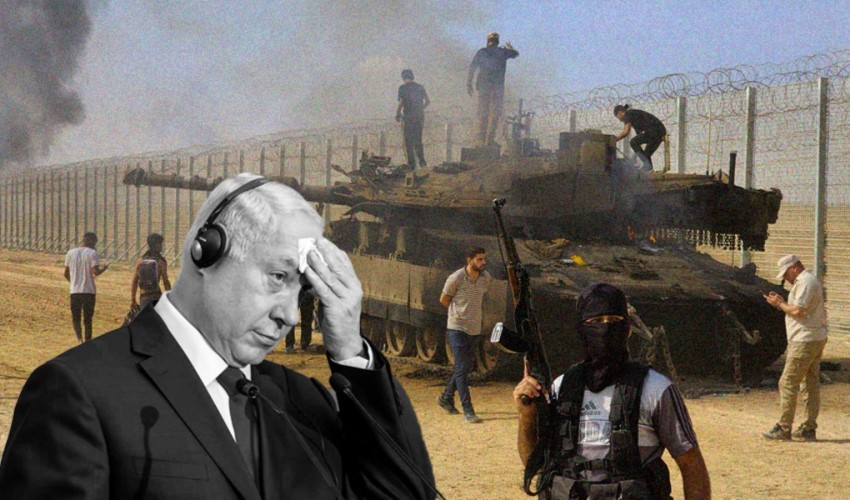
Israel entered a period of intense spending following the state of war it declared on October 7. Prime Minister Benjamin Netanyahu announced that he had "given instructions to open the taps."
In response, Bank of Israel Governor Amir Yaron emphasized the need for a balanced approach between supporting the economy and maintaining a solid fiscal position.
The Israeli budget has been burdened with many expenses, including the costs of the army, which is attacking Gaza incessantly; tax exemptions for the approximately 350,000 reservists called to duty; additional financial support; tax cuts; and the accommodation of those evacuated from conflict zones. The withdrawal of reservists from the workforce and active consumption has also weakened production and economic activity.
The Israeli economic newspaper "Calcalist" wrote that the total cost of the war would exceed approximately 51 billion dollars.
THE NUMBER OF RED INDICATORS IN ECONOMIC DATA IS INCREASING
The shekel, which has entered a downward trend against the dollar, has fallen to its lowest level in the last 10 years.
A decrease has been recorded in Israel's foreign exchange reserves as the Bank of Israel attempts to protect the country's currency.
According to the Central Bank, reserves fell by 7.3 billion dollars to 191.2 billion dollars.
In addition, it was reported that Israel's tax revenues have also begun to decline due to the slowdown in the economy.
International credit rating agency Standard & Poor's (S&P) affirmed Israel's credit rating at "AA-" on October 25, while changing the outlook from "stable" to "negative" due to geopolitical risks.
Fitch Ratings also announced at the beginning of last week that it had placed Israel's "A+" credit rating on negative watch due to geopolitical risks.
Moody's, on the other hand, reported on October 20 that it had placed Israel's "A1" credit rating under review for a possible downgrade.
It was assessed that the additional expenditures Israel has incurred and the slowdown in the economy would lead to an increase in the 2023 budget deficit.
News Source: AA