

MHP's Feti Yıldız on the 'process': 'The time has not yet come' – 'We have not accepted it'
Legal experts were heard at the National Solidarity, Brotherhood and Democracy Commission meeting. MHP Deputy Chairman Feti Yıldız made statements regarding the process following the meeting.



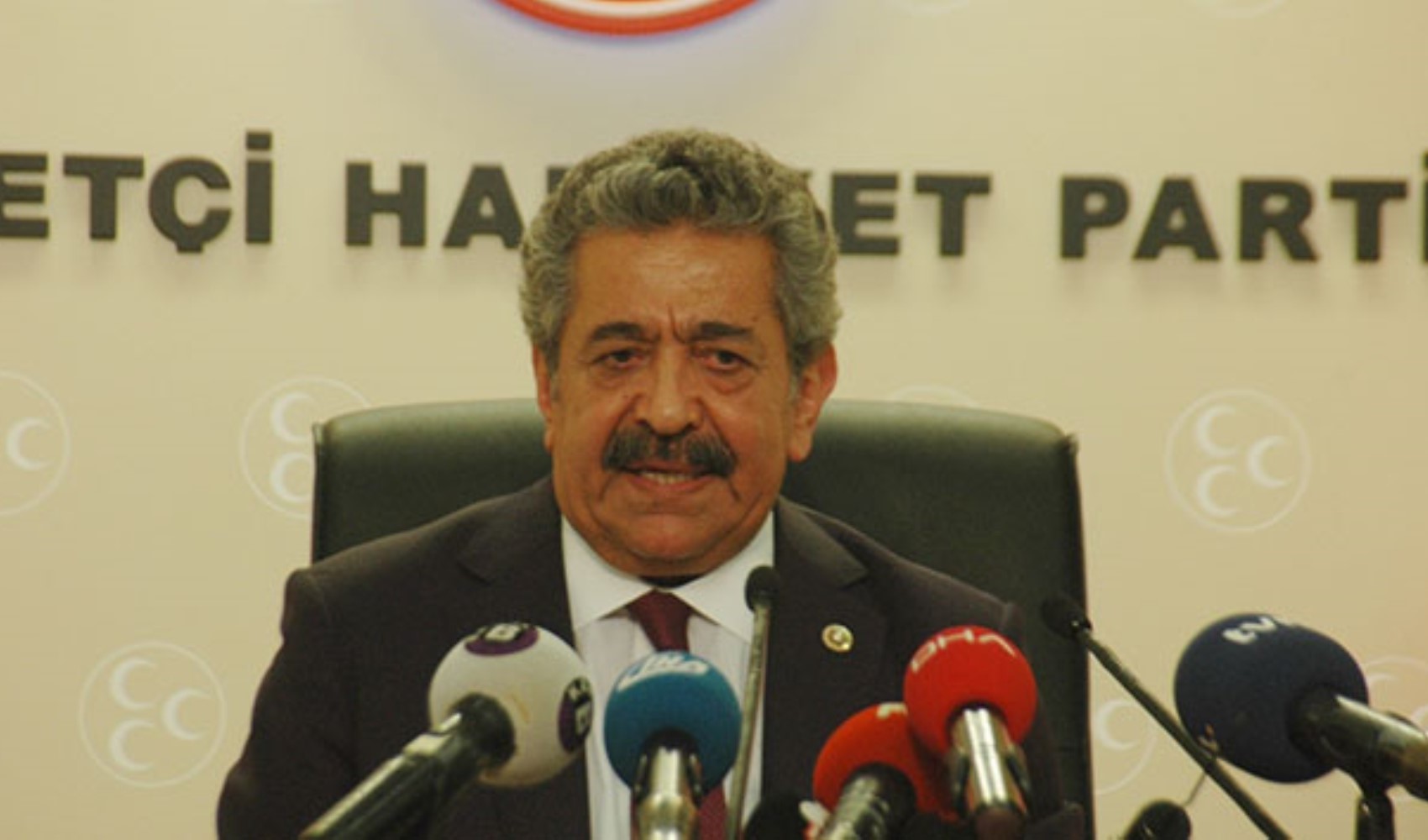
At today's National Solidarity, Brotherhood and Democracy Commission meeting, where legal experts were heard, MHP Deputy Chairman Feti Yıldız stated regarding the views and suggestions expressed: "We, as individuals, have not accepted or agreed with the ideas of our guests and professors.
We will listen to them, of course. We may adopt some ideas and oppose others. Naturally, we listened with courtesy. All of our colleagues listened in the same way. The DEM group also listened in that way. I am saying this to avoid any misunderstanding: the time for these discussions has not yet come. That is to say, the time has not yet come for the legal articles to be applied, for enforcement regulations, or for the penal code," he said.
Constitutional and criminal law experts were heard at the National Solidarity, Brotherhood and Democracy Commission, which met under the chairmanship of TBMM Speaker Numan Kurtulmuş.
The legal experts who spoke made assessments on issues such as rights and freedoms, mother tongue, citizenship ties, the right to hope, effective remorse, and general amnesty, and expressed their views and suggestions regarding the regulations that need to be made from a legal perspective.
"IT SHOULD NOT DRAG ON TOO LONG"
Taking the floor after the speeches were completed, MHP Deputy Chairman Feti Yıldız said, "We, as individuals, have not accepted or agreed with the ideas of our guests and professors. We will listen to them, of course. We may adopt some ideas and oppose others. Naturally, we listened with courtesy. All of our colleagues listened in the same way. The DEM group also listened in that way; I am saying this to avoid any misunderstanding. The time for these discussions has not yet come. That is to say, the time has not yet come for the legal articles to be applied, for enforcement regulations, or for the penal code, because the speeches and deliberations have not been completed, but it should not drag on too long either."
Upon this, Istanbul Medipol University faculty member and Professor of Criminal and Criminal Procedure Law Mahmut Koca took the floor and said the following:
"Undoubtedly, what Fethi Bey said is a very accurate assessment. I also think it is a bit early to talk about the things that should be done last. However, we have already stated in our speeches that the regulations that can be made are within the authority and discretion of the legislative body, that it can regulate this matter by issuing a general amnesty if it wishes, that it can resolve it within the framework of the existing penal code instruments of criminal law, or that it can regulate the matter differently by enacting a special law.
In our speeches, we only tried to present the legal policies to be followed for the implementation of such regulations in line with our own views. Within the framework of this policy, I personally say that a general amnesty should not be considered. Because as a criminal lawyer, I am a person who is against not only judicial amnesties but also tax amnesties, administrative amnesties, and student amnesties. Because I am a person who thinks that amnesty weakens the law, weakens commitment to the law and trust in the law, and subsequently creates confusion about what our behavioral norms are, as people in society act with the thought that 'another amnesty will be issued' by committing these injustices again.
Therefore, being against this does not prevent the use of different instruments in the resolution of this issue. There is undoubtedly work being done, but there is a terrorist organization that has committed many murders for 40 or 50 years. Is this to be ignored entirely? Will we act as if nothing happened when these people come? This is entirely a subject for you to address. But as I mentioned, I also spoke about social psychology when approaching this issue. That is, if you do not subject organization members to rehabilitation under probation measures when you bring them in, and if you do not support these people economically, you will face other formations. What we are saying is not just aimed at the state's goal of keeping these people under control. We also think that this supervision is necessary for the reintegration of these people into society. Therefore, a perspective may or may not be adopted, but we only tried to convey to you the headings of what the basic policies should be when a legal regulation is to be made. Undoubtedly, the final authority on this matter is the Grand National Assembly of Turkey."
News Source: 12punto
Most Read
Historic words from Özgür Özel at the CHP group meeting

Air Force Academy student Veli Bilgin has died
Tuncer Bakırhan calls for a framework law
Here are the names that will be in Özgür Özel's new party!
Major crisis in CHP
AKP mayor held responsible
Kılıçdaroğlu's 'controlled' shopkeeper visit

He killed his wife by slitting her throat: Their children witnessed the moments

Güler leaves questions regarding Özgür Özel unanswered

Resignation activity in CHP following Özgür Özel's new party decision