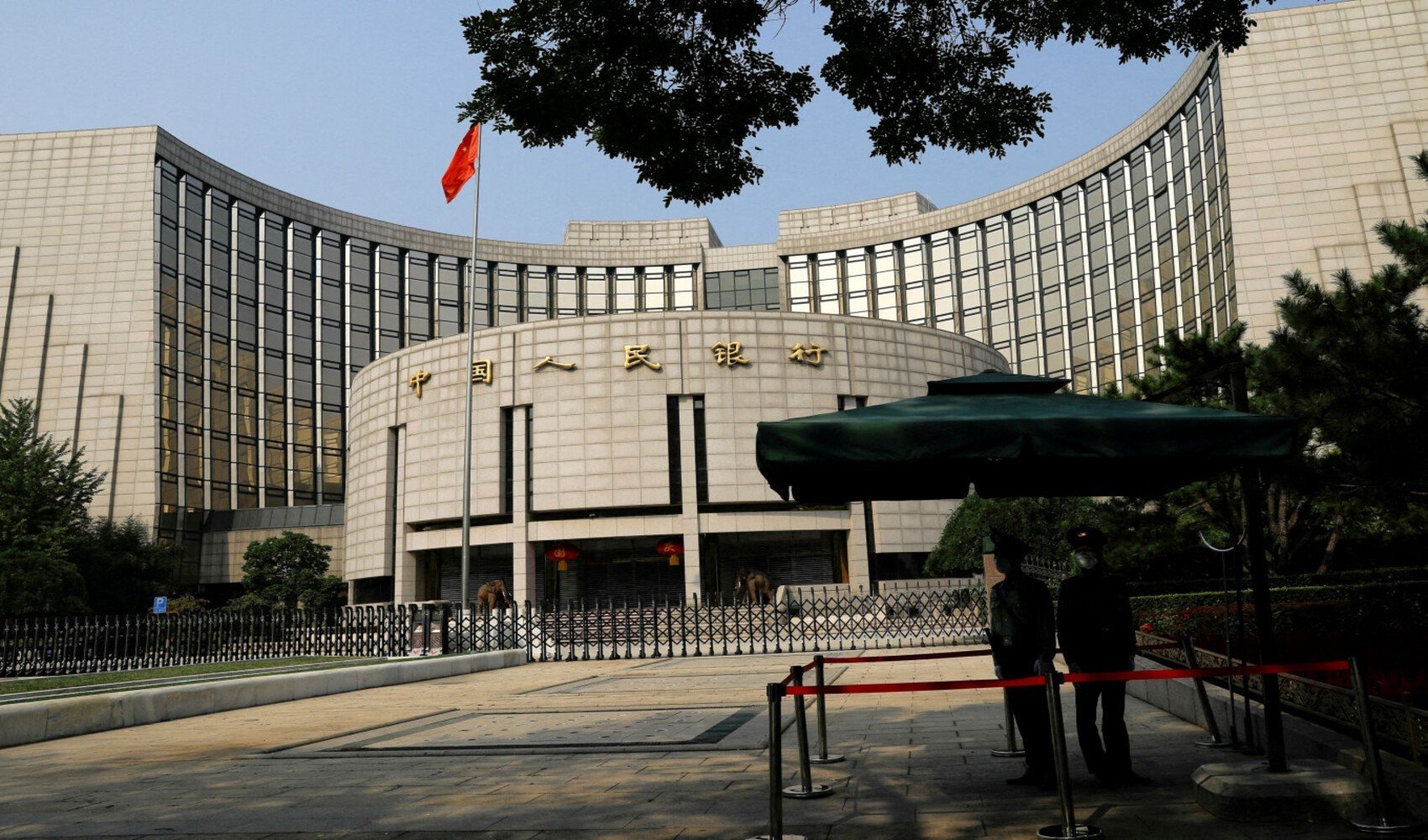
The People's Bank of China (PBoC) has announced a series of measures to stimulate an economy dragged down by persistent weakness in domestic demand and a downturn in the real estate sector.
PBoC Governor Pan Gongsheng announced policy steps at a press conference, ranging from a cut in the reverse repo rate to a reduction in reserve requirement ratios and a lowering of mortgage interest rates.
Pan announced that the PBoC has cut the 7-day reverse repo rate, its most important tool for injecting short-term cash into the market, from 1.7 percent to 1.5 percent.
Stating that they expect the interest rate cut to lead to a 0.3 percent reduction in the Medium-term Lending Facility (MLF), the PBoC's main policy rate, Pan also noted that they anticipate a 0.2 percent and 0.25 percent reduction in the 1-year and 5-year Loan Prime Rates (LPR), which serve as benchmark rates for real estate and corporate loans.
In reverse repo transactions, the Central Bank injects cash into the market by purchasing securities with the agreement to sell them back at a later date.

PBoC Governor Pan Gongsheng
LOANS WILL BE PROVIDED TO BANKS
The MLF allows Chinese banks to receive medium-term loans from the Central Bank in exchange for securities.
The LPR, which is determined based on the profit margin notifications that 18 banks in China add to the Central Bank's borrowing rate, has served as the country's benchmark interest rate since 2019. The 1-year loan interest rate is considered the reference for corporate loans, while the 5-year interest rate is the reference for real estate loans.
Pan also announced that the PBoC will reduce the reserve requirement ratios applied by banks and credit institutions by 50 basis points in the 'near future'.
Emphasizing that the move aims to provide sufficient cash to the market, Pan stated that the cut is expected to release 1 trillion yuan (approximately 140 billion dollars) in cash assets.
Pan also emphasized that they could make an additional 25 to 50 basis point cut in reserve requirement ratios within the year, depending on the liquidity situation in the market.
While a separate reserve requirement ratio is applied for each financial institution in China, it is calculated that the weighted average of reserve requirement ratios will fall to 6.6 percent following the decision.
The Central Bank of China last cut reserve requirement ratios by 50 basis points on February 5. The bank had made 25 basis point cuts twice in 2022 and 2023.
MORTGAGE RATE CUT DECISION
Pan also stated that as a measure to stimulate the declining real estate market, they will lower interest rates on existing housing loans to the same level as new loans.
Pointing out that the average reduction in housing loans will be at the 0.5 percent level with this step, Pan said, 'The new policy will affect 50 million households and a population of 150 million. The new rates will reduce household interest expenses by approximately 150 billion yuan (21.32 billion dollars) per year and will contribute to stimulating consumption and investment.'
Pan noted that the minimum down payment for real estate loans has been reduced to 15 percent for second-hand homes, just as it is for first-hand homes.
The Chinese government had announced on May 17 that it would provide 300 billion yuan (42.64 billion dollars) in funding to local governments to purchase unsold completed homes to provide affordable housing.
Stating that they aim to clear the housing stock and achieve a revival in the real estate sector with this plan, Pan emphasized that the rate of financing to be provided by the PBoC under the plan will be increased.
Following Pan's statements, the Hang Seng index of the Hong Kong Stock Exchange and the Shanghai Composite index gained 3.6 percent in value.
News Source: AA