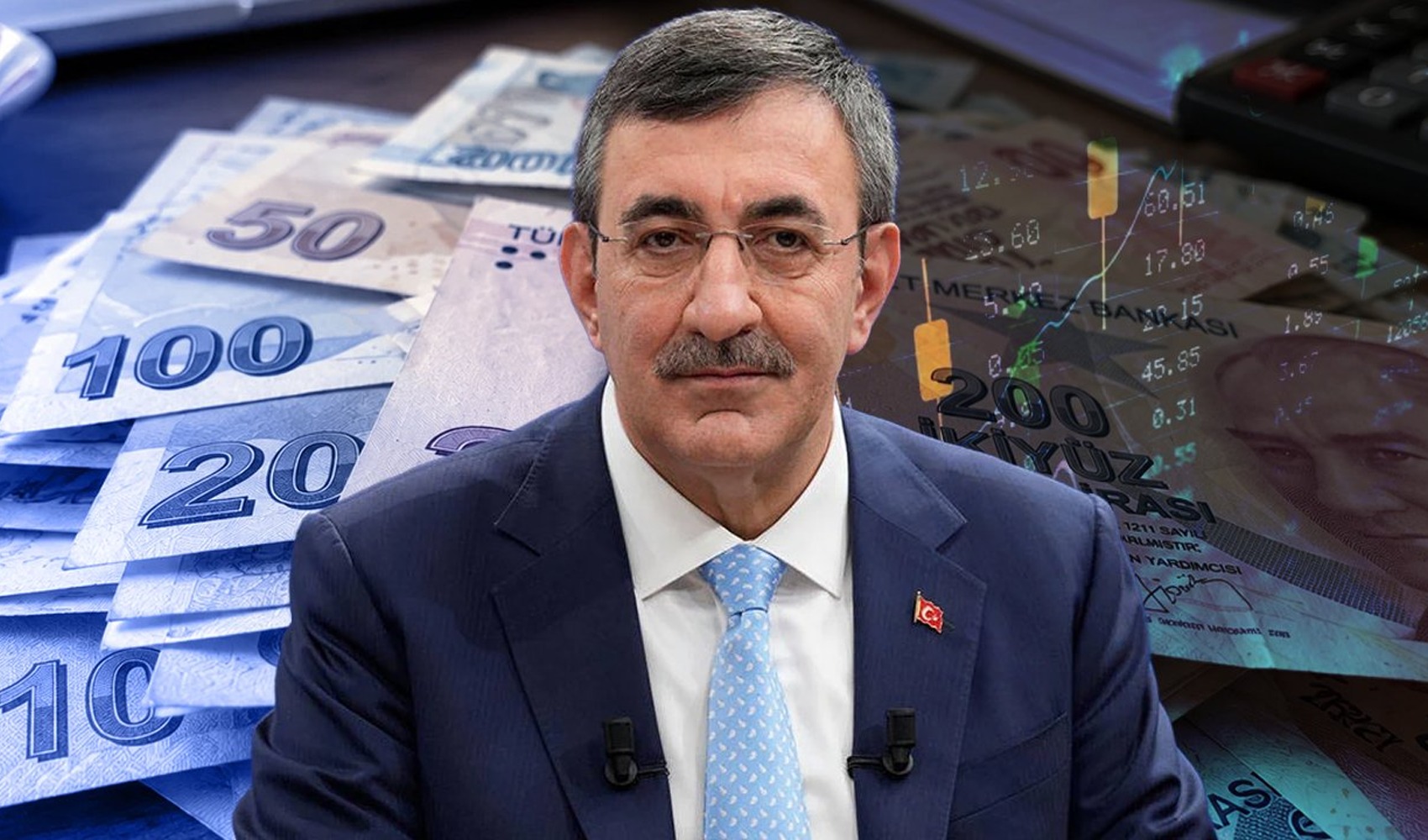
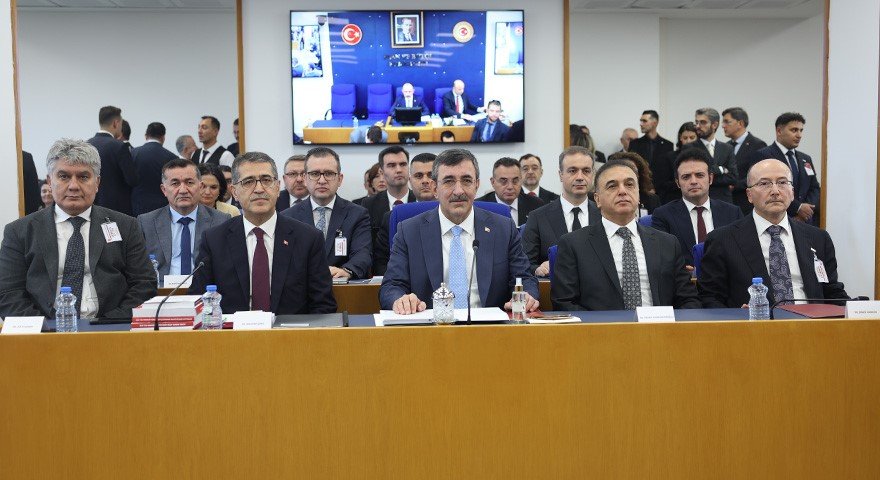
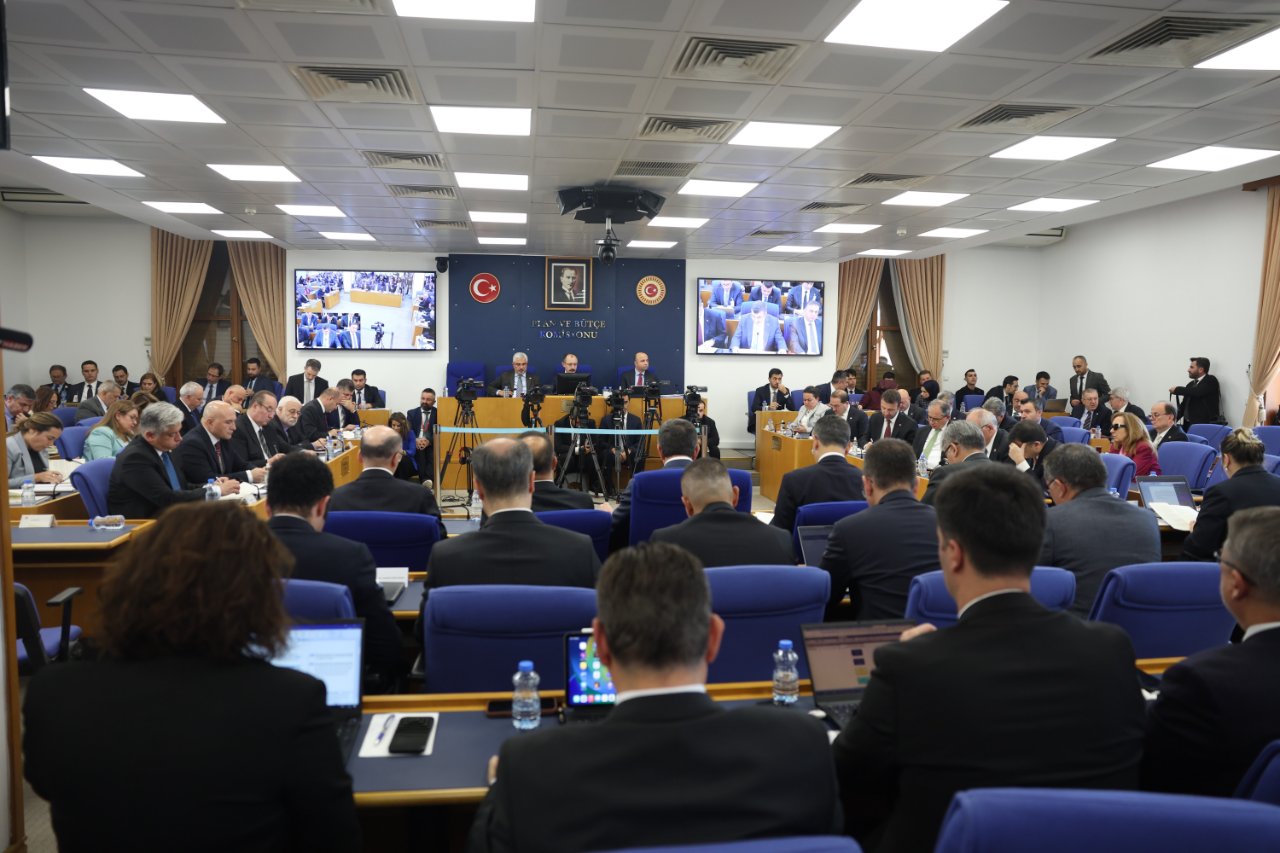
Vice President Cevdet Yılmaz shared the economic roadmap for the upcoming period during his presentation on the 2027 Central Government Budget Law Proposal. During the discussions at the Turkish Grand National Assembly (TBMM) Planning and Budget Committee, the main theme of the budget was announced as “Resilience, Prosperity, and Transformation.”
Yılmaz stated that the target is to reduce consumer inflation to 21 percent by the end of 2027, while noting that 1 trillion 341 billion lira has been allocated for social assistance, and 3 trillion 454 billion lira—including the Defense Industry Support Fund—has been earmarked for defense and security units.
BUDGET DEFICIT AND GROWTH TARGETS
According to the presentation, expenditures in the 2027 central government budget are expected to be 27 trillion 276 billion lira, while revenues are projected at 23 trillion 408 billion lira. The budget deficit is estimated at 3 trillion 868 billion lira, with the deficit-to-GDP ratio projected to be at the 3.5 percent level.
Yılmaz stated that the Turkish economy continues its growth trend despite global uncertainties. Noting that the 2026 growth forecast has been updated to 3.3 percent within the scope of the Medium-Term Program (OVP), Yılmaz conveyed that the growth targets are 4.2 percent for 2027, 4.6 percent for 2028, and 5 percent by the end of the program period.
Pointing to new thresholds for national income, Yılmaz said that national income is expected to exceed 1.8 trillion dollars for the first time by the end of 2026, and per capita income is expected to surpass 20 thousand dollars. It was noted that national income is projected to cross the 2 trillion dollar threshold in 2028 during the program period.
Regarding the labor market, it was stated that the seasonally adjusted unemployment rate was 7.9 percent in the second quarter of 2026. While an annual average of 711 thousand additional jobs is targeted during the OVP period, women's participation in the labor force, active labor programs for youth, and digital-green transformation skills were listed among the priorities.

INFLATION, FOREIGN TRADE, AND CURRENT ACCOUNT DEFICIT
Yılmaz said that coordination between monetary, fiscal, and income policies continues in the fight against inflation. Stating that annual consumer inflation was 29.7 percent as of September 2026, Yılmaz expressed that the year-end forecast is 28.4 percent, with a target of 21 percent by the end of 2027.
Noting that developments in energy and commodity prices are putting pressure on the disinflation process, Yılmaz said that the war in the Middle East could have an upward impact of approximately 7 points on inflation; he added that about 5 points of this is expected to stem from increases in energy and other commodity prices.
Regarding foreign trade data, it was stated that exports reached the highest level in the history of the Republic in 2025 with 273.2 billion dollars, and increased by 5.2 percent to 211 billion dollars in the January-September period of 2026. Yılmaz reported that annualized exports reached 283.7 billion dollars, exceeding the OVP target set for 2026.
Expressing that the current account deficit is expected to be at the 2.6 percent level relative to GDP in 2026, Yılmaz reported that this ratio is projected to decline to 1.9 percent in 2027 and to 1.6 percent by the end of the program period. It was also shared that tourism revenues are expected to be around 65 billion dollars in 2026.

SOCIAL ASSISTANCE AND DEFENSE ALLOCATIONS
Yılmaz said that the social assistance budget will be increased to 1 trillion 341 billion lira in 2027, which corresponds to 4.9 percent of the budget. It was announced that 250 billion lira will be allocated for supporting social housing financing, 186 billion lira for health premium expenses of citizens without payment capacity, and 132 billion lira for elderly and disability pensions.
An allocation of 109 billion lira was foreseen for home care support for disabled citizens, 90 billion lira for disability education support, 84 billion lira for maternity benefit payments, 29 billion lira for social and economic support payments, and approximately 4 billion lira for the foster family program.
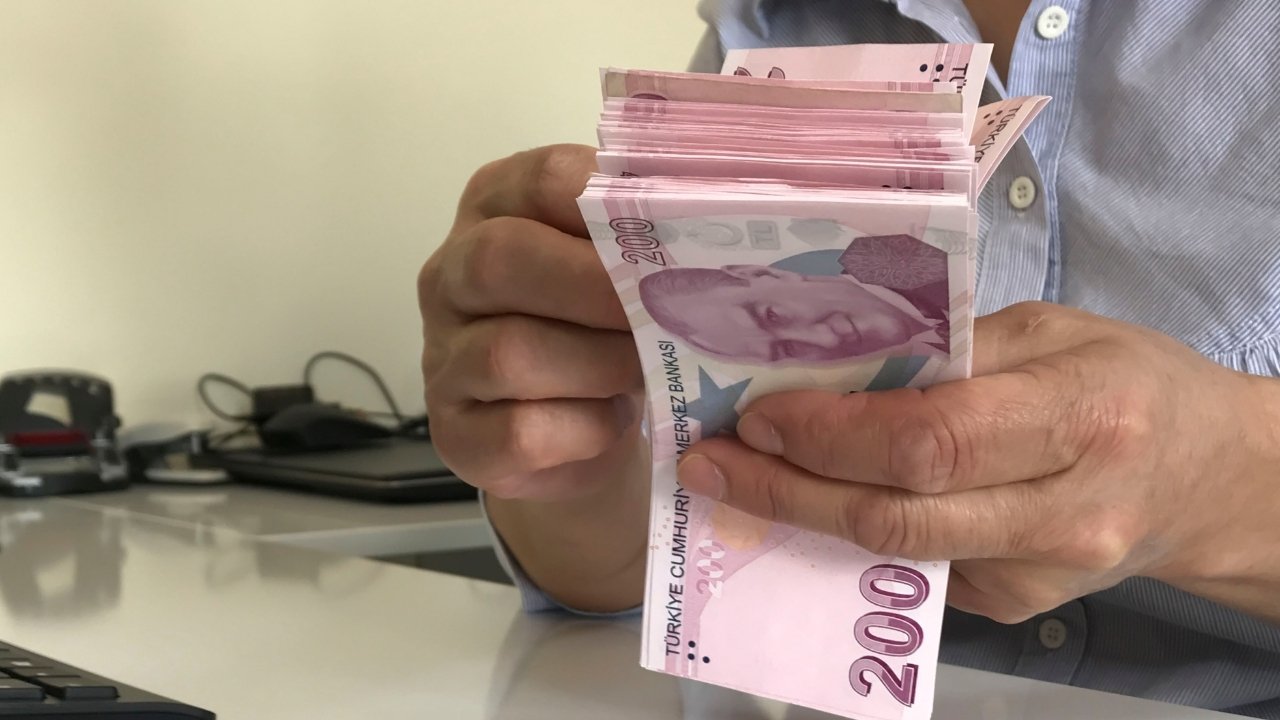
An increase was also foreseen in the energy support item. It was stated that 605 billion lira, a 62 percent increase, has been allocated in the 2027 budget so that citizens can use electricity and natural gas at more affordable costs. Furthermore, it was announced that a tax exemption of 1 trillion 460 billion lira is planned for 2027 within the scope of keeping wages up to the minimum wage tax-free.
Under the defense and security heading, 3 trillion 454 billion lira was allocated for 2027. Yılmaz said that this amount corresponds to 12.7 percent of the central government budget. It was stated that a 229 percent increase was made in the appropriations for the procurement of weapons, ammunition, weapon systems, and other defense vehicles in the Ministry of National Defense budget.
NEW REGULATION FOR INVESTMENT FUNDS
Yılmaz stated that the problems experienced in the investment fund market emerged in a limited area of the financial system, and that administrative and judicial measures have been taken, and the liquidation process of problematic funds has been initiated. He conveyed that the Fund Coordination Board is working in coordination with relevant institutions and has held 6 meetings to date.
With the law proposal accepted at the TBMM Planning and Budget Committee, it was stated that the aim is to ensure that processes in some investment funds decided to be liquidated are conducted fairly, transparently, and effectively. It was stated that the regulation aims to recover values unlawfully removed from fund assets, collect losses and damages from those responsible, and pay the recovered amounts to fund shareholders.
Yılmaz also said that preparations for amendments to the Capital Markets Law are ongoing. With the new steps, it is aimed to protect investors more effectively, increase institutional capacity, strengthen the early intervention powers of the Capital Markets Board (SPK), and make sanctions against violations in capital markets more deterrent.
Touching upon resources for the earthquake zone, Yılmaz announced that a total of 769 billion lira will be allocated in the 2027 budget for disaster risk reduction, damage repair, and the construction of earthquake-resistant cities. It was reported that the budget deficit excluding earthquake-related expenses is expected to be at the 2.8 percent level relative to GDP.
Sharing figures regarding civil servant and retiree salaries, Yılmaz said that the lowest civil servant salary rose to 70 thousand 224 lira as of July 2026, and the lowest retiree pension was increased to 20 thousand lira in January 2026 and reached 23 thousand 552 lira as of July.
News Source: 12punto