The MTM Media Monitoring Center, which keeps a close eye on the economic press, researched the most discussed economic topics of the year.
The year 2024, which we are preparing to leave behind, was marked by inflation, salary raises, changes in economic leadership, and expectations.
Here are the most discussed economic topics month by month in the MTM Media Monitoring Center's research and the impact they created.
JANUARY: At the beginning of the year, raises for civil servants and retirees determined the agenda. In January, inflation rates and price increases in basic consumer goods held an important place on the public agenda. This situation led to debates regarding economic stability and purchasing power. Fluctuations in foreign exchange rates also continued in January.
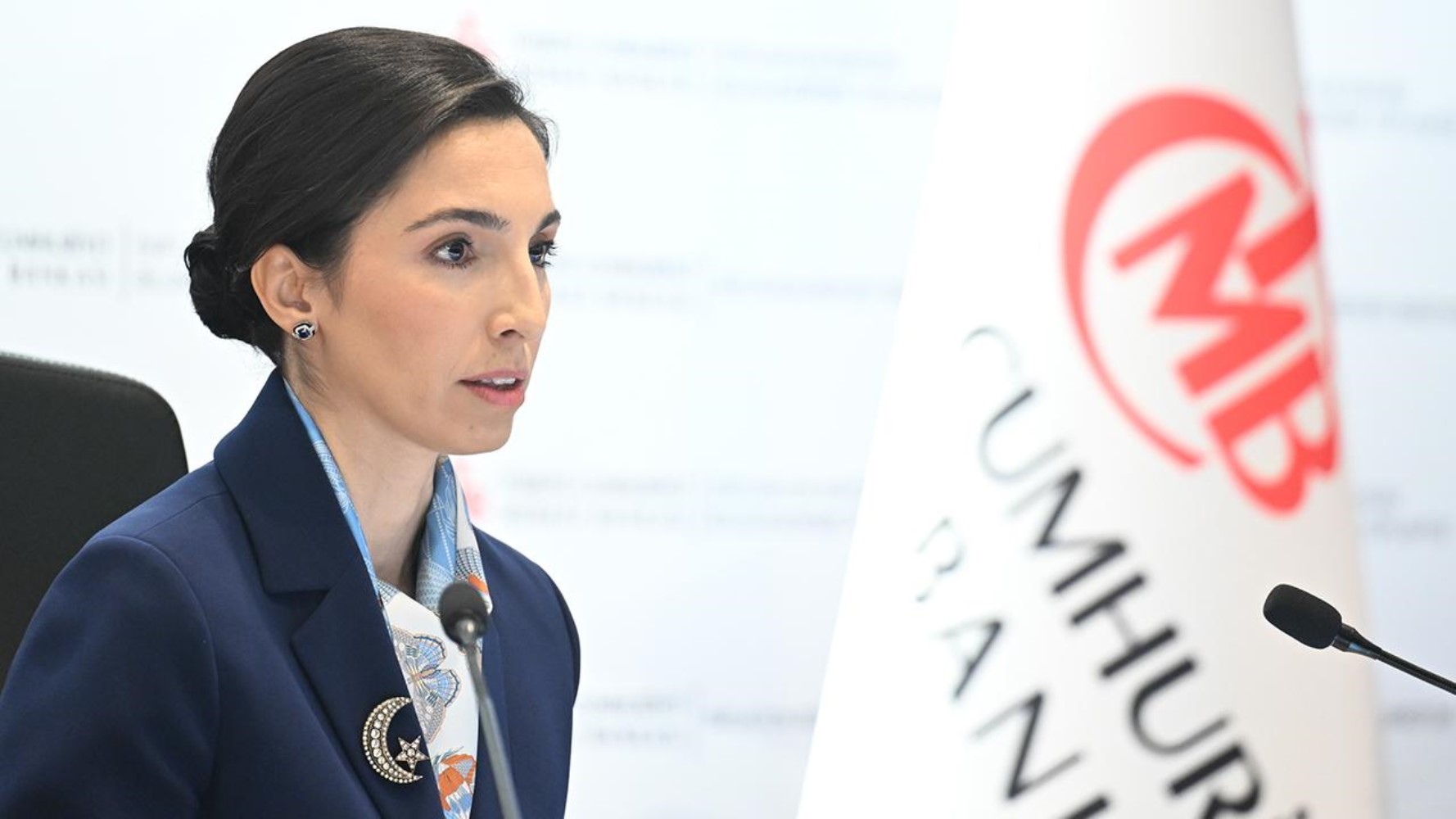
FEBRUARY: A major change took place in the economic world in February. Central Bank Governor Hafize Gaye Erkan resigned from her post on February 3. Dr. Fatih Karahan was appointed in her place. This change resonated widely in markets and economic circles, and how monetary policies would be shaped under the new governor became a subject of curiosity.
MARCH: The local elections held on March 31 had a significant impact on economic policies. During the pre- and post-election periods, the economic promises and practices of the government and municipalities were widely debated. On March 21, the Central Bank of the Republic of Turkey (TCMB) raised the policy rate to 50%. This decision had a major impact on the markets, and the effects of high interest rates on economic performance were discussed extensively.
APRIL: In April, inflation rates and price increases in basic consumer goods held an important place on the public agenda. High inflation negatively affected consumer spending and purchasing power. In April, the foreign trade deficit was recorded at 9 billion 863 million dollars. This increase had a significant impact on the balance of imports and exports and led to economic debates.
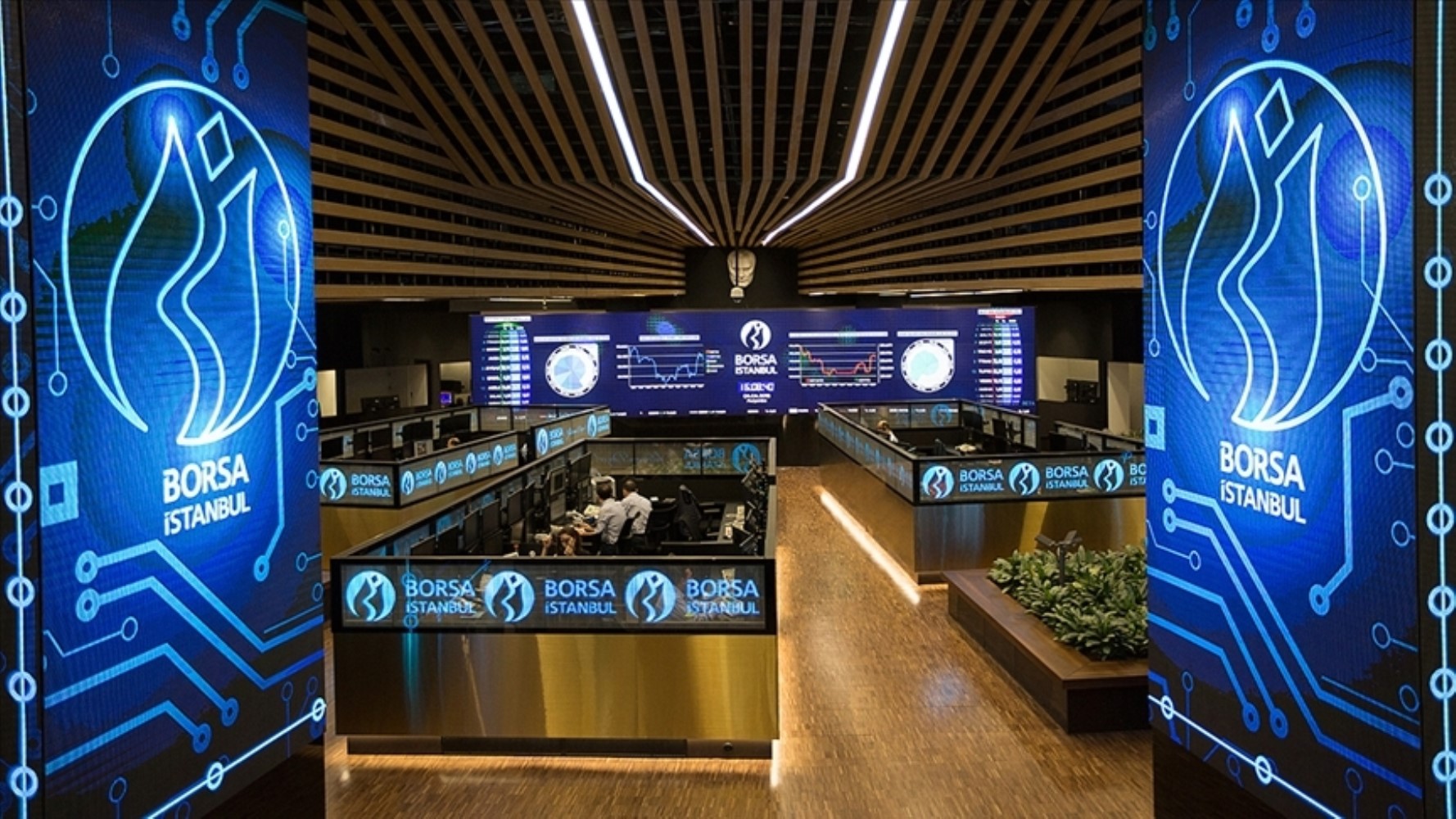
MAY: Two important developments took place in May. First, the Ministry of Trade announced on May 2 that it had completely stopped trade with Israel. This decision resonated widely in political and economic circles. In the same month, on May 21, the BIST 100 index on Borsa Istanbul reached a historic level by exceeding 11 thousand points. This rise created great excitement among investors.
JUNE: In June, an important regulation regarding the crypto asset ecosystem was enacted. This regulation, which entered into force on June 26, aimed for crypto assets to be traded in a safer and more orderly manner. At the end of the same month, on June 28, Turkey was removed from the FATF Grey List, where it had been placed in 2021.
JULY: In July, the 25% legal limit applied to residential rents expired. This was evaluated as the beginning of a new era between tenants and landlords. In July, the decision of a Chinese automotive brand to invest 1 billion dollars in Turkey was discussed in many aspects within the automotive sector.
AUGUST: In August, inflation rates and price increases in basic consumer goods held an important place on the public agenda. High inflation negatively affected consumer spending and purchasing power. The release of some individuals who were detained on charges of tax evasion and money laundering following a MASAK report found a wide place on the agenda.
SEPTEMBER: In September, the release of some individuals detained on charges of money laundering and tax evasion following a MASAK report (September 4), the publication of the Medium-Term Program in the Official Gazette (September 5), and the start of the "verified listing" application in real estate (September 15) were important events. Additionally, on September 27, the Secure Payment System was put into operation for second-hand vehicle sales. These developments aimed to increase transparency and security in the economy.
OCTOBER: In October, a requirement was introduced for transactions of 7 thousand TL and above to be made through banks. This regulation, which entered into force on October 18, aimed to reduce the informal economy. Within the scope of the Newborn Gang Investigation, the licenses of some hospitals were revoked. The issue was discussed extensively by the public not only in terms of humanitarian values but also in the context of health economics.

NOVEMBER: In November, the announcement of the list of tax evaders (November 1), the determination of the 2024 Revaluation Rate as 43.93% (November 4), and the TCMB raising its year-end inflation forecast from 38% to 44% (November 8) were prominent economic developments. Additionally, on November 11, detentions were made for some famous names in an illegal betting investigation.
DECEMBER: In December, the Ciner Group, which announced its decision to withdraw from the media, announced that it had transferred its publications to the Can Group. Following the final controversial meeting, a decision was made for a 30% raise in the minimum wage. The Central Bank of the Republic of Turkey went for a rate cut after a 22-month hiatus, lowering the policy rate by 250 basis points from 50% to 47.5%.
These events that took place in 2024, which we are preparing to leave behind, were important topics that attracted attention both in the domestic market and in the international arena.
News Source: 12punto