

Hidden danger threatens health... Mortality rate is 30 percent!
Scientists in China have discovered a tick-borne "Wetland Virus." The virus, which has a mortality rate of 30 percent, was detected in a patient in Inner Mongolia. The virus, which is also reported to be found in sheep, pigs, and horses, carries a risk of spreading across Europe and Asia.




Scientists in China have discovered a previously unknown virus in a patient who was hospitalized after a tick bite in a wetland area in Inner Mongolia. Detected through genetic analysis of blood samples from the patient, who showed symptoms of fever, headache, and vomiting in 2019, this virus bears similarities to the Crimean-Congo hemorrhagic fever virus and has a mortality rate of 30 percent.
Belonging to the Nairoviridae family, this virus has been placed under detailed investigation by scientists as it increases the danger posed by tick-borne diseases.
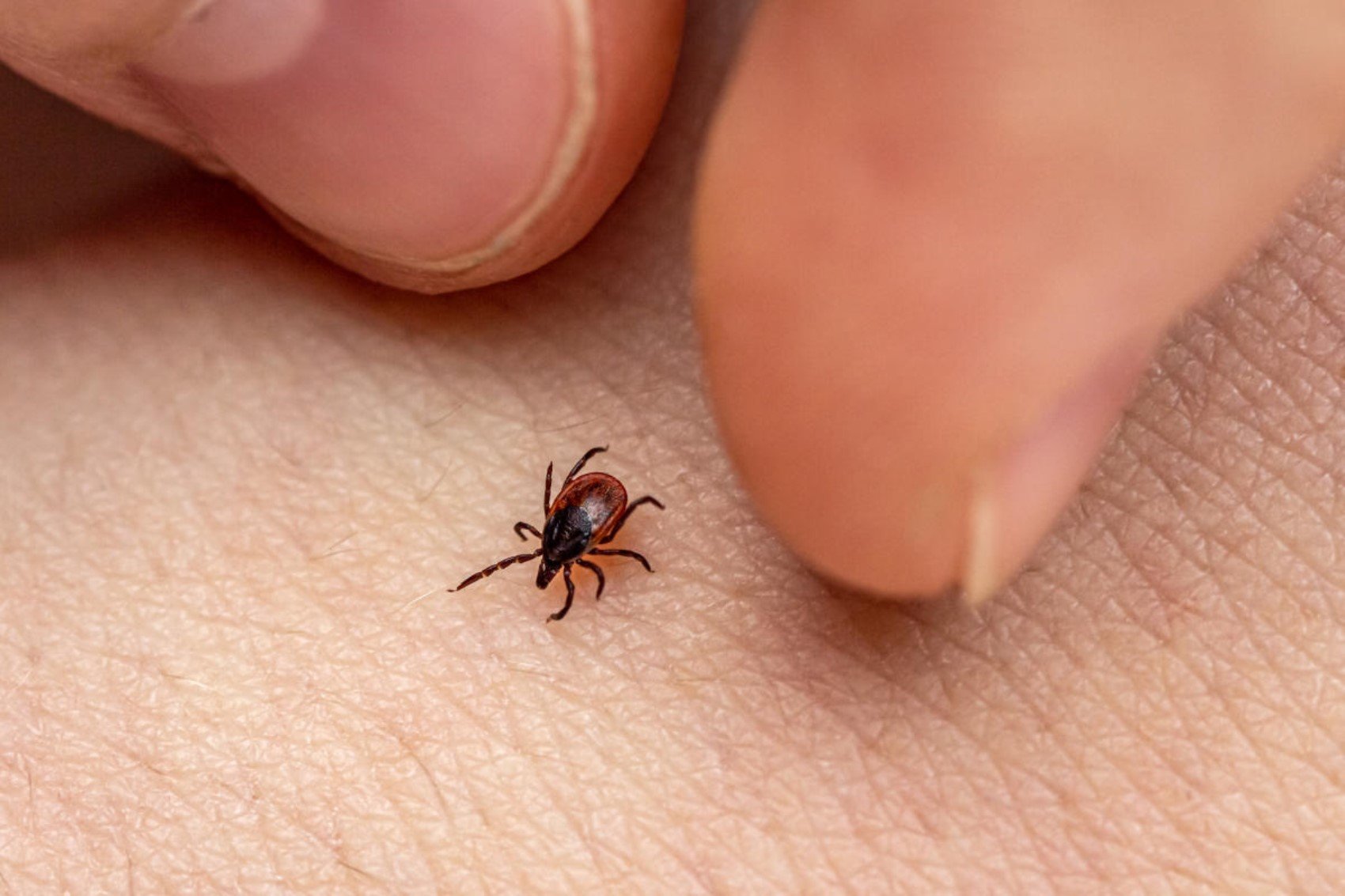
The virus has been named the "Wetland Virus."
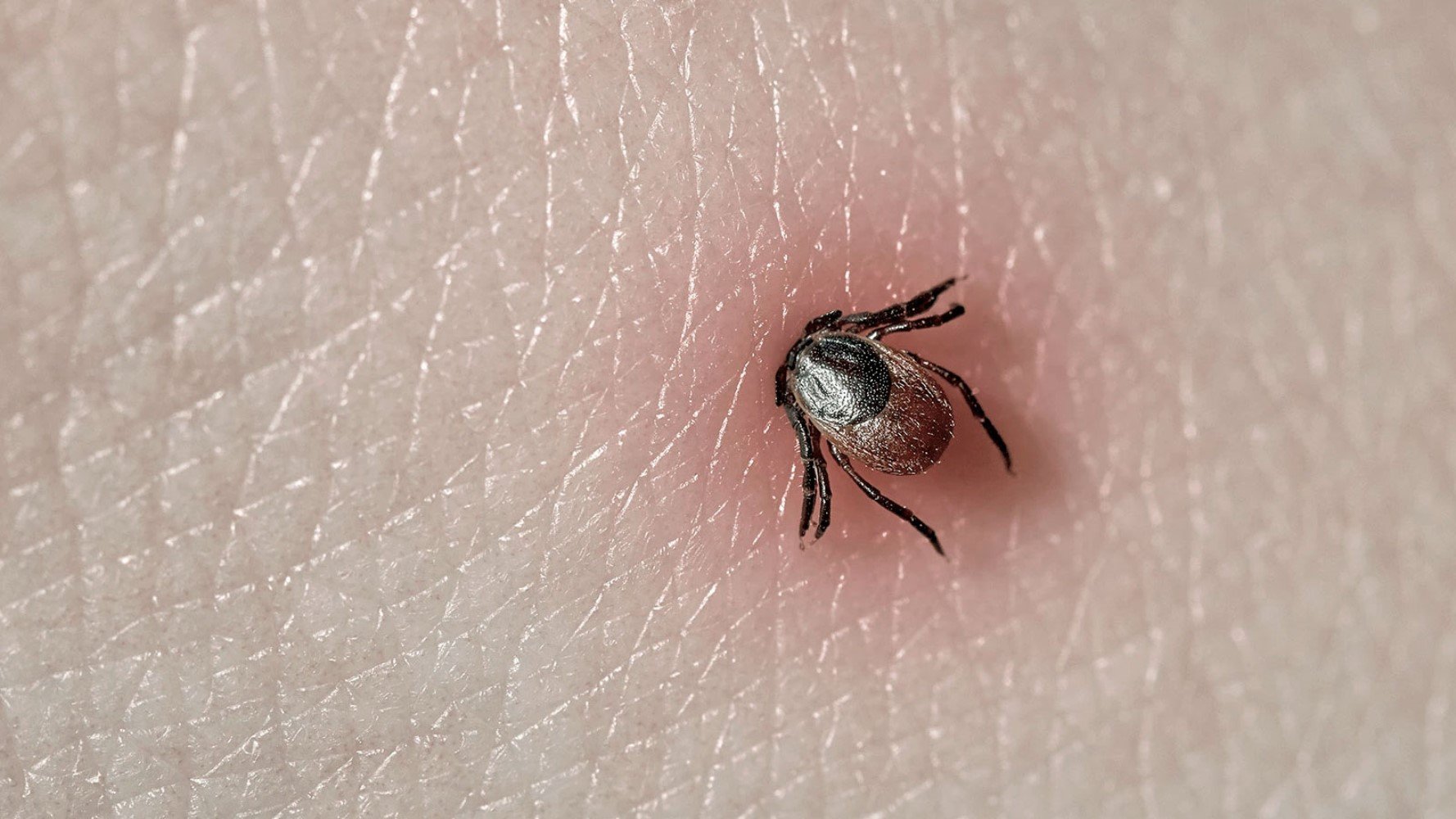
Scientists examined other patients in northeastern China who experienced acute fever following tick bites and confirmed that the virus is prevalent in this region by identifying 17 additional cases of the Wetland Virus.

VIRUS DETECTED IN SHEEP, PIGS, AND HORSES
The research team conducted extensive ecological studies on ticks, domestic animals, and wild animals in the region to determine the source of the virus.
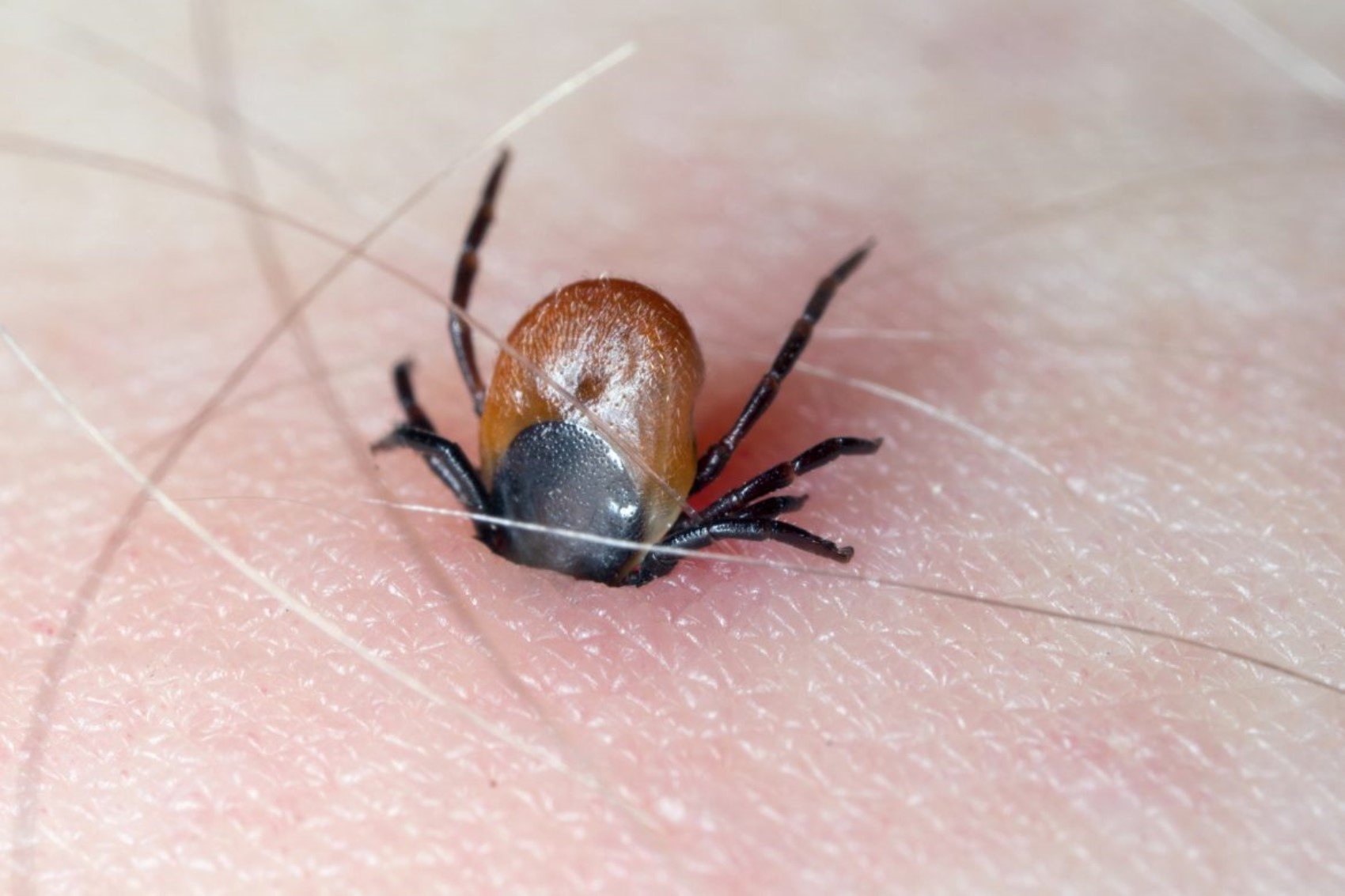
As a result of these studies, the virus was detected in sheep, pigs, and horses, and it has been suggested that these animals may serve as carriers for the virus.
So far, the Wetland Virus has only been detected in northeastern China.
However, the ticks that carry this virus have a wide distribution area across Europe and Asia. This suggests that the virus may have spread over a wider geography.

DIFFICULT TO DETECT
There are several reasons for the increase in the detection of new tick-borne diseases. First, because these types of diseases present with non-specific symptoms such as fever, headache, and fatigue, they are often confused with other illnesses.
Furthermore, since tick-borne diseases are not contagious, they do not emerge in the form of large-scale outbreaks. This makes diagnosis difficult.
Second, it is common for tick bites to go unnoticed. Ticks are difficult to spot because they often attach to the back of the body. Additionally, many patients are not even aware that they have been bitten by a tick.

Despite these difficulties, it has become possible to detect previously unknown pathogens thanks to new genetic analysis methods. However, medical awareness for the diagnosis of such diseases remains insufficient.
In recent years, changes have also been observed in the distribution of tick-borne diseases. Climate change affects the activity periods of ticks and the regions they inhabit, which can increase the risk of disease in areas where tick populations were previously not viable.
For example, the tick-borne encephalitis virus, which was previously only seen in certain parts of Asia and Europe, has recently begun to be detected in the Netherlands and the United Kingdom.
News Source : 12punto
Most Read

How the ISIS terrorist preparing for an attack in Istanbul was neutralized

Apple's foldable phone price tag to set a new record

YÖK launches investigation into 23 foundation higher education institutions

Two-day sale and collateral traffic in Gökçek family allegations

Another bankruptcy in the construction sector

Detention warrants for 31 lawyers, searches at 39 offices

Massive compensation claim against Acun Ilıcalı

Footage emerges of Berhan Şimşek allegedly assaulting his former partner

Journalist Oya Lale Arslan detained

New details emerge in 'panel' operation targeting lawyers