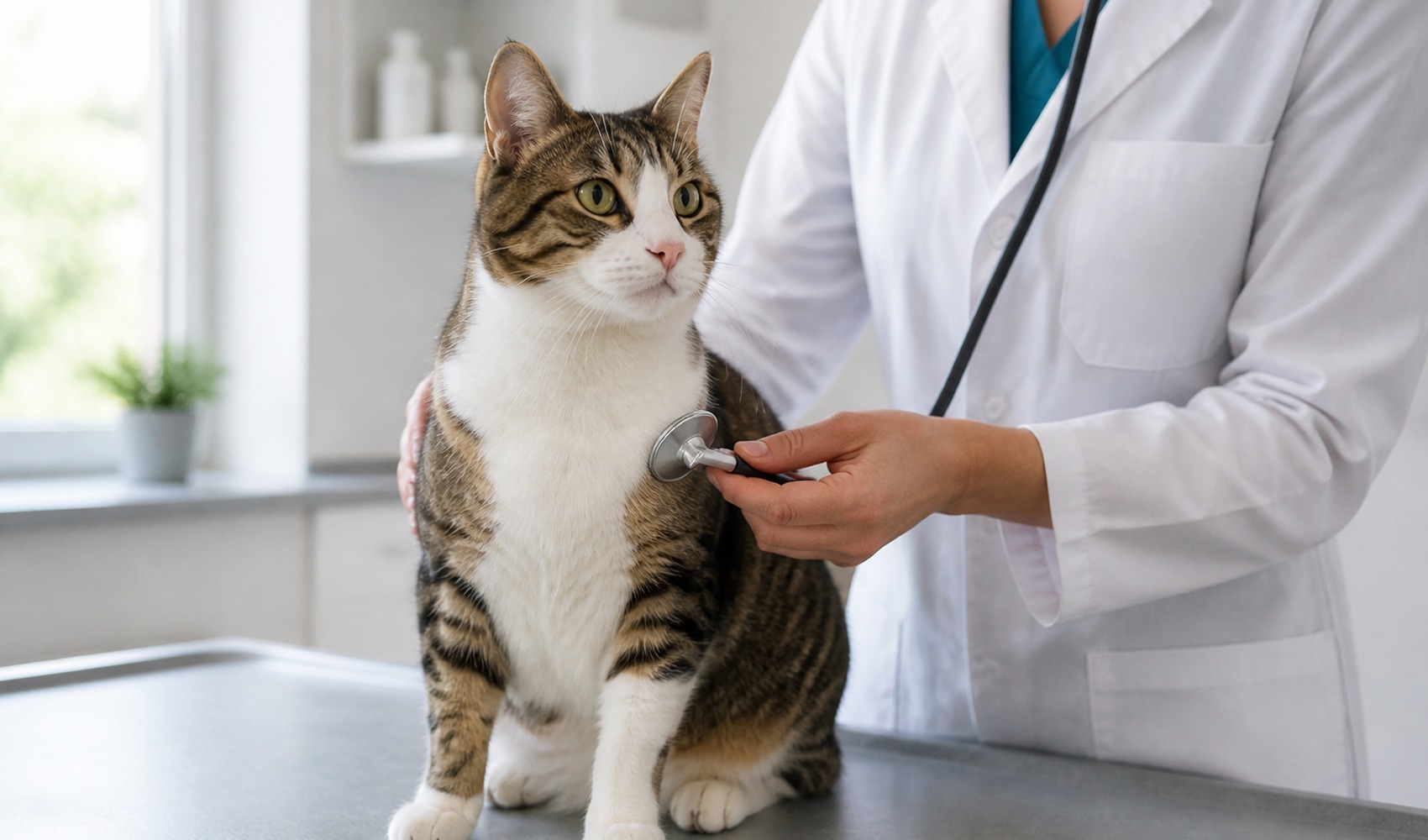
In male cats, neutering primarily refers to the surgical removal of the testicles. This procedure stops sperm production and significantly reduces testosterone levels. However, this does not mean that the cat's repertoire of sexual behavior will be completely erased overnight. Behaviors such as mounting, neck-biting, pelvic thrusting, vocalizing, marking, or erections can occur due to the combined influence of hormones, the nervous system, previous experiences, and environmental stimuli.
Therefore, the answer to the question "can a neutered male cat mate with a female?" is two-fold: A neutered male cat can physically exhibit mating-like behavior; however, if his testicles have been removed and sufficient time has passed since the surgery, he cannot impregnate a female. It is important to keep him separated from unspayed females for the period recommended by the veterinarian, as live sperm may remain in the reproductive tract for a short period immediately after surgery.
WHAT CHANGES IN THE BODY AFTER NEUTERING?
The testicles are the primary source of sperm production and testosterone secretion in male cats. After neutering, testosterone levels drop rapidly; consequently, the frequency of behaviors such as intense interest in females in heat, tendencies to escape, fighting, and urine marking generally decreases. However, this decline does not occur at the same speed or to the same extent in every cat. Behavior may persist for some time, especially in cats that were neutered after puberty, had previous mating experience, or had made mounting behavior a habit.
Erections are also not solely dependent on the presence of testicles. Penile erection is a physiological response related to blood vessels, nerves, spinal reflexes, and the autonomic nervous system. While testosterone can influence sexual desire and the frequency of behavior, a decrease in testosterone does not absolutely eliminate the possibility of an erection. Therefore, the occasional appearance of an erection in neutered male cats is not considered abnormal on its own.
| Question | Short answer | Point to consider |
|---|---|---|
| Can a neutered male cat mate with a female? | He may exhibit mating-like behavior. | If the testicles have been removed and the post-operative waiting period has passed, impregnation is not expected. |
| Can a neutered male cat get an erection? | Yes, it can happen rarely or with specific stimuli. | A prolonged, painful, or non-receding erection requires veterinary attention. |
| How many years can the behavior last? | There is no exact time limit; it can last for months, years, or in some cats, a lifetime. | Frequency is related to age at neutering, previous experience, stress, and the social order within the home. |
WHY CAN THE BEHAVIOR LAST FOR MONTHS OR YEARS?
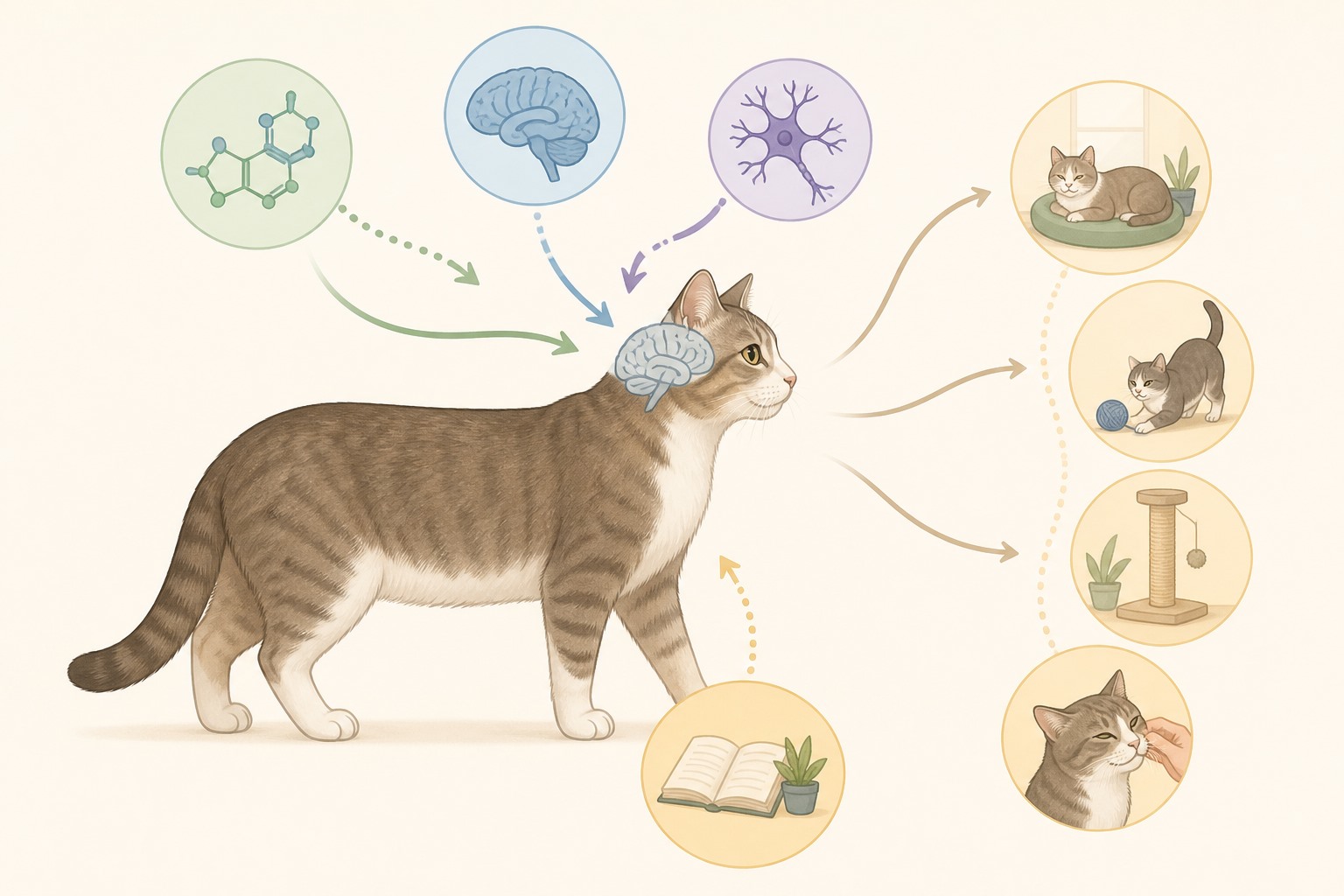
The persistence of sexual behavior in cats is explained by several reasons. The first reason is that hormones do not become ineffective at the behavioral level immediately after surgery. The second reason is learning: If a cat has reinforced mating or mounting behavior after puberty, he may exhibit the same behavior in response to social or environmental stimuli even after testosterone levels have decreased. The third reason is stress and arousal. The presence of a new animal in the house, the scent of a female in heat, territorial competition, over-arousal during play, or changes in routine can trigger this behavior.
It is not scientifically accurate to give a single duration for the question "how many years does it last?" In some cats, the behavior decreases significantly within a few weeks or months. In others, especially if neutering was performed at an older age, mounting and mating-like movements may be seen intermittently for years. In rare cases, the behavior may continue at a low frequency throughout the cat's life. This does not mean the cat is still fertile; behavior and reproductive ability should be evaluated separately.
However, some symptoms should not be dismissed as "normal behavior." If there is frequent and obsessive mounting behavior, difficulty urinating, swelling or redness in the penile area, an erection that does not return to normal for a long time, pain, excessive licking, or a sudden change in behavior, a veterinary examination is required. These findings may be related to urological problems, infection, trauma, stress disorders, or rarely, hormonal effects.
The safest approach that can be taken in the home environment is to reduce triggers rather than punishing the cat. Limiting contact with female cats in heat, providing regular play and environmental enrichment, directing the cat's energy toward hunting games, and reducing social stress in the home can decrease the frequency of the behavior. If the problem is persistent, the veterinarian should evaluate the situation, if necessary, in consultation with experts working in the field of veterinary behavioral medicine.
When seeking reliable information on this subject, veterinary faculties, official veterinary authorities, university animal health centers, and peer-reviewed veterinary resources should be preferred. Absolute statements often seen in popular content, such as "a neutered cat never mates" or "if he gets an erection, the neutering was unsuccessful," are misleading. The scientifically more accurate statement is: Neutering eliminates fertility and reduces sexual behavior in most cats; however, it does not guarantee that the behavior will disappear completely and immediately.
News Source: 12punto