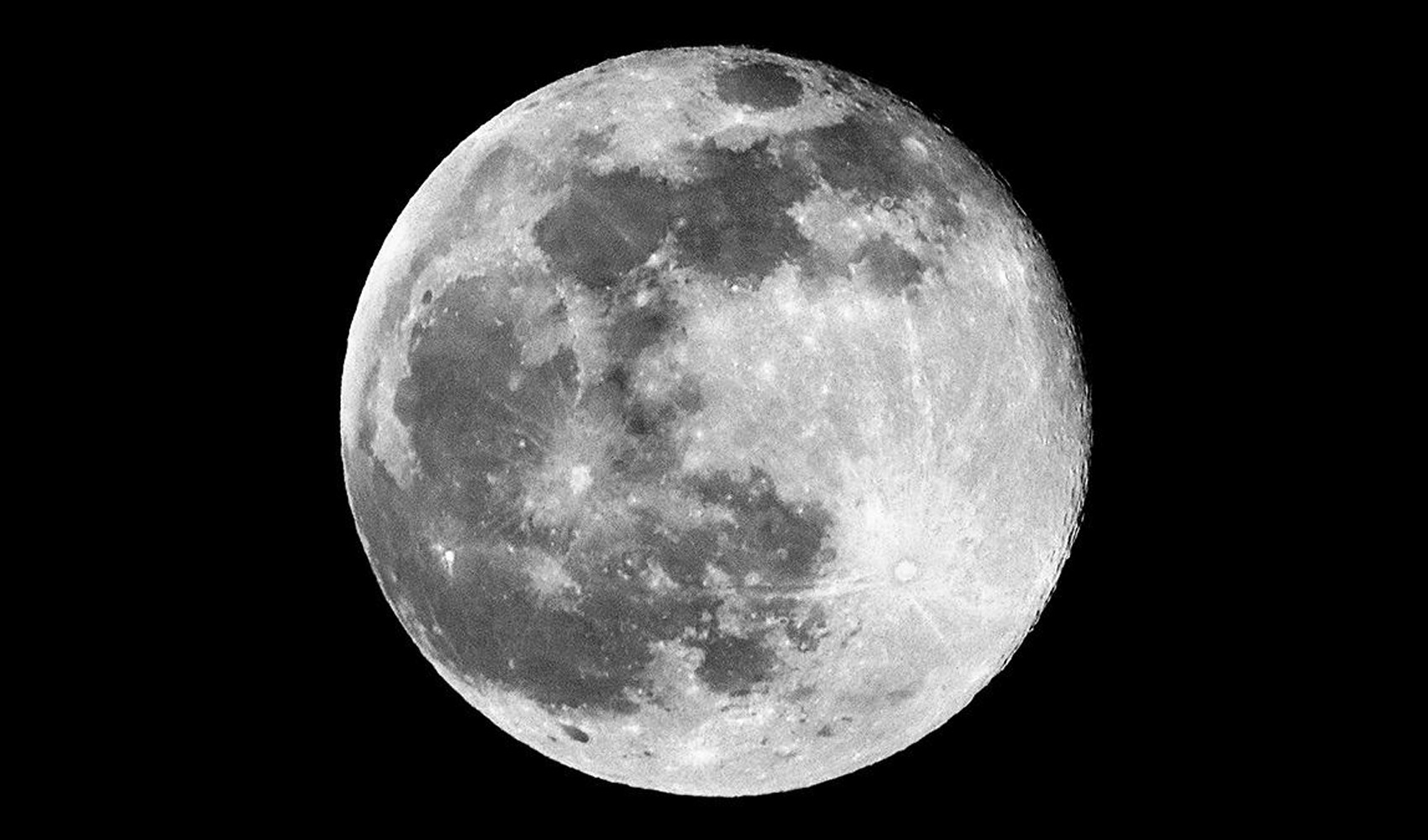
Hewlett Packard Enterprise (HPE) is preparing to send a compact supercomputer it has developed to the Moon to reduce data transmission and latency issues in space missions. The system, called Spaceborne Computer-4 (SBC-4), is planned to be tested at the Moon's South Pole as part of a NASA program in late 2026.
High-resolution images, maps, and sensor data obtained on the lunar surface create large files. Sending all of this data to Earth is both time-consuming and can create bottlenecks in missions due to limited communication capacity. The goal of the SBC-4 is to process raw data on-site and transmit only mission-critical results to Earth.
COMPACT AND FANLESS DESIGN
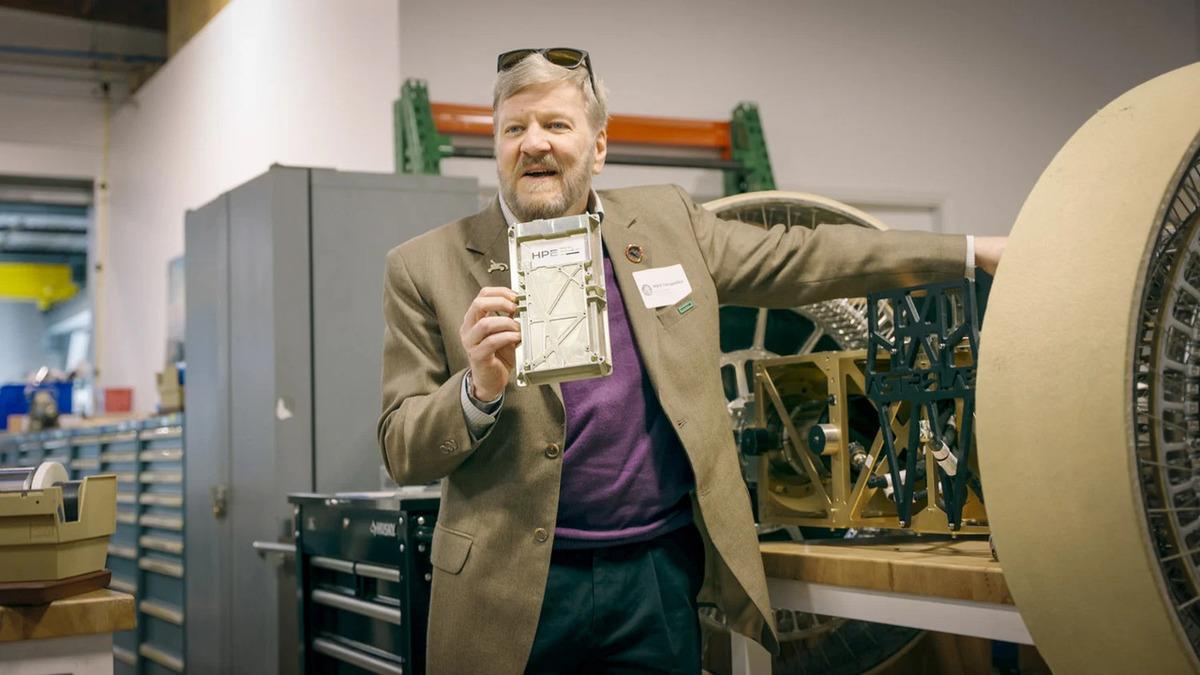
Computers used in space are generally designed as large, complex systems reinforced with special shielding. The SBC-4, however, stands apart from this approach with its fanless and compact structure, roughly the size of a standard graphics card.
The brand and technical specifications of the system's main processor have not yet been disclosed. It is stated that this information will not be shared until the computer's reliable operation is verified due to the risks of the mission. The project refers to this hardware as "mystery silicon."
On the storage side, there is a notable choice: the SBC-4 uses standard SSDs that can be found in technology stores. Instead of protecting the hardware with heavy physical armor, software-based redundancy is prioritized. Accordingly, if a problem occurs with one of the disks, the system is intended to continue operating using the other copy.
WILL USE HEAT AS A PROTECTIVE ELEMENT
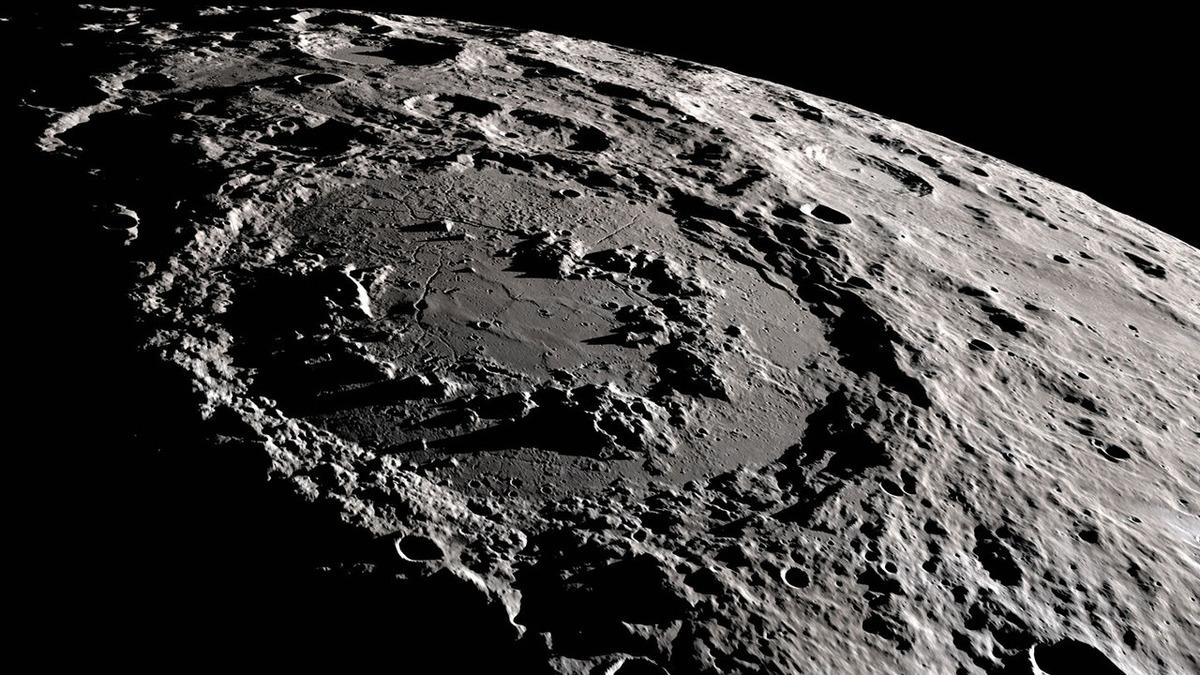
Radiation on the lunar surface, long freezing nights, and temperature fluctuations pose serious risks to electronic components. The SBC-4 is designed to protect itself by reducing its operating speed when temperature or voltage values reach dangerous levels.
The heat generated by the computer during intensive processing will also have an additional function in the mission. This heat is expected to contribute to keeping other electronic components on the spacecraft within the appropriate temperature range. Thus, the system will not only process data but also help protect the platform it is on against cold conditions.
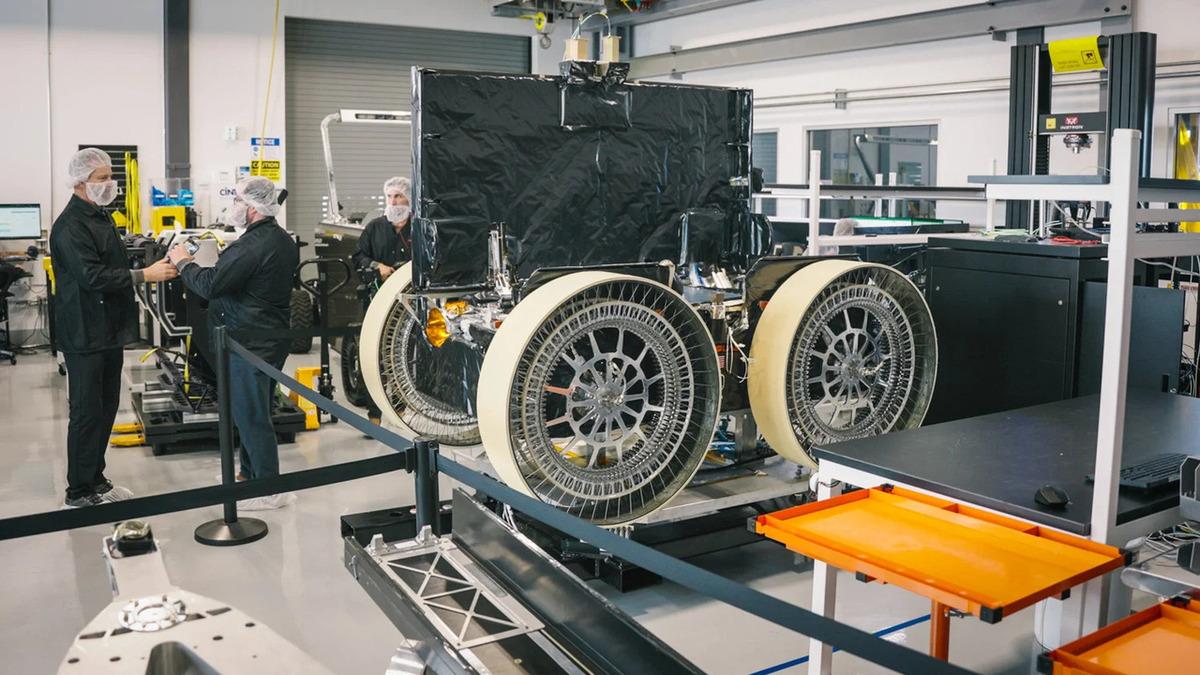
Tasks such as laser environmental scanning and AI-supported text reading are planned to be performed on the SBC-4. This approach could enable spacecraft to perform faster data evaluation without having to wait for responses from Earth for certain decisions.
If the system is successful, the "on-site data processing" approach is expected to become more prominent in lunar and deep space missions instead of "transporting data to Earth." This could provide significant advantages in terms of both time and bandwidth, especially in missions where communication capacity is limited.
News Source: 12punto